
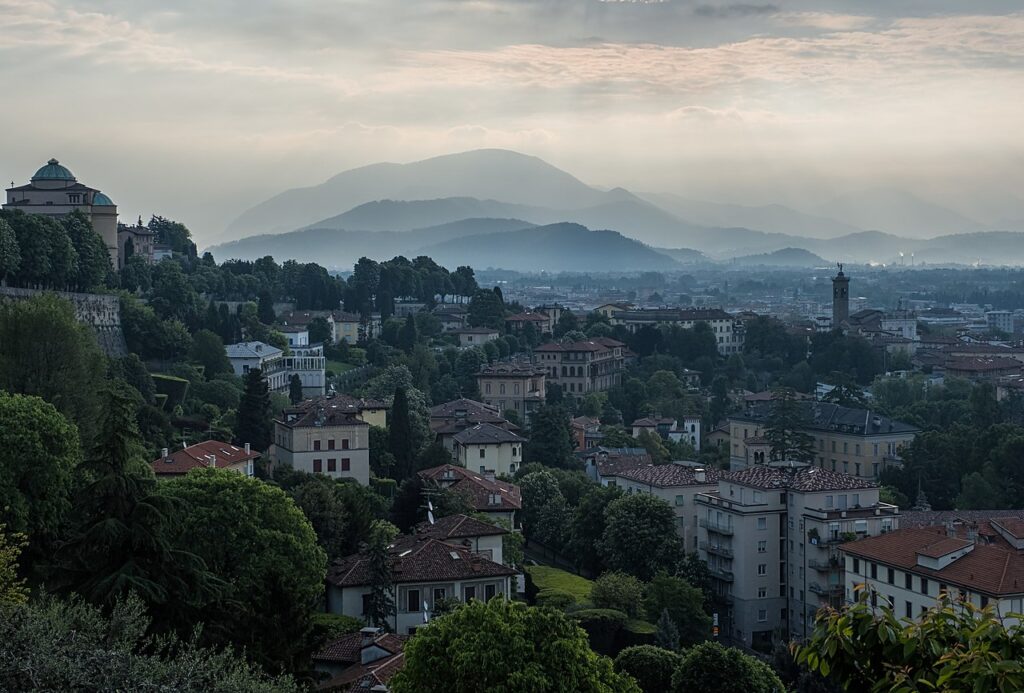
Bergamo, Italy Weekend: Hilltop Fortresses (2026)
You step off the funicular at the top of Bergamo’s Città Alta just as the afternoon sun sets the ancient stone walls aglow. The air is thick with the aroma of butter and sage from a nearby trattoria, and the distant hum of a campanile bell echoes across the cobbles. In that moment, you feel time slow down—this is the Italy you came for: intimate, layered, and fiercely local.
Quick Facts Before You Go
- Best Months: April–June or September–October. Wildflower-drenched hills in spring, crisp air and harvest festivals in autumn. July and August are hot and crowded.
- Currency: Euro (€). Roughly $1.10 USD to €1; travellers should expect to pay €1.50 for an espresso, €12 for a pasta dish.
- Language: Italian. English is widely understood in tourist spots, but learning buongiorno and grazie will win you smiles.
- Budget: €80–150 per day (mid-range) including meals, transport, and one paid attraction. Budget travellers can manage €60.
- Getting There: Orio al Serio International Airport (BGY) is just 15 minutes from the city centre. Direct flights from London (2h) and many European hubs. Book at Skyscanner
Day 1: Città Alta – The Medieval Hilltop Dream
You start the morning with a 3-minute funicular ride from the lower town—€1.50 one way—emerging into a silent piazza where time feels anchored to the Renaissance. The walls that ring the hilltop whisper stories of Venetian rule, and the air holds the cool damp of medieval stone. Your first stop is Piazza Vecchia, the “living room” of Bergamo, where locals linger over a morning cappuccino at Caffè del Tasso. Don’t rush: the fountain in the centre, the Lion of St. Mark, the sheen on the cobbles—this is where you begin to understand why seasoned travellers return to Bergamo again and again.
- Morning (8–11am): Visit the Basilica di Santa Maria Maggiore and the adjacent Cappella Colleoni. Your best bet is the combined ticket (€5) which grants entry to both. The basilica’s inlaid marble floor and the chapel’s polychrome statues are staggering. Arrive at 8:30am to beat the queues. Insider tip: look up at the wooden choir stalls—carved by Lorenzo Lotto’s school in the 16th century.
- Lunch: Ristorante Da Mimmo on Via Colleoni, 25. Order the casoncelli (€12)—hand-made pasta pillows stuffed with herbs and meat, drizzled with sage butter. You’ll eat in a stone-vaulted room that once stored grain for the Venetian garrison. Locals recommend pairing it with a glass of local Valcalepio red.
- Afternoon (1–5pm): Stroll the Venetian Walls (a UNESCO World Heritage site in 2017). The full circuit takes about 45 minutes; you’ll get postcard views over the lower city and the distant Alps. Then head to Rocca di Bergamo (€3 admission) for the museum of 20th-century history and the vertiginous terrace. Finally, dive into the Accademia Carrara (€10) for its collection of Bellini, Botticelli, and Mantegna—you’ll find fewer crowds than at the Uffizi, and the café in the courtyard is a hidden gem.
- Evening: Dinner at Trattoria Sant’Ambroeus (Via Borgo Santa Caterina, 19 – but in Città Alta proper). The atmosphere is cozy, candlelit stone cellar. Their polenta e osei (a sweet polenta-based dessert shaped like birds) is a Bergamo classic at €8, but the real star is the polenta con baccalà (salt cod). After dinner, wander to the Piazza Vecchia again—empty and moonlit, it feels like your own private stage.

Bergamo (Lombardy, Italy) – upper city – Palazzo Medolago, Bergamo, Italy
Day 2: Città Bassa & Local Life – The Secret Heart of Modern Bergamo
After a morning in the upper town’s antique air, you descend into the lower city—a vibrant grid of neoclassical boulevards, bustling markets, and art nouveau cafés. Travellers often discover that this is where the real Bergamo lives: young families, students from the university, and artisans who have been selling their wares for generations. The rhythm is slower, the prices kinder, and the food even more honest.
- Morning (9–11am): Breakfast at Pasticceria Locatelli (Via Porta Dipinta, 3 – just below the funicular). Try the michetta—a hollow, crisp bread roll filled with local cream, paired with a silky cappuccino (€3.50). Then walk the Sentierone, the city’s elegant promenade, lined with plane trees and 19th-century villas.
- Midday (11am–1pm): Visit the Museo delle Storie (€8) housed in the former monastery of San Francesco. Exhibits trace Bergamo’s evolution from Roman settlement to industrial powerhouse. Insider tip to avoid crowds: go on a weekday if possible; weekends draw families. The rooftop garden is often overlooked but offers a peaceful view of the lower town’s patchwork roofs.
- Afternoon (1–4pm): Explore the Borgo Santa Caterina neighbourhood. Start at Via XX Settembre for shopping (locals recommend La Bottega del Caffè for whole-bean coffee to take home). Then wander into the weekly market at Piazza della Libertà (Saturdays only). Here you’ll find everything from vintage Italian buttons to fresh formaggio fuso. Spend an hour at the GAMeC (Gallery of Modern and Contemporary Art, €9) if you crave a dose of avant-garde.
- Final Evening: Farewell dinner at Ristorante Il Sole (Via Borgo Santa Caterina, 35). Order the polenta taragna (buckwheat polenta with cheese, €14) and a glass of Franciacorta sparkling wine. The terrace overlooks the city lights. For a more casual send-off, Enoteca da Roberto (Via Sant’Alessandro, 12) offers wine flights from €6 and a plate of cold cuts to share.

A city with many buildings, Bergamo, Italy
The Food You Can’t Miss
Bergamo’s cuisine is the soul of Lombardy: rich, butter-forward, and rooted in peasant tradition. Travellers often arrive expecting Milanese risotto, but soon discover that polenta is the true local obsession. The city’s signature dish is polenta e osei—a dessert that looks like a tiny bird perched on a mound of sweet polenta, made with butter, eggs, and orange zest. For a savoury version, seek out polenta taragna, a dark buckwheat variant studded with Casera cheese, often paired with mushrooms or game.
For street food, you can’t miss the polenta con funghi sold from food carts near Piazza Vecchia (€5–7). The mushrooms are wild porcini in autumn, sautéed in garlic and parsley. For a proper sit-down meal, book a table at Ristorante Da Ornella (Via Colleoni, 24). Their casoncelli a modo nostro (€14) is a local must: pasta stuffed with beef, sausage, and amaretti cookies for that elusive sweet-savory hit. Locals swear by the osso buco con polenta (€18) on Sundays.
And don’t leave without trying stracciatella gelato. Though its exact birthplace is debated (Lodi claims it, but Bergamo’s Mister Gelato on Via Sant’Orsola is a strong contender), the version here—sweet cream speckled with chocolate shavings—is legendary. A small cone costs €3.

Gray concrete road with cars parked on side during daytime, Bergamo, Italy
Where to Stay for the Weekend
Choosing a base in Bergamo depends on your appetite for history vs. convenience. Città Alta (the Upper Town) offers romance and views, but hotels here are pricier—expect €150–300 per night. Hotel Piazza Vecchia (€180) sits right on the main square, with rooms that open onto the fountain and a complimentary breakfast of cornetti and fresh ricotta. For a quieter stay, Il Sole Retreat (€130) is a converted 15th-century convent with a garden.
In Città Bassa (Lower Town), you’ll find better value and easier access to the airport and train station. NH Bergamo (€120) is modern and reliable, with a rooftop bar. Budget travellers love B&B Casa di Arianna (€80), a charming apartment near the funicular stop. Use Booking.com or Airbnb to compare options—many apartment owners offer pick-up from the airport for a small fee.
Before You Go: Practical Tips
- Getting Around: The funicular between Città Alta and Città Bassa is the quickest connection (€1.50 each way; buy a day pass for €4). City buses (€1.30 per ride) cover the lower town and the airport (Line 1, €2.30). Taxis from the airport to the centre cost about €15. For a unique experience, take the Funicolare di San Vigilio (€2) up to the old castle ruins.
- What to Pack: Comfortable walking shoes—you’ll be climbing steep streets and cobblestone alleys. A light jacket or sweater even in summer, as evenings can be cool. An umbrella (afternoon showers are common in spring and autumn). And a small bag for market purchases; Bergamo’s artisanal food shops are irresistible.
- Common Tourist Mistakes: Many visitors treat Bergamo as a day trip from Milan (only 50 minutes by train), missing its overnight charm. Don’t skip the Venetian Walls walk—it’s free, atmospheric, and the views are extraordinary. Also avoid eating at the tourist strip on Via Colleoni—step one street over to find cheaper, authentic trattorias.
- Money-Saving Tip: The Bergamo Card (€15 for 48 hours) includes unlimited public transport and discounts of up to 30% at major museums and restaurants. If you plan to visit two paid attractions, it pays for itself. You can buy it at the tourist office in Piazza Stazione or online.

