
Bardiya National Park, Nepal for Adventurers: 7 Jungle Trails That Put Chitwan to Shame (2026)
Your boots sink into damp soil as the morning mist curls through sal trees. A guide motions you to stop—the deep, guttural call of a Bengal tiger echoes from the grasslands just 50 meters away. Your heart pounds against your ribs as you crouch low, binoculars trained on the swaying elephant grass. This is not a safari jeep with a dozen tourists; this is you, alone with a naturalist, on a walking trail where every step is electric. In Bardiya, you don’t just see wildlife—you feel it.
The Main Event: Jungle Walking Safari with Naturalists
The core adventure in Bardiya is a guided walking safari that takes you deep into the park’s core zone. You’ll start at dawn from the park headquarters in Thakurdwara, usually around 5:30 AM, when the park opens its gates for foot traffic. Your group will be small—maximum four people per guide—and you’ll walk for three to four hours along trails that weave through riverine forests, open grasslands, and dense sal groves. The difficulty is moderate: you’ll cover about 5–6 kilometers on uneven ground, crossing small streams and pushing through tall grass with a stick to check for snakes. Cost is NPR 2,500 per person (around USD 18), plus the park entry fee of NPR 1,500 (USD 12) per day. You must be accompanied by a licensed naturalist from the Bardiya National Park Office; you can also hire an armed guard for an extra NPR 500 if you’ll be in high-risk tiger zones. The best time is October to April, when the weather is dry and animals gather near waterholes. Bring a reusable water bottle, binoculars, a lightweight long-sleeved shirt, and sturdy closed-toe shoes. Insider tip: request a guide who grew up in the buffer zone—they often know the trails like the back of their hand and can identify fresh pugmarks even before you see the animal.
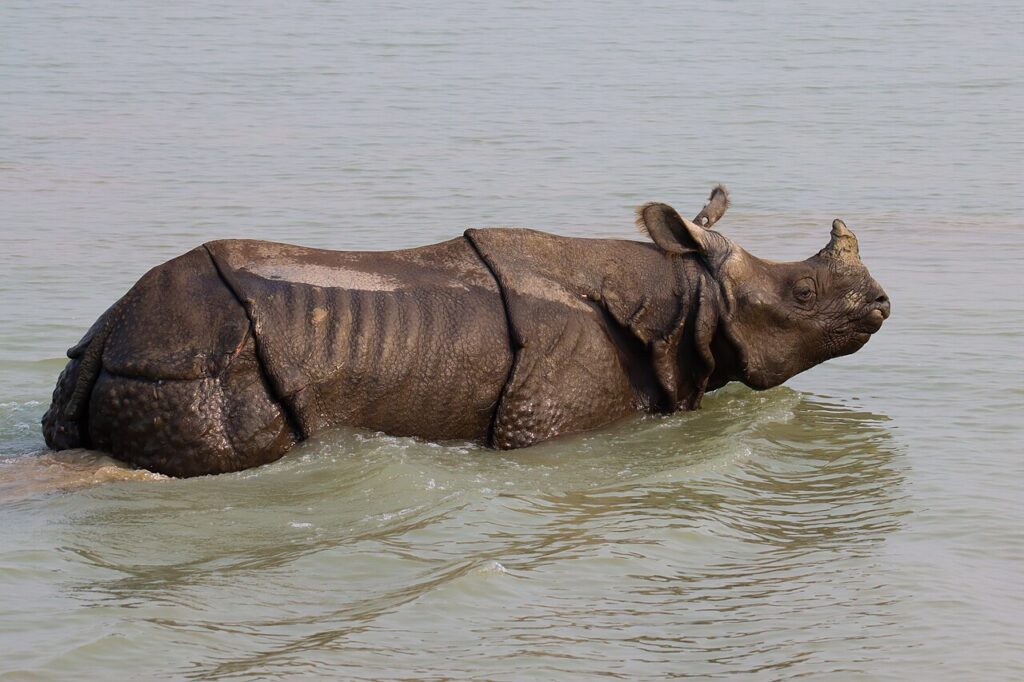
Locals recommend taking the morning walk over the afternoon because you’ll see rhinos emerging from cover and hear peacocks calling across the misty clearings. Travelers often discover that walking safaris provide a completely different perspective from the jeep rides common in Chitwan. You’ll smell the damp earth, hear the rustle of leaves as a sambar deer bolts, and feel the adrenaline when your guide points to a fresh tiger track only minutes old. The experience is raw and humbling, and you’ll return to your lodge with a new respect for the wild. For a deeper commitment, consider a multi-day walking trip into the park’s remote western sector, available through Tiger Tops Karnali Lodge for around NPR 12,000 per person per day.
Activity #1: Canoe Ride on the Karnali River
When your legs need a break from walking, climb into a dugout canoe and let the Karnali River carry you past gharial basking sites and cliffs where pallas’s fish eagles perch. You’ll meet your boatman at the Ghat (riverbank) near the park entrance in Thakurdwara at 7 AM sharp; the ride lasts about two hours and drifts downstream through a narrow channel flanked by dense forest. The difficulty is easy—you just sit and scan the banks. Cost is NPR 2,000 per person (about USD 15) and includes life jackets. The best months are November to March when the river is low and calm. Most operators are local cooperatives; you can book through Bardiya Jungle Cottage or directly at the boat stand. Every paddle stroke brings you closer to the chance of spotting the rare Gangetic dolphin—locals report seeing them here more frequently than in Chitwan. A tip: ask for a sunrise trip; the light on the water and the hooting of langurs waking up will stay with you forever.
Activity #2: Jeep Safari in the Core Zone
For covering maximum ground and ticking off the big five (tiger, rhino, elephant, leopard, sloth bear), a jeep safari is your bet. You’ll depart from the park headquarters at 6:15 AM or 2:30 PM, with a maximum of six guests per open-top vehicle. The route varies daily based on animal sightings reported by the ranger station. You’ll spend four to five hours bumping along dirt tracks through tall grassland and mixed forest. The cost is NPR 3,500 per person (around USD 27) for a group tour, or NPR 5,500 for a private jeep. You can book a day in advance at the Bardiya National Park Office. The difficulty is easy—you sit and scan; bring a dust mask if it’s dry. Seasoned travelers prefer the afternoon safari because tigers often emerge from the heat to cool at waterholes. Insider tip: ask your driver to check the Bishnuli trail near the Babai River, where a resident male tiger has been photographed for three years running. Your guide will also point out interpretive signs along the route explaining the park’s history since its establishment as a royal hunting reserve in 1976, later upgraded to a national park in 1988.

Aerial shot of the Khaura River and the tree canopy, Bardiya National Park., Bardiya National Park, Nepal
Refuel: Where Adventurers Eat
After a morning of tracking pugmarks and paddling past gharials, your appetite will be fierce. Here’s where locals and guides fill their bellies.
- Wild Wild Cafe, Thakurdwara – A favorite among naturalists for their massive dal bhat (NPR 650, all-you-can-eat) and fresh mola (river fish) curry. Opens daily at 7 AM, perfect for a pre-safari breakfast of eggs, chapati, and ginger tea. The owner Bir Singh is a former park guide who can give you the latest trail intel.
- Karnali River Lodge Restaurant – Sit on a wooden deck overlooking the river and order the camp-style chicken stew (NPR 550) or the vegetarian thali (NPR 400). They serve cold Everest beer and will pack you a lunch box for a full-day trek. The lodge is a 10-minute walk from the park gate.
- Bardiya Jungle Cottage Kitchen – Known for rustic set meals cooked on a wood fire, their kofta curry and roti (NPR 450) is a hit with returning guests. Try the “jungle feast” (NPR 800) served family-style with seasonal greens and chutney. Book an hour ahead during peak season (October–April).
Base Camp: Where to Stay
Active travelers need lodging that prioritizes early breakfasts, gear storage, and proximity to trailheads.
- Bardiya Jungle Cottage – Five minutes from the park entrance, this eco-lodge offers wood-lined rooms with solar hot water (starting at NPR 2,200/night, about USD 16). They serve breakfast from 5:30 AM and can arrange a packed lunch. The owner Rabin is a former park ranger who runs a walking safari school. Book on Booking.com
- Tiger Tops Karnali Lodge – A higher-end option with a treehouse vibe, set in the buffer zone. Rates start at NPR 12,000/night (USD 90) including full board and one guided activity. They offer mountain bikes for free and have a secure gear room for binoculars and cameras. Check rates
- Hotel Jungle Nepal – Budget-friendly rooms from NPR 1,000/night (USD 7.50) with fans and shared bathrooms. It’s a 15-minute walk from the park, but the owner will drive you to the gate at dawn. They store your luggage while you do overnight treks. See availability
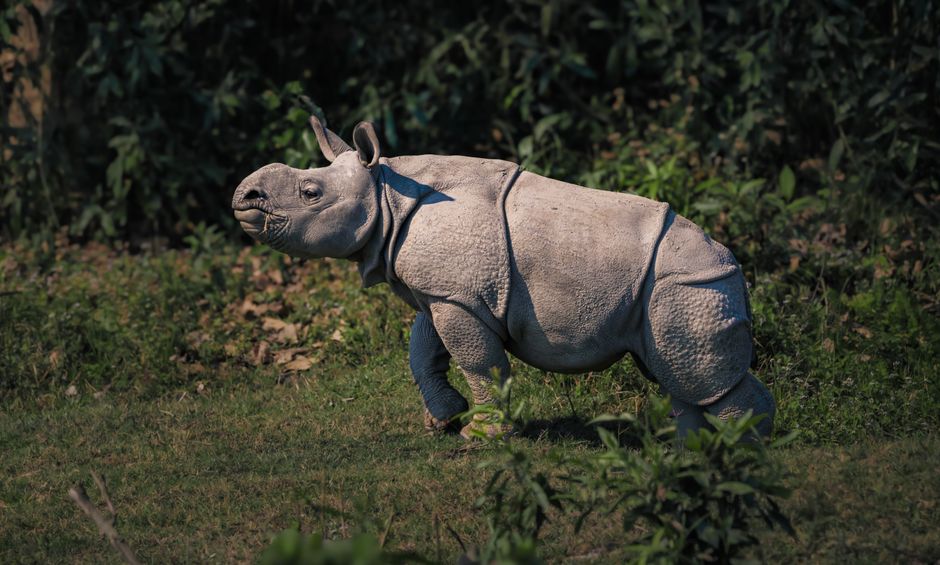
Close-up of a young Indian rhinoceros grazing in its natural habitat during…, Bardiya National Park, Nepal
Gear & Prep Checklist
- Binoculars (8×42 or 10×42) – cheap ones won’t cut it in low-light forest
- Waterproof daypack with rain cover – sudden afternoon showers can soak everything
- Lightweight long-sleeved shirt and pants (earth tones) – camouflage is not required but bright colors spook animals
- Insect repellent (DEET 30% or picaridin) – you’ll have close encounters with leeches after rain
- Sturdy walking shoes with good tread – many trails are muddy even in dry season
- Fitness requirement: comfortable walking 6 km with light pack; no technical skills needed
- Safety: always stay within arm’s length of your guide; never leave the trail; carry a whistle for emergencies
Getting There & Around
- Flights: Fly from Kathmandu to Nepalgunj Airport (45 minutes). Airlines include Buddha Air and Yeti Airlines, costing USD 120–150 one-way. Book at Skyscanner
- Local Transport: From Nepalgunj, take a shared jeep or local bus to Thakurdwara (1.5 hours, NPR 300–500). Alternatively, hire a private taxi for NPR 3,000 (USD 22). Bicycles are available for rent in Thakurdwara from NPR 800 per day.
- Best Season: October to April. Avoid monsoon (June–September) when trails are closed and rivers flood. December and January offer crisp mornings and good tiger visibility.
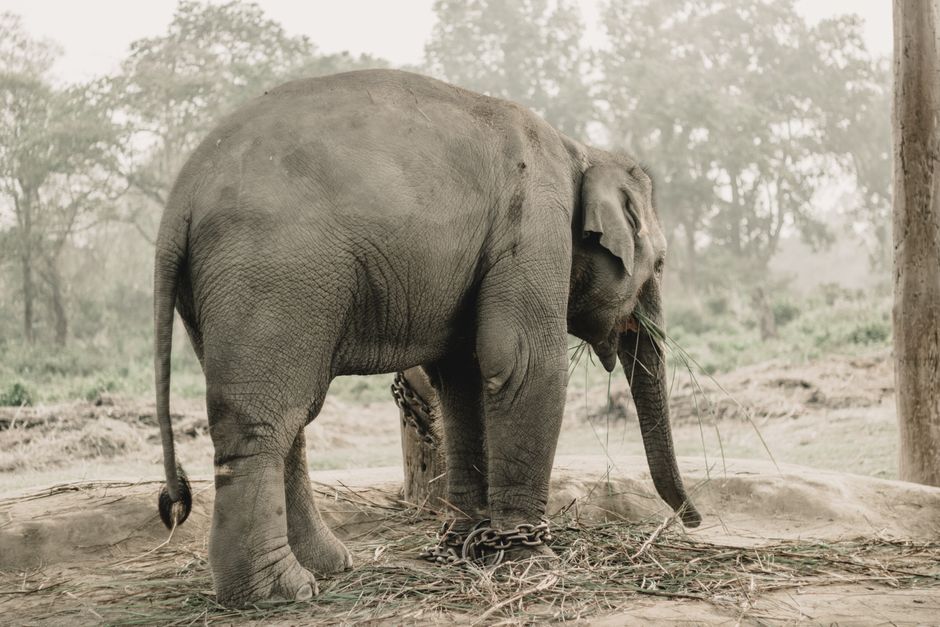
Asian elephant standing outdoors in Chitwan National Park, Bardiya National Park, Nepal
Is Bardiya National Park, Nepal Worth It?
Bardiya delivers an authentic wilderness experience that Chitwan, with its jeep convoys and resort crowds, simply cannot match. If you’re an adventurer who wants to feel the jungle rather than view it through a tour bus window, you will love Bardiya. The walking safaris are unparalleled—you’ll get closer to rhinos and tigers on foot than you ever could in a vehicle. The downside: facilities are basic, and animal sightings require patience and a bit of luck. Birdwatchers and solo travelers will find it a paradise; families with very young children might prefer the ease of Chitwan. For those who value raw adventure over comfort, Bardiya is without question the most rewarding wildlife destination in Nepal. Your best bet is to spend at least three nights here—two full days of walking and one day of canoe or jeep exploration. You’ll leave with a sunburn, tired legs, and memories that no photo can capture.

