
Tari, Papua New Guinea on a Budget: a Living Culture for $45/Day (2026)
While a one-hour cultural show in Bali can cost you $50, in Tari, you can spend an entire day immersed in the authentic, daily life of the Huli Wigmen—one of Papua New Guinea’s most iconic tribes—for the price of a shared meal and genuine connection. This isn’t a performance; it’s a profound, personal exchange. Your budget stretches incredibly far here, not on luxury, but on life-changing human experiences you simply cannot buy anywhere else.
The Honest Budget Breakdown
| Expense | Bare Bones | Comfort Budget | Splurge Day |
|---|---|---|---|
| Accommodation | $15 – A basic bed in a shared room at a local guesthouse like Ambua Lodge’s budget bunkhouse. | $35 – A private room with a shared bathroom at a community-run lodge like Tari Gap Lodge. | $80 – A traditional roundhouse stay with a host family, including all meals and guided village access. |
| Food | $10 – Self-catering from the Tari Market (kaukau/sweet potato, taro, greens) and simple meals at market stalls. | $20 – Mix of market food, hearty plates at the Tari Golf Club, and a local “haus kai” (eatery). | $35 – A specially prepared “mumu” feast (earth oven-cooked pork and veggies) arranged through your lodge. |
| Transport | $5 – Walking around Tari town and hitching respectful rides with locals (offer K5-10 fuel money). | $15 – Hiring a PMV (Public Motor Vehicle) for a half-day to visit a specific village. | $50+ – Chartering a 4WD with a driver/guide for full-day, off-road exploration. |
| Activities | $0 – Free immersion: village walks, market visits, and self-guided birding. | $25 – Village visit fee (often a collective donation) and a small gift for a host. | $100 – Arranging a full-day, personalized cultural experience including a sing-sing (festival) demonstration. |
| Daily Total | $30 | $95 | $265 |
7 Free Things to Do in Tari’s People, Papua New Guinea
- Wander the Tari Market: Your best introduction to daily life. Visit on a weekday morning to avoid the biggest crowds and simply observe. You’ll see bundles of kaukau, vibrant bilums (string bags), and the quiet commerce of the Highlands. It’s a photographer’s dream and costs nothing but your respectful curiosity.
- Birdwatch at the Tari Gap: The Tari Valley is part of the globally significant Eastern Highlands Endemic Bird Area. Simply sit quietly at the gap (the high point on the road) at dawn with binoculars. Travelers often spot magnificent birds of paradise, like the Raggiana, for free, a sight that costs hundreds in organized tours elsewhere.
- Walk the Perimeter of Tari Town: A 90-minute loop gives you a sense of place. Start at the airstrip, walk past the hospital and schools, and see how the town blends into the garden plots and rainforest. You’ll get friendly nods and maybe a conversation starter.
- Visit the Local Church on Sunday: Experience the powerful harmony of Huli hymns. Services are vibrant community gatherings. Dress modestly, sit in the back, and simply listen. It’s a profound window into the fusion of traditional and modern life.
- Sketch or Journal at the Ambua Lookout: Catch a PMV or walk up to the area near Ambua Lodge (you can access the lookout without being a guest). The panoramic view over the misty valleys is legendary and the perfect, free spot for reflection.
- Learn Basic Tok Pisin with Locals: Your best free activity is conversation. Sit at a market stall, buy a drink, and practice phrases. “Moning” (good morning), “Tenkyu” (thank you), and “Em gutpela” (it’s good) will open more doors than any paid guide.
- Photograph the Everyday: With permission always, document the incredible ordinary: children playing, women weaving bilums, men working in gardens. The composition of life here—the colors, the faces, the light—is an endless, free gallery.
Cheap Eats: Where Locals Actually Eat
Forget formal restaurants. Your sustenance comes from the land and the market. At the Tari Main Market, look for the women selling “kaukau mumu” (earth oven-cooked sweet potato) for about K2 ($0.50)—it’s smoky, sweet, and filling. For a hearty, cheap meal, head to the unmarked haus kai near the PMV stop. A massive plate of rice, greens, and a chicken drumstick will cost you K10-15 ($2.50-$4). Locals swear by it for lunch. The Tari Golf Club is a social hub where you can get a solid burger and chips or a steak for around K25 ($7). It’s a splurge by local standards but a budget-friendly taste of the ex-pat and professional community. Finally, always ask your guesthouse if you can buy extra “kumu” (local greens) and tinned fish from their kitchen supplies for a simple, self-cooked dinner for under K5.

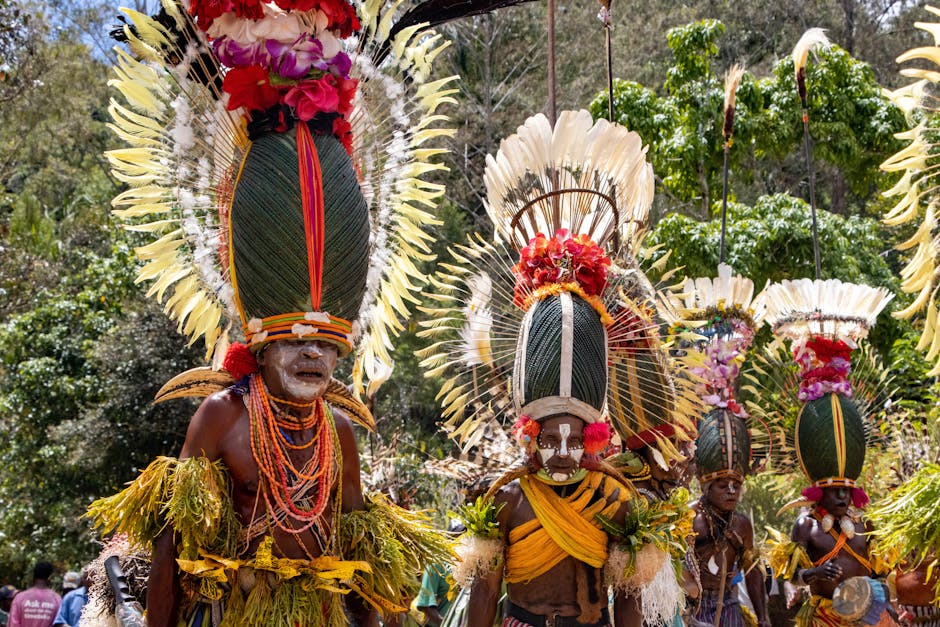
Colorful festival parade featuring participants in traditional attire and h…, Tari’s People, Papua New Guinea
Getting There Without Going Broke
- Cheapest Route: Fly into Port Moresby (POM) on a major carrier. Then, book directly with Air Niugini or PNG Air for a domestic flight to Tari (TIZ). Advance fares can be as low as K300-K400 ($85-$115) one-way. This is non-negotiable; there are no safe overland budget routes into Tari.
- Pro Tip: Flights to Tari are small (Dash-8 planes) and weight-restricted. Book your domestic flight THE SAME DAY you arrive internationally to avoid an expensive night in Port Moresby. Use the 6-8 hour layover to see the PNG National Museum.
- From the Airport: Tari airstrip is a 10-minute walk from town. You can simply walk with your backpack. A taxi (a 4WD) will charge K10-20 ($3-$6) for the same short trip. Your guesthouse may offer a free pickup if arranged in advance.
Compare flights at Skyscanner
Budget Accommodation Guide
True budget hotels don’t really exist here; you’re choosing between guesthouses and lodges. The cheapest, safest area is right in Tari town center, near the market and PMV stop. Ambua Lodge (the budget bunkhouse section, not the famous birding lodge) and Tari Gap Lodge are your best bets. A bed starts at K50 ($15). These are basic: shared bathrooms, cold water, but clean beds and mosquito nets. Booking ahead via a simple phone call is essential. For a more immersive experience, ask at the Tari Visitors & Cultural Centre about homestays in nearby villages like Koroba or Margarima, which can be arranged for K100-150 ($30-$45) per night including meals. You won’t find these on major booking sites; it’s a direct, trust-based arrangement. For planning, check Booking.com for Port Moresby hotels for your layover, and use Airbnb to get a sense of global homestay standards, though listings here are rare.

A senior woman stands smiling amidst vibrant traditional Papua New Guinean …, Tari’s People, Papua New Guinea
Money-Saving Tips Specific to Tari’s People, Papua New Guinea
- Carry Small Notes (K5, K10): Breaking a K50 note for a K2 kaukau is a headache for vendors. Small bills make transactions smooth and show respect.
- Bring a Reusable Water Bottle & Steritabs: Bottled water is expensive (K5-7 each). Your lodge will have a rainwater tank. Use purification tablets and save $3-4 daily.
- Pack a Power Bank: Electricity is unreliable and often generator-run for limited hours. A large power bank ensures your phone/camera stays charged for free.
- Learn “Em hamas?” (How much?): Using Tok Pisin at the market often gets you the local price, not a tourist markup, saving you 20-50% on food and crafts.
- Time Your Visit for a Festival (Sing-Sing): If you can plan around major events like the Tari Show (usually August), you’ll see hundreds of dancers in full regalia for just a small entrance fee (K20), a fraction of the cost of a privately arranged performance.
Is Tari’s People, Papua New Guinea Worth It on a Budget?
Absolutely, but with clear expectations. By going cheap, you miss the curated comfort and guaranteed access of a $300/day guided tour. You might not get a front-row seat to a private wigmen dance. You’ll face logistical hiccups, basic amenities, and you must be fiercely self-reliant and culturally sensitive. However, what you get is raw, real, and priceless: the unscripted smile from a Huli elder you helped with a bag, the shared laughter over your broken Tok Pisin, the profound sense of being a guest, not a customer. The value isn’t in luxury; it’s in authenticity. Compared to the packaged cultural tours of Southeast Asia, Tari offers the genuine article. Your $45 a day buys you a front-row seat to a living, breathing culture. It’s challenging, it’s humbling, and for the right traveler, it’s the best money you’ll ever spend. Pack your patience, your respect, and an open heart.

Dancers in traditional Papuan attire performing under night lights in Jayapura, Tari’s People, Papua New Guinea

