
Tari, Papua New Guinea for Adventurers: 7 Trails That Put the Alps to Shame (2026)
Your boots sink into the black, volcanic mud of the Tari Gap as a cold mist swirls around you. At 2,500 meters, the air is thin and carries the distant, haunting call of a Raggiana bird-of-paradise. You’re not on a manicured path; you’re pushing through moss-draped beech trees on a razor’s-edge ridge, with cloud-veiled valleys plunging away on either side. This is raw, unfiltered trekking where every sense is alive, and the map is written in the land itself.
The Main Event: The Tari Gap & Southern Highlands Trek
This multi-day expedition is the crown jewel of highland adventure. Your journey typically starts in the town of Tari, where you’ll meet your local Huli Wigmen guides. The classic route traverses the Tari Gap to Lake Kopiago, a challenging 5-7 day trek covering roughly 80-100km of extreme terrain. Difficulty is Hard; this is for experienced, fit trekkers comfortable with significant daily elevation changes, river crossings, and basic camping. The cost, including guides, porters, permits, food, and camping gear, ranges from PGK 3,500 to PGK 5,000 (approx. $1,000 – $1,400 USD) per person for a full expedition. The best time of day to start each morning is at first light (around 6:30 AM) to maximize walking before the afternoon clouds and rain roll in.
You must bring broken-in, waterproof hiking boots, a high-quality sleeping bag rated for near-freezing temperatures, a headlamp, and quick-dry layers. The insider tip? Seasoned travelers know to pack a small bag of betel nut to share with village elders you meet along the trail; it’s a profound gesture of respect that opens doors and smiles. The true reward isn’t just the staggering views, but the nights spent in remote Huli villages, sharing stories by the fire in a landscape that feels untouched by time.
Activity #1: Tagari River Whitewater Rafting
For a heart-pounding change of pace from the highlands, you’ll find world-class whitewater on the Tagari River. This is a full-day commitment, starting with a rugged 4WD transfer from Tari at 6 AM to the put-in point near the river’s source. The cost of approximately PGK 800 covers transport, all rafting gear, a skilled guide, and a riverside lunch. You’ll spend 4-6 hours navigating Class III-IV rapids with names like “Dragon’s Breath” and “Huli’s Revenge,” surrounded by dense rainforest. The best operator is PNG Rafting Expeditions, who have over 20 years of experience on these waters. Travelers often discover the adrenaline is matched by serene floats through deep gorges, where you might spot hornbills and colorful parrots. The season runs from May to November, when water levels are optimal. Book directly through their website or via specialist adventure travel agents like Adventure World.
Activity #2: Bird-of-Paradise Photography Safari
Papua New Guinea is the epicenter for birds-of-paradise, and the Tari Valley is home to an incredible diversity, including the magnificent Raggiana and the elusive King of Saxony. Your adventure begins in the pre-dawn darkness (around 4:30 AM), as your local Huli guide leads you to a concealed hide near a known display tree. The cost is typically PGK 300 for a half-day, including guide and permit. The “show” starts at first light, as males perform their bizarre and beautiful dances to attract females—a spectacle of iridescent plumage and strange calls. Locals recommend guides from the Ambua Lodge guide network, as they have unparalleled knowledge of lek sites. You’ll need a camera with a good zoom lens (300mm minimum), a tripod, and immense patience. The peak viewing season is during the drier months of June to October, but displays occur year-round.

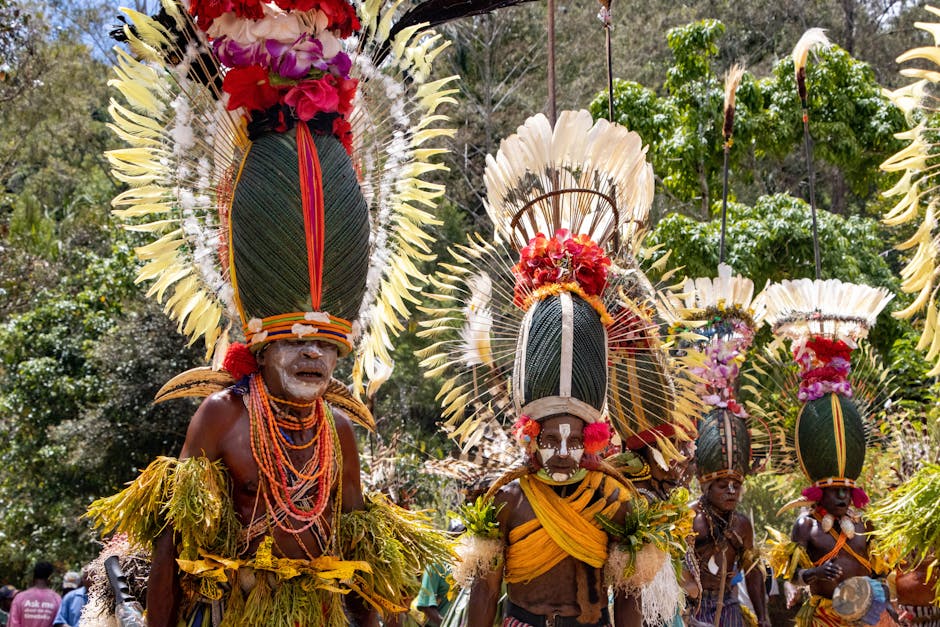
Colorful festival parade featuring participants in traditional attire and h…, Tari’s Oceania, Papua New Guinea
Refuel: Where Adventurers Eat
After a day of trekking, you’ll crave hearty, authentic fuel. In Tari, your best bet is the Tari Lodge Dining Room. It’s the social hub for guides and travelers, serving massive plates of “mumu-style” pork with kaukau (sweet potato) and greens for about PGK 60. For a true local experience, savvy visitors know to ask if Mama’s Kitchen (a small, unmarked stall near the market) is open. She serves the best highlands-style chicken soup with rice, a restorative meal for PGK 25. If you’re staying at Ambua Lodge, their restaurant offers stunning valley views and a set-menu dinner (around PGK 120) featuring European and PNG fusion dishes—their pumpkin soup is legendary. Locals recommend finishing your day with a cup of rich, locally-grown PNG coffee, best enjoyed at your lodge as the evening mist fills the valleys.
Base Camp: Where to Stay
For active travelers, proximity to trails and knowledgeable staff is key. Ambua Lodge is the premier choice, perched on the edge of the Tari Valley. Its location is ideal for early morning birding and trekking departures, and they offer gear storage and packed lunches. Book well in advance via their website or through Booking.com. For a more budget-conscious and community-focused option, Tari Lodge in town is a favorite among independent trekkers. They can arrange guides, provide secure baggage storage, and serve an early breakfast from 5:30 AM. A newer, adventurous option is the Rondon Ridge Lodge, with breathtaking views and direct access to highland trails. All lodges are basic by international standards but offer hot water, clean beds, and the warm hospitality essential after a tough day’s adventure.

A senior woman stands smiling amidst vibrant traditional Papua New Guinean …, Tari’s Oceania, Papua New Guinea
Gear & Prep Checklist
- Waterproof, ankle-support hiking boots: The trails are perpetually muddy and uneven.
- High-quality rain jacket and pack cover: Afternoon downpours are a daily certainty.
- Sleeping bag (0°C to -5°C rating): Nights in the highlands are cold, especially above 2,000 meters.
- Fitness requirement: You should be capable of hiking 6-8 hours daily with a pack over steep, rugged terrain for multi-day treks.
- Safety consideration: Travel with a reputable local guide at all times outside Tari town. They ensure safe passage through tribal lands and are essential for navigation and cultural protocol.
Getting There & Around
- Flights: You’ll fly into Port Moresby (Jackson’s International, POM) from international hubs. From there, take a domestic flight with Air Niugini or PNG Air to Tari (TIZ). These small planes fly over the stunning highlands. Book connecting flights at Skyscanner.
- Local Transport: There are no rental cars. Your lodge will arrange 4WD transfers. For activities, transport is always included with your guide or tour operator. Travelers often discover that the ride to a trailhead is an adventure in itself.
- Best Season: The dry(er) season from May to October offers the most reliable trekking and birding conditions. June to August is considered peak.

A beautiful aerial view of Port Moresby at sunrise, Tari’s Oceania, Papua New Guinea
Is Tari’s Oceania, Papua New Guinea Worth It?
For the adventurer who believes the journey is the destination, Tari is unequivocally worth it. You will find zero luxury, but unparalleled raw experience. This is not a curated Himalayan tea-house trek or a Patagonian circuit with Wi-Fi hotspots. This is frontier adventure, rich with profound cultural encounters and landscapes that defy description. Who will love it? Hardy trekkers, wildlife enthusiasts, and cultural purists seeking an experience far from the tourist trail. Who might not? Travelers needing constant comfort, reliable infrastructure, or predictable itineraries. Compared to better-known alternatives, Tari offers a deeper, more challenging, and more authentic slice of Melanesia. Your specific recommendation? Commit to at least a 7-day trip, hire a local Huli guide from the start, and come with immense flexibility and respect. You’ll return with stories that aren’t just about places, but about the people who call them home.

