
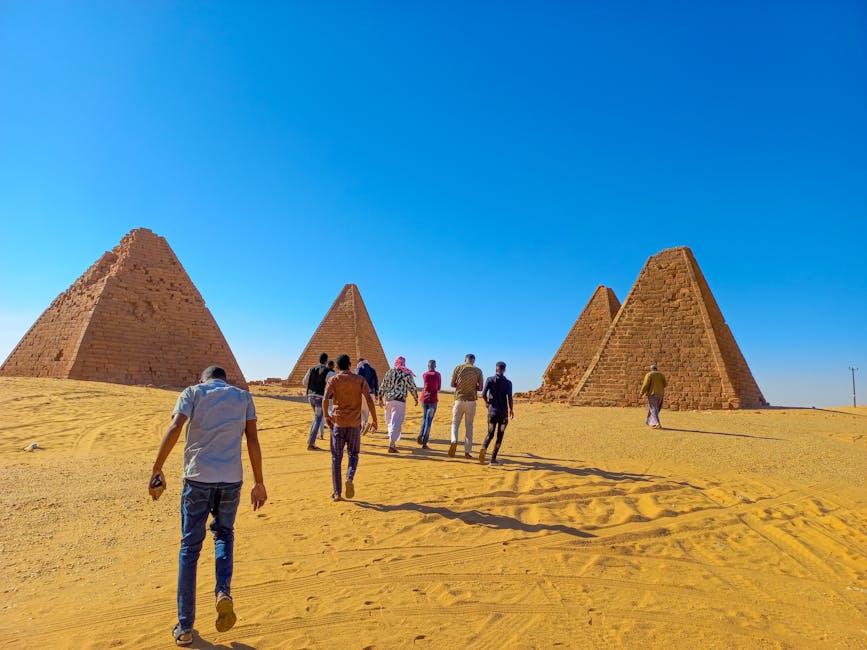
Wadi Halfa, Sudan: Nubian Heritage, Lake Nasser Sunsets & Epic Train Journeys (2026)
While a standard Nile cruise in Egypt can cost hundreds per day, the gateway to Sudan’s Nubian heartland offers a raw, authentic connection to the great river and ancient history for a fraction of the price. In Wadi Halfa, you can watch the sunset over Lake Nasser from a traditional felucca for the price of a soft drink, and a feast of ful medames costs less than a dollar. This is budget travel for the intrepid, where value is measured in profound cultural encounters, not luxury amenities.
The Honest Budget Breakdown
| Expense | Bare Bones | Comfort Budget | Splurge Day |
|---|---|---|---|
| Accommodation | $5 – A basic bed in a shared room at a local guesthouse or the ferry terminal dorm. | $15 – A private, fan-cooled room with a shared bathroom at a clean Nubian guesthouse. | $35 – A private room with AC, en-suite bathroom, and a balcony at the best hotel in town. |
| Food | $3 – Street food only: ful for breakfast, kebab sandwich for lunch, fuul again for dinner with tea. | $7 – Mix of street food and simple local restaurant meals, including grilled fish and fresh juices. | $15 – Multiple restaurant meals, grilled Nile perch (amkal), and treats from the market. |
| Transport | $1 – Walking everywhere in the compact town; haggling for a cheap seat on a local minibus for sights. | $3 – A few short motorcycle taxi (rakasha) rides around town in the heat. | $10 – Hiring a private rakasha driver for a half-day to explore farther sites. |
| Activities | $0 – All free sights: port life, sunset at the lake, exploring the old market ruins. | $5 – Paid entry to the small museum; buying tea to share with locals. | $15 – Arranging a private half-day felucca sail on Lake Nasser. |
| Daily Total | $9 | $30 | $75 |
7 Free Things to Do in Wadi Halfa, Sudan
- Witness the Weekly Ferry Arrival: If your timing is right (the ferry from Aswan typically arrives on Mondays), the port becomes a spectacle. You can spend hours watching the chaotic, colorful unloading of goods, vehicles, and passengers. It’s a masterclass in logistics and community, and the energy is utterly captivating.
- Sunset at the Lake Nasser Shoreline: Walk to the edge of the vast lake as the day cools. The sky erupts in oranges and purples over the water, with the silhouettes of fishing boats and distant hills. Locals often gather here in the evenings, making it a perfect spot for quiet reflection or a friendly chat.
- Explore the Ghostly Old Market Ruins: A poignant and free historical lesson lies in the remnants of Old Halfa, flooded after the construction of the Aswan High Dam in the 1960s. Stroll among the crumbling mud-brick foundations near the lake; it’s a hauntingly beautiful site that speaks to the resilience of the displaced Nubian people.
- Get Lost in the New Market Lanes: The central market is a sensory free-for-all. You’ll weave past sacks of spices, piles of dates, colorful fabrics, and plastic goods. No purchase is necessary to enjoy the vibrant atmosphere and practice your few words of Arabic with smiling vendors.
- Visit the Railway Graveyard: For a unique slice of history, seek out the decaying steam locomotives and carriages on the outskirts of town. These relics from the Anglo-Egyptian Sudan era, some dating back a century, are being slowly reclaimed by the sand. It’s a fascinating and photographic glimpse into a bygone age of transport.
- Share Tea with Shopkeepers: The ultimate free activity is connection. Sit down at a small tea stall or with a shopkeeper who invites you for a break. The sweet, strong Sudanese chai (shai) costs them pennies, but the conversation and cultural exchange are priceless. Travelers often discover this is where they learn the most.
- Stargaze from the Rooftop: With minimal light pollution, the night sky over the desert is staggering. Find a safe rooftop at your guesthouse or a clear spot away from lights, and simply look up. The Milky Way is often vividly clear, a dazzling free show that has guided Nubians and travelers for millennia.
Cheap Eats: Where Locals Actually Eat
Your diet in Wadi Halfa will be simple, hearty, and incredibly cheap. The culinary star is **ful medames**, a stew of fava beans served for breakfast and dinner. For the authentic experience, head to the cluster of simple outdoor kitchens near the market just after dawn or around 6 PM. A massive, filling plate of ful with bread and salad costs about 100 SDG (roughly $0.20). Point to the bubbling pots to choose your style.
For lunch, look for the **grilled meat stalls** along the main market street. A skewer of kofta or chicken liver, wrapped in fresh flatbread with tomato and onion (a “sandawitch”), makes a delicious and protein-packed meal for 200-300 SDG ($0.40-$0.60).
For a sit-down meal, **Abu Ahmed Restaurant** (no sign, ask any local) near the telecom building is a bare-bones canteen serving the day’s pot—usually a hearty goat or chicken stew with rice or kisra (sorghum pancake). A plate costs around 500 SDG ($1). Wash it down with a glass of fresh, sweet “aradeeb” (tamarind juice) from a market vendor for 50 SDG ($0.10).

Stunning natural rock arch under clear blue skies in Wadi Rum Desert, Wadi Halfa, Sudan
Getting There Without Going Broke
- Cheapest Route: The legendary **weekly ferry from Aswan, Egypt**. The 18-24 hour journey across Lake Nasser is an adventure in itself. A third-class deck ticket costs around $35. You must book in person at the Nile River Port in Aswan a day or two in advance. Bring your own food and water.
- Pro Tip: For the ferry, seasoned travelers prefer to pay a little extra for **second class**, which gets you a padded seat in an indoor cabin (approx. $50). It’s a significant comfort upgrade for a long journey. Always confirm the sailing day at the port, as schedules can shift.
- From the Port: There is no airport. Upon arriving by ferry, your only option is a shared minibus or taxi into town. The distance is short. Haggle firmly but politely; a seat in a shared vehicle should be no more than 100-200 SDG ($0.20-$0.40). Walking with your backpack is possible but arduous in the heat.
Compare flights to nearby hubs like Aswan or Khartoum at Skyscanner
Budget Accommodation Guide
Don’t expect hostels with online booking. Accommodation in Wadi Halfa is basic and arranged on arrival. The cheapest area is **around the port and main market**. Here you’ll find places like **El Salam Hotel** or **Nubian Rest House**, offering dorm-style beds or ultra-basic private rooms for $5-10. Safety is generally good, but secure your valuables.
For more comfort (private room, sometimes with a fan), head to guesthouses in the **residential streets a few blocks back from the lake**. Ask for **Halfa Tourist Hotel** or **Abu Simbel Hotel** (no relation to the temple). These are family-run, and a room costs $10-20. Payment is cash only. Since online booking is rare, your best bet is to ask other travelers on the ferry for the latest recommendations. For other Sudanese destinations, you can use Booking.com and Airbnb.

Explore the magnificent ancient ruins of Naqa, Wadi Halfa, Sudan
Money-Saving Tips Specific to Wadi Halfa, Sudan
- Carry Crisp US Dollars for Your Visa: If getting your visa at the border/port, you must pay in USD. Bills must be **immaculate**—no tears, folds, or marks. A rejected bill can cost you a hefty “fee” to exchange it. This single tip can save you $20-50 in unnecessary hassle.
- Buy a Local SIM Card Strategically: Data is expensive. Instead of buying a full data package, purchase a **Zain or MTN SIM** (about 50 SDG) and then buy small, timed social media bundles (e.g., 1-hour WhatsApp bundle for 15 SDG / $0.03) only when you need to check in.
- Eat Like the Locals, on Their Schedule: Ful is cheapest and freshest at breakfast and dinner. If you try to order it at 2 PM, you’ll likely pay more or get a reheated portion. Aligning your meals with local times maximizes flavor and value.
- Barter for Transport, Not for Tea: Haggling is expected for motorcycle taxis (rakasha) and souvenirs. However, if a local invites you for tea, it is almost always a gesture of hospitality. Offering to pay can be seen as rude. Accept graciously; the social currency is worth more.
- Bring Small Gifts from Home: A tangible tip for exceptional hospitality isn’t always money. Locals recommend small items like **postcards from your country, quality pens, or unique stickers** for children. This builds rapport and can lead to better help and insider advice, saving you money on guides.
Is Wadi Halfa, Sudan Worth It on a Budget?
Wadi Halfa on a budget is not about comfort; it’s about raw, unfiltered experience. You’ll miss air conditioning, gourmet food, and reliable WiFi. What you get is something far rarer: direct access to the enduring warmth of Nubian culture, a front-row seat to a vital trade crossroads, and the profound sense of adventure that comes from traveling where few tourists go. The value is astronomical if your currency is authentic human connection and stark, beautiful landscapes. Compared to the packaged Nile experience upriver, Wadi Halfa offers the soul of the river, not just the view. For the budget traveler seeking the road less traveled, it is absolutely, unequivocally worth it. Pack your patience, your sense of humor, and an open heart—you’ll trade dollars for memories that last a lifetime.

Stunning natural rock arch in Jordan under a clear blue sky, Wadi Halfa, Sudan
Related Guides
Explore more destinations similar to Wadi Halfa:

