
Gorongosa’s Wildlife, Mozambique: Epic Rewilding, Rare Species & Raw African Wilderness (2026)
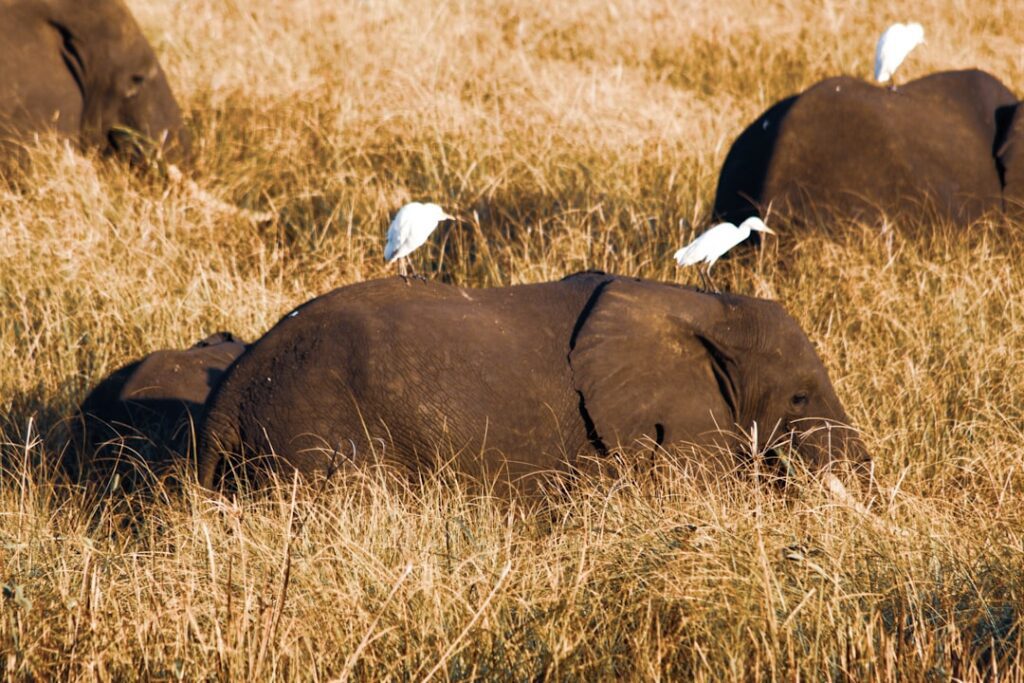
What if one of Africa’s greatest wildlife stories wasn’t on the Serengeti? In the 1960s, Gorongosa National Park was dubbed the “Place Where Noah Left His Ark,” teeming with over 2,000 lions, 14,000 buffalo, and countless elephants. By the 1990s, after a devastating civil war, over 90% of its large mammals were gone. Today, thanks to one of the planet’s most ambitious rewilding projects, you can witness a living ecosystem being rebuilt before your eyes, where a single game drive might reveal a pride of lions, a pack of rare African wild dogs, and a herd of elephants that remember the war.
Why Gorongosa’s Wildlife, Mozambique Stands Out

Brown leafless tree on brown sand during daytime, Gorongosa’s Wildlife, Mozambique
- Historic Architecture: The iconic Chitengo Camp, originally built in the 1960s, serves as the park’s historic heart, where you can still see the original lodge structure that hosted celebrities and royalty before the war.
- Cultural Scene: The annual “Gorongosa Coffee Festival” celebrates the park’s community partnerships, where local farmers from Mount Gorongosa showcase their shade-grown arabica, vital to reforesting the park’s watershed.
- Local Specialties: Don’t miss Matapa, a rich, creamy stew of cassava leaves, ground peanuts, and coconut milk, often served with prawns or fish from the park’s Lake Urema.
Pro Tip: Your best bet for wildlife viewing is the dry season from May to October, but savvy travelers know the “secret season” is late October to November. The first rains bring explosive greenery, newborn animals, and less than half the visitors of peak season, all while rates are lower.
Map of Gorongosa’s Wildlife, Mozambique
Use these interactive maps to explore Gorongosa’s Wildlife, Mozambique and plan your route:
📍 View Gorongosa National Park on OpenStreetMap
🗺️ Open Gorongosa National Park in Google Maps
Planning Your Trip: Practical Essentials
Getting There and Around
- By Air: Most travelers fly into Beira International Airport (BEW), a 2-3 hour drive from the park. LAM Mozambique Airlines offers connections from Johannesburg and Maputo. Pre-book a 4×4 transfer with your lodge. Book flights at Skyscanner for best deals.
- By Train: While not direct, an adventurous route involves the Beira-Bulawayo railway to the town of Inchope, followed by a road transfer. It’s more for the experience than efficiency. Reserve tickets at Trainline or the national railway website.
- By Car: A 4×4 is mandatory. The main access is via the EN1 from Beira to Inchope, then the EN103 to Vila Gorongosa and the park gate. Roads can be rough, especially after rains. Compare car rentals at RentalCars.com.
- Local Transport: Within the park, your only options are guided game drives in lodge vehicles or your own 4×4. Self-driving is permitted but requires a mandatory ranger guide (approx. $50/day).
Best Time to Visit
Gorongosa’s seasons dramatically shift the experience. The dry winter offers prime wildlife spotting at waterholes, while the green season brings stunning landscapes and birdlife.
| Season | Weather | Highlights |
|---|---|---|
| Dry Season (May–Oct) | Sunny, warm days (25-30°C), cool nights. Virtually no rain. | Best for big cat sightings as animals congregate at water sources. Peak tourist season with guaranteed wildlife action. |
| Wet Season (Nov–Apr) | Hot, humid with frequent afternoon thunderstorms (30-35°C). | Lush, photogenic landscapes, migratory birds, fewer visitors, and lower rates. Some roads may be impassable. |
| Shoulder (Late Oct/Nov & Apr) | Transitional; unpredictable short rains or late storms. | A sweet spot: good wildlife, emerging greenery, and minimal crowds. Ideal for photographers. |
Budgeting for Gorongosa’s Wildlife, Mozambique

A scenic landscape with a large, unique rock formation., Gorongosa’s Wildlife, Mozambique
| Category | Budget | Mid-range | Luxury |
|---|---|---|---|
| Accommodation | $50-100/night (camping or basic safari tent) | $200-400/night (comfortable lodge tent with en-suite) | $600+/night (premium all-inclusive safari camp) |
| Meals | $15-25/day (self-catering or camp restaurant) | $50-75/day (lodge meal plans) | Included (luxury camp all-inclusive rates) |
| Transport | $50/day (park fees & guide for self-drive) | $100-150/day (shared game drives) | $300+/day (private vehicle & guide) |
| Activities | $20-50 (guided walks, community visits) | $75-150 (specialist birding drives, sunset cruises) | $200+ (helicopter flights over Mount Gorongosa) |
| Daily Total | $135-225 | $425-725 | $1100+ |
Top Attractions and Must-See Sights
| Attraction | Description | Hours | Entry Fee |
|---|---|---|---|
| Lake Urema Floodplain | The park’s beating heart, a vast seasonal lake attracting thousands of waterbirds, hippos, and herds of waterbuck. | Accessible on game drives (6 AM-6 PM) | Included in park fee |
| Mount Gorongosa | A sacred, biodiverse mountain rainforest (1,863m) with waterfalls, rare orchids, and the source of the park’s rivers. | Hikes start 7 AM; 4-6 hour round trip | $25 guided hike fee + park fee |
| Community Cafés & Markets | Vinho (near the gate) and Nhanfisse (near the floodplain) offer crafts and a chance to meet communities integral to the park’s success. | 9 AM – 4 PM daily | Free to visit (crafts $5-50) |
| The “Lion House” Ruins | Eerie remains of a 1960s research station, now a poignant symbol of the park’s past and a hotspot for lion sightings at dusk. | Accessible on game drives | Included in park fee |
3-Day Itinerary: Gorongosa’s Wildlife, Mozambique’s Highlights & Hidden Gems
Day 1: Arrival & Floodplain Introduction
- Morning: Arrive at Chitengo Camp by 10 AM. After check-in, join an 11 AM guided walk (approx. $30) around camp with a naturalist to learn about the park’s history and smaller ecosystems.
- Afternoon: 3 PM shared afternoon game drive ($80) focusing on the Lake Urema floodplain. Look for hippo pods, crocodiles, and the iconic “Gorongosa” waterbuck. Dinner at the Chitengo Restaurant—try the Peri-Peri Chicken.
- Evening: Attend the 8 PM nightly “Talk by the Fire,” where researchers often share stories about the park’s rewilding, from wild dog packs to collared lions.
Day 2: Predators, Prey & A Sacred Mountain
- Morning: 5:45 AM sunrise game drive ($90) to the Vunduzi area, prime territory for the park’s growing lion pride and elusive leopards. Pack a picnic breakfast served in the bush.
- Afternoon: Visit the Vinho Community Café to buy crafts. Then, take a guided 2 PM hike (4 hours, $25) into the lower slopes of Mount Gorongosa to see the stunning Murombodzi Waterfall and coffee plantations.
- Evening: Sundowner drinks at the “Fish Eagle Bar” overlooking a waterhole, followed by a buffet dinner featuring local Matapa stew.
Day 3: Birds, Boats & Departure
- Morning: 6 AM specialist birding drive ($100) along the Nhandugue River. Gorongosa boasts over 400 species, including the rare Böhm’s bee-eater and the majestic African fish eagle.
- Afternoon: After lunch, take a 2 PM boat safari on the Pungue River (seasonal, $75) for a unique perspective and excellent elephant viewing. Return to Chitengo for a final coffee from the Gorongosa Project blend.
- Evening: Depart for Beira or enjoy one last night drive (bookable separately, $120) to spot nocturnal creatures like civets, genets, and bushbabies.
Cultural Insights & Etiquette
- Language: Portuguese is official; Sena and Ndau are local languages. Learn “Bom dia” (Good morning), “Obrigado/a” (Thank you), and “Parque Gorongosa é lindo” (Gorongosa Park is beautiful).
- Customs: Always greet people before asking questions. It’s respectful to ask permission before photographing local community members. The mountain is sacred; follow your guide’s lead on respectful behavior there.
- Tipping: For guides, $10-15 per person per day is standard. For lodge staff, a collective tip box is often available. In communities, purchase crafts directly as support.
- Dress Code: Neutral, earth-toned clothing (khaki, green, beige) is best for game drives. Modest dress is appreciated when visiting villages—cover shoulders and knees.
- Business Hours: Park gates open 6 AM-6 PM. Lodges operate 24/7. Shops in local villages typically close for a few hours in the early afternoon.
Where to Eat: Gorongosa’s Wildlife, Mozambique’s Best Bites
Dining in Gorongosa is a lodge-based experience, focusing on fresh, often locally sourced ingredients. Meals are social events, with buffets or set menus fostering conversation among travelers about the day’s sightings.
Must-Try Local Specialties
- Matapa: The national dish. You’ll find an excellent version at the Chitengo Camp buffet, where the cassava leaves are simmered for hours with coconut and peanuts.
- Piri-Piri Prawns: Freshwater prawns from local rivers, grilled with fiery piri-piri sauce. Best enjoyed at the outdoor BBQ nights at Muzimu Camp.
- Gorongosa Coffee: A smooth, shade-grown arabica cultivated on the mountain’s slopes. Buy bags at the park shop or savor it freshly brewed at any lodge.
Restaurant Recommendations by Budget
| Type | Restaurant | Specialty | Price Range |
|---|---|---|---|
| Budget | Chitengo Camp Cafeteria | Hearty buffet meals with local and international options, perfect after a long drive. | $15-25 per meal |
| Mid-range | Montebelo Gorongosa Lodge Restaurant | À la carte dining with a view, featuring upgraded takes on Mozambican classics. | $30-50 per meal |
| Fine dining | Muzimu Camp Bush Dinner | Private, lantern-lit dinners in a remote spot of the bush, with a personalized menu. | Part of all-inclusive rate ($600+/night) |
Where to Stay
Accommodation ranges from rustic to luxurious, all designed with low environmental impact. Staying inside the park is essential for the full experience. Compare prices and book at Booking.com or Airbnb for apartments in nearby towns like Vila Gorongosa.
Best Neighborhoods for Accommodation
- Chitengo Area: The historic park headquarters. Pros: central location, multiple dining options, budget-friendly camping. Cons: less secluded. Perfect for first-time visitors and self-drivers.
- Floodplain Edge (e.g., Muzimu Camp): Remote luxury camps with direct views over Lake Urema. Pros: incredible scenery, exclusive feel, prolific wildlife at your doorstep. Cons: highest price point, requires transfer. Ideal for a splurge and honeymooners.
- Forest Camps (e.g., Montebelo Lodge): Set in riverine forest. Pros: birdlife galore, serene atmosphere, often a pool. Cons: slightly longer drive to central plains. Suits those wanting tranquility and birdwatchers.

A beach with a boat and palm trees, Gorongosa’s Wildlife, Mozambique
FAQs: Your Gorongosa’s Wildlife, Mozambique Questions Answered
1. Is Gorongosa’s Wildlife, Mozambique safe at night?
Inside the park lodges and on guided night drives, it is very safe. You are required to be escorted by staff after dark within camps due to wildlife. Never walk alone at night. Crime is low, but standard precautions apply.
2. What currency is used and are credit cards accepted?
The Mozambican Metical (MZN) is the local currency. US Dollars are widely accepted in parks and lodges. Credit cards (Visa/Mastercard) are accepted at main camps, but always carry cash (USD or Meticais) for community visits, tips, and smaller purchases. ATMs are only in major towns like Beira.
3. How do I get from the airport to the park?
From Beira Airport (BEW), it’s a 2.5-3 hour drive. All lodges offer pre-booked 4×4 transfers ($150-250 one-way for a vehicle). Shared shuttles are rare. Self-driving requires a pre-arranged 4×4 rental. Book airport transfers at GetYourGuide for convenience.
4. Do I need to speak the local language?
Not at all. English is spoken by all guides and lodge staff. Portuguese is useful in local villages, but guides will translate. Learning a few basic greetings in Portuguese or Sena is a wonderful gesture that locals appreciate.
5. What’s the appropriate dress code?
Neutral, comfortable safari wear for game drives. Evenings are smart-casual at lodges—clean trousers and a collared shirt are fine. Solid, closed-toe shoes are essential for walks. Don’t forget a warm layer for early morning drives and a wide-brimmed hat.
Final Thoughts: Gorongosa’s Wildlife, Mozambique Awaits
Gorongosa offers something rare in modern travel: a story of hope you can participate in. This isn’t a static museum of nature but a living, breathing ecosystem writing its comeback chapter. You
Explore More Destinations
- Jozani, Tanzania on a Budget: an Ancient Forest for $35/Day (2026)
- Nsumbu, Zambia on a Budget: Wild Africa for $40/Day (2026)
- Semporna, Malaysia on a Budget: Paradise for $35/Day (2026)
- Khuzestan, Iran on a Budget: Ancient Empires for $30/Day (2026)
- Ngerulmud, Palau on a Budget: Island Majesty for $45/Day (2026)
Ready to Visit Gorongosa’s Wildlife?
Start planning your trip today. Compare hotels, find the best tours, and get insider tips.
Your adventure in Gorongosa’s Wildlife starts here →
Related Guides
Explore more destinations similar to Gorongosa’s Wildlife:
- Tingi Hills, Sierra Leone: Ultimate Rainforests, Rare Wildlife & Sacred Summits (2026)
- North Luangwa National Park, Zambia: Best Walking Safaris, Wild Rivers & Untamed Wilderness (2026)
- Sana’a’s Timeless Beauty, Yemen (2026)
- Tambov Oblast, Russia: Ultimate Countryside Serenity, Imperial History & Soviet-Era Mystique (2026)
{“@context”: “https://schema.org”, “@type”: “FAQPage”, “mainEntity”: [{“@type”: “Question”, “name”: “What is the best time to visit Gorongosau2019s Wildlife?”, “acceptedAnswer”: {“@type”: “Answer”, “text”: “The best time to visit Gorongosau2019s Wildlife depends on your preferences. Generally, the dry season offers the most pleasant weather for sightseeing and outdoor activities.”}}, {“@type”: “Question”, “name”: “How many days do I need in Gorongosau2019s Wildlife?”, “acceptedAnswer”: {“@type”: “Answer”, “text”: “Most travelers spend 3-5 days in Gorongosau2019s Wildlife to see the main attractions. A week allows for a more relaxed pace and day trips.”}}, {“@type”: “Question”, “name”: “Is Gorongosau2019s Wildlife expensive to visit?”, “acceptedAnswer”: {“@type”: “Answer”, “text”: “Gorongosau2019s Wildlife can be visited on various budgets. Accommodation ranges from hostels to luxury hotels, and local restaurants offer affordable dining.”}}]}

