
Parthenon, Greece’s Incredible Marble, Myths & Athenian Majesty (2026)
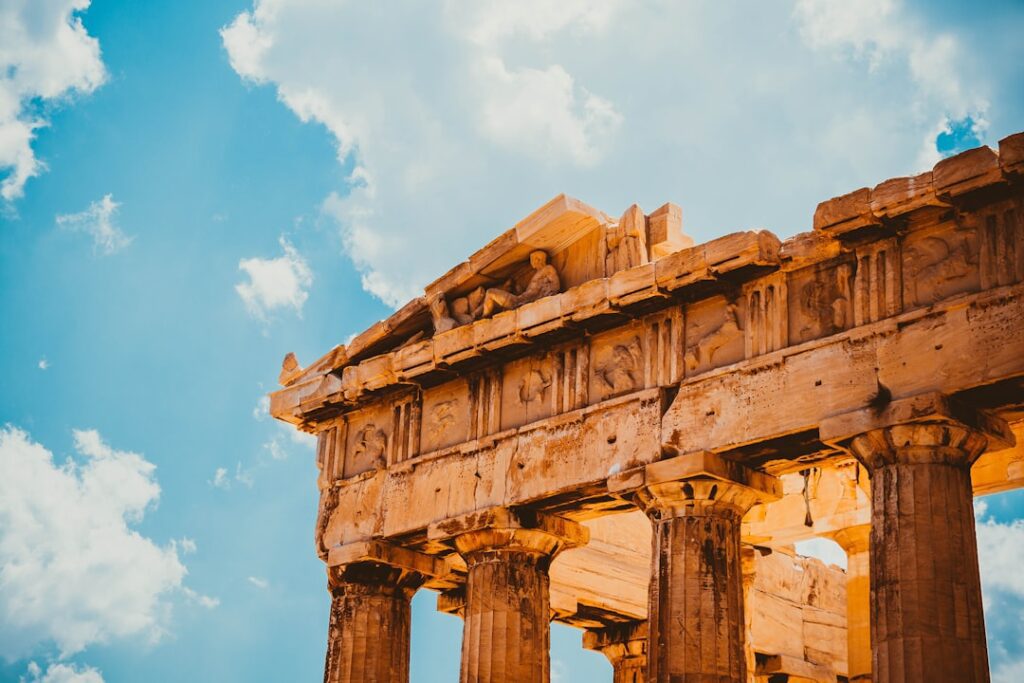
Sunrise over the Acropolis reveals a secret: the Pentelic marble columns of the Parthenon glow with a honeyed warmth, a phenomenon ancient architects engineered by mixing iron with the stone. As the first light hits at 6:15 AM, the 13,400 blocks of this 2,468-year-old temple seem to ignite from within, a daily spectacle witnessed by early-rising travelers who’ve discovered that the real magic happens long before the tour buses arrive.
Why Parthenon, Greece Stands Out

Man standing near ruins during day time, Parthenon, Greece
- Historic Architecture: The Parthenon itself, completed in 432 BC, is the pinnacle of Doric design and a symbol of Athenian democracy and power, built under Pericles.
- Cultural Scene: The Athens & Epidaurus Festival each summer transforms ancient theaters with world-class drama, music, and dance under the stars.
- Local Specialties: You must try a proper Greek salad, or *Horiatiki*, with a slab of feta, plump Kalamata olives, and rich Athenian olive oil.
Pro Tip: Purchase the €30 combined ticket online in advance. It grants five-day access to the Acropolis and six other major archaeological sites, saving you money and allowing you to bypass the longest ticket line. For the smallest crowds, aim for a Tuesday or Wednesday opening at 8:00 AM sharp.
Map of Parthenon, Greece
Use these interactive maps to explore Parthenon, Greece and plan your route:
📍 View Parthenon, Greece on OpenStreetMap
🗺️ Open Parthenon, Greece in Google Maps
Planning Your Trip: Practical Essentials
Getting There and Around
- By Air: Athens International Airport (ATH) is the main hub, 35km east. Aegean Airlines and Olympic Air offer domestic flights. The Metro (Line 3) takes 40 minutes to Monastiraki/Syntagma for €9. Book flights at Skyscanner for best deals.
- By Train: Greece’s rail network is limited; the main station is Larissis. Better connections exist for day trips to places like Kalambaka (for Meteora) via intercity bus. Reserve tickets at Trainline or the national railway website.
- By Car: Driving in central Athens is challenging. Your best bet is to rent a car only for extended day trips. Secure parking near the Acropolis is scarce and expensive. Compare car rentals at RentalCars.com.
- Local Transport: Athens has an excellent, affordable Metro. A 90-minute ticket costs €1.20, and a 5-day tourist pass is €8.20. The Acropolis is a short walk from the Acropoli Metro station (Red Line 2). Check official city transport websites for passes and schedules.
Best Time to Visit
Savvy travelers target the shoulder seasons to balance glorious weather with manageable crowds. Summer brings intense heat and peak tourism, while winter offers a starkly beautiful, crowd-free experience with occasional rain.
| Season | Weather | Highlights |
|---|---|---|
| Summer (Jun–Aug) | Hot & dry, 28°C–35°C (82°F–95°F) | Vibrant festival season, long days, but expect massive crowds and high prices at the Acropolis. |
| Winter (Dec–Feb) | Cool & damp, 8°C–15°C (46°F–59°F) | Dramatic, moody atmosphere with few tourists; some sites have reduced hours, but you’ll have the marble slopes nearly to yourself. |
| Shoulder (Apr–May/Sep–Oct) | Mild & sunny, 18°C–25°C (64°F–77°F) | The absolute sweet spot. Pleasant for climbing the Acropolis, ideal for outdoor dining in Plaka, and perfect light for photography. |
Budgeting for Parthenon, Greece

Woman looking through the Athens, Parthenon, Greece
| Category | Budget | Mid-range | Luxury |
|---|---|---|---|
| Accommodation | Hostel: €25-40/night | Boutique hotel in Plaka: €90-150/night | 5-star hotel with Acropolis view: €300+/night |
| Meals | Souvlaki & gyros: €3-5 | Taverna dinner with wine: €25-40/person | Michelin-starred tasting menu: €100+/person |
| Transport | Metro/Bus daily pass: €4.10 | Occasional taxi rides: €10-15 per trip | Private driver for day: €200+ |
| Activities | Free: Changing of the Guard, Lycabettus Hill hike | Acropolis combo ticket: €30, Museum entry: €12 | Private guided Acropolis tour: €150+ |
| Daily Total | €50-70 | €120-180 | €400+ |
Top Attractions and Must-See Sights
| Attraction | Description | Hours | Entry Fee |
|---|---|---|---|
| The Parthenon (Acropolis) | The iconic temple to Athena, a masterpiece of optical refinement and ancient engineering. | 8:00 AM – 8:00 PM (Summer), closes earlier in winter | €20 (Summer), €10 (Winter) or included in €30 combo ticket |
| Acropolis Museum | A stunning modern museum housing the Parthenon Marbles and artifacts found on the Acropolis slope. | 9:00 AM – 8:00 PM (Fri until 10 PM), closed Tuesdays in winter | €12 (€6 Nov-Mar) |
| Ancient Agora | The heart of classical Athenian public life, featuring the incredibly preserved Temple of Hephaestus. | 8:00 AM – 8:00 PM | Included in €30 combo ticket |
| Temple of Olympian Zeus | These colossal Corinthian columns showcase the scale of ambition in ancient Athens. | 8:00 AM – 3:00 PM (Winter), longer in summer | Included in €30 combo ticket |
3-Day Itinerary: Parthenon, Greece’s Highlights & Hidden Gems
Day 1: Gods of the Acropolis & Anafiotika Alleyways
- Morning (7:30 AM): Beat the heat and crowds to enter the Acropolis at opening. Spend 2 hours exploring the Parthenon, Erechtheion (with its Caryatids), and the Propylaea. The view over Athens from here is unparalleled.
- Afternoon (12:30 PM): Descend into Plaka for a late lunch at **To Kafeneio** on Epicharmou Street for authentic *Moussaka* and grilled octopus. Then, get lost in the hidden village of **Anafiotika**, a Cycladic-style neighborhood clinging to the Acropolis slope.
- Evening (7:00 PM): Visit the Acropolis Museum to see the artifacts in context. For dinner, head to **Kuzina** in Thissio for creative Greek cuisine and a direct view of the illuminated Acropolis.
Day 2: Agoras, Markets & Sunset Views
- Morning (9:00 AM): Explore the **Ancient Agora** (€30 combo ticket) and the superb Museum of the Ancient Agora inside the reconstructed Stoa of Attalos. Then, wander through the bustling **Monastiraki Flea Market**.
- Afternoon (1:00 PM): Grab a legendary souvlaki at **Kostas** on Pentelis Street (under €5). Then, take the funicular (€7.50 round trip) or hike up **Lycabettus Hill** for a 360-degree panorama of the Athenian basin.
- Evening (6:30 PM): Watch the sunset from **Areopagus Hill**, the rocky outcrop just below the Acropolis entrance where St. Paul once preached. For dinner, experience the vibrant **Psiri** district at **Taverna tou Psiri** for live music and rustic plates.
Day 3: Coastal Escape & National Treasures
- Morning (9:00 AM): Take the Tram (Line T7 from Syntagma, €1.20) 30 minutes to the **Athens Riviera**. Get off at **Edem** station for a swim or coffee by the sea.
- Afternoon (1:00 PM): Return to the city for lunch at **Avocado** in Pangrati for healthy, vegetarian-friendly Greek fare. Then, visit the **National Archaeological Museum** (€12), home to the Mask of Agamemnon and breathtaking Antikythera mechanism.
- Evening (7:00 PM): Enjoy a final stroll through the National Garden. For a memorable farewell dinner, book a table on the rooftop of **A for Athens** in Monastiraki for cocktails and a night-time Acropolis view.
Cultural Insights & Etiquette
- Language: Greek is the official language. Learn a few phrases: *Yasas* (Hello/Goodbye), *Efharisto* (Thank you), *Parakalo* (Please/You’re welcome). English is widely spoken in tourist areas.
- Customs: A firm handshake is common. Locals often greet friends with a kiss on both cheeks. When visiting churches, dress modestly and behave respectfully.
- Tipping: Service is usually included, but it’s customary to round up the bill or leave 5-10% for good service in restaurants. For taxis, round up to the nearest euro.
- Dress Code: Comfortable walking shoes are non-negotiable for the Acropolis’ marble paths. Shoulders and knees should be covered when entering monasteries and many churches.
- Business Hours: Shops typically open 9 AM-2 PM, close for siesta, and reopen 5:30 PM-8:30 PM. They are closed Sundays. Major museums close on Mondays or Tuesdays; always check ahead.
Where to Eat: Parthenon, Greece’s Best Bites
Athenian cuisine is a celebration of fresh, local ingredients. You’ll move from bustling *mezedopoleia* (small plates tavernas) to sophisticated modern eateries, always with the mantra of *”philoxenia”* (hospitality). Don’t just eat; make a meal an event.
Must-Try Local Specialties
- Souvlaki & Gyros: Not fast food, but a cultural institution. The pork or chicken, wrapped in warm pita with tzatziki, tomatoes, and onions, is a perfect meal. **Kostas** near Syntagma is a legendary spot.
- Fresh Grilled Fish: Head to the Mikrolimano harbor in Piraeus. Choose your fish by weight at a taverna like **Vosporos** and have it simply grilled with lemon and olive oil.
- Bougatsa: A flaky phyllo pastry filled with sweet custard or savory minced meat. The best is found at **Bougatsadakis** in Psiri for a morning pick-me-up.
Restaurant Recommendations by Budget
| Type | Restaurant | Specialty | Price Range |
|---|---|---|---|
| Budget | O Thanasis (Monastiraki) | Iconic, no-frills souvlaki and kebabs | €5-10 per person |
| Mid-range | Mani Mani (Makrigianni, near Acropolis Museum) | Elevated Peloponnesian cuisine in a chic setting | €25-40 per person |
| Fine dining | Hytra (On top of the Onassis Foundation) | Michelin-starred modern Greek tasting menus with breathtaking views | €100+ per person |
Where to Stay
Your neighborhood choice defines your Athenian experience. Plaka is picturesque and central, Koukaki is trendy and quieter, and Syntagma is ideal for business and luxury. Compare prices and book at Booking.com or Airbnb for apartments.
Best Neighborhoods for Accommodation
- Plaka: The “Neighborhood of the Gods” at the Acropolis foot. Charming, labyrinthine, and full of tavernas, but can be noisy and touristy. Perfect for first-time visitors who want to be in the heart of history.
- Koukaki: Just south of the Acropolis, this is a local, up-and-coming area with cool cafes, boutique shops, and easy walking access to major sites via the pedestrian Dionysiou Areopagitou street. Ideal for a more authentic vibe.
- Syntagma: Centered around Parliament and the main square. This is the business and transport hub, with high-end hotels, major shops, and the Airport Metro line. Best for luxury seekers and those prioritizing convenience.

A view of the part of the part of the part of the part of the, Parthenon, Greece
FAQs: Your Parthenon, Greece Questions Answered
1. Is Parthenon, Greece safe at night?
Athens is generally a safe city. The areas around the Acropolis, Plaka, Monastiraki, and Syntagma are well-patrolled and lively into the evening. As in any major city, practice standard caution: be aware of your belongings in crowded places, stick to well-lit streets, and avoid the quieter, dimly-lit areas of Omonia at night.
2. What currency is used and are credit cards accepted?
Greece uses the Euro (€). Credit and debit cards are widely accepted in hotels, restaurants, and larger shops. However, you should always carry some cash for smaller tavernas, market stalls, taxis, and tips. ATMs are readily available.
3. How do I get from the airport to the city center?
You have three main options. The **Metro (Line 3, Blue)** takes 40 minutes to Syntagma/Monastiraki, runs every 30 mins, and costs €9 (€18 round-trip). The **Express Bus (X95)** goes to Syntagma Square in 60+ minutes for €5.50. A **taxi** has a fixed fare of €38 (day) or €54 (night) to the city center. Book airport transfers at GetYourGuide for convenience.
4. Do I need to speak the local language?
Not at all. English is very commonly spoken, especially in tourism, hospitality, and among younger Athenians. Locals always appreciate any attempt at Greek
Explore More Destinations
- Jozani, Tanzania on a Budget: an Ancient Forest for $35/Day (2026)
- Nsumbu, Zambia on a Budget: Wild Africa for $40/Day (2026)
- Semporna, Malaysia on a Budget: Paradise for $35/Day (2026)
- Khuzestan, Iran on a Budget: Ancient Empires for $30/Day (2026)
- Ngerulmud, Palau on a Budget: Island Majesty for $45/Day (2026)
Ready to Visit Parthenon?
Start planning your trip today. Compare hotels, find the best tours, and get insider tips.
Your adventure in Parthenon starts here →
Related Guides
Explore more destinations similar to Parthenon:
- Ahvaz, Iran’s Best Bridges, Ancient Rivers & Fiery Flavors (2026)
- Barra de Valizas, Uruguay’s Hidden Dunes, Starlight & Bohemian Soul (2026)
- Suzhou, China’s Ultimate Canals, Classical Gardens & Silk Heritage (2026)
- Murmansk, Russia’s Epic Arctic Lights, Soviet History & Northern Soul (2025)
{“@context”: “https://schema.org”, “@type”: “FAQPage”, “mainEntity”: [{“@type”: “Question”, “name”: “What is the best time to visit Parthenon?”, “acceptedAnswer”: {“@type”: “Answer”, “text”: “The best time to visit Parthenon depends on your preferences. Generally, the dry season offers the most pleasant weather for sightseeing and outdoor activities.”}}, {“@type”: “Question”, “name”: “How many days do I need in Parthenon?”, “acceptedAnswer”: {“@type”: “Answer”, “text”: “Most travelers spend 3-5 days in Parthenon to see the main attractions. A week allows for a more relaxed pace and day trips.”}}, {“@type”: “Question”, “name”: “Is Parthenon expensive to visit?”, “acceptedAnswer”: {“@type”: “Answer”, “text”: “Parthenon can be visited on various budgets. Accommodation ranges from hostels to luxury hotels, and local restaurants offer affordable dining.”}}]}

