
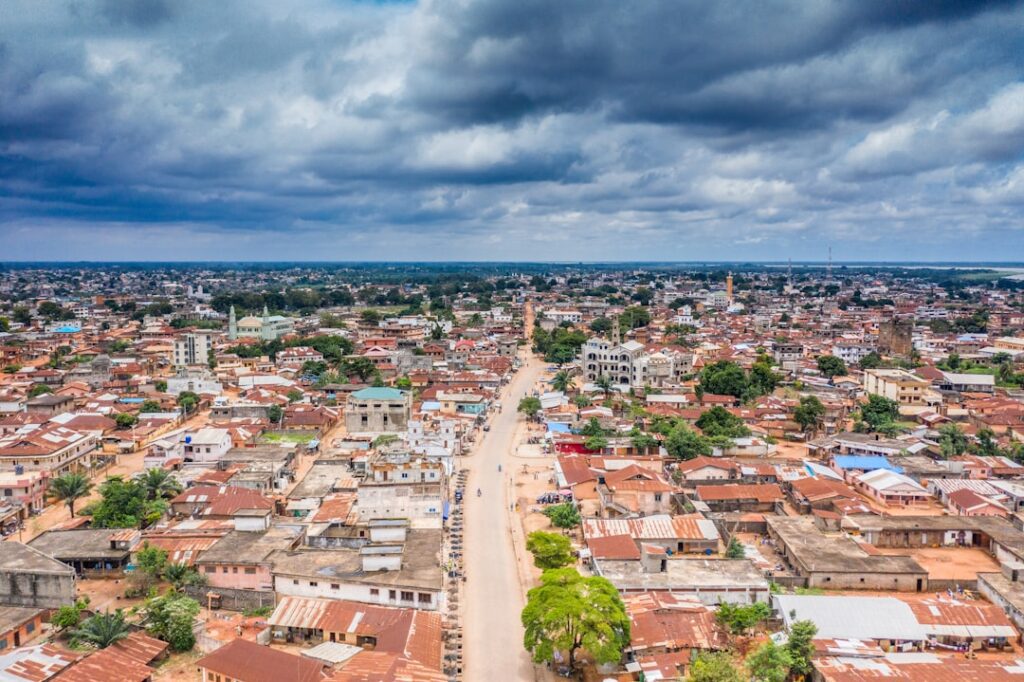
Cotonou, Benin’s Epic Voodoo, Vodun & Vibrant Markets (2026)
Sunrise over the Nokoué Lake reveals a city moving to its own rhythm: a flotilla of wooden pirogues gliding toward the stilted village of Ganvié, the scent of smoked fish and fresh akassa corn dough mingling with diesel fumes, and the rhythmic clatter of thousands of moto-taxis known as “zemidjans.” This is Cotonou, a city of profound contrasts where ancient Vodun traditions pulse beneath a modern, commercial surface, offering a gateway to West Africa’s soul that few travelers fully explore.
Why Cotonou, Benin Stands Out

A fisherman casts his net on the water., Cotonou, Benin
- Historic Architecture: The 1913 Cotonou Cathedral, with its striking red-and-white striped exterior, is a landmark of French colonial influence and a testament to the city’s layered history.
- Cultural Scene: The annual International Vodun Festival on January 10th transforms the city with sacred ceremonies, vibrant masks, and dances, offering a rare, authentic glimpse into the world’s spiritual birthplace.
- Local Specialties: You must try “Poulet DG” (Director General’s Chicken), a celebratory dish of fried plantains, chicken, and vegetables in a rich sauce, symbolizing Beninese hospitality.
Pro Tip: Visit during the dry season from November to February for the best weather, but for a truly unique cultural immersion, time your trip for early January to witness the Vodun Festival. Avoid the heavy rains of May to July, when many outdoor activities become challenging.
Map of Cotonou, Benin
Use these interactive maps to explore Cotonou, Benin and plan your route:
📍 View Cotonou, Benin on OpenStreetMap
🗺️ Open Cotonou, Benin in Google Maps
Planning Your Trip: Practical Essentials
Getting There and Around
- By Air: Cadjehoun Airport (COO) is the main international gateway, served by airlines like Air France, Ethiopian Airlines, and ASKY. A taxi to the city center costs about 3,000-5,000 XOF ($5-$8). Book flights at Skyscanner for best deals.
- By Train: The Benin-Niger Railway connects Cotonou to Parakou in the north. The journey is more an experience than efficient transport, taking about 12 hours for the 440km trip. Reserve tickets at Trainline or the national railway website.
- By Car: Driving from Lagos, Nigeria takes about 3-4 hours via the border at Seme-Krake. In town, parking is informal. Compare car rentals at RentalCars.com, though hiring a local driver is often wiser.
- Local Transport: The ubiquitous “zemidjan” moto-taxi is the fastest way around; a short ride costs 200-500 XOF ($0.30-$0.80). Agree on the price before you get on. For longer trips, shared taxis (“taxi-brousse”) and private cabs are available.
Best Time to Visit
Cotonou has a tropical climate with two rainy and two dry seasons. Savvy travelers aim for the long dry season for optimal exploration, though the short dry season offers its own lush beauty.
| Season | Weather | Highlights |
|---|---|---|
| Long Dry (Nov–Feb) | Warm, 24-31°C (75-88°F), low humidity, Harmattan winds possible | Peak season, ideal for all sightseeing, Vodun Festival in Jan, comfortable for market exploring |
| Short Dry (Aug–Sep) | Hot, 25-32°C (77-90°F), occasional showers | Fewer tourists, vibrant green landscapes, good for photography, some humidity |
| Rainy (Mar–Jul & Oct) | Hot, 26-30°C (79-86°F), heavy, frequent downpours | Lowest prices, indoor cultural sites still accessible, travel to rural areas can be difficult |
Budgeting for Cotonou, Benin

A young boy listening to headphones in a room, Cotonou, Benin
| Category | Budget | Mid-range | Luxury |
|---|---|---|---|
| Accommodation | 10,000-15,000 XOF ($16-$25) for a basic guesthouse | 25,000-50,000 XOF ($41-$82) for a comfortable hotel with AC | 70,000+ XOF ($115+) for international chain or top boutique hotel |
| Meals | 1,500-3,000 XOF ($2.50-$5) for street food or maquis | 5,000-10,000 XOF ($8-$16) for a restaurant meal | 15,000+ XOF ($25+) for fine dining with wine |
| Transport | 1,000-2,000 XOF ($1.60-$3.30) daily on zemidjans | 5,000-10,000 XOF ($8-$16) for taxi day trips | 25,000+ XOF ($41+) for private car & driver |
| Activities | Free (beaches, markets), museums ~2,000 XOF ($3.30) | Ganvié tour ~15,000 XOF ($25), guided city tour | Private Vodun ceremony guide, multi-day northern excursions |
| Daily Total | 15,000-25,000 XOF ($25-$41) | 40,000-70,000 XOF ($66-$115) | 120,000+ XOF ($197+) |
Top Attractions and Must-See Sights
| Attraction | Description | Hours | Entry Fee |
|---|---|---|---|
| Ganvié Stilt Village | Explore the “Venice of Africa,” a centuries-old lake community of 30,000 people built entirely on stilts. | Pirogue tours run 8 AM – 5 PM | ~15,000 XOF ($25) for a 2-hr pirogue tour |
| Dantokpa Market | West Africa’s largest open-air market, a sprawling, sensory overload of fabrics, fetishes, food, and everything in between. | Daily, 7 AM – 7 PM (best early AM) | Free (budget for shopping!) |
| Fondation Zinsou (Ouidah) | A world-class contemporary African art museum housed in a beautiful villa, just a 45-minute drive away in Ouidah. | 10 AM – 6 PM, Closed Mon | 1,000 XOF ($1.60) |
| The Door of No Return (Ouidah) | A powerful memorial arch on the beach marking the departure point for enslaved Africans during the transatlantic slave trade. | 24/7 (visit at sunset for reflection) | Free |
3-Day Itinerary: Cotonou, Benin’s Highlights & Hidden Gems
Day 1: City Pulse & Sacred History
- Morning (7-9 AM): Beat the heat at the colossal Dantokpa Market. Navigate the labyrinth of stalls selling everything from Nokoué Lake fish to vibrant “pagne” fabrics and traditional Vodun artifacts. Your best bet is to go with a local guide to avoid getting lost.
- Afternoon (12-3 PM): Visit the iconic Cotonou Cathedral, then head to Maquis Le Galant near the marina for a lunch of grilled capitaine fish with alloco (fried plantains).
- Evening (6-8 PM): Stroll along the Boulevard de la Marina as the sun sets, then enjoy a dinner of fresh seafood at La Chaumière, a popular spot with locals.
Day 2: Lake Life & Artistic Soul
- Morning (8 AM): Take a pirogue tour to Ganvié (15,000 XOF). Witness the morning routines of this incredible aquatic city, visit the floating market, and learn how the Tofinu people adapted to their environment centuries ago.
- Afternoon (1 PM): Return to shore and have a late lakeside lunch at Restaurant La Paillote in Abomey-Calavi, famous for its Poulet DG.
- Evening (6 PM): Take a 45-minute shared taxi (1,500 XOF) to Ouidah. Explore the Python Temple (a small donation expected) and walk the poignant 4km Slave Route to the Door of No Return at dusk.
Day 3: Culture, Crafts & Coastal Farewell
- Morning (9 AM): In Ouidah, visit the exceptional Fondation Zinsou museum. Then, browse the Artisanal Center for high-quality, fixed-price crafts like bronze statues and appliqué textiles.
- Afternoon (12 PM): Enjoy lunch at Chez Tante Gé in Ouidah for authentic Beninese home cooking. Return to Cotonou and visit the Musée Honmé (The Royal Palace) in Porto-Novo if time allows (30-min drive).
- Evening (6 PM): For your final night, experience a more upscale vibe at L’Atelier in the Haie Vive district for creative Franco-African cuisine, or head to a local “maquis” (open-air eatery) in the Jonquet district for grilled meat and cold La Béninoise beer with the locals.
Cultural Insights & Etiquette
- Language: French is the official language. Learning a few phrases like “Bonjour” (Hello), “Merci” (Thank you), and “Ça va?” (How are you?) is appreciated. In markets, Fon or Yoruba are widely spoken.
- Customs: Greetings are important. Always greet people before asking questions. Use your right hand for eating, shaking hands, and giving/receiving items. Photography of religious ceremonies or sacred Vodun objects is often prohibited—always ask first.
- Tipping: Not mandatory but appreciated. In restaurants, rounding up the bill or leaving 5-10% is fine. For guides and drivers, 1,000-2,000 XOF per day is a good gesture.
- Dress Code: Dress modestly, especially when visiting religious sites, villages, or government buildings. Light, breathable fabrics are best for the climate.
- Business Hours: Generally 8 AM to 12:30 PM and 3 PM to 6:30 PM, Monday to Friday. Many shops close on Sunday. Government offices observe a long lunch break.
Where to Eat: Cotonou, Benin’s Best Bites
Beninese cuisine is a hearty, flavorful blend of staples like corn, yams, rice, and beans, with sauces made from peanuts, tomatoes, and okra, and plenty of fresh fish from the lake and coast. Dining ranges from bustling street-side “maquis” to upscale bistros.
Must-Try Local Specialties
- Poulet DG: Literally “Director General’s Chicken,” this festive dish features fried chicken, plantains, and vegetables in a rich sauce. Try it at Maquis Le Galant or any reputable local maquis.
- Akassa with Gboma Dessi: A fermented corn dough served with a spicy spinach and fish stew. This is a true local breakfast or lunch; find it at the Dantokpa Market food stalls.
- Grilled Capitaine: A firm, delicious fish from Nokoué Lake, often grilled whole and served with piment (hot sauce). La Chaumière on the marina does an excellent version.
Restaurant Recommendations by Budget
| Type | Restaurant | Specialty | Price Range |
|---|---|---|---|
| Budget | Maquis du Port (Jonquet district) | Grilled meats, alloco, local atmosphere | 2,000-4,000 XOF ($3.30-$6.60) |
| Mid-range | Le Jardin de l’Amazone (Haie Vive) | International & Beninese dishes in a garden setting | 6,000-12,000 XOF ($10-$20) |
| Fine dining | L’Atelier Gourmand (Haie Vive) | Creative French-African fusion, excellent wine list | 15,000-25,000 XOF ($25-$41) |
Where to Stay
Accommodation in Cotonou ranges from basic guesthouses to international business hotels. The most convenient areas are near the city center, the Haie Vive diplomatic district, and along the coast. Compare prices and book at Booking.com or Airbnb for apartments.
Best Neighborhoods for Accommodation
- Haie Vive/Jéricho: The quieter, greener diplomatic district with embassies, upscale restaurants, and safer, walkable streets. Ideal for mid-range to luxury travelers and families.
- City Centre (near Marché St. Michel): The bustling heart of commerce, close to major markets and transport hubs. Offers a range of budget and mid-range hotels, but can be noisy. Perfect for adventurous budget travelers.
- Fidjrossè/Cocotiers (Coastal Road): Located along the Route des Pêches, this area offers sea views, beach access, and a mix of hotels and guesthouses. It’s a bit removed from the center, so you’ll rely more on taxis.

A group of men working on a boat on the beach, Cotonou, Benin
FAQs: Your Cotonou, Benin Questions Answered
1. Is Cotonou, Benin safe at night?
General precautions are advised. Avoid walking alone at night in poorly lit or deserted areas. Use registered taxi services or zemidjans from known ranks after dark. Petty crime like pickpocketing can occur in crowded markets, so keep valuables secure. The Haie Vive district is generally considered very safe.
2. What currency is used and are credit cards accepted?
The West African CFA franc (XOF) is the currency. While major hotels, upscale restaurants, and some supermarkets in Cotonou accept Visa/Mastercard, cash is king. ATMs are widely available in the city center. Always carry small bills for markets, transport, and small purchases.
3. How do I get from the airport to the city center?
Official airport taxis are your safest and easiest option. The fixed fare to the city center (Haie Vive/Centre) is approximately 5,000 XOF ($8
Explore More Destinations
- Jozani, Tanzania on a Budget: an Ancient Forest for $35/Day (2026)
- Nsumbu, Zambia on a Budget: Wild Africa for $40/Day (2026)
- Semporna, Malaysia on a Budget: Paradise for $35/Day (2026)
- Khuzestan, Iran on a Budget: Ancient Empires for $30/Day (2026)
- Ngerulmud, Palau on a Budget: Island Majesty for $45/Day (2026)
Ready to Visit Cotonou?
Start planning your trip today. Compare hotels, find the best tours, and get insider tips.
Your adventure in Cotonou starts here →
Related Guides
Explore more destinations similar to Cotonou:
- Ureki, Georgia’s Essential Black Sand, Magnetic Therapy & Rustic Charm (2026)
- Nicosia, Cyprus’s Essential History, Division & Authentic Cypriot Life (2026)
- Njombe, Tanzania: Epic Highland Vistas, German Architecture & Coffee Plantations (2025)
- Lalibela Rock-Hewn Churches, Ethiopia: Stunning Faith, Architecture & Timeless Wonder (2025)
{“@context”: “https://schema.org”, “@type”: “FAQPage”, “mainEntity”: [{“@type”: “Question”, “name”: “What is the best time to visit Cotonou?”, “acceptedAnswer”: {“@type”: “Answer”, “text”: “The best time to visit Cotonou depends on your preferences. Generally, the dry season offers the most pleasant weather for sightseeing and outdoor activities.”}}, {“@type”: “Question”, “name”: “How many days do I need in Cotonou?”, “acceptedAnswer”: {“@type”: “Answer”, “text”: “Most travelers spend 3-5 days in Cotonou to see the main attractions. A week allows for a more relaxed pace and day trips.”}}, {“@type”: “Question”, “name”: “Is Cotonou expensive to visit?”, “acceptedAnswer”: {“@type”: “Answer”, “text”: “Cotonou can be visited on various budgets. Accommodation ranges from hostels to luxury hotels, and local restaurants offer affordable dining.”}}]}

