
Lower Zambezi, Zambia’s Essential Wildlife, Waterways & Wilderness Serenity (2026)
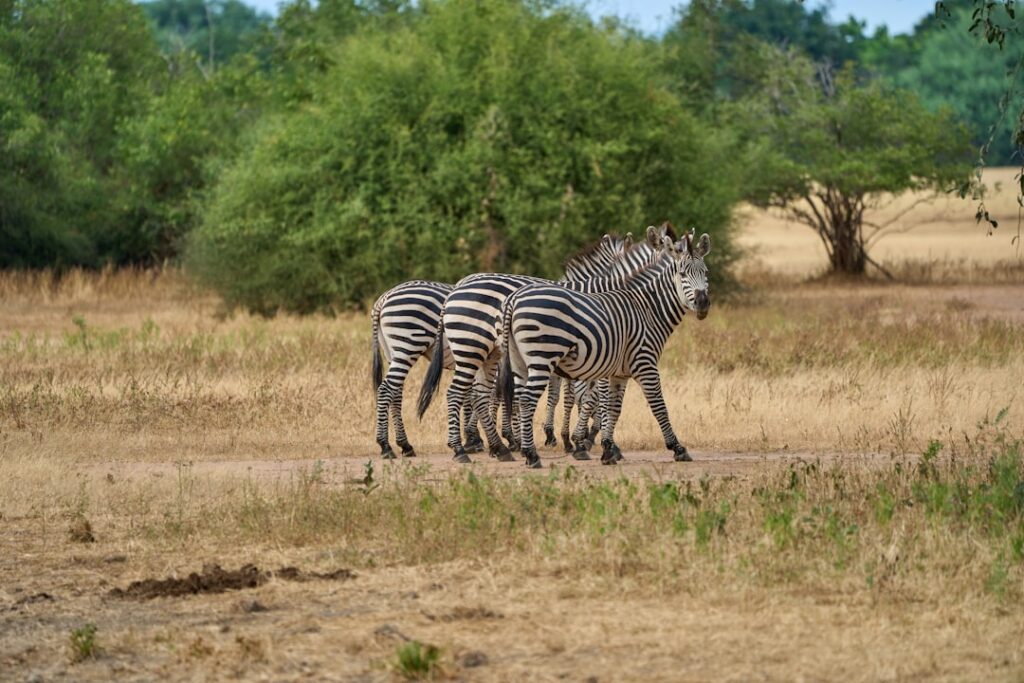
Sunrise on the Zambezi River reveals a world in motion. The first golden light catches the spray from a hippo’s yawn, while a fish eagle’s piercing cry echoes across the 4,092-square-kilometer national park. This isn’t a zoo; it’s one of Africa’s last great wildernesses, where elephants swim between islands and leopards patrol ancient ebony forests. While crowds queue for vehicles in other parks, here your game drive vehicle is often a canoe, offering a silent, water-level perspective most travelers never experience.
Why Lower Zambezi, Zambia Stands Out

A carpenter bee eating something brown., Lower Zambezi, Zambia
- Historic Architecture: The park itself is a monument to conservation, established in 1983 after being the private game reserve of Zambia’s first president, Kenneth Kaunda.
- Cultural Scene: Experience a traditional Tonga village visit to understand the ancient relationship between people and the mighty Zambezi River.
- Local Specialties: Don’t miss trying Kapenta with Nshima—tiny, sundried fish from the river served with Zambia’s staple maize porridge.
Pro Tip: Visit during the dry season (May to October) for the absolute best wildlife viewing, as animals congregate around the river. For a truly unique and more affordable experience, consider the “shoulder” month of November; the landscape is lush, migratory birds are abundant, and lodge rates can be significantly lower, though afternoon showers are possible.
Map of Lower Zambezi, Zambia
Use these interactive maps to explore Lower Zambezi, Zambia and plan your route:
📍 View Lower Zambezi, Zambia on OpenStreetMap
🗺️ Open Lower Zambezi, Zambia in Google Maps
Planning Your Trip: Practical Essentials
Getting There and Around
- By Air: Most visitors fly into Kenneth Kaunda International Airport (LUN) in Lusaka. From there, you’ll take a 30-45 minute charter flight to one of several airstrips in the park like Jeki or Royal. Proflight Zambia is the main domestic carrier. Book flights at Skyscanner for best deals to Lusaka.
- By Train: There are no direct passenger train services to the Lower Zambezi National Park. The area is remote and best accessed by air or a combination of road and boat.
- By Car: A 4×4 is mandatory. The drive from Lusaka takes 2-3 hours to the park gate at Chirundu, followed by rough park tracks. It’s adventurous but challenging. Compare 4×4 rentals at RentalCars.com in Lusaka.
- Local Transport: Within the park, all transport is arranged by your lodge. This includes game drives in open vehicles, boat transfers, and canoeing. There is no public transport.
Best Time to Visit
The park’s rhythm is dictated by the rains. The dry season offers unparalleled game viewing, while the green season paints the landscape in vibrant colors and brings birdlife to its peak, albeit with more challenging wildlife spotting.
| Season | Weather | Highlights |
|---|---|---|
| Dry Season (May–Oct) | Warm, sunny days (25-30°C), cool nights, virtually no rain. | Prime wildlife viewing as animals gather at the river; excellent for canoeing and walking safaris; peak season with higher rates. |
| Green Season (Nov–Apr) | Hot, humid with frequent afternoon thunderstorms (30-35°C). | Lush, photogenic scenery; spectacular birding (over 400 species); lower prices and fewer visitors; some lodges close Jan-Mar. |
| Shoulder (Apr/Nov) | Transitional; warm with chance of late/early rains. | A balance of good game viewing and lower crowds; potential for great value as seasons change. |
Budgeting for Lower Zambezi, Zambia

Two kudus stand in a grassy field., Lower Zambezi, Zambia
| Category | Budget | Mid-range | Luxury |
|---|---|---|---|
| Accommodation | $150-$250/night (basic safari camp) | $400-$700/night (full-board lodge) | $1,000+/night (ultra-luxury all-inclusive) |
| Meals | Included in camp rate | Included in lodge rate | All-inclusive gourmet dining |
| Transport | ~$300 return charter flight from Lusaka | ~$300 return charter flight | Private charter flights included |
| Activities | Included in daily rate | Included (2-3 daily activities) | All-inclusive, bespoke activities |
| Daily Total | $450-$550/day | $700-$1,000/day | $1,300+/day |
*Note: Almost all safaris are booked as all-inclusive packages covering accommodation, meals, park fees, and activities. The daily totals reflect this comprehensive cost.
Top Attractions and Must-See Sights
| Attraction | Description | Hours | Entry Fee |
|---|---|---|---|
| Zambezi River Canoe Safari | A serene, silent way to spot wildlife from water level, paddling past elephants, hippos, and incredible birdlife. | Early morning (6-9 AM) or late afternoon (3-6 PM) | Included in lodge packages |
| Game Drives in the Park | Explore the acacia woodlands and floodplains in open 4×4 vehicles in search of lion, leopard, buffalo, and large elephant herds. | Dawn & Dusk (approx. 3-hour drives) | Park fees (~$25/day) included in packages |
| Walking Safari with an Armed Guide | Experience the bush on foot, learning to track animals and appreciate smaller ecosystems—the most immersive safari experience. | Morning walks (2-3 hours) | Included with expert guides |
| Chongwe River Confluence | Where the Chongwe meets the Zambezi; a stunning spot for sundowners, fishing, and watching animals come to drink. | Accessible all day; best for sunset | N/A |
3-Day Itinerary: Lower Zambezi, Zambia’s Highlights & Hidden Gems
Day 1: Arrival & River Immersion
- Morning: Charter flight from Lusaka to Jeki Airstrip (30 mins, ~$150 one-way). Met by your guide and transfer to your lodge via game drive, spotting your first wildlife en route.
- Afternoon: Settle in with lunch at your lodge. At 3:30 PM, embark on your first activity: a tranquil canoe safari along a calm channel. Your guide will point out malachite kingfishers and monitor lizards.
- Evening: Enjoy a classic “sundowner” drink on the riverbank as the sky turns orange. Return for a communal dinner under the stars at your lodge, sharing stories with other travelers.
Day 2: Bush & Floodplain Exploration
- Morning: Pre-dawn wake-up call for coffee. Depart at 6:00 AM on a walking safari (included). With an armed scout, you’ll learn to identify tracks and spoor, feeling the pulse of the wilderness up close.
- Afternoon: Lunch back at camp, then siesta during the heat of the day. At 4:00 PM, head out on a classic game drive through the acacia forests and onto the Chifungulu Plain, prime territory for spotting predators.
- Evening: A surprise bush dinner set up by your lodge in a remote location, lit by lanterns—a truly magical experience under the African sky.
Day 3: Perspectives & Departure
- Morning: One last early activity—choose between a boat cruise on the main Zambezi channel to see hippo pods or a final focused game drive. Savvy visitors often choose the boat for a different vantage point.
- Afternoon: A leisurely lunch at the lodge before packing. Your guide will transfer you back to the airstrip, often turning the journey into one last mini-game drive.
- Evening: Fly back to Lusaka, or for a seamless connection, consider extending to Victoria Falls (a short charter flight away) to witness another facet of the Zambezi’s power.
Cultural Insights & Etiquette
- Language: The official language is English, widely spoken in lodges. Learning a few Bemba or Tonga greetings like “Muli shani?” (How are you?) is appreciated.
- Customs: Always greet people politely. Use your right hand for giving and receiving items, including money. Ask permission before photographing local people.
- Tipping: Tipping is customary. A general guideline is $10-$15 per guest per day for your guide, and $5-$10 per guest per day for the general camp staff, usually placed in a communal tip box.
- Dress Code: Neutral, earth-toned clothing (khaki, green, brown) is best for safaris. Evenings are smart-casual. Avoid bright white, blue, or black (attracts tsetse flies).
- Business Hours: Safari lodges operate on their own schedules. In nearby towns, standard hours are 8 AM to 5 PM, Monday to Friday.
Where to Eat: Lower Zambezi, Zambia’s Best Bites
Dining in the Lower Zambezi is part of the all-inclusive lodge experience. Meals are often communal, gourmet affairs featuring fresh, locally sourced ingredients and international influences alongside Zambian classics.
Must-Try Local Specialties
- Nshima with Relish: The national staple, a thick maize porridge served with a stew (relish) of vegetables, beans, or meat. Your lodge will likely offer a tasting.
- Fresh Tigerfish: A fierce fighting fish from the Zambezi, often grilled or pan-fried. It’s a firm, white meat and a real treat for anglers and foodies alike.
- Mosi Lager: Zambia’s beloved national beer, perfectly refreshing after a hot game drive. Most lodges have it well-chilled.
Lodge Dining & Unique Experiences
| Type | Experience | Specialty | Price Range |
|---|---|---|---|
| Lodge Dining | All lodges (e.g., Sausage Tree Camp, Chiawa Camp) | Multi-course plated dinners, bush breakfasts, high tea. | Included in stay |
| Bush Dinner | Arranged by your lodge in a remote location | Grilled meats, salads, and desserts under the stars. | Typically included |
| Riverside Lunch | Picnic set up on a sandbank during a morning activity | Fresh salads, cold cuts, and chilled drinks by the water. | Included |
Where to Stay
Accommodation is exclusively in safari camps and lodges along the Zambezi River, ranging from rustic to ultra-luxurious. Location is key—the central park area near the confluence of the Zambezi and Chongwe rivers offers some of the best game viewing. Compare prices and book at Booking.com (for some lodges) or specialist safari tour operators.
Best Areas for Accommodation
- Chongwe River Confluence Area: The most sought-after location. Offers a mix of habitats, incredible wildlife density, and stunning views. Home to top-tier lodges like Chongwe River Camp and Anabezi Camp. Ideal for first-time visitors.
- Central Zambezi Channels: Areas near Old Mondoro or Jeki airstrip. Fantastic for canoeing and water-based activities in the intricate network of lagoons and channels. Perfect for a water-focused safari.
- Lower River Sections: Further downstream, towards the park’s eastern end. Often more remote and exclusive, with a wilder feel. Excellent for fishing and seeing fewer vehicles.

An elephant is partially hidden in the greenery., Lower Zambezi, Zambia
FAQs: Your Lower Zambezi, Zambia Questions Answered
1. Is Lower Zambezi, Zambia safe at night?
Within the confines of your safari lodge or camp, yes, it is very safe. Lodges are unfenced, so you must always follow camp rules: never walk alone at night without an escort, and keep your tent/lodge zipped up. Listen to your guides—they are experts in managing wildlife encounters.
2. What currency is used and are credit cards accepted?
The Zambian Kwacha (ZMW) is the local currency. However, at safari lodges, US Dollars are widely accepted (and often preferred) for settling incidental bills or tips. Major credit cards (Visa, Mastercard) are accepted at most lodges, but connectivity can be intermittent, so carrying some cash in small US dollar denominations is a savvy traveler’s backup plan.
3. How do I get from the airport to the city center?
You’ll bypass the city center entirely. From Kenneth Kaunda Airport (LUN) in Lusaka, you’ll connect to a domestic charter flight directly to an airstrip inside the park. Your lodge handles all transfers from that airstrip. If driving, you’d rent a car and drive 2-3 hours to Chirundu, then into the park. For seamless connections, book your entire safari (including flights) through a reputable tour operator. Book airport transfers in Lusaka if needed at GetYourGuide for convenience.
4. Do I need to speak the local language?
Not at all. English is the official language of Zambia and is spoken fluently by all safari guides and lodge staff. Learning a simple greeting like “Mwabuka buti” (Good morning) in Tonga will earn you warm smiles, but it’s not necessary for communication.
5. What’s the appropriate dress code?
Comfortable, casual, and neutral-colored clothing is the rule. Pack layers for cool mornings and warm days. Closed-toe shoes are essential for walking safaris. Evenings are smart-casual—a collared shirt or blouse and trousers are fine. Absolutely avoid camouflage clothing, as it is associated with the military in many African countries.
Final Thoughts: Lower Zambezi, Zambia Awaits
The Lower Zambezi offers a safari experience defined by its majestic river and profound sense of peace. It’s where you trade vehicle convoys for the gentle dip of a paddle and witness elephants not just walking, but swimming with serene grace. This park demands a bit more effort to reach, but that very inaccessibility is what protects its wild soul. Your best bet is to choose a lodge that aligns with your preferred style—be it adventurous walking, serene canoeing, or classic game drives—and surrender to the river’s timeless rhythm. Don’t rush; the magic here is in the slow, silent moments between the big sightings. Listen for the fish
Related Guides
Explore more destinations similar to Lower Zambezi:
- Toirões, Brazil: Essential Colonial Charm, Waterfall Hikes & Authentic Gaúcho Culture (2026)
- Rizal, Philippines’s Hidden Art, Adventure & Antique Towns (2026)
- Lake Volta, Ghana: Ultimate Water Adventures, Ancient Traditions & Island Secrets (2025)
- Maasai Mara, Kenya: Ultimate The Great Migration, Maasai Culture & Unfiltered Wilderness (2026)


Pingback: Al Jafr, Jordan's Amazing Desert Solitude, Bedouin Heritage & Stargazing (2026) - tangyOcean