
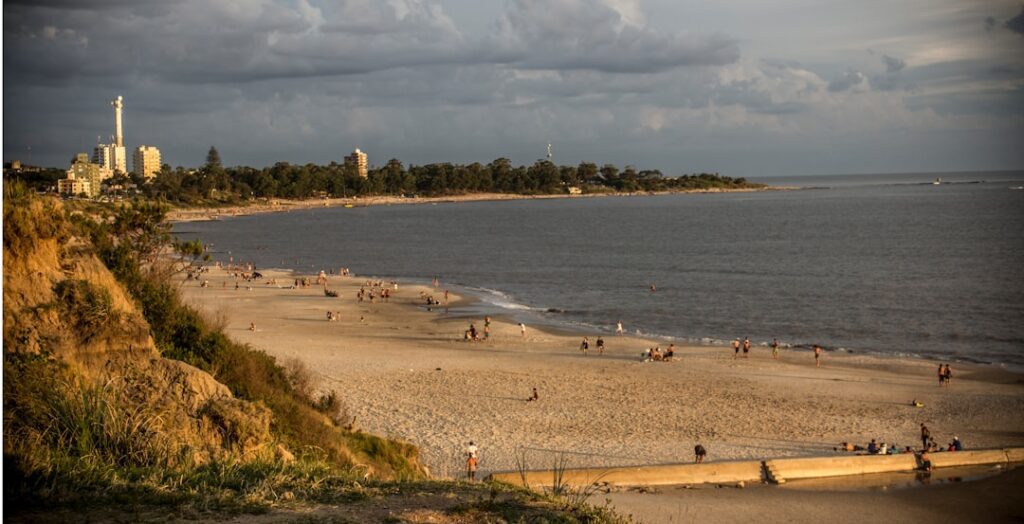
Piriápolis, Uruguay’s Best Beaches, Hills & Belle Époque Charm (2026)
While crowds flock to Punta del Este for its glitzy nightlife, Piriápolis, Uruguay delivers a timeless, family-friendly coastal elegance without the premium price tag. Founded in 1890 by visionary Francisco Piria, this was Uruguay’s first planned resort town, predating its famous neighbor by decades. Today, you’ll find a serene blend of historic thermal baths, a 2,600-foot-long beachfront rambla, and forested hills offering panoramic views of the Río de la Plata, all at a pace that feels refreshingly human.
Why Piriápolis, Uruguay Stands Out

Stunning view of Palacio Salvo in Montevideo, Piriápolis, Uruguay
- Historic Architecture: The iconic Argentino Hotel, opened in 1930, is a monumental castle-like structure that defined Uruguayan seaside tourism and still dominates the coastline.
- Cultural Scene: The annual Fiesta de la Cerveza (Beer Festival) in January transforms the town with German-style beer tents, live music, and a vibrant, communal atmosphere.
- Local Specialties: You must try a “chivito al plato,” Uruguay’s legendary steak sandwich served open-faced with a mountain of toppings, best enjoyed at a simple beachfront parador.
Pro Tip: Visit during the shoulder seasons of March-April or October-November. You’ll enjoy warm, pleasant weather, significantly fewer crowds, and hotel rates can be 40% lower than the peak summer months of January and February.
Map of Piriápolis, Uruguay
Use these interactive maps to explore Piriápolis, Uruguay and plan your route:
📍 View Piriápolis, Uruguay on OpenStreetMap
🗺️ Open Piriápolis, Uruguay in Google Maps
Planning Your Trip: Practical Essentials
Getting There and Around
- By Air: Fly into Carrasco International Airport (MVD) in Montevideo, 100km away. From there, take a direct COT bus (2 hours) or a private transfer. Book flights at Skyscanner for best deals.
- By Train: While scenic tourist trains run occasionally, the regular Tren de los Pueblos Libres from Montevideo is an affordable, authentic experience, taking about 2.5 hours. Check schedules at the AFE railway website.
- By Car: The drive from Montevideo via Interbalnearia Route IB is straightforward (90 mins). Parking is generally easy outside peak summer. Compare car rentals at RentalCars.com.
- Local Transport: The town is very walkable. Local buses (USD $1) connect the beachfront to the hills. Taxis are affordable for trips to nearby attractions like Cerro San Antonio.
Best Time to Visit
Piriápolis has a distinct seasonal rhythm. Summer is vibrant and bustling, while the shoulder seasons offer the best blend of good weather and local tranquility.
| Season | Weather | Highlights |
|---|---|---|
| Summer (Dec–Feb) | Warm, 75-85°F (24-30°C), sunny and humid | Beach life, festivals, open-air markets; very crowded, highest prices. |
| Winter (Jun–Aug) | Cool, 45-60°F (7-15°C), occasional rain | Peaceful, dramatic coastal walks, thermal baths; many seasonal businesses closed. |
| Shoulder (Mar–May & Sep–Nov) | Mild, 60-75°F (15-24°C), pleasant | Ideal for hiking, relaxed dining, and enjoying architecture without the summer bustle. |
Budgeting for Piriápolis, Uruguay

Front view of a historic castle surrounded by palm trees in Piriápolis, Uruguay.
| Category | Budget | Mid-range | Luxury |
|---|---|---|---|
| Accommodation | Hostel/guesthouse: $25-40/night | 3-star hotel/apartment: $70-120/night | Historic hotel suite: $180+/night |
| Meals | Parador lunch: $10-15 | Restaurant dinner: $20-30/person | Fine dining at Argentino Hotel: $50+/person |
| Transport | Local bus: $1/ride | Taxi around town: $5-10 | Private driver for day trips: $150+ |
| Activities | Beach, hiking, rambla walk (Free) | Castillo de Piria tour: $5, Chairlift: $8 | Spa day at thermal complex: $80+ |
| Daily Total | $40-60 | $100-160 | $250+ |
Top Attractions and Must-See Sights
| Attraction | Description | Hours | Entry Fee |
|---|---|---|---|
| Cerro San Antonio & Chairlift | Take the iconic aerial chairlift to the summit for breathtaking 360° views of the coast, islands, and town. | 10:00 AM – 6:00 PM (Summer), weekends only off-season | Chairlift: ~UYU 300 (USD $8) |
| Argentino Hotel | Explore the grand halls and gardens of this 1930s architectural marvel, a symbol of Uruguay’s golden age of tourism. | Public areas accessible daily | Free to explore lobby & grounds |
| Castillo de Piria (Piria’s Castle) | The eclectic, medieval-style mansion of founder Francisco Piria, filled with period furnishings and mysterious legends. | Guided tours at 11:00 AM, 3:00 PM, 5:00 PM (Wed-Sun) | ~UYU 200 (USD $5) |
| Piriápolis Thermal Complex | Relax in the historic thermal baths, fed by natural springs, featuring indoor and outdoor pools and spa treatments. | 9:00 AM – 10:00 PM daily | Day pass: ~UYU 450 (USD $12) |
3-Day Itinerary: Piriápolis, Uruguay’s Highlights & Hidden Gems
Day 1: Belle Époque & The Beachfront
- Morning (9:00 AM): Start with a walk along the Rambla de los Argentinos, the beautiful beachfront promenade. Grab a medialuna (croissant) and coffee from Panadería La Perla.
- Afternoon (1:00 PM): Lunch at Parador La Huella (not to be confused with the famous José Ignacio spot) for a fresh seafood platter right on the sand. Then, tour the Argentino Hotel and imagine its 1930s heyday.
- Evening (7:30 PM): Take the chairlift up Cerro San Antonio for sunset (UYU $8). Descend and have dinner at Pizzeria Don Giovanni on the main avenue for excellent pizza and pasta in a cozy setting.
Day 2: Hills, History & Thermal Waters
- Morning (10:00 AM): Take a taxi to Cerro del Toro for a moderate hike. The summit offers a giant cross and stunning views. The taxi will cost about UYU 300 ($8) each way.
- Afternoon (2:00 PM): Have a rustic lunch at Parador La Posta del Cangrejo near the port. Then, visit the enigmatic Castillo de Piria for the 3:00 PM guided tour (UYU $5).
- Evening (6:00 PM): Unwind at the Piriápolis Thermal Complex with a late-afternoon soak. Afterwards, enjoy a casual dinner of chivitos at El Viejo Marino, a classic, no-frills local favorite.
Day 3: Islands, Markets & Farewells
- Morning (9:00 AM): If it’s a weekend, browse the Feria de los Artesanos (Artisan Market) along the rambla for handmade leather and wool goods. On other days, visit the Puerto de Piriápolis to watch the fishing boats.
- Afternoon (12:30 PM): Take a short boat tour to Isla de Lobos or Isla Gorriti (seasonal, ~UYU 600/$15). Alternatively, relax on Playa San Francisco. For lunch, try the milanesa at Restaurant Español.
- Evening (7:00 PM): Enjoy a final stroll on the pier, Muelle de Pesca, and a farewell dinner at Lo de Tere, known for its homestyle Uruguayan cooking and generous portions.
Cultural Insights & Etiquette
- Language: Spanish is the official language. Key phrases: “Buen día” (Good day), “¿Cuánto cuesta?” (How much?), “La cuenta, por favor” (The bill, please). Locals appreciate the effort.
- Customs: Uruguayans are relaxed but polite. Greet shopkeepers when entering. Mate (herbal tea) is a social ritual; you’ll see people carrying thermoses everywhere—it’s a sign of community.
- Tipping: A 10% tip is customary in restaurants if service isn’t included. For taxis, rounding up the fare is sufficient.
- Dress Code: Casual and comfortable is fine. Bring swimwear, cover-ups for beach-to-town transitions, and good walking shoes for the hills. Smart-casual attire is suitable for nicer hotel restaurants.
- Business Hours: Shops often close for siesta from 1:00 PM to 4:00 or 5:00 PM, especially outside summer. Dinner starts late, typically after 8:30 PM.
Where to Eat: Piriápolis, Uruguay’s Best Bites
Dining in Piriápolis is about hearty, unpretentious Uruguayan classics. The beachfront “paradores” are essential for lunch, while the grid of streets behind the rambla hides traditional family-run “cantinas.”
Must-Try Local Specialties
- Chivito: The national sandwich: thin beef steak, mozzarella, tomatoes, mayo, olives, and often ham and egg, served with fries. Try it at El Viejo Marino.
- Pasta a la Caruso: A Uruguayan-Italian creation of pasta in a creamy sauce with ham and mushrooms. Don Giovanni serves a superb version.
- Fresh Seafood: Look for “corvina” (sea bass) or “merluza” (hake) simply grilled, or a “mariscada” (seafood mix). Parador La Huella on the beach is reliable.
Restaurant Recommendations by Budget
| Type | Restaurant | Specialty | Price Range |
|---|---|---|---|
| Budget | El Viejo Marino (Rambla) | Massive, classic chivitos and milanesas | $10-15 per person |
| Mid-range | Lo de Tere (Giró St.) | Homestyle Uruguayan stews and grilled meats | $20-30 per person |
| Fine dining | Restaurant del Hotel Argentino | Elegant international and Uruguayan cuisine with sea views | $50+ per person |
Where to Stay
Accommodation ranges from historic hotels to modern apartments. Staying near the rambla puts you in the heart of the action, while the surrounding hills offer quieter retreats. Compare prices and book at Booking.com or Airbnb for apartments.
Best Neighborhoods for Accommodation
- Centro / Along the Rambla: The most convenient area. You’re steps from the beach, restaurants, and the chairlift. Can be noisy during summer nights. Ideal for first-time visitors and families.
- Barrio Obrero / West of Centro: A quieter, more residential area with guesthouses and B&Bs. It’s a 10-15 minute walk to the main beach, offering better value and a local feel.
- Cerro San Antonio Slopes: For serenity and stunning views. You’ll need a car or taxi to get to the beachfront, but you’ll wake up to birdsong and panoramic vistas.
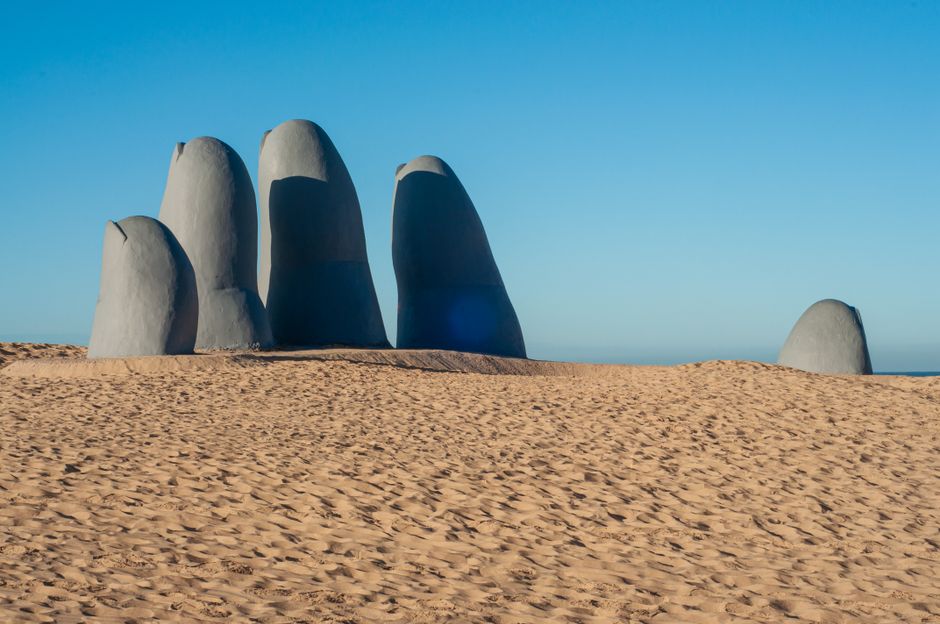
The Hand of Punta del Este sculpture emerges from the sand under a clear bl…, Piriápolis, Uruguay
FAQs: Your Piriápolis, Uruguay Questions Answered
1. Is Piriápolis, Uruguay safe at night?
Yes, Piriápolis is generally very safe. The rambla and main avenues are well-lit and populated in the evenings. As in any town, practice basic caution: stick to central areas at night and keep valuables secure. The overall atmosphere is family-oriented and calm.
2. What currency is used and are credit cards accepted?
The Uruguayan Peso (UYU) is the official currency. Credit cards (Visa, Mastercard) are widely accepted in hotels, larger restaurants, and shops. However, smaller paradores, taxis, and markets often prefer cash. ATMs are readily available along the main avenues.
3. How do I get from the airport to the city center?
From Carrasco Airport (MVD), the most direct option is a COT bus to the Piriápolis terminal (approx. 2 hours, ~UYU 300/$8). Taxis and pre-booked private transfers are more convenient (~$80-100). Book airport transfers at GetYourGuide for convenience.
4. Do I need to speak the local language?
While Spanish is key, in tourist areas like hotels and main restaurants, you’ll often find staff who speak basic English. Learning a few Spanish phrases will greatly enhance your experience and is warmly appreciated by locals.
5. What’s the appropriate dress code?
Uruguayans are stylish but practical. Beachwear is for the beach; cover up with a shirt or dress when walking into town. For dinner, neat casual attire is perfect—men rarely need jackets. Always pack a light sweater or jacket as evenings by the river can be breezy.
Final Thoughts: Piriápolis, Uruguay Awaits
Piriápolis offers a genuine slice of Uruguayan coastal life, wrapped in history and natural beauty. It’s a destination where you can hike a forested hill in the morning, soak in thermal waters in
Explore More Destinations
- Jozani, Tanzania on a Budget: an Ancient Forest for $35/Day (2026)
- Nsumbu, Zambia on a Budget: Wild Africa for $40/Day (2026)
- Semporna, Malaysia on a Budget: Paradise for $35/Day (2026)
- Khuzestan, Iran on a Budget: Ancient Empires for $30/Day (2026)
- Ngerulmud, Palau on a Budget: Island Majesty for $45/Day (2026)
Ready to Visit Piriápolis?
Start planning your trip today. Compare hotels, find the best tours, and get insider tips.
Your adventure in Piriápolis starts here →
{“@context”: “https://schema.org”, “@type”: “FAQPage”, “mainEntity”: [{“@type”: “Question”, “name”: “What is the best time to visit Piriu00e1polis?”, “acceptedAnswer”: {“@type”: “Answer”, “text”: “The best time to visit Piriu00e1polis depends on your preferences. Generally, the dry season offers the most pleasant weather for sightseeing and outdoor activities.”}}, {“@type”: “Question”, “name”: “How many days do I need in Piriu00e1polis?”, “acceptedAnswer”: {“@type”: “Answer”, “text”: “Most travelers spend 3-5 days in Piriu00e1polis to see the main attractions. A week allows for a more relaxed pace and day trips.”}}, {“@type”: “Question”, “name”: “Is Piriu00e1polis expensive to visit?”, “acceptedAnswer”: {“@type”: “Answer”, “text”: “Piriu00e1polis can be visited on various budgets. Accommodation ranges from hostels to luxury hotels, and local restaurants offer affordable dining.”}}]}
Related Guides
Explore more destinations similar to Piriápolis:

