
Mount Everest, Nepal’s Amazing Peaks, Prayer Flags & Sherpa Spirit (2026)
What if the world’s highest mountain was more than a summit? While fewer than 800 people attempt the climb each year, over 40,000 travelers journey to the Everest region to witness its majesty from the ground. This isn’t just about the peak; it’s about the profound cultural landscape it anchors. Here, you’ll find ancient monasteries clinging to cliffs, trails lined with vibrant prayer flags, and a warmth of spirit that stands taller than any altitude.
Why Mount Everest, Nepal Stands Out

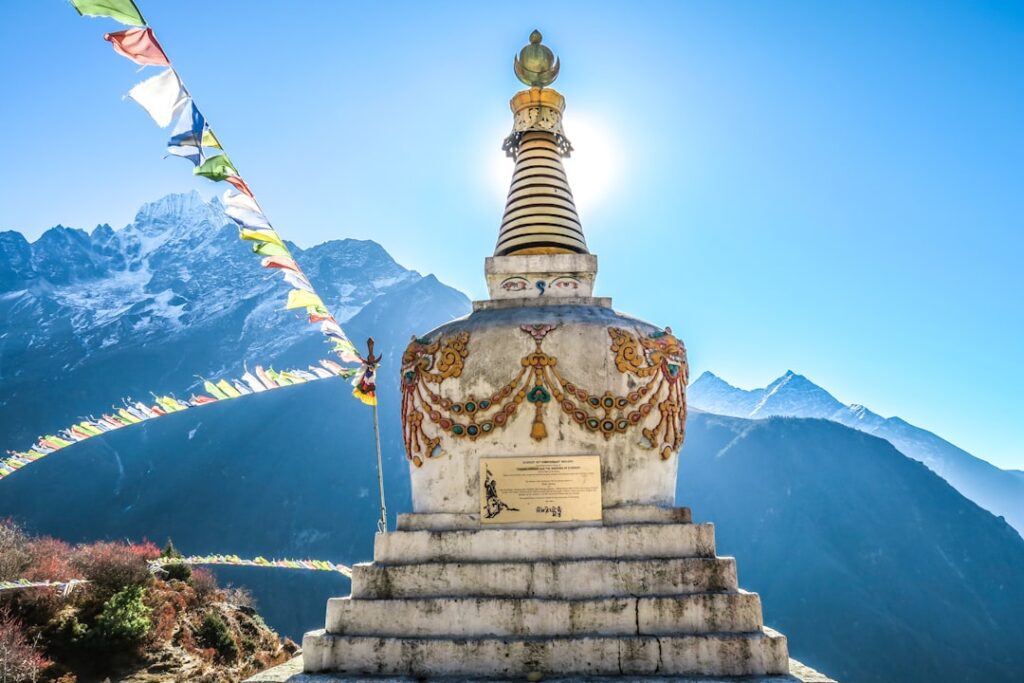
A bunch of flags that are flying in the air, Mount Everest, Nepal
- Historic Architecture: The 17th-century Tengboche Monastery, rebuilt after a 1989 fire, is the spiritual heart of the Khumbu, offering unparalleled panoramic views of Everest, Lhotse, and Ama Dablam.
- Cultural Scene: The vibrant Mani Rimdu festival, held each autumn at Tengboche, features masked dances and sacred ceremonies that bring ancient Buddhist traditions to life.
- Local Specialties: Warm up with a bowl of Sherpa stew, “Shyakpa,” a hearty noodle soup loaded with vegetables and local meat, essential fuel for the high-altitude trails.
Pro Tip: For the clearest skies and most stable weather, aim for the post-monsoon window of late September to November. While popular, you’ll avoid the summer clouds and the intense cold of deep winter. Book your teahouses and flights to Lukla at least six months in advance for this prime season.
Map of Mount Everest, Nepal
Use these interactive maps to explore Mount Everest, Nepal and plan your route:
📍 View Mount Everest, Nepal on OpenStreetMap
🗺️ Open Mount Everest, Nepal in Google Maps
Planning Your Trip: Practical Essentials
Getting There and Around
- By Air: All journeys start with a flight from Kathmandu to Tenzing-Hillary Airport in Lukla, operated by airlines like Tara Air and Yeti Airlines. This 35-minute flight is an adventure in itself. Book flights at Skyscanner for best deals to Kathmandu.
- By Train: Nepal has limited railways. Your overland journey will be by road to Kathmandu from India or via domestic flight. From Kathmandu, the only way to the Everest region is by air or a multi-day trek from Jiri.
- By Car: Driving to the trailhead isn’t possible. The road ends at Salleri or Jiri, from where long treks begin. Most travelers fly to Lukla. Compare car rentals at RentalCars.com for exploring Kathmandu pre-trek.
- Local Transport: Your feet are your primary transport! The entire Everest region is navigated by trekking. Yaks and porters carry gear, and helicopters are available for emergency evacuations or luxury scenic tours.
Best Time to Visit
The trekking seasons are sharply defined by the Himalayan monsoon. Savvy visitors know that timing is everything for clear views and safe trails.
| Season | Weather | Highlights |
|---|---|---|
| Spring (Mar–May) | Mild days (5-15°C), colder nights, stable pre-monsoon weather with occasional afternoon clouds. | Rhododendron forests in full bloom, bustling trails with expedition teams, excellent for photography. |
| Monsoon (Jun–Sep) | Warm, wet, and cloudy with daily rain; trails can be slippery and leech-prone; peak views are rare. | Lush green landscapes, very few tourists, and lower prices; only for experienced, rain-ready trekkers. |
| Autumn (Oct–Nov) | Crisp, clear days (5-10°C), freezing nights (-10°C at altitude), the most stable and popular season. | Postcard-perfect mountain visibility, vibrant festival season, ideal trekking conditions but busy trails. |
| Winter (Dec–Feb) | Intensely cold (-15 to 5°C), with snow closing high passes like Cho La; many teahouses above Namche close. | Extreme solitude, crystal-clear air, and a challenging, serene experience for well-equipped adventurers. |
Budgeting for Mount Everest, Nepal

A man hiking up a rocky mountain with mountains in the background, Mount Everest, Nepal
| Category | Budget | Mid-range | Luxury |
|---|---|---|---|
| Accommodation | $5-15/night (basic teahouse dorm) | $20-40/night (private room in good lodge) | $500+/night (luxury lodge like Yeti Mountain Home) |
| Meals | $15-25/day (dal bhat, noodles) | $30-45/day (mixed menu, occasional treats) | $100+/day (imported foods, full board at luxury camps) |
| Transport | $178 (round-trip KTM-Lukla flight) | $178 flight + porter ($20-25/day) | $178 flight + private guide/porter + helicopter tours ($1000+) |
| Activities | Free trekking, monastery donations ($1-2) | Guided day hikes, museum entries ($5-10) | Scenic helicopter flights to Everest Base Camp or Kalapatthar ($1000+) |
| Daily Total | $40-60/day (excl. flights/permits) | $70-120/day (excl. flights/permits) | $300+/day (excl. major flights/tours) |
Note: You must also budget for permits: Sagarmatha National Park Permit (~$30) and Khumbu Pasang Lhamu Rural Municipality Permit (~$20). A guided tour package for 12-14 days typically ranges from $1200 to $5000+.
Top Attractions and Must-See Sights
| Attraction | Description | Hours | Entry Fee |
|---|---|---|---|
| Kalapatthar (5,545m) | The premier viewpoint for the unobstructed, jaw-dropping sight of Mount Everest’s south face glowing at sunrise. | Always accessible; sunrise visits require pre-dawn start. | Included in National Park Permit |
| Everest Base Camp (5,364m) | Walk among the tent city of global expeditions (spring season); a surreal landscape of ice and ambition. | Accessible during trekking seasons; best Apr-May. | Included in National Park Permit |
| Namche Bazaar (3,440m) | The bustling Sherpa capital, a vibrant hub of shops, bakeries, and the essential acclimatization stop. | Shops: 8 AM – 8 PM; Saturday market starts early. | Free to explore |
| Syangboche Airport & Hotel Everest View | Site of the world’s highest airstrip and the iconic hotel offering a stunning terrace vista with a cup of tea. | Hotel terrace accessible to trekkers; 9 AM – 5 PM. | Price of a drink or meal (~$5-10) |
3-Day Itinerary: Mount Everest, Nepal’s Highlights & Hidden Gems
This itinerary assumes you are already in Namche Bazaar, having properly acclimatized.
Day 1: Acclimatization & Cultural Immersion in Namche
- Morning (7-9 AM): Hike to the Sagarmatha National Park Visitor Center for your first clear, educational overview of the Everest ecosystem. The museum here details local flora, fauna, and climbing history.
- Afternoon (12-3 PM): Visit the Sherpa Culture Museum and the adjacent photo gallery by the late mountaineer, Babu Chiri Sherpa. For lunch, grab a table at Café Danphe for their famous apple pie and a warming hot lemon drink.
- Evening (6-8 PM): Browse the gear shops (great for last-minute rentals) before a hearty dinner of yak steak or dal bhat at the popular Liquid Bar.
Day 2: High Vista & Monastery Peace
- Morning (7-11 AM): Take the steep hike to the Syangboche airstrip and Hotel Everest View (2-3 hours roundtrip from Namche). The $5 cup of tea on their terrace is worth it for the panoramic view of Everest, Lhotse, and Ama Dablam.
- Afternoon (1-4 PM): Trek onwards to the serene village of Khumjung (3,790m). Visit the Edmund Hillary School and the ancient Khumjung Monastery, which reportedly houses a “yeti scalp.” Have lunch at the Khumjung Lodge.
- Evening (5-7 PM): Return to Namche and relax at the German Bakery with a fresh pastry and a book from the small library.
Day 3: The Trail to Tengboche
- Morning (8 AM-12 PM): Begin the stunning trek from Namche to Tengboche (3-4 hours). The trail descends to the river before a steady climb, offering breathtaking views of Ama Dablam.
- Afternoon (12-3 PM): Arrive at Tengboche (3,867m). Visit the magnificent monastery during its 3 PM prayer ceremony—a hauntingly beautiful experience of chanting and horns. Enjoy a simple lunch at the Tengboche Guesthouse.
- Evening (6 PM): As the sun sets, step outside to witness the last light painting Ama Dablam and Everest in alpenglow—a moment of pure Himalayan magic before a quiet dinner.
Cultural Insights & Etiquette
- Language: Nepali is official, but Sherpa (related to Tibetan) is common. Key phrases: “Tashi Delek” (hello/good luck in Sherpa), “Dhanyabad” (thank you in Nepali), “Ramro” (good/beautiful).
- Customs: Always walk clockwise around mani walls, stupas, and prayer wheels. Never step over someone’s legs or feet. Use your right hand for giving and receiving. Ask permission before photographing people, especially monks.
- Tipping: Expected for guides and porters. A standard tip is 10-15% of their total fee, given at the end of the trek. For a porter, aim for $8-10/day, for a guide $15-20/day, given collectively by the group.
- Dress Code: Modesty is key, especially in monasteries. Cover shoulders and knees. Remove shoes and hats before entering religious sites. Trekking clothes are acceptable on trails.
- Business Hours: Teahouses operate from dawn until after dinner. Shops in Namche keep longer hours. Government offices in Kathmandu are typically 10 AM-5 PM, Sunday-Friday.
Where to Eat: Mount Everest, Nepal’s Best Bites
Dining is centered on teahouses—family-run lodges serving hearty, carb-heavy meals to fuel your trek. Menus are surprisingly similar across the region, but quality varies. The staple is “dal bhat” (lentil soup, rice, and vegetable curry)—often with free refills!
Must-Try Local Specialties
- Dal Bhat Tarkari: The trekker’s fuel. Locals say, “Dal Bhat power, 24 hour!” It’s nutritious, digestible at altitude, and endlessly replenished. Try it anywhere, but it’s often best at busy lodges where it’s made fresh constantly.
- Sherpa Stew (Shyakpa): A thick, hearty noodle soup with vegetables and sometimes meat. The perfect recovery meal after a cold day on the trail. Look for it in family-run places in Khumjung or Pangboche.
- Tibetan Bread & Honey: A deep-fried, fluffy bread served fresh for breakfast. Dipped in local honey, it’s a sublime treat. Best enjoyed at bakeries in Namche Bazaar like Café 8848.
Restaurant Recommendations by Budget
| Type | Restaurant | Specialty | Price Range |
|---|---|---|---|
| Budget | Himalayan Lodge (Deboche) | Excellent, filling dal bhat in a cozy, no-frills setting. | $4-7 per meal |
| Mid-range | Café Danphe (Namche Bazaar) | Western comforts, great coffee, pizza, and their legendary apple pie. | $8-15 per meal |
| Fine dining | Hotel Everest View (Syangboche) | Multi-course meals with a view; a splurge for a special occasion. Requires a reservation. | $25-50+ per meal |
Where to Stay
Accommodation is in teahouses—basic lodges with shared facilities. Luxury options exist in select villages. Book standard teahouses upon arrival, but secure luxury lodges months ahead. For Kathmandu hotels, compare prices and book at Booking.com or Airbnb for apartments.
Best Villages for Accommodation
- Namche Bazaar: The bustling hub with the widest range, from basic lodges (Hotel Namche) to upmarket options (Yeti Mountain Home). Perfect for acclimatization nights, with shops and bakeries. Can be noisy.
- Tengboche: For a spiritual and scenic overnight. The Tengboche Guesthouse is basic but offers the unforgettable experience of waking up to the monastery’s morning prayers against a mountain backdrop.
- Dingboche/Pheriche: Key acclimatization stops higher up the trail. Lodges like Hotel Good Luck in Dingboche are comfortable and crucial for adapting before pushing to Base Camp. Expect colder, more basic facilities.

Snow covered mountain under blue sky during daytime, Mount Everest, Nepal
FAQs: Your Mount Everest, Nepal Questions Answered
1. Is trekking in the Everest region safe?
The main risks are altitude sickness, not crime. Safety comes from proper acclimatization (never ascend more than 500m per day above 3,000m), drinking 3-4 liters of water daily, and having travel insurance that covers emergency helicopter evacuation. Trails are well-defined, and teahouse communities are very supportive.
2. What currency is used and are credit cards accepted?
The Nepalese Rupee (NPR) is the currency. Carry ample cash in small denominations for the entire trek, as ATMs are only in Namche Bazaar (and are unreliable). Credit cards are not accepted in teahouses. Exchange or withdraw cash in Kathmandu before flying to Lukla.
3. How do I get from Kathmandu Airport to my hotel/Thamel?
Tribhuvan International Airport (KTM) is about 6km from the tourist hub, Thamel. Your best bet is a pre-arranged hotel pickup or a registered taxi from the airport prepaid booth (approx. 800 NPR / $6). Avoid touts. For convenience, you can book airport transfers at
Related Guides
Explore more destinations similar to Mount Everest:
- Jarqoʻrgʻon, Uzbekistan: Essential Minarets, Silk Road Echoes & Rural Hospitality (2026)
- Koroni, Greece’s Best Castles, Coastlines & Authentic Peloponnese Charm (2026)
- Valaam Island, Russia’s Best Monasteries, Wilderness & Sacred Silence (2026)
- Sydney’s Amazing Harbours, Beaches & Urban Adventure (2025)

