
Hangzhou, China’s Incredible Lakes, Legends & Lychee Pork (2026)
Just before dawn, the mist begins to lift from West Lake, revealing the silhouette of a lone fisherman on a wooden sampan. The only sounds are the gentle dip of his oar and the distant chime from the 1,200-year-old Leifeng Pagoda. This is the Hangzhou that inspired poets like Su Dongpo for centuries, a city where ancient waterways and futuristic tech hubs exist in serene harmony, just 50 minutes by bullet train from the bustle of Shanghai.
Why Hangzhou, China Stands Out

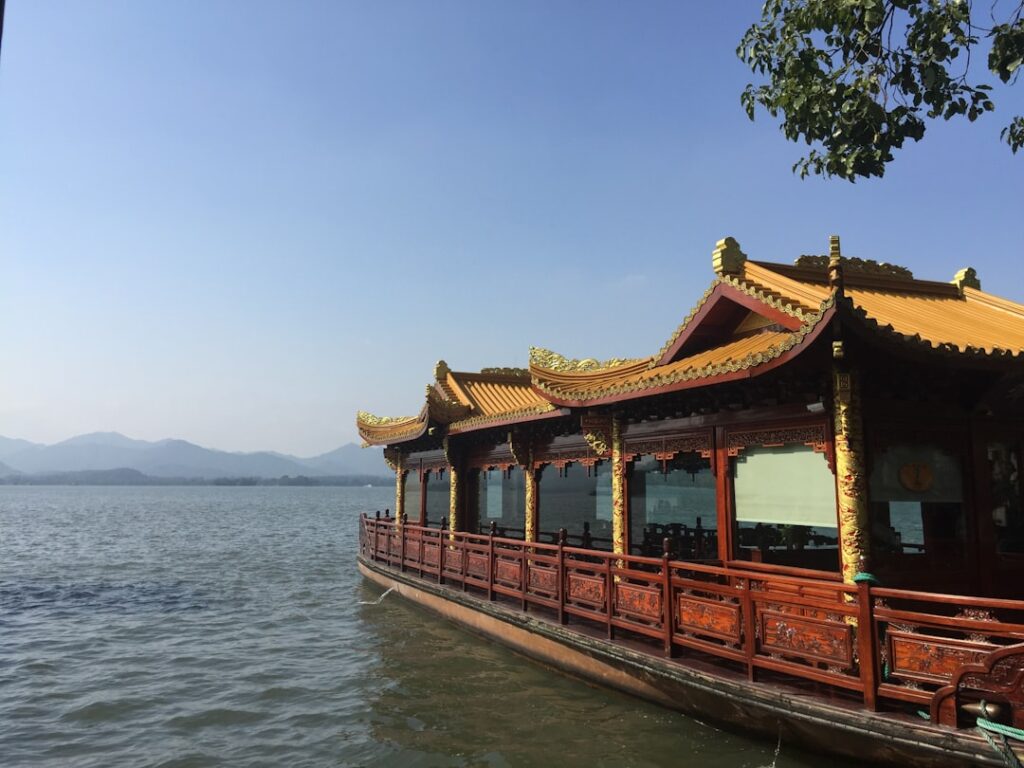
A building sitting next to a body of water, Hangzhou, China
- Historic Architecture: The Six Harmonies Pagoda, built in 970 AD to calm the Qiantang River tides, offers panoramic views of the river and modern bridges.
- Cultural Scene: The annual West Lake International Fireworks Festival in October paints the night sky with reflections dancing on the lake’s surface.
- Local Specialties: Dongpo Pork, a succulent, braised belly dish named after the Song Dynasty poet-governor, melts tenderly off the bone.
Pro Tip: Visit from late September to early November. You’ll avoid the humid summer crowds, catch the golden autumn ginkgo trees, and witness the awe-inspiring Qiantang River Tidal Bore, a natural phenomenon best seen around the Mid-Autumn Festival.
Map of Hangzhou, China
Use these interactive maps to explore Hangzhou, China and plan your route:
📍 View Hangzhou, China on OpenStreetMap
🗺️ Open Hangzhou, China in Google Maps
Planning Your Trip: Practical Essentials
Getting There and Around
- By Air: Hangzhou Xiaoshan International Airport (HGH) connects to major Asian and domestic cities via airlines like Air China and China Eastern. A taxi to downtown takes 40 minutes and costs about 120 RMB. Book flights at Skyscanner for best deals.
- By Train: The high-speed rail from Shanghai Hongqiao Station is the most popular route, taking just 50 minutes. Hangzhou has four major stations; Hangzhou East is the primary hub for bullet trains. Reserve tickets at Trainline or the national railway website.
- By Car: Driving from Shanghai via the G60 expressway takes about 2.5 hours. Parking in the city center can be challenging and expensive. Compare car rentals at RentalCars.com.
- Local Transport: The extensive metro system (6 RMB average ride) is efficient for reaching major sights. For West Lake, public bicycles (1 RMB/hr) and electric sightseeing buses (10 RMB per section) are charming alternatives. The official Hangzhou Public Transport app is essential for real-time schedules.
Best Time to Visit
Hangzhou’s climate is defined by its four distinct seasons, each painting the city in a different light. The shoulder seasons offer the ideal balance of pleasant weather and manageable tourism.
| Season | Weather | Highlights |
|---|---|---|
| Summer (Jun–Aug) | Hot & humid, 25°C–35°C (77°F–95°F), frequent rain | Lotus blossoms in full bloom on West Lake; vibrant night markets; expect peak crowds and higher prices. |
| Winter (Dec–Feb) | Chilly & damp, 0°C–10°C (32°F–50°F), occasional light snow | Serene, misty lake views with few tourists; perfect for hot pot dining; some gardens appear dormant. |
| Shoulder (Apr–May/Sep–Oct) | Mild & pleasant, 15°C–25°C (59°F–77°F), sunny days | Spring brings peach blossoms and tea harvests; autumn offers clear skies and golden foliage; ideal for all outdoor exploration. |
Budgeting for Hangzhou, China

Man in green long sleeve shirt wearing brown straw hat standing near green …, Hangzhou, China
| Category | Budget | Mid-range | Luxury |
|---|---|---|---|
| Accommodation | Hostel/Guesthouse: 150-250 RMB/night | 4-star hotel: 600-900 RMB/night | 5-star (e.g., Amanfayun): 4,000+ RMB/night |
| Meals | Noodle shops/street food: 30-50 RMB/meal | Local restaurant: 80-150 RMB/meal | Fine dining (Xihu Cuisine): 400+ RMB/meal |
| Transport | Metro/Bike/Bus: 20-30 RMB/day | Taxi/DiDi rides: 80-120 RMB/day | Private car & driver: 800+ RMB/day |
| Activities | West Lake walk, temples: 0-50 RMB | Boat rides, Lingyin Temple: 150-300 RMB | Private tea ceremony, VIP tours: 500+ RMB |
| Daily Total | 250-400 RMB | 900-1,500 RMB | 5,700+ RMB |
Top Attractions and Must-See Sights
| Attraction | Description | Hours | Entry Fee |
|---|---|---|---|
| West Lake (Xī Hú) | A UNESCO World Heritage site, this iconic lake is best explored by walking the Su Causeway at sunrise. | Open 24/7 | Free (boat rides extra) |
| Lingyin Temple (Língyǐn Sì) | One of China’s wealthiest Buddhist temples, famed for its 470+ ancient rock carvings in the Feilai Feng grottoes. | 7:00 AM – 6:00 PM | 45 RMB (incl. Feilai Feng) |
| Xixi National Wetland Park | A vast, serene network of waterways, villages, and marshes offering a glimpse into Hangzhou’s ancient aquatic ecology. | 7:30 AM – 5:30 PM | 80 RMB (boat tour 60 RMB) |
| China National Tea Museum | The world’s largest tea museum, set amidst lush plantations where you can learn to brew the perfect Longjing tea. | 9:00 AM – 5:00 PM (Closed Mon) | Free |
3-Day Itinerary: Hangzhou, China’s Highlights & Hidden Gems
Day 1: The Soul of West Lake
- Morning (7:00 AM): Beat the crowds with a walk along the **Su Causeway**. Rent a bicycle (5 RMB/hr) near Hubin Park and cycle to **Broken Bridge**. The morning mist over the lake is pure magic.
- Afternoon (12:30 PM): Take a hand-rowed boat (150 RMB/hour for up to 6 people) from the **West Lake Boat Club** to **Three Pools Mirroring the Moon** islet. For lunch, try **Lou Wai Lou** restaurant (approx. 120 RMB/person) on Solitary Hill for their legendary West Lake Vinegar Fish.
- Evening (6:30 PM): Witness the **Impression West Lake** light show (from 260 RMB), a stunning outdoor performance directed by Zhang Yimou on the lake itself. For dinner, head to **Gaoyin Street** for local snacks.
Day 2: Temples, Tea & Tides
- Morning (8:30 AM): Visit **Lingyin Temple** (45 RMB). Arrive early to see the monks chant and admire the intricate Feilai Feng carvings in peaceful solitude. Don’t miss the 24-meter tall Camphorwood Buddha statue.
- Afternoon (1:00 PM): Take bus 27 to **Meijiawu Tea Village**. Enjoy a simple农家乐 (nóngjiālè, farmhouse lunch) for about 60 RMB, then join a tea-picking experience (seasonal) or simply sip fresh Longjing at a family-run plantation.
- Evening (5:00 PM): If timing aligns with the lunar calendar, take a taxi to **Yanguan Town** (about 150 RMB) to witness the mighty **Qiantang River Tidal Bore**. Check tide tables in advance.
Day 3: Canals, Culture & Commerce
- Morning (9:00 AM): Explore the **Grand Canal** history at the **China Grand Canal Museum** (free, book online). Then, take a short water bus (3 RMB) along the oldest section of the canal.
- Afternoon (12:30 PM): Stroll through the historic **Qinghefang Ancient Street**, but skip the touristy main drag. Find the smaller alleys for authentic crafts. Lunch at **Zhiweiguan** for their classic Hangzhou noodles (30 RMB).
- Evening (6:00 PM): See the modern side of Hangzhou at **Qianjiang New City**. Watch the skyscrapers light up at dusk from the **City Balcony**, then have a farewell dinner in the lively **Jiefang Road** area.
Cultural Insights & Etiquette
- Language: Mandarin is standard. Learn “Xièxie” (Thank you) and “Hangzhou zhēn měi” (Hangzhou is beautiful). While younger people may know basic English, a translation app is very useful.
- Customs: When visiting temples, dress modestly and speak softly. It’s respectful to accept business cards or items with both hands. Avoid pointing with a single finger; use an open hand.
- Tipping: Not customary or expected in China. In upscale hotels or for exceptional private tour guides, a small tip may be accepted but is not required.
- Dress Code: Smart-casual is fine. For temple visits, cover shoulders and knees. Comfortable walking shoes are non-negotiable for exploring West Lake.
- Business Hours: Major attractions open 8:30 AM-5:30 PM. Shops open around 9:30 AM-10:00 PM. Banks and government offices close for lunch (12:00-1:30 PM). Major holidays like Chinese New Year see massive crowds.
Where to Eat: Hangzhou, China’s Best Bites
Hangzhou cuisine, one of China’s Eight Great Traditions, is known for its freshness, mild sweetness, and delicate presentation, often featuring fish, bamboo shoots, and lotus. Dining is an art form here, with many dishes tied to centuries-old legends.
Must-Try Local Specialties
- Dongpo Pork (Dōngpō Ròu): A glorious square of pork belly, slow-braised in soy sauce and Shaoxing wine until it’s impossibly tender. The story goes that Poet Su Dongpo created it while governing Hangzhou. Try it at the historic **Lou Wai Lou**.
- West Lake Vinegar Fish (Xīhú Cùyú): Fresh grass carp from the lake, cooked in a sweet, sour, and savory vinegar-based sauce that gleams like lacquer. **Zhiweiguan** on Renhe Road is a local favorite for this.
- Longjing Shrimp (Lóngjǐng Xiārén): Tender river shrimp stir-fried with fresh Longjing tea leaves, imparting a subtle, aromatic fragrance. For the best, visit a restaurant in the **Meijiawu** or **Longjing** tea villages.
Restaurant Recommendations by Budget
| Type | Restaurant | Specialty | Price Range |
|---|---|---|---|
| Budget | **Hangzhou Noodle House** (various locations) | Hand-pulled noodles with stewed pork or beef | 25-40 RMB |
| Mid-range | **Green Tea Restaurant** (Hubin Rd) | Modern takes on Hangzhou classics in a stylish setting | 80-120 RMB/person |
| Fine dining | **Xihu Cuisine** (inside the Four Seasons Hotel) | Exquisite, artistic tasting menus showcasing lake-inspired dishes | 500+ RMB/person |
Where to Stay
Your choice of neighborhood defines your Hangzhou experience. The West Lake area offers classic charm, while the Qianjiang CBD provides modern convenience. Compare prices and book at Booking.com or Airbnb for apartments.
Best Neighborhoods for Accommodation
- West Lake (Xihu): The most scenic and tourist-centric area. You’re steps from the lake, causeways, and historic sites. Perfect for first-time visitors and romantics, but expect higher prices and crowds. Best for: Atmosphere & sightseeing.
- Downtown (Wulin Square/ Hubin): The commercial heart, packed with shops, metro lines, and mid-range hotels. Excellent transport links to everywhere. Lacks the lakeside tranquility but is supremely convenient. Best for: Convenience & shopping.
- Qianjiang New City: The gleaming, modern CBD across the Qiantang River. Home to skyscrapers, luxury hotels, and the “City Balcony” light show. A 15-minute metro ride to the lake. Best for: Luxury & modern vibes.

A herd of deer standing on top of a dry grass field, Hangzhou, China
FAQs: Your Hangzhou, China Questions Answered
1. Is Hangzhou, China safe at night?
Hangzhou is considered very safe, even at night. Well-lit areas like West Lake’s main paths and downtown districts are busy until late. As in any major city, practice standard precautions: be aware of your belongings in crowded areas and use licensed taxis or ride-hailing apps like DiDi.
2. What currency is used and are credit cards accepted?
The Chinese Yuan (CNY or RMB) is the currency. While major hotels, upscale restaurants, and chain stores accept international credit cards (Visa/Mastercard), China is a cashless society dominated by mobile payments (WeChat Pay & Alipay). Savvy travelers should set up one of these apps with a linked foreign card or carry sufficient cash. ATMs are widely available.
3. How do I get from the airport to the city center?
Xiaoshan Airport is about 30km from downtown. The most convenient option is a taxi or DiDi, taking 40-60 minutes for 100-130 RMB. The airport shuttle bus (20 RMB, 70 mins) goes to the railway station. A metro line connects the airport to the city center (8 RMB, ~70 mins). Book airport transfers at GetYourGuide for convenience.
4. Do I need to speak the local language?
It’s not essential but immensely helpful. English is not widely spoken outside tourist hotels and major attractions. Learn a few basic phrases, have your hotel’s name and address written in Chinese, and use a translation app (like Pleco or Google Translate) for
Related Guides
Explore more destinations similar to Hangzhou:

