
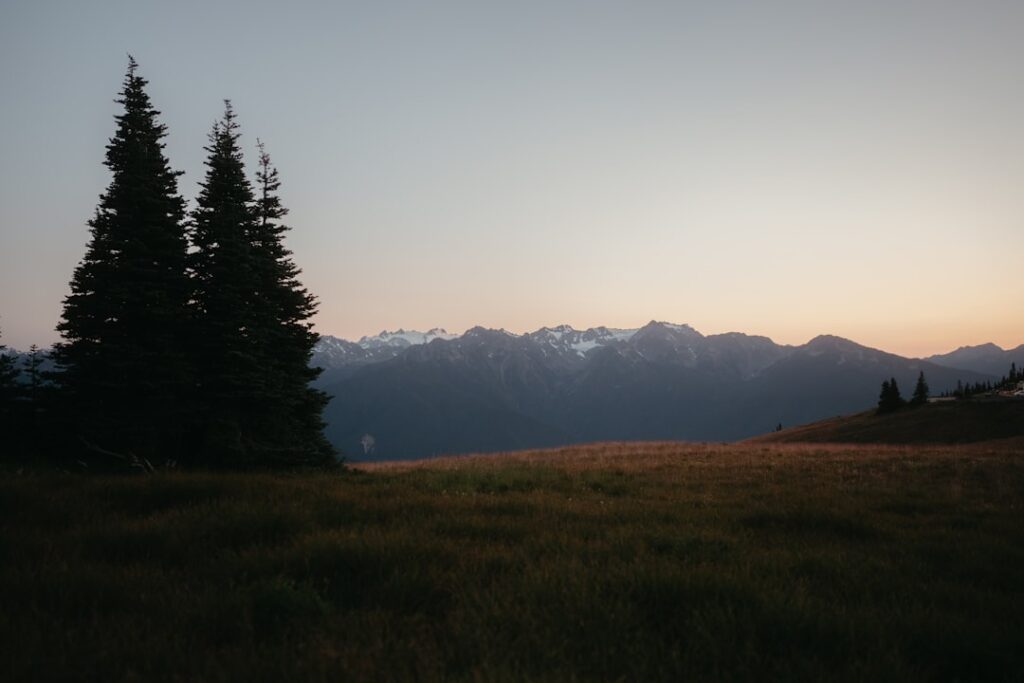
Olympic National Park, USA’s Amazing Rainforests, Peaks & Wild Coastlines (2026)
While crowds flock to the well-trodden trails of Yosemite or Yellowstone, Olympic National Park delivers a singular, almost mythical, diversity without the overwhelming summer congestion. Here, you can stand on a glacier-capped peak, wander through a moss-drenched rainforest where trees are 1,000 years old, and comb a driftwood-strewn beach—all in the same day. This 922,651-acre UNESCO World Heritage site and International Biosphere Reserve is three parks in one, a fact savvy travelers use to craft an experience unlike any other in the American West.
Why Olympic National Park, USA Stands Out

Driving down a forest road surrounded by trees., Olympic National Park, USA
- Historic Architecture: The 1930s-era Lake Crescent Lodge, built from massive local timber, is a classic National Park Service rustic retreat where President Franklin D. Roosevelt once stayed while planning the park’s creation.
- Cultural Scene: The annual Makah Days celebration in Neah Bay (late August) offers a profound glimpse into the living culture of the Makah Tribe, with traditional canoe races, dancing, and a salmon bake.
- Local Specialties: You must try fresh, wild Pacific salmon, especially Copper River King or Sockeye, often grilled over alder wood—a flavor that defines the Pacific Northwest.
Pro Tip: For the best balance of weather, accessibility, and solitude, target the shoulder seasons. Aim for late May to mid-June for peak waterfalls and wildflowers with fewer people, or September for crisp air, vibrant fall colors in the high country, and the chance to hear elk bugling in the Hoh Valley.
Map of Olympic National Park, USA
Use these interactive maps to explore Olympic National Park, USA and plan your route:
📍 View Olympic National Park, USA on OpenStreetMap
🗺️ Open Olympic National Park, USA in Google Maps
Planning Your Trip: Practical Essentials
Getting There and Around
- By Air: Seattle-Tacoma International Airport (SEA) is the major gateway, 2.5-3 hours drive away. From there, you can catch the Bainbridge Island ferry for a scenic entry. Book flights at Skyscanner for best deals.
- By Train: Amtrak’s Coast Starlight stops in Olympia-Lacey, but a car is essential from there. For a unique approach, take the ferry from Seattle to Bainbridge Island. Reserve tickets at Trainline or the national railway website.
- By Car: A car is non-negotiable. The main route is US-101, which loops around the peninsula. Rent an SUV if planning high-elevation drives like Hurricane Ridge. Compare car rentals at RentalCars.com.
- Local Transport: There is no meaningful public transport within the park. The Clallam Transit System serves some gateway towns like Port Angeles, but for park exploration, your own vehicle is your only reliable bet.
Best Time to Visit
Your experience is dramatically shaped by the season. Summer offers full access but bigger crowds, while winter transforms the mountains into a snowy paradise and the rainforests into even more lush, dramatic scenes.
| Season | Weather | Highlights |
|---|---|---|
| Summer (Jun–Aug) | 45–75°F (7–24°C). Mostly dry on coast, foggy mornings in rainforests, sunny in mountains. | All roads and trails open, ranger programs, beach camping, wild berries. Expect crowded popular trails from 10am-4pm. |
| Winter (Dec–Feb) | 30–45°F (-1–7°C). Snow above 2,000 ft, constant rain in rainforests, stormy coast. | Skiing/snowshoeing at Hurricane Ridge, epic storm watching at Kalaloch, absolute solitude in rainforests. Many facilities closed. |
| Shoulder (Apr–May/Sep–Oct) | 40–65°F (4–18°C). Unpredictable mix of sun and rain, fewer bugs. | Spring waterfalls are thunderous, fall colors are stunning, wildlife is active, and you’ll often have trails to yourself. |
Budgeting for Olympic National Park, USA

Blue mountain under blue sky during daytime, Olympic National Park, USA
| Category | Budget | Mid-range | Luxury |
|---|---|---|---|
| Accommodation | $20-30 (campground fee) | $150-250 (lodge room/cabin) | $300+ (Lake Crescent Lodge suite) |
| Meals | $15-25 (camp cooking/groceries) | $40-60 (lodge restaurant meals) | $80+ (fine dining in Port Angeles) |
| Transport | $50/day (fuel share) | $80/day (full rental car) | $150/day (SUV + guided shuttle) |
| Activities | $0 (hiking, beaches) | $30 (park entry for 7 days) | $150+ (guided kayak/rainforest tour) |
| Daily Total | $85-105 | $300-420 | $580+ |
Top Attractions and Must-See Sights
| Attraction | Description | Hours | Entry Fee |
|---|---|---|---|
| Hoh Rain Forest | Walk among ancient Sitka spruces in one of the largest temperate rainforests in the U.S., where moss carpets every surface. | 24/7, Visitor Center 9am-5pm (summer) | Park Entry: $30/vehicle (7 days) |
| Hurricane Ridge | Accessible by car, this offers breathtaking 360-degree views of the Olympic Mountains and opportunities to spot deer and black bears. | 24/7, Road open weather permitting; Visitor Center 10am-5pm | Park Entry: $30/vehicle (7 days) |
| Rialto Beach & Hole-in-the-Wall | A moody, wild coastline of sea stacks and colossal driftwood; hike 1.5 miles north at low tide to walk through a natural sea arch. | 24/7 | Park Entry: $30/vehicle (7 days) |
| Lake Crescent | A stunning, glacially-carved fjord-like lake with crystal-clear, sapphire-blue waters perfect for kayaking or a serene lakeside stroll. | 24/7, Lodge open seasonally | Park Entry: $30/vehicle (7 days) |
3-Day Itinerary: Olympic National Park, USA’s Highlights & Hidden Gems
Day 1: Peaks & Freshwater Fjords
- Morning (7-9 AM): Beat the crowds to Hurricane Ridge. Drive the 17-mile road from Port Angeles for sunrise views over the Olympics. Walk the 1.5-mile Hurricane Hill Trail for panoramic vistas. Watch for Olympic marmots, found nowhere else on Earth.
- Afternoon (12-3 PM): Descend to Lake Crescent. Rent a kayak from the Lake Crescent Lodge ($25/hour) to explore its pristine waters, then have lunch at the Lodge’s Sunroom Restaurant—try the legendary Lake Crescent Lodge signature lavender lemonade.
- Evening (6-8 PM): Take the easy, 1-mile trail to Marymere Falls. Afterwards, enjoy dinner at Granny’s Cafe in Port Angeles for hearty, local comfort food.
Day 2: Enchanted Rainforests
- Morning (8 AM): Drive to the Hoh Rain Forest (2 hours from Port Angeles). Walk the Hall of Mosses Trail (0.8 miles)—it feels like stepping into a fairy tale. The earlier you arrive, the better your chance of seeing Roosevelt elk.
- Afternoon (1 PM): Have a packed picnic lunch among the giants. Then, drive to the Pacific coast via Forks. Stop at the Forks Visitor Center to understand the local timber and Twilight saga culture.
- Evening (6 PM): Catch sunset at Ruby Beach. Explore its iconic sea stacks and tide pools. For dinner, head to the River’s Edge Restaurant in La Push for fresh seafood with a view of the Quileute tribal lands.
Day 3: Wild Coast & Cultural Insight
- Morning (8 AM): Hike the 3-mile roundtrip to Second Beach near La Push. Time it with low tide to explore dramatic tide pools and a natural sea arch. It’s a moderately strenuous trail through forest to the shore.
- Afternoon (12 PM): Drive north to the Makah Museum in Neah Bay ($10 entry). This world-class museum houses artifacts from the Ozette archaeological site, preserving 500 years of Makah history. Have lunch at the Warm House Restaurant.
- Evening (5 PM): With a Makah Recreation Pass ($20), drive to Cape Flattery, the northwesternmost point in the contiguous U.S. The 0.75-mile boardwalk trail leads to breathtaking cliffs overlooking the turbulent sea. Return to Port Angeles for a farewell dinner at Kokopelli Grill.
Cultural Insights & Etiquette
- Language: English is universal. Learning a few phrases of the local indigenous languages, like the Quileute or Makah greetings, is a respectful gesture when visiting tribal lands.
- Customs: This is a place of deep reverence for nature. Practice Leave No Trace principles meticulously. On tribal lands (Neah Bay, La Push), respect all signage—some areas are culturally sensitive and off-limits.
- Tipping: Standard U.S. tipping applies: 15-20% at sit-down restaurants, $1-2 per bag for porters, $3-5 per night for hotel housekeeping.
- Dress Code: Functional layers are the unofficial uniform. Waterproof jackets, sturdy hiking boots, and moisture-wicking clothing are essential, not optional. Dress is casual everywhere.
- Business Hours: In gateway towns, expect hours from 9am-6pm. Many smaller places close on Sundays. Park visitor centers typically operate 9am-5pm in peak season but have reduced hours or close in winter.
Where to Eat: Olympic National Park, USA’s Best Bites
Dining here is about fresh, local, and hearty fare. You’ll find exceptional seafood chowders, wild berry pies, and craft beers from local peninsula breweries. Most dining is in gateway towns like Port Angeles, Forks, and Sequim.
Must-Try Local Specialties
- Wild Blackberry Cobbler: Foraged berries are a summer staple. You’ll find this at nearly every diner and lodge; the version at the Lake Crescent Lodge dining room is iconic.
- Dungeness Crab: Sweet, tender crab caught locally. Enjoy it cracked and fresh at places like the Dockside Grill in Sequim or in a creamy crab melt.
- Olympic Peninsula Oysters: Hood Canal and Willapa Bay produce some of the world’s best. Try them freshly shucked at the Hama Hama Oyster Saloon on the eastern side of the peninsula.
Restaurant Recommendations by Budget
| Type | Restaurant | Specialty | Price Range |
|---|---|---|---|
| Budget | Next Door Gastropub (Port Angeles) | Creative burgers and local craft beer flights | $10-15 per entree |
| Mid-range | Lake Crescent Lodge Dining Room (Lake Crescent) | Pan-seared local salmon with lake views | $25-40 per entree |
| Fine dining | Kokopelli Grill (Port Angeles) | Pacific Northwest cuisine with an emphasis on fresh seafood and game | $35-60 per entree |
Where to Stay
Accommodation ranges from historic national park lodges to rustic cabins, motels in gateway towns, and over a dozen first-come, first-served campgrounds. Book lodges 6-12 months in advance for summer. Compare prices and book at Booking.com or Airbnb for apartments.
Best Neighborhoods for Accommodation
- Port Angeles: The largest gateway town, with the most amenities, dining, and ferry access to Victoria, BC. It’s ideal for first-time visitors and those focusing on Hurricane Ridge and Lake Crescent.
- Forks / La Push Area: Your best base for exploring the Pacific beaches and the Hoh Rainforest. Expect simple motels and cabins; it’s all about location over luxury here.
- Lake Quinault / Amanda Park: On the park’s south side, this offers a quieter, more secluded experience with access to the Quinault Rainforest and a stunning historic lodge.

Green moss on brown tree trunk, Olympic National Park, USA
FAQs: Your Olympic National Park, USA Questions Answered
1. Is Olympic National Park, USA safe at night?
In the wilderness, safety is about preparation. Trails are not lit, and wildlife like bears and cougars are present. Hiking after dark is not recommended. In campgrounds and lodges, crime is very low, but always secure food from wildlife. Your main concerns will be weather and navigation.
2. What currency is used and are credit cards accepted?
The U.S. Dollar (USD) is used. Credit cards are widely accepted in lodges, restaurants, and larger stores in gateway towns. However, cash is king for small vendors, campground fees at self-pay stations, and purchasing permits from some tribal nations. Always carry some cash.
3. How do I get from the airport to the city center?
From Seattle-Tacoma (SEA), you’ll need a rental car. The drive to Port Angeles (the main gateway) takes 2.5-3 hours via Tacoma and the Hood Canal Bridge, or involves a ferry from downtown Seattle to Bainbridge Island. There is no direct shuttle. Book airport transfers at GetYourGuide for convenience for Seattle tours, but for the park, a rental is essential.
4. Do I need to speak the local language?
English is fully sufficient. However, learning a few place name pronunciations (e.g., Hoh rhymes with “go,” Quinault is “quin-alt”) and understanding that some areas are part of sovereign tribal nations will enrich your visit and show respect.
5. What’s the appropriate dress code?
Forget fashion; think function. Your wardrobe should be built on layers: a moisture-wicking base, an insulating mid-layer (fleece), and a waterproof/windproof outer shell. Sturdy, broken-in hiking boots are a must. Even in summer, always have a warm hat and gloves accessible for higher elevations.
Final Thoughts: Olympic National Park, USA Awaits
Olympic National Park isn’t just a destination; it’s a journey through primordial landscapes that feel disconnected from modern time. From the silent
Related Guides
Explore more destinations similar to Olympic National Park:

