
Beijing, China’s Epic Dynasties, Dumplings & Timeless Wonder (2026)
Sunrise at 4:30 AM reveals a quiet, almost sacred, ritual at the heart of a 21st-century megacity. As the first light touches the crimson walls of the Forbidden City, you’ll see locals practicing tai chi in Temple of Heaven Park, their movements a silent dialogue with six centuries of history. The air carries the scent of coal-fired ovens baking *shaobing* (sesame cakes) for breakfast. This is Beijing’s enduring magic: a city of 21 million where ancient rhythms persist amidst the modern roar.
Why Beijing, China Stands Out

Three people walking toward red building, Beijing, China
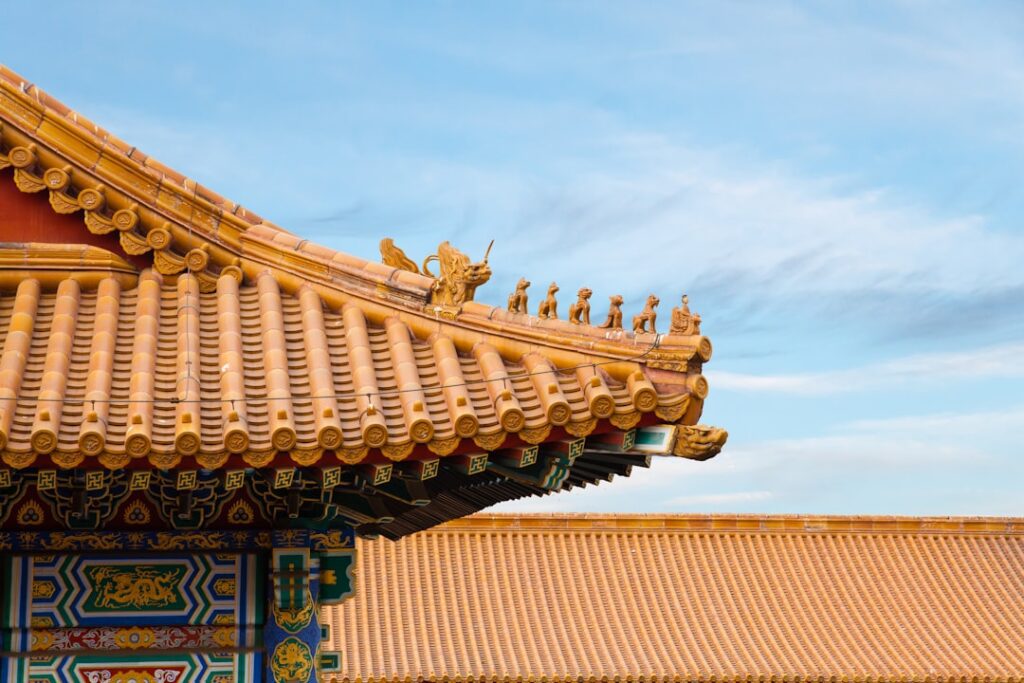
- Historic Architecture: The Forbidden City (completed 1420), the world’s largest imperial palace complex with 980 buildings, is a staggering testament to Ming and Qing dynasty power.
- Cultural Scene: The Peking Opera, with its elaborate costumes and distinctive falsetto singing, offers a vibrant, centuries-old theatrical experience unlike any other.
- Local Specialties: You haven’t truly experienced Beijing until you’ve torn into a succulent, crispy-skinned Peking Duck, traditionally served with pancakes, hoisin sauce, and slivered scallions.
Pro Tip: To beat the crushing crowds at the Great Wall, savvy travelers head to the Mutianyu or Jinshanling sections on a weekday. Even better, book a sunrise tour—you’ll have the ancient stones almost to yourself, with views worth the 5 AM wake-up call.
Map of Beijing, China
Use these interactive maps to explore Beijing, China and plan your route:
📍 View Beijing, China on OpenStreetMap
🗺️ Open Beijing, China in Google Maps
Planning Your Trip: Practical Essentials
Getting There and Around
- By Air: Most international flights land at Beijing Capital International Airport (PEK). Direct flights connect from major global hubs. The Airport Express train (25 mins, 25 RMB) is your fastest bet to the city center. Book flights at Skyscanner for best deals.
- By Train: Arriving by high-speed rail from Shanghai (4.5 hours) or Xi’an (5 hours) is a fantastic experience. Beijing has four major stations; confirm your station carefully. Reserve tickets at Trainline or the national railway website.
- By Car: Driving in central Beijing is not recommended for visitors due to complex traffic and license plate restrictions. For trips to the Great Wall, hiring a private driver for the day (approx. 600-800 RMB) is a popular and convenient option. Compare car rentals at RentalCars.com.
- Local Transport: The Beijing Subway is extensive, efficient, and cheap (3-7 RMB per ride). Purchase a rechargeable Yikatong card for convenience. Taxis are affordable but ensure the meter is used. Didi (China’s Uber) is widely used but requires a local app setup.
Best Time to Visit
Spring and autumn offer Beijing’s most pleasant weather, with clear skies and mild temperatures, making them the undisputed best times to explore. Winters are cold but crowd-free, while summers can be hot, humid, and very busy.
| Season | Weather | Highlights |
|---|---|---|
| Summer (Jun–Aug) | Hot & humid, 25-35°C (77-95°F), occasional heavy rain. | Lush greenery at the Summer Palace; lively outdoor night markets. Expect peak crowds and higher prices. |
| Winter (Dec–Feb) | Cold & dry, -10 to 5°C (14-41°F), chance of snow. | A dusting of snow on the Forbidden City roofs is magical. Fewer tourists and lower hotel rates, but some attractions have shorter hours. |
| Shoulder (Apr–May/Sep–Oct) | Mild & pleasant, 10-25°C (50-77°F), generally clear skies. | Ideal for walking and sightseeing. September’s golden autumn is particularly stunning. The perfect balance of good weather and manageable crowds. |
Budgeting for Beijing, China

Brown concrete building near body of water during sunset, Beijing, China
| Category | Budget | Mid-range | Luxury |
|---|---|---|---|
| Accommodation | Hostel dorm: 80-150 RMB/night Basic hotel: 250-400 RMB/night |
3-4 star hotel: 500-900 RMB/night | 5-star palace hotel (e.g., Aman at Summer Palace): 4,000+ RMB/night |
| Meals | Street food & noodle shops: 20-50 RMB/meal | Local restaurant meal: 60-150 RMB/meal | Fine dining (e.g., King’s Joy): 500+ RMB/meal |
| Transport | Subway/bus: 10-30 RMB/day | Taxis/Didi: 50-150 RMB/day | Private car & driver: 600-1000 RMB/day |
| Activities | Temple of Heaven Park (15 RMB), free hutongs walks | Forbidden City (60 RMB), Great Wall ticket & cable car (180 RMB) | Private guided tours, VIP opera experiences |
| Daily Total | 350 – 600 RMB | 800 – 1,500 RMB | 3,000+ RMB |
Top Attractions and Must-See Sights
| Attraction | Description | Hours | Entry Fee |
|---|---|---|---|
| The Forbidden City (Palace Museum) | Walk through the epicenter of imperial China for 500 years, a vast city-within-a-city of palaces and courtyards. | 8:30 AM – 5:00 PM (Apr-Oct) 8:30 AM – 4:30 PM (Nov-Mar) Closed Mondays |
60 RMB (Apr-Oct) 40 RMB (Nov-Mar) *Book online in advance* |
| The Great Wall at Mutianyu | Less crowded than Badaling, this beautifully restored section offers stunning forest views and a thrilling toboggan ride down. | 7:30 AM – 6:30 PM (Summer) 8:00 AM – 5:00 PM (Winter) |
45 RMB Cable car round-trip: 140 RMB |
| Temple of Heaven Park | Where Ming and Qing emperors performed solemn rites for good harvests; the iconic Hall of Prayer for Good Harvests is its masterpiece. | Park: 6:00 AM – 10:00 PM Altar buildings: 8:00 AM – 5:30 PM |
Park: 15 RMB Full ticket: 35 RMB |
| Summer Palace | A masterpiece of Chinese landscape garden design, featuring Kunming Lake, Longevity Hill, and the exquisite Marble Boat. | 6:30 AM – 8:00 PM (Summer) 7:00 AM – 7:00 PM (Winter) |
30 RMB (Apr-Oct) 20 RMB (Nov-Mar) Through Ticket: 60/50 RMB |
3-Day Itinerary: Beijing, China’s Highlights & Hidden Gems
Day 1: Imperial Heart & Hutong Soul
- Morning (7:30 AM): Enter the Forbidden City the moment it opens. Head straight to the Meridian Gate and walk the central axis to the Imperial Garden to avoid the largest tour groups. Don’t miss the Clock and Watch Gallery (extra 10 RMB).
- Afternoon (12:30 PM): Exit through the north gate, cross Jingshan Park (2 RMB) for a panoramic city view, then take a taxi to Mr. Shi’s Dumplings in a hutong near the Drum Tower for a feast of homemade jiaozi (approx. 50 RMB).
- Evening (6:00 PM): Explore the warren of Nanluoguxiang hutong, then enjoy a classic Peking Duck dinner at Siji Minfu (Dengshikou branch). Book ahead! End the night with a drink at a hidden rooftop bar overlooking the hutongs.
Day 2: The Great Wall & Artistic Revival
- Morning (6:30 AM): Pre-book a driver or join a small-group tour to the Mutianyu Great Wall (2-hour drive). Take the cable car up (140 RMB round-trip) and hike towards Tower 23 for breathtaking, less-traveled vistas.
- Afternoon (2:00 PM): Return to the city and head to the 798 Art District, a converted Bauhaus-style factory complex filled with contemporary galleries, cafes, and striking public art. Grab a late lunch at one of its trendy cafes.
- Evening (7:30 PM): Experience the acrobatics, music, and drama of a Legend of Kung Fu show at the Red Theatre (tickets from 180 RMB) or enjoy a more traditional Peking Opera excerpt at the Liyuan Theatre.
Day 3: Spiritual Parks & Market Treasures
- Morning (8:00 AM): Join locals practicing calligraphy with water on the stones and flying kites in the serene Temple of Heaven Park (15 RMB). Visit the stunning circular altars before the crowds arrive.
- Afternoon (12:00 PM): Take the subway to Panjiayuan Antique Market (best on weekends) to browse for curios, then enjoy a hearty lunch of Beijing Zhajiangmian (noodles with fried sauce) at nearby Haoyunjie Zhajiangmian.
- Evening (5:00 PM): Wander through the historic Qianmen street, then enjoy a farewell feast of imperial-style cuisine at the elegant Fangshan Restaurant in Beihai Park, a restaurant once staffed by the Forbidden City’s imperial chefs.
Cultural Insights & Etiquette
- Language: Mandarin is key. Learn basics: “Nǐ hǎo” (Hello), “Xièxie” (Thank you), “Duōshǎo qián?” (How much?). A translation app like Pleco is invaluable.
- Customs: Present and receive business cards (or any item) with both hands. Avoid direct confrontation or public criticism to “save face.” At banquets, let the host seat you and order.
- Tipping: Tipping is not customary and can be awkward. Exceptional service in high-end hotels or for private tour guides may warrant a small tip (50-100 RMB).
- Dress Code: Modesty is appreciated when visiting temples. Comfortable walking shoes are non-negotiable. Smart-casual is fine for upscale restaurants.
- Business Hours: Major attractions open around 8:30-9:00 AM. Government offices and some museums close on Mondays. Shops and malls often stay open until 9:00 or 10:00 PM.
Where to Eat: Beijing, China’s Best Bites
Beijing’s culinary scene is a thrilling journey from imperial banquets to bustling street stalls. The cuisine is known for its robust flavors, wheat-based staples like noodles and dumplings, and iconic roasted meats. Meals are social affairs, with dishes shared communally.
Must-Try Local Specialties
- Peking Duck: The king of Beijing cuisine. The skin is crisped to perfection, carved tableside, and wrapped in thin pancakes with sweet bean sauce and scallins. Try it at Da Dong for a modern take or Quanjude for historic ambiance.
- Zhajiangmian: Literally “fried sauce noodles,” this is Beijing’s beloved comfort food: thick wheat noodles topped with a rich, savory minced pork and fermented soybean paste sauce. Haoyunjie near Tiantan is a local institution.
- Beijing Yogurt: Sold in distinctive ceramic pots at hutong entrances, this tangy, slightly sweet drinkable yogurt is a refreshing pick-me-up for about 5 RMB. Return the pot to the vendor.
Restaurant Recommendations by Budget
| Type | Restaurant | Specialty | Price Range |
|---|---|---|---|
| Budget | Bao Yuan Dumpling House (Chaoyang) | Colorful, creative jiaozi (dumplings) with dozens of fillings. | 30-60 RMB per person |
| Mid-range | Deyuan Roast Duck (Fuchengmen) | Excellent, less-touristy roast duck in a traditional setting. | 100-150 RMB per person |
| Fine dining | King’s Joy (Sanlitun) | Michelin-starred, exquisite vegetarian cuisine in a serene courtyard. | 500+ RMB per person |
Where to Stay
Your neighborhood choice defines your Beijing experience. The city center offers imperial proximity, while Sanlitun provides modern buzz. For a deep dive into local life, a renovated hutong courtyard hotel is unforgettable. Compare prices and book at Booking.com or Airbnb for apartments.
Best Neighborhoods for Accommodation
- Dongcheng (City Center): Home to the Forbidden City, Tiananmen, and historic hutongs. Ideal for first-time visitors who want to walk to major sites. Can be touristy and accommodation is often in older buildings.
- Sanlitun/Chaoyang: The modern, international hub with embassies, sleek malls, vibrant nightlife, and diverse dining. Best for those who prefer contemporary comforts and easy subway access.
- Haidian (University District): Near the Summer Palace and Old Summer Palace. Offers a more local, youthful vibe with great food streets and parks. Slightly further from the core imperial sights.

Red and blue wooden door, Beijing, China
FAQs: Your Beijing, China Questions Answered
1. Is Beijing, China safe at night?
Beijing is generally very safe for travelers, even at night. Violent crime is rare. Standard precautions apply: be aware of your belongings in crowded areas like Wangfujing, use licensed taxis or Didi, and avoid poorly lit, deserted alleyways. Solo travelers, including women, commonly report feeling secure.
2. What currency is used and are credit cards accepted?
The Chinese Yuan (CNY or RMB) is the currency. While major hotels, upscale restaurants, and large department stores accept international credit cards (Visa/Mastercard), China is still a cash and mobile-pay society. You must carry cash for small shops, markets, taxis, and most local restaurants. ATMs are widely available.</
Related Guides
Explore more destinations similar to Beijing:
- Tumbler Ridge, Canada’s Hidden Dinosaur Tracks, Waterfalls & Mountain Solitude (2026)
- Svaneti’s Hiking Trails, Georgia’s Best Towers, Trails & Timeless Culture (2026)
- Pukapuka, Cook Islands’s Essential Atolls, Ancient Culture & Unspoiled Beaches (2025)
- Albuquerque, USA’s Ultimate Balloons, Breaking Bad & Ancient Petroglyphs (2025)
{“@context”: “https://schema.org”, “@type”: “FAQPage”, “mainEntity”: [{“@type”: “Question”, “name”: “What is the best time to visit Beijing?”, “acceptedAnswer”: {“@type”: “Answer”, “text”: “The best time to visit Beijing depends on your preferences. Generally, the dry season offers the most pleasant weather for sightseeing and outdoor activities.”}}, {“@type”: “Question”, “name”: “How many days do I need in Beijing?”, “acceptedAnswer”: {“@type”: “Answer”, “text”: “Most travelers spend 3-5 days in Beijing to see the main attractions. A week allows for a more relaxed pace and day trips.”}}, {“@type”: “Question”, “name”: “Is Beijing expensive to visit?”, “acceptedAnswer”: {“@type”: “Answer”, “text”: “Beijing can be visited on various budgets. Accommodation ranges from hostels to luxury hotels, and local restaurants offer affordable dining.”}}]}

