
Ottawa, Canada’s Hidden Parliament, Canals & Culinary Grit (2026)
Ask locals about Ottawa, and they’ll tell you about the 7.8-kilometer Rideau Canal, a UNESCO World Heritage site that transforms from a summer paddle route into the world’s largest skating rink each winter. Most guidebooks miss the magic of a 6:00 AM skate before the city wakes, the sound of blades on ice echoing off the Château Laurier. This is Ottawa’s true character: stately grandeur paired with four-season, boots-on-the-ground fun.
Why Ottawa, Canada Stands Out

Green tree beside brown concrete building, Ottawa, Canada
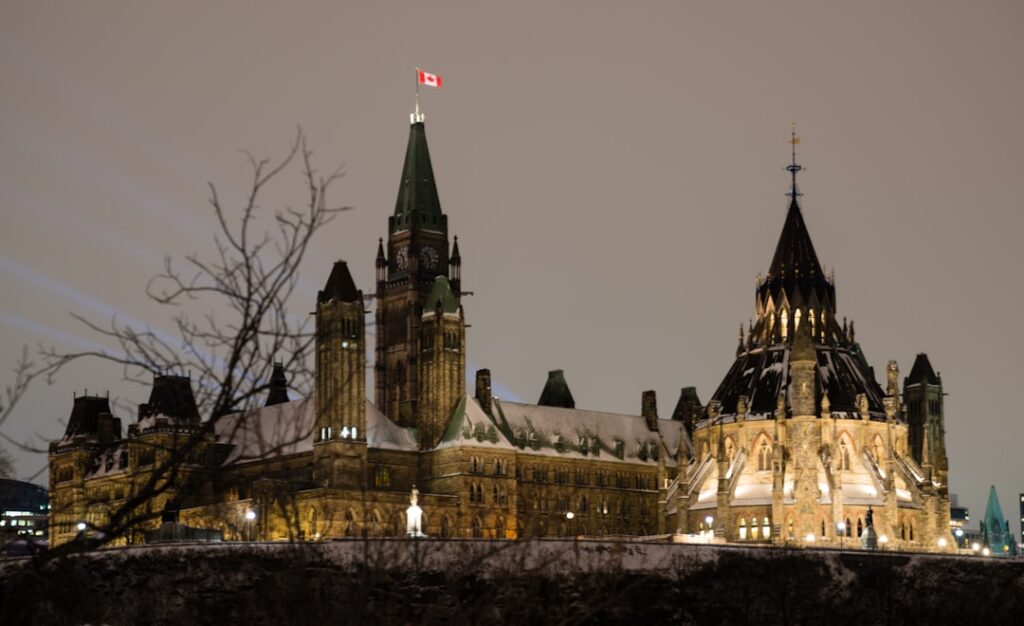
- Historic Architecture: The Gothic Revival Parliament Hill (built 1859-1927) isn’t just a postcard; it’s the living, working heart of Canadian democracy where you can watch debates unfold.
- Cultural Scene: Winterlude, the February festival, turns the city into a playground of ice sculptures, snow slides, and Beavertail pastries enjoyed in sub-zero temperatures.
- Local Specialties: You must try a piping hot Beavertail—fried dough pastry topped with cinnamon sugar, lemon, or maple butter—from a kiosk by the canal.
Pro Tip: Visit in early May. The famous Canadian Tulip Festival paints the city in color, the weather is mild, and you’ll avoid the peak summer crowds and prices of July and August.
Map of Ottawa, Canada
Use these interactive maps to explore Ottawa, Canada and plan your route:
📍 View Ottawa, Canada on OpenStreetMap
🗺️ Open Ottawa, Canada in Google Maps
Planning Your Trip: Practical Essentials
Getting There and Around
- By Air: Ottawa Macdonald–Cartier International Airport (YOW) is served by major carriers like Air Canada and WestJet. A taxi to downtown costs ~$35 CAD, while the Route 97 bus is only $3.70. Book flights at Skyscanner for best deals.
- By Train: VIA Rail connects Ottawa to Toronto (4.5 hours) and Montreal (2 hours) from the stunning, art-deco Ottawa Station. Business class is worth the upgrade for the meal. Reserve tickets at Trainline or the national railway website.
- By Car: Highway 417 runs through the city. Downtown parking can be expensive ($20-$30/day), but street parking is free on Sundays. Compare car rentals at RentalCars.com.
- Local Transport: OC Transpo buses and the O-Train light rail are efficient. A day pass costs $11.25. The key for tourists is the free “Rideau-Rideau” shuttle bus that loops between major downtown attractions in summer.
Best Time to Visit
Ottawa is a city of dramatic seasons, each offering a completely different personality. Your ideal time depends on whether you crave festive winter magic or lush, lively summer days.
| Season | Weather | Highlights |
|---|---|---|
| Summer (Jun–Aug) | Warm, 20°C to 30°C (68°F to 86°F), occasional humidity. | Patio dining, canal boat tours, Changing of the Guard, major festivals. Peak crowds and prices. |
| Winter (Dec–Feb) | Cold, -10°C to -20°C (14°F to -4°F), regular snowfall. | The Rideau Canal Skateway, Winterlude, Christmas markets. A magical, if chilly, wonderland. |
| Shoulder (Apr–May/Sep–Oct) | Cool to mild, 5°C to 15°C (41°F to 59°F), crisp air. | Tulip Festival (May), fall foliage in Gatineau Park, fewer tourists, and pleasant walking weather. |
Budgeting for Ottawa, Canada

An ostrich stares directly at the viewer., Ottawa, Canada
| Category | Budget | Mid-range | Luxury |
|---|---|---|---|
| Accommodation | Hostel/dorm: $40-$60/night | Hotel/Boutique B&B: $150-$250/night | Fairmont Château Laurier: $400+/night |
| Meals | Food truck/ByWard Market snack: $10-$15 | Restaurant meal with drink: $30-$50 | Fine dining (e.g., Atelier): $150+ tasting menu |
| Transport | Public transit day pass: $11.25 | Taxi/Uber rides: $15-$25 per trip | Private car service: $60+/hour |
| Activities | Museum free hours, skating on canal (free with skates) | Museum entry (~$20), canal boat tour ($45) | Private guided tour of Parliament, spa day |
| Daily Total | $70-$100 CAD | $200-$350 CAD | $600+ CAD |
Top Attractions and Must-See Sights
| Attraction | Description | Hours | Entry Fee |
|---|---|---|---|
| Parliament Hill | Take the free, immersive tour of the Centre Block (pre-renewal) or visit the stunning temporary Senate and House of Commons. | Tours 9am-5pm (book online) | Free |
| Canadian Museum of History | Located across the river in Gatineau, its Grand Hall offers the most breathtaking view of Parliament and stunning First Nations totem poles. | 9:30am-5pm, Thu until 8pm | $22 CAD |
| Rideau Canal (Summer/Winter) | Paddle a kayak or take a boat cruise in summer; lace up your skates for a 7.8km urban glide in winter (conditions permitting). | N/A (public space) | Free (rentals extra) |
| National Gallery of Canada | Home to the iconic *Maman* spider sculpture and an unparalleled collection of Canadian and Indigenous art. | 10am-5pm, Thu until 8pm | $20 CAD (Free Thu 5-8pm) |
3-Day Itinerary: Ottawa, Canada’s Highlights & Hidden Gems
Day 1: Iconic Landmarks & Market Flavors
- Morning (9 AM): Start with the free 9:30 AM tour of Parliament Hill. Book weeks ahead online for the coveted Peace Tower climb. Watch the Changing of the Guard at 10 AM on the lawn in summer.
- Afternoon (1 PM): Walk down to the ByWard Market. For lunch, grab a table at Beavertails (originals stand) for that iconic pastry, then explore the stalls. Don’t miss the hidden Courtyard Restaurant for a more substantial meal.
- Evening (6 PM): Cross the Sappers Bridge to the National Gallery. Visit on a Thursday for free admission after 5 PM. For dinner, savor modern Canadian cuisine at Play Food & Wine for small plates and excellent local wine.
Day 2: History, Views & Evening Lights
- Morning (10 AM): Take a 5-minute Uber ($10) to the Canadian Museum of History. Spend 2 hours in the Grand Hall and Canadian History Hall. The view of Parliament from the windows is unbeatable.
- Afternoon (1 PM): Walk back across the Alexandra Bridge for stunning photos. Have lunch in the cozy Cornerstone Kitchen & Bar in the Glebe neighborhood. Then, explore the boutique shops along Bank Street.
- Evening (7:30 PM): In summer, take an Ottawa Boat Cruise along the Rideau Canal ($45). In other seasons, book the “Northern Lights” sound and light show on Parliament Hill (free, nightly in summer and holidays).
Day 3: Local Neighborhoods & Culinary Craft
- Morning (9 AM): Rent a bike or take bus #14 to Hintonburg. This hip neighborhood is packed with indie shops, cafes, and murals. Grab a coffee and pastry at Art-Is-In Bakery.
- Afternoon (12 PM): Continue to the adjacent Wellington West area for lunch at Supply and Demand, known for its incredible seafood and pasta. Then, visit the small but fascinating Bytown Museum to learn the canal’s gritty construction story.
- Evening (6 PM): For a final, unforgettable meal, book the 12-course tasting menu at Atelier on Rochester Street, a molecular gastronomy experience that is Ottawa’s worst-kept culinary secret. Reserve months in advance.
Cultural Insights & Etiquette
- Language: Ottawa is officially bilingual. English is predominant, but French is widely spoken; a polite “Bonjour/Hello” goes a long way. Street signs are in both languages.
- Customs: Canadians are known for politeness—expect “sorry” and “thank you” frequently. Queueing orderly is important. When discussing politics, listen more than you opine; it’s a nuanced landscape.
- Tipping: Standard is 15-20% in restaurants, bars, and for taxis. Tip hotel bellhops $2-$5 per bag.
- Dress Code: Smart-casual is fine for most restaurants. For winter, this is non-negotiable: invest in a quality insulated coat, waterproof boots, hat, gloves, and scarf.
- Business Hours: Most shops open 10 AM-6 PM, Monday-Saturday, with reduced hours Sunday. Many museums have extended hours one evening per week (usually Thursday). Major holidays (Canada Day, Labour Day) see closures.
Where to Eat: Ottawa, Canada’s Best Bites
Ottawa’s food scene has evolved far beyond pub grub. You’ll find a thrilling mix of historic market stalls, innovative fine dining, and a proud emphasis on regional ingredients from the Ottawa Valley and Quebec.
Must-Try Local Specialties
- Beavertails: The classic is Killaloe Sunrise (cinnamon sugar & lemon juice). Find the original stand in the ByWard Market (stand #26).
- Shawarma: A beloved Ottawa staple due to a large Lebanese community. Shawarma Palace on Rideau Street is the local legend for garlicky, spit-roasted meat plates.
- Poutine: The Quebecois dish of fries, cheese curds, and gravy is essential. For a gourmet take, head to Elgin Street Diner—it’s served 24/7.
Restaurant Recommendations by Budget
| Type | Restaurant | Specialty | Price Range |
|---|---|---|---|
| Budget | Elgin Street Diner (Elgin St.) | All-day breakfast and legendary poutine in a classic diner setting. | $10-$15 per dish |
| Mid-range | Wilf & Ada’s (Bank St., Glebe) | Scratch-made diner classics in a tiny, always-busy spot—perfect brunch. | $15-$25 per dish |
| Fine dining | Riviera (Sparks St.) | Stylish art-deco brasserie serving elevated Canadian fare in a former bank building. | $50-$80 for three courses |
Where to Stay
Ottawa’s neighborhoods offer distinct vibes. Downtown/Centretown is best for first-timers wanting walkability, while the Glebe and Hintonburg provide more local character. Compare prices and book at Booking.com or Airbnb for apartments.
Best Neighborhoods for Accommodation
- Centretown/Downtown: The most convenient base. You can walk to Parliament, the Canal, and major museums. Pros: Ultimate convenience. Cons: Can be pricier and less “neighborhoody” at night.
- The Glebe: A charming, upscale residential area near the Canal and Lansdowne Park. Full of cafes, bookstores, and parks. Pros: Village feel, great for families. Cons: A 20-30 minute walk to core sights.
- ByWard Market: The historic market area is buzzing day and night with restaurants, bars, and shops. Pros: Energetic, fantastic food access. Cons: Can be noisy, especially on weekends.

Bare trees on snow covered ground during night time, Ottawa, Canada
FAQs: Your Ottawa, Canada Questions Answered
1. Is Ottawa, Canada safe at night?
Ottawa is generally very safe. The downtown core, ByWard Market, and major tourist areas are well-patrolled. As in any city, practice standard caution: be aware of your surroundings in quieter areas after dark, and stick to well-lit main streets. The Rideau Street area near the shelter can have more visible social issues, but it’s not typically dangerous for passersby.
2. What currency is used and are credit cards accepted?
The currency is the Canadian Dollar (CAD). Credit cards (Visa, MasterCard) are accepted almost universally, including in taxis and at market stalls. It’s still wise to carry some small bills and coins for tips, farmers’ markets, or very small purchases. American dollars are sometimes accepted near tourist sites but at a poor exchange rate.
3. How do I get from the airport to the city center?
Ottawa International Airport (YOW) is about 20 minutes from downtown. The most economical option is the OC Transpo Route 97 bus ($3.70, runs every 15-30 mins). A taxi or Uber costs approximately $35-$45. There is no direct train link. Book airport transfers at GetYourGuide for convenience.
4. Do I need to speak the local language?
No. English is fully sufficient for all tourist activities. French is an official language, and you’ll hear it and see it on signs, but service staff in hotels, restaurants, and attractions are almost always fluently bilingual. Using a few basic French phrases (“Bonjour,” “Merci”) is appreciated as a gesture of respect.
5. What’s the appropriate dress code?
Smart-casual is perfect for dining and attractions. For summer, pack layers for warm days and cooler evenings. For winter, this is critical: you need a heavy, insulated winter coat, waterproof insulated boots, thermal layers, a warm hat, gloves, and a scarf. Dressing appropriately is the difference between enjoying and enduring an Ottawa winter.
Final Thoughts: Ottawa, Canada Awaits
Ottawa rewards travelers who look beyond its political facade. You’ll discover a city of profound national symbolism, yes, but also one of vibrant neighborhoods, a
Related Guides
Explore more destinations similar to Ottawa:
- Telde, Spain: Best Historic Quarters, Volcanic Landscapes & Authentic Canarian Cuisine (2025)
- The Ultimate Bodø, Norway Guide (2026)
- Kilwa Kisiwani, Tanzania: Essential Swahili Ruins, Untouched Beaches & Living History (2025)
- Kruševo, North Macedonia’s Essential History, Hiking & A Town in the Sky (2025)
{“@context”: “https://schema.org”, “@type”: “FAQPage”, “mainEntity”: [{“@type”: “Question”, “name”: “What is the best time to visit Ottawa?”, “acceptedAnswer”: {“@type”: “Answer”, “text”: “The best time to visit Ottawa depends on your preferences. Generally, the dry season offers the most pleasant weather for sightseeing and outdoor activities.”}}, {“@type”: “Question”, “name”: “How many days do I need in Ottawa?”, “acceptedAnswer”: {“@type”: “Answer”, “text”: “Most travelers spend 3-5 days in Ottawa to see the main attractions. A week allows for a more relaxed pace and day trips.”}}, {“@type”: “Question”, “name”: “Is Ottawa expensive to visit?”, “acceptedAnswer”: {“@type”: “Answer”, “text”: “Ottawa can be visited on various budgets. Accommodation ranges from hostels to luxury hotels, and local restaurants offer affordable dining.”}}]}

