
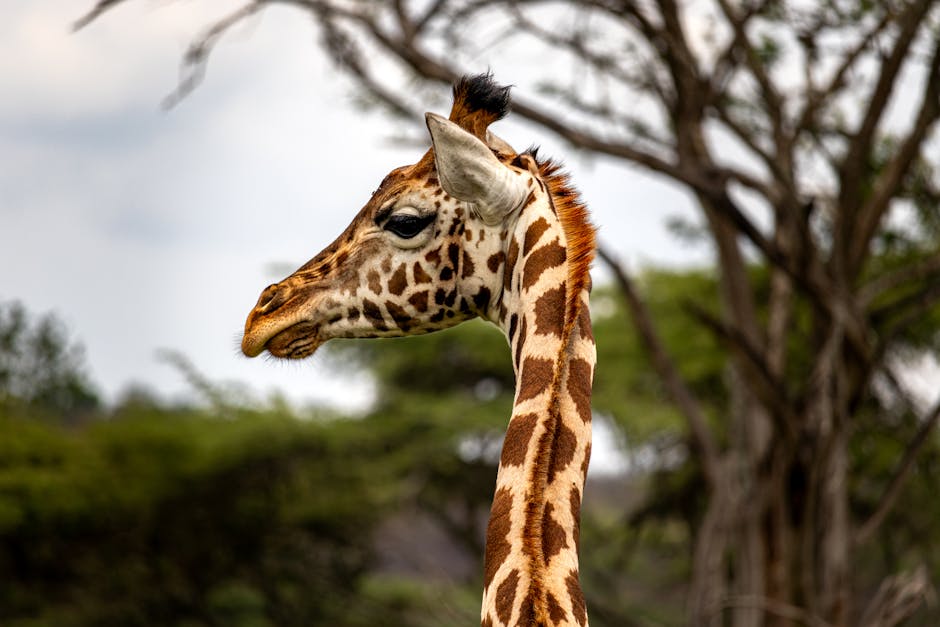
Kidepo Wildlife Reserve, Uganda: Amazing Savannahs, Solitude & Cultural Encounters (2025)
While thousands crowd the game-viewing circuits of the Serengeti and the Maasai Mara, fewer than 5,000 international travelers annually make the journey to Uganda’s remote northeastern frontier. Here, Kidepo Valley National Park sprawls across 1,442 square kilometers of untamed wilderness, cradled by the rugged horizons of the Narus Valley and the Kidepo River basin. This isn’t a park you simply visit; it’s a frontier you experience, where the silence is broken only by the roar of lions and the rustle of elephant grass.
Why Kidepo Wildlife Reserve, Uganda Stands Out
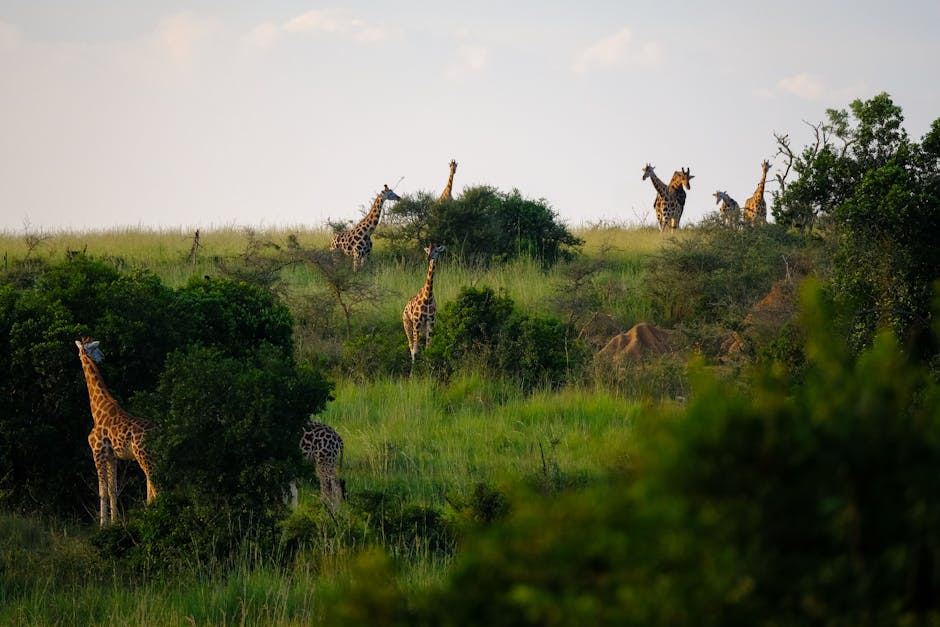
A group of giraffes grazing in the lush grassland of Uganda’s savanna, Kidepo Wildlife Reserve, Uganda
- Historic Architecture: The 1960s-era Apoka Safari Lodge, built with local materials, reflects the classic safari aesthetic and offers a direct historical link to the park’s early days of exploration.
- Cultural Scene: A visit to a nearby Karamojong manyatta (homestead) provides an authentic, respectful insight into the semi-nomadic pastoralist culture that has shaped this land for centuries.
- Local Specialties: Don’t miss trying “Malakwang,” a traditional sour vegetable dish often served with sim-sim (sesame) paste, a staple flavor of the Karamoja region.
Pro Tip: The absolute prime time for wildlife viewing is the dry season, from December to March. Animals congregate around the few remaining water sources in the Narus Valley, making sightings incredibly reliable. For the most dramatic landscapes and excellent birding with fewer visitors, the tail end of the wet season in November is a savvy choice.
Map of Kidepo Wildlife Reserve, Uganda
Use these interactive maps to explore Kidepo Wildlife Reserve, Uganda and plan your route:
📍 View Kidepo Wildlife Reserve, Uganda on OpenStreetMap
🗺️ Open Kidepo Wildlife Reserve, Uganda in Google Maps
Planning Your Trip: Practical Essentials
Getting There and Around
- By Air: The most practical way is via chartered flight from Entebbe (EBB) or Kajjansi to the Kidepo airstrip (code: HKKA). Aerolink Uganda offers scheduled services. Book flights at Skyscanner for best deals on international legs to Entebbe.
- By Train: There are no direct rail connections to this remote region. All long-distance travel is by road or air.
- By Car: A 4×4 vehicle is mandatory. The drive from Kampala is a full 10-12 hour journey via Gulu and Kitgum. The roads are challenging but offer a true African adventure. Compare car rentals at RentalCars.com for Kampala pick-up.
- Local Transport: Within the park, your only options are guided game drives in safari vehicles booked through your lodge or a tour operator. Independent driving is allowed but requires a capable 4×4 and expert navigation skills.
Best Time to Visit
Your experience in Kidepo is profoundly shaped by the seasons. The dry months offer unparalleled wildlife concentrations, while the wet season transforms the park into a lush, green paradise with dramatic skies, albeit with more dispersed animals.
| Season | Weather | Highlights |
|---|---|---|
| Dry Season (Dec–Mar) | Hot & dry, 28-35°C (82-95°F). Minimal rain. | Peak wildlife viewing at waterholes. Excellent photography. Busiest park period. |
| Wet Season (Apr–Nov) | Warm with heavy rains, especially Apr-May & Aug-Sep. Lush landscapes. | Beautiful scenery, birding paradise (over 475 species), lowest tourist numbers. Some roads may be impassable. |
| Shoulder (Nov/Dec) | Transitional; sporadic showers, warm temperatures. | Good balance of green scenery and decent game viewing. A fantastic, less-crowded window. |
Budgeting for Kidepo Wildlife Reserve, Uganda

A majestic lioness rests gracefully in a tree in Uganda’s wilderness, Kidepo Wildlife Reserve, Uganda
| Category | Budget | Mid-range | Luxury |
|---|---|---|---|
| Accommodation | $30-50 (camping or basic bandas) | $150-300 (comfortable lodge rooms) | $400-700+ (full-board luxury safari lodges) |
| Meals | $15-25 (self-catering or lodge restaurant) | $40-60 (lodge meal plans) | $100+ (inclusive fine dining) |
| Transport | $50/day (fuel for 4×4 rental) | $80-120/day (guided game drive) | $200+ (private vehicle & guide) |
| Activities | $40 (park entry fee per person) | $80-150 (guided nature walk, cultural visit) | $250+ (exclusive guided experiences) |
| Daily Total | $135-165 | $350-630 | $950+ |
Top Attractions and Must-See Sights
| Attraction | Description | Hours | Entry Fee |
|---|---|---|---|
| Narus Valley Game Drives | The park’s prime wildlife arena, where you’ll find lions, elephants, buffalo, and giraffes gathering at waterholes. | Sunrise to Sunset (Gate hours: 7am-7pm) | $40 (Foreign Non-Resident 24hr pass) |
| Kanangorok Hot Springs | A scenic drive to these remote springs on the border with South Sudan, offering stunning valley views and unique ecology. | Daylight hours only | Included in park fee |
| Kidepo River Valley | A vast, sandy riverbed flanked by borassus palms, perfect for a sense of epic isolation and spotting ostriches. | Daylight hours only | Included in park fee |
| Cultural Visit to a Karamojong Manyatta | An arranged visit to a local homestead to learn about traditions, dance, and the pastoralist way of life. | Arranged via lodges, typically mornings/afternoons | $20-30 per person (community fee) |
3-Day Itinerary: Kidepo Wildlife Reserve, Uganda’s Highlights & Hidden Gems
Day 1: Arrival & Narus Valley Introduction
- Morning: Arrive at the airstrip or enter via the gate. Settle into your lodge (like Apoka Safari Lodge or Kidepo Savannah Lodge). Enjoy a welcome drink overlooking the valley.
- Afternoon: Your first game drive (3:30 PM start) into the Narus Valley. Your guide will focus on the Apoka Rest Camp waterhole, a magnet for elephants and buffalo. Look for the park’s famous tree-climbing lions in the fig trees.
- Evening: Sundowner drinks on the lodge deck, listening to the sounds of the bush. Dinner at your lodge, often a buffet featuring local flavors like grilled tilapia or beef stew.
Day 2: Exploration & Culture
- Morning: Sunrise game drive (6:30 AM departure, $80 per person for guided drive). This is the best time to spot predators on the move. Search for cheetahs on the open plains and Jackson’s hartebeest, found almost nowhere else in Uganda.
- Afternoon: After a relaxed lunch at the lodge, embark on a guided nature walk ($50) with an armed ranger. This slow-paced exploration reveals tracks, insects, and plants you’d miss from a vehicle.
- Evening: Pre-arranged cultural visit to a Karamojong manyatta ($25). Witness traditional dance, see the distinctive homesteads, and gain insight into a resilient way of life. Return for a starlit dinner.
Day 3: The Remote North & Departure
- Morning: Packed breakfast for a full-day expedition ($120 per person) north to the Kidepo River and Kanangorok Hot Springs. The 2-3 hour drive is an adventure through changing landscapes, culminating in breathtaking views.
- Afternoon: Enjoy your picnic lunch near the hot springs, watching for mountain reedbuck on the slopes. The return journey offers another chance for wildlife spotting in different terrain.
- Evening: Final game drive focusing on a specific wish—perhaps another search for leopard or a quiet moment at a favorite viewpoint. Farewell dinner reflecting on the raw beauty of one of Africa’s last true wildernesses.
Cultural Insights & Etiquette
- Language: The local language is Karamojong (Ngakarimojong), though English and Swahili are widely understood in the tourism context. A simple “Ejok?” (Hello, how are you?) is appreciated.
- Customs: Always ask permission before photographing people, especially the Karamojong. It is respectful to engage with elders through your guide. The Karamojong are proud pastoralists; avoid negative comments about their cattle.
- Tipping: Tipping is customary for good service. For a guide/driver, consider $10-15 per person per day. Lodge staff appreciate tips left in a communal box. For cultural visits, the community fee is separate, but a small additional tip to your host is kind.
- Dress Code: Neutral, earth-toned clothing (khaki, green, brown) is best for game drives. For cultural visits, modest dress covering shoulders and knees is respectful. Evenings can be cool; pack a fleece or jacket.
- Business Hours: Park gates open at 7:00 AM and close at 7:00 PM sharp. Lodge restaurants operate on set meal times. Everything runs on “African time”—patience and flexibility are key virtues here.
Where to Eat: Kidepo Wildlife Reserve, Uganda’s Best Bites
Dining in Kidepo is almost exclusively tied to your lodge, as there are no independent restaurants within the park. The experience is one of bush cuisine—hearty, fresh meals often prepared with local ingredients, enjoyed with spectacular wilderness views. Meals are typically included in lodge rates on a full-board basis.
Must-Try Local Specialties
- Malakwang: This sour leafy green, often cooked with groundnuts (peanuts) or sim-sim paste, is a unique taste of Karamoja. Lodges may incorporate it into salads or side dishes.
- Fresh Tilapia: Sourced from local fish farms, it’s often grilled simply with lemon and herbs, a delicious and light option.
- Roasted Goat Meat: A staple for the Karamojong, you might experience this at a cultural visit or as a special nyama choma (barbecue) night at your lodge.
Restaurant Recommendations by Budget
| Type | Restaurant | Specialty | Price Range |
|---|---|---|---|
| Lodge Dining | Apoka Safari Lodge Dining | Gourmet bush dinners under the stars with multi-course menus. | Included in luxury rates |
| Lodge Dining | Kidepo Savannah Lodge Restaurant | Hearty buffet-style meals with a great view of the savannah. | Included in mid-range rates |
| Camping | Self-Catering at Apoka Public Campsite | Bring your own supplies; basic cooking facilities available. | Cost of groceries |
Where to Stay
Accommodation defines your Kidepo experience, ranging from rugged camping to sublime luxury. All options place you in the heart of the wilderness. Compare prices and book at Booking.com for lodges or specialist safari tour operators.
Best Areas for Accommodation
- Around Apoka: This central area near the park headquarters offers the easiest access to the Narus Valley. It’s home to the top lodges and the public campsite, perfect for first-time visitors and prime game viewing.
- Remote Bush Camps: For the ultimate in solitude, a few exclusive, seasonal fly-camps operate deeper in the park. This is for adventurous souls seeking total immersion, with logistics handled by specialist operators.

An African elephant (Loxodonta africana) roaming Uganda’s savannah in Queen…, Kidepo Wildlife Reserve, Uganda
FAQs: Your Kidepo Wildlife Reserve, Uganda Questions Answered
1. Is Kidepo Wildlife Reserve, Uganda safe at night?
Within the park confines and at your lodge, yes. You are in a wild area with dangerous animals, so it is imperative to follow lodge rules: never walk alone at night, always be escorted by staff after dark, and stay within designated areas. Security from wildlife is well-managed by the lodges and rangers.
2. What currency is used and are credit cards accepted?
The Ugandan Shilling (UGX) is the local currency. US Dollars are widely accepted for park fees and at lodges, but smaller bills ($1, $5, $10) are best for tips. Major lodges accept Visa and Mastercard, but connectivity can be intermittent—carry sufficient cash as a backup.
3. How do I get from the airport to the park?
If you fly into the Kidepo airstrip, your lodge will provide a complimentary transfer. If driving, you will enter via the main gate. For complex multi-destination trips, booking through a tour operator who handles all transfers is highly recommended. Book comprehensive tours at GetYourGuide for vetted options.
4. Do I need to speak the local language?
Not for tourism. All lodge staff, guides, and rangers speak excellent English. Learning a few basic greetings in Karamojong, however, will bring smiles and show respect for the local culture.
5. What’s the appropriate dress code?
Neutral, casual, and comfortable clothing is key. Think safari-style: convertible pants, breathable shirts, a wide-brimmed hat, and sturdy closed-toe shoes. Evenings are casual at lodges. For cultural visits, modesty is more important than style—avoid shorts and sleeveless tops.
Final Thoughts: Kidepo Wildlife Reserve, Uganda Awaits
Kidepo Valley National Park is not a convenient add-on; it’s a deliberate destination for those seeking Africa’s unvarnished soul. It rewards the journey with profound solitude, raw landscapes, and wildlife encounters that feel exclusive and untouched. You come here not just to see animals, but to feel the immensity of an ancient wilderness and connect with a culture deeply woven into its fabric. Savvy travelers know that while it demands more effort to reach, the reward is an authentic safari experience few ever know. Your best bet is to plan well, embrace the remote adventure, and prepare to have your definition of wild Africa forever redefined.
Related Guides
Explore more destinations similar to Kidepo Wildlife Reserve:
- Saharan Desert, Algeria’s Best Silence, Stars & Timeless Dunes (2026)
- Vík í Mýrdal, Iceland’s Hidden Black Sand, Basalt & Atlantic Drama (2026)
- Lamen Bay, Vanuatu’s Ultimate Dugongs, Dugouts & Unwritten History (2025)
- Kailahun, Sierra Leone’s Amazing Rainforests, Resilience & Rich Krio Culture (2025)

