
Nosy Komba, Madagascar’s Incredible Lemurs, Artisans & Island Serenity (2025)
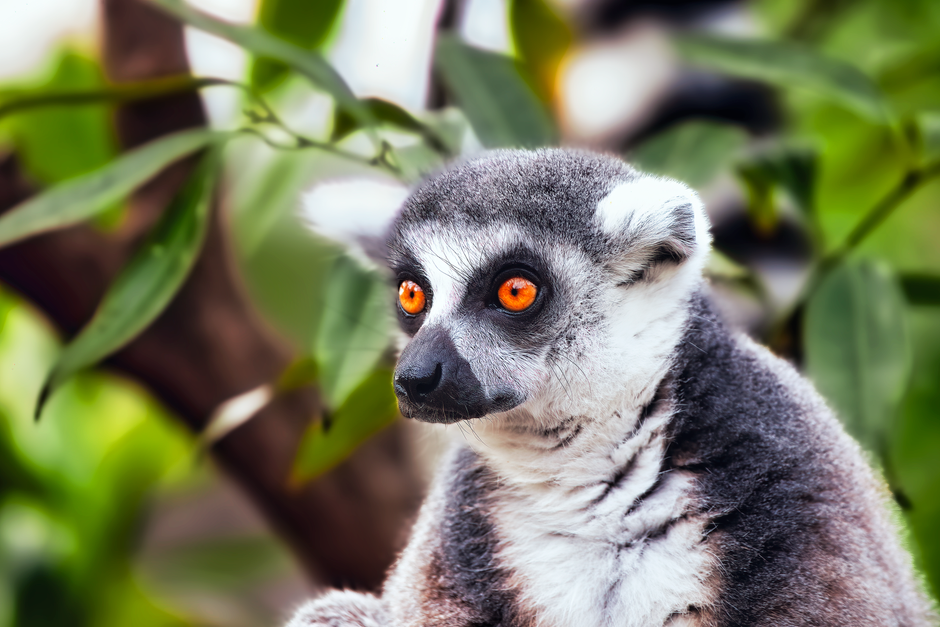
While crowds flock to the larger Nosy Be for its resorts, Nosy Komba delivers an authentic, car-free island experience where the soundtrack is rustling palms and chattering lemurs, not scooters. Just a 20-minute pirogue ride away, this volcanic island, known locally as “Lemur Island,” offers a sanctuary where black lemurs roam freely through village gardens and artisans have perfected their craft for generations. This is Madagascar at its most intimate and accessible.
Why Nosy Komba, Madagascar Stands Out

The sun is setting in the sky over the trees, Nosy Komba, Madagascar
- Historic Architecture: The island’s character is defined not by grand buildings but by its traditional Sakalava villages, with wooden huts built on stilts and woven palm roofs, a living architectural style passed down for centuries.
- Cultural Scene: The daily rhythm revolves around the art of wood carving and embroidery, with the main village of Ampangorinana functioning as a sprawling, open-air gallery where you can watch artisans at work.
- Local Specialties: Don’t miss trying *Romazava*, Madagascar’s national beef stew, or the incredibly fresh grilled lobster sold right on the beach for a fraction of the cost on Nosy Be.
Pro Tip: Arrive on the island before 10:30 AM. Most day-trippers from Nosy Be come after lunch, giving you a quiet morning with the lemurs and artisans. The best months are April-June and September-November for dry, pleasant weather and calm seas.
Map of Nosy Komba, Madagascar
Use these interactive maps to explore Nosy Komba, Madagascar and plan your route:
📍 View Nosy Komba, Madagascar on OpenStreetMap
🗺️ Open Nosy Komba, Madagascar in Google Maps
Planning Your Trip: Practical Essentials
Getting There and Around
- By Air: You’ll fly into Fascene Airport (NOS) on Nosy Be. From there, a 45-minute taxi (approx. 40,000 Ariary) to Hell-Ville port, then a 20-minute pirogue (motorized canoe) to Nosy Komba (10,000-15,000 Ariary per person). Book flights at Skyscanner for best deals.
- By Train: No train service exists to the island. All access is via boat from Nosy Be.
- By Car: Nosy Komba has no roads for cars. It’s a walkable island. For exploring Nosy Be beforehand, compare car rentals at RentalCars.com.
- Local Transport: Your feet are your primary transport. For moving luggage from the beach to your bungalow, porters are available for a small tip. Boat taxis connect different beach points.
Best Time to Visit
The ideal time balances dry weather, comfortable temperatures, and wildlife activity. The rainy season (December-March) can bring cyclones and make boat transfers choppy.
| Season | Weather | Highlights |
|---|---|---|
| Dry & Cool (Jun–Aug) | 22-28°C (72-82°F), low humidity, little rain | Best for hiking, peak whale watching (July-Sept), most comfortable for exploration, busier with tourists. |
| Hot & Wet (Dec–Feb) | 27-32°C (81-90°F), high humidity, daily heavy rains | Lush green scenery, but trails are muddy, boat crossings can be rough, some lodges close; low season prices. |
| Shoulder (Apr–May/Sep–Nov) | 24-30°C (75-86°F), sporadic short rains | The sweet spot: fewer crowds, pleasant weather, lower prices, excellent lemur viewing, and calm seas. |
Budgeting for Nosy Komba, Madagascar

Black and brown dinosaur toy, Nosy Komba, Madagascar
| Category | Budget | Mid-range | Luxury |
|---|---|---|---|
| Accommodation | 40,000-80,000 ARY/night (basic bungalow) | 80,000-180,000 ARY/night (beachfront bungalow with private bath) | 180,000+ ARY/night (eco-lodge with full board & guided tours) |
| Meals | 10,000 ARY (street food, simple rice dishes) | 20,000-40,000 ARY (restaurant meal with seafood) | 50,000+ ARY (multi-course dinner at a lodge) |
| Transport | 10,000 ARY (public pirogue) | 25,000 ARY (private boat taxi between beaches) | 150,000+ ARY (private boat charter for the day) |
| Activities | Free (village walks, beach time) | 10,000-30,000 ARY (lemur reserve entry, guided hike) | 80,000 ARY (private guided island tour with snorkeling) |
| Daily Total | 60,000-120,000 ARY ($13-$26) | 135,000-275,000 ARY ($30-$60) | 460,000+ ARY ($100+) |
*Note: 1 USD ≈ 4,600 Malagasy Ariary (ARY). Cash is king on Nosy Komba.
Top Attractions and Must-See Sights
| Attraction | Description | Hours | Entry Fee |
|---|---|---|---|
| Ampangorinana Village & Lemur Reserve | The heart of the island, where you can feed friendly black lemurs and watch master woodcarvers and embroiderers at work in their family workshops. | Daily, 8 AM – 5 PM | 10,000 ARY (covers lemur feeding & village visit) |
| Nosy Tanikely Marine Reserve | A short boat ride away, this pristine islet offers some of Madagascar’s best snorkeling with sea turtles, rays, and vibrant coral in crystal-clear water. | Best visited 9 AM – 3 PM | 10,000 ARY park fee + boat transfer (25,000-40,000 ARY) |
| Mount Antaninaomby Hike | A moderate 2-hour hike to the island’s highest point (622m) for breathtaking 360° views of Nosy Be, Nosy Sakatia, and the Indian Ocean. | Start by 7 AM for coolest temps | Free, but a local guide is recommended (20,000 ARY tip) |
| Andampy Beach & Turtle Spotting | A serene, less-visited beach on the east coast where, with patience, you can sometimes spot sea turtles feeding in the seagrass beds close to shore. | All day | Free |
3-Day Itinerary: Nosy Komba, Madagascar’s Highlights & Hidden Gems
Day 1: Lemurs, Artisans & Arrival
- Morning (7-9 AM): Catch an early public pirogue from Hell-Ville (Nosy Be). Arrive at Ampangorina beach, settle into your bungalow, and enjoy a fresh fruit breakfast.
- Afternoon (12-3 PM): Pay the village entry fee and explore Ampangorinana. Feed bananas to the endemic black lemurs. Watch artisans carve mahogany and embroider intricate tablecloths. For lunch, try Chez Mama’s beach shack for grilled fish and rice (15,000 ARY).
- Evening (6-8 PM): Watch the sunset from the main beach with a Three Horses Beer. Enjoy dinner at Le Grand Bleu, known for its octopus salad and lobster.
Day 2: Snorkeling & Summit Views
- Morning (8 AM): Charter a small boat (approx. 40,000 ARY for 2 people) to Nosy Tanikely. Snorkel for 2-3 hours amongst turtles and technicolor fish. Pack water and snacks.
- Afternoon (1 PM): Return to Nosy Komba for a late, leisurely lunch of *Mofo Akondro* (banana fritters) from a village stall.
- Evening (5 PM): Take a gentle stroll to a viewpoint for sunset, then dine at your lodge or try Bungalow Rose for a hearty *Romazava* stew.
Day 3: Hiking & Hidden Beaches
- Morning (7 AM): Hike Mount Antaninaomby with a local guide (arrange the night before). The climb takes about 2 hours roundtrip and rewards you with phenomenal views.
- Afternoon (12 PM): After descending, hire a boat taxi (15,000 ARY) to the tranquil Andampy Beach. Swim, relax, and keep an eye out for turtles.
- Evening (6 PM): Enjoy your final dinner on the island. For a special treat, many lodges can arrange a *brochette de poisson* (fish skewer) beach barbecue under the stars.
Cultural Insights & Etiquette
- Language: Malagasy is the official language. French is widely spoken in tourism. Learn a few phrases: “Manao ahoana” (Hello), “Misaotra” (Thank you), “Azafady” (Please/Excuse me).
- Customs: Always ask permission before taking photos of people, especially elders. A polite “Azafady, photo?” with a smile goes a long way. It’s respectful to use your right hand for giving and receiving items.
- Tipping: Not mandatory but deeply appreciated. For guides, 5,000-10,000 ARY is standard. Round up restaurant bills or leave small change. For porters, 2,000-5,000 ARY per bag.
- Dress Code: Modesty is key, especially in villages. Cover shoulders and knees. Swimwear is only for the beach; always cover up when walking through populated areas.
- Business Hours: Shops and artisan stalls are open from ~8 AM until sunset. Everything slows down in the midday heat. There’s no rush on “Moramora” time.
Where to Eat: Nosy Komba, Madagascar’s Best Bites
Dining on Nosy Komba is a delightfully simple affair, focused on the day’s catch from the pirogues and tropical fruits. Most restaurants are attached to lodges or are simple family-run beach shacks. Don’t expect fancy menus; expect incredibly fresh, flavorful food.
Must-Try Local Specialties
- Romazava: A hearty, leafy green stew with zebu (Malagasy beef), tomatoes, and ginger. It’s the national dish. Try it at any local guesthouse for an authentic version.
- Grilled Lobster (Ombika): Sold by weight on the beach. For about 30,000 ARY, you can get a whole lobster grilled to order with rice and a spicy *lasary* (tomato relish).
- Mofo Gasy: Malagasy rice cakes, a popular and cheap breakfast or snack. Look for vendors selling them from baskets in the village in the morning.
Restaurant Recommendations by Budget
| Type | Restaurant | Specialty | Price Range |
|---|---|---|---|
| Budget | Chez Mama (Ampangorina Beach) | Fresh grilled fish with coconut rice, served on plastic tables in the sand. | 10,000-18,000 ARY |
| Mid-range | Le Grand Bleu (near main pier) | Excellent seafood platters, French-Malagasy fusion, and the best wine selection on the island. | 25,000-45,000 ARY |
| Fine dining | Lodge Restaurant at Nosy Komba Resort | Multi-course set menus featuring local ingredients with European flair, often requiring advance reservation. | 50,000+ ARY |
Where to Stay
Accommodation ranges from ultra-basic bungalows to comfortable eco-lodges. Most are clustered around Ampangorina beach (convenient, livelier) or on more secluded beaches like Andampy (tranquil, remote). Book well in advance in peak season. Compare prices and book at Booking.com or Airbnb for apartments (though options are limited).
Best Neighborhoods for Accommodation
- Ampangorina Beach: The main arrival point. Pros: Easy access to village, restaurants, and boat transfers. Bustling with day-tripper energy by afternoon. Best for first-time visitors and those who want convenience.
- Andampy & South Coast Beaches: Secluded and peaceful. Pros: Privacy, beautiful beaches, sense of escape. Cons: Require a boat taxi to reach the village or other services, fewer dining options. Ideal for honeymooners and tranquility-seekers.
- Hillside Lodges: Scattered on the slopes above Ampangorina. Pros: Stunning views, cooler breezes, often more upscale. Cons: Steep walks down to the beach. Perfect for those wanting panoramic views and a bit more comfort.
Vivid portrait of a ring-tailed lemur with striking orange eyes in lush gre…, Nosy Komba, Madagascar
FAQs: Your Nosy Komba, Madagascar Questions Answered
1. Is Nosy Komba, Madagascar safe at night?
Yes, it is generally very safe. The island has a small, close-knit community with low crime. However, standard precautions apply: avoid walking alone on dark, deserted paths, use a flashlight, and secure your valuables in your bungalow. The biggest hazards are often natural, like uneven paths.
2. What currency is used and are credit cards accepted?
The Malagasy Ariary (ARY) is the currency. Cash is essential on Nosy Komba. Bring enough Ariary from Nosy Be, as there are NO ATMs on the island. A few upscale lodges may accept Euros or credit cards, but don’t rely on it. Exchange money at the airport or in Hell-Ville.
3. How do I get from the airport to the island?
From Fascene Airport (NOS), take a taxi to Hell-Ville port (45 mins, ~40,000 ARY). From the port, walk to the public pirogue dock (ask for “bateau pour Nosy Komba”). The public crossing costs 10,000-15,000 ARY per person. For a smoother arrival, you can book a private transfer through your lodge. Book airport transfers at GetYourGuide for convenience.
4. Do I need to speak the local language?
Not at all. Basic French is very useful, as many in tourism speak it. In the main village and lodges, you’ll find some English speakers. Learning
Related Guides
Explore more destinations similar to Nosy Komba:
- Azogues, Ecuador’s Hidden Panamas, Panoramas & Pilgrimage (2026)
- Voronezh, Russia’s Essential History, Resilience & Riverside Charm (2026)
- Sao Filipe, Cape Verde: Ultimate Colonial Charm, Volcanic Vistas & Soulful Morna (2025)
- Berkane, Morocco (Saïdia’s alternative)
{“@context”: “https://schema.org”, “@type”: “FAQPage”, “mainEntity”: [{“@type”: “Question”, “name”: “What is the best time to visit Nosy Komba?”, “acceptedAnswer”: {“@type”: “Answer”, “text”: “The best time to visit Nosy Komba depends on your preferences. Generally, the dry season offers the most pleasant weather for sightseeing and outdoor activities.”}}, {“@type”: “Question”, “name”: “How many days do I need in Nosy Komba?”, “acceptedAnswer”: {“@type”: “Answer”, “text”: “Most travelers spend 3-5 days in Nosy Komba to see the main attractions. A week allows for a more relaxed pace and day trips.”}}, {“@type”: “Question”, “name”: “Is Nosy Komba expensive to visit?”, “acceptedAnswer”: {“@type”: “Answer”, “text”: “Nosy Komba can be visited on various budgets. Accommodation ranges from hostels to luxury hotels, and local restaurants offer affordable dining.”}}]}

