
Antananarivo, Madagascar: Amazing Lemurs, Layers of History & High-Plateau Charm (2025)
Ask locals about Antananarivo, and they’ll tell you about the *zoma*, the legendary Friday market that once sprawled across the city center, a chaotic symphony of commerce that defined life here for over a century. While the market has been decentralized, its spirit lives on in the labyrinthine artisanal alleys of Analakely. Most guidebooks miss this completely, focusing only on the royal hilltops, but savvy travelers know the real pulse of “Tana” is found in these bustling, everyday layers where French colonial architecture meets vibrant Malagasy street life.
Why Antananarivo, Madagascar Stands Out

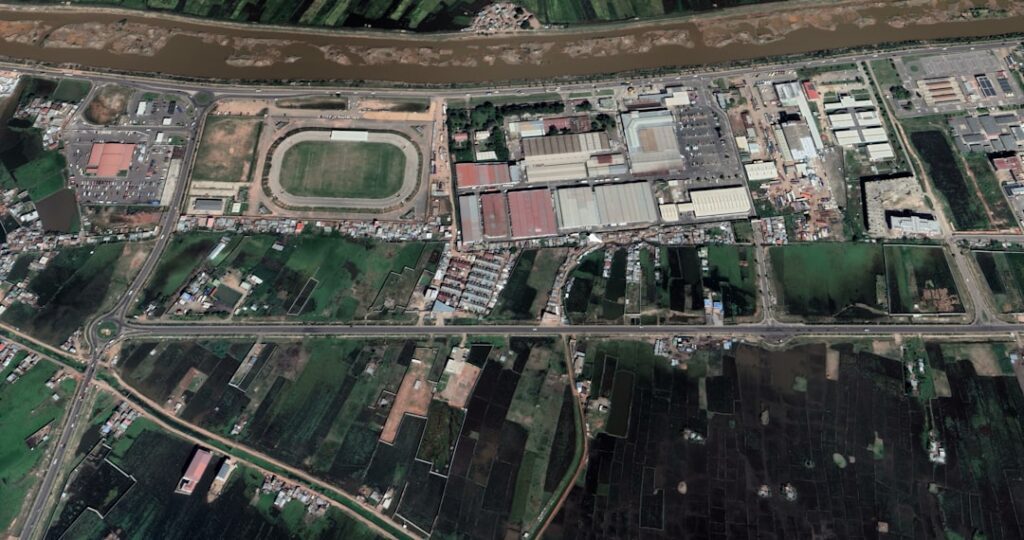
An aerial view of a city, Antananarivo, Madagascar
- Historic Architecture: The Rova of Antananarivo (the Queen’s Palace), a wooden palace built in 1873 that crowns the city, is a poignant symbol of the Merina Kingdom, tragically burned in 1995 and now partially restored.
- Cultural Scene: The Famadihana, or “turning of the bones,” is a unique ancestral celebration where families gather to rewrap the remains of loved ones in fresh silk shrouds, accompanied by music and feasting.
- Local Specialties: You must try *Romazava*, the national stew of beef or pork with leafy greens (brèdes) and a distinctive, peppery flavor.
Pro Tip: The best time to explore the city’s hills on foot is during the dry, cool season from April to October. For a truly crowd-free experience at major sites like the Rova, aim for weekday mornings right at opening (9 AM). The afternoons can be hot, and the stairways steep.
Map of Antananarivo, Madagascar
Use these interactive maps to explore Antananarivo, Madagascar and plan your route:
📍 View Antananarivo, Madagascar on OpenStreetMap
🗺️ Open Antananarivo, Madagascar in Google Maps
Planning Your Trip: Practical Essentials
Getting There and Around
- By Air: Ivato International Airport (TNR) is 16km north of the city. It’s served by Air Madagascar, Air France, and Ethiopian Airlines. A pre-booked taxi to the city center costs about 45,000 MGA ($10). Book flights at Skyscanner for best deals.
- By Train: While long-distance rail travel is limited, the scenic “FCE” (Fianarantsoa-Côte Est) line to the east coast originates from the nearby town of Moramanga. For local planning, check schedules at the station. Reserve tickets at Trainline or the national railway website.
- By Car: Driving in Tana is challenging due to traffic and narrow hillside roads. Your best bet is to hire a car with a driver-guide (approx. 80,000 MGA/$18 per day). Compare car rentals at RentalCars.com.
- Local Transport: Use official “Taxi-Be” (large shared taxis on fixed routes) for 400 MGA per segment. For private trips, negotiate the fare with yellow city taxis before getting in (short trips 5,000-10,000 MGA). *Pousse-pousse* (rickshaws) are for short, flat distances in the lower city.
Best Time to Visit
Antananarivo’s highland climate is pleasant year-round, but the dry season offers the most comfortable conditions for exploring. The rainy season (November to March) brings lush greenery but also daily downpours and cyclones on the coast, which can affect travel plans.
| Season | Weather | Highlights |
|---|---|---|
| Cool & Dry (May–Oct) | 55-72°F (13-22°C), sunny days, chilly nights | Ideal for hiking the city’s hills, clear views, peak travel season with more tourists. |
| Warm & Wet (Nov–Mar) | 68-82°F (20-28°C), high humidity, frequent rain | Lush landscapes, fewer tourists, but some rural roads may be impassable. |
| Shoulder (Apr & late Oct) | 60-75°F (16-24°C), transitional, less rain | Good balance of pleasant weather, lower prices, and manageable crowds. |
Budgeting for Antananarivo, Madagascar

A view of a small village on a hill, Antananarivo, Madagascar
| Category | Budget | Mid-range | Luxury |
|---|---|---|---|
| Accommodation | Hostel/Guesthouse: 30,000-60,000 MGA ($7-13) | Boutique Hotel: 120,000-250,000 MGA ($27-55) | 5-Star Hotel: 400,000+ MGA ($88+) |
| Meals | Street Food/Hotely: 3,000-8,000 MGA ($0.65-1.75) | Restaurant: 15,000-30,000 MGA ($3.30-6.60) | Fine Dining: 50,000+ MGA ($11+) |
| Transport | Taxi-Be/Pousse-pousse: 500-5,000 MGA ($0.10-1.10) | Private Taxis: 10,000-20,000 MGA ($2.20-4.40) | Private Driver: 80,000+ MGA ($18+) |
| Activities | Market wandering, free viewpoints | Museum entries (avg. 10,000 MGA / $2.20) | Private guided day tours (from 150,000 MGA / $33) |
| Daily Total | 40,000-70,000 MGA ($9-15) | 150,000-300,000 MGA ($33-66) | 500,000+ MGA ($110+) |
Top Attractions and Must-See Sights
| Attraction | Description | Hours | Entry Fee |
|---|---|---|---|
| Rova of Antananarivo (Manjakamiadana) | The restored stone shell of the Queen’s Palace offering the city’s most iconic panoramic views and a profound sense of history. | 9 AM – 4:30 PM, Closed Tue | 10,000 MGA ($2.20) |
| Andafiavaratra Palace | The former Prime Minister’s palace, now a museum housing royal artifacts saved from the Rova fire, including jewelry and historic photos. | 9 AM – 5 PM, Mon-Sat | 10,000 MGA ($2.20) |
| Analakely Market & Avenue de l’Indépendance | The bustling commercial heart of the lower city, perfect for people-watching and buying handicrafts, spices, and vanilla. | Daily, 7 AM – 6 PM (shops vary) | Free |
| Lemurs’ Park | A 30-minute drive from the center, this 5-hectare private reserve is your best bet to see nine species of lemurs up close in a semi-wild setting. | 9 AM – 5 PM Daily | 55,000 MGA ($12) |
3-Day Itinerary: Antananarivo, Madagascar’s Highlights & Hidden Gems
Day 1: Royal Hills & Historic Heart
- Morning (7-9 AM): Start early with a climb up the **160 steps** to the **Rova**. The morning light is perfect for photos, and you’ll beat the heat. The view over the city’s twelve sacred hills is unforgettable.
- Afternoon (12-3 PM): Walk down to **Andafiavaratra Palace** for a dose of history. For lunch, head to **La Varangue** (277 Rue Raveloary) for exceptional Franco-Malagasy fusion in a charming colonial house. Try the *duck with vanilla sauce*.
- Evening (6-8 PM): Stroll through **Ambohijatovo Park**, then enjoy dinner at **Villa Vanille** (Lot VK 11 Bis Antsakaviro) for authentic *Romazava* in a cozy garden setting.
Day 2: Markets, Crafts & Local Life
- Morning (8 AM): Dive into the **Analakely Market**. Hire a local guide (approx. 20,000 MGA / $4.40) for 2 hours to navigate the labyrinth and learn about spices, textiles, and crafts. Don’t miss the artisanal woodwork.
- Afternoon (1 PM): Take a taxi to **Is’Art Galerie** in Ambanidia. This contemporary art space showcases Madagascar’s vibrant modern artists. For lunch, grab a table at **KuDeTa** nearby for creative salads and sandwiches.
- Evening (7 PM): Experience Tana’s café culture at **Cookie Shop** in Ankadifotsy. Enjoy pastries and coffee before a relaxed dinner at **Le Saka** for superb grilled zebu (Malagasy beef).
Day 3: Lemurs & Lake Views
- Morning (8 AM): Book a taxi for the 30-minute drive to **Lemurs’ Park** (55,000 MGA entry). The 90-minute guided tour gets you within feet of dancing Sifakas and curious Brown Lemurs in a beautiful riverside setting.
- Afternoon (1 PM): Return towards the city and stop at **Lac Anosy**, the heart-shaped lake with its iconic Angel monument. Have lunch at **Ivandry Kitchen** in the upscale Ivandry district, known for its fresh, seasonal plates.
- Evening (6 PM): For your final night, savor a sunset cocktail at the rooftop bar of **Hotel Sakamanga** (Route Circulaire) followed by a farewell dinner at **Rossi** for what many locals recommend as the best Italian food in the city.
Cultural Insights & Etiquette
- Language: Malagasy and French are official. Learn a few phrases: “Manao ahoana” (Hello), “Misaotra” (Thank you), “Azafady” (Please/Excuse me). English is limited outside tourist hotels.
- Customs: Always ask permission before taking photos of people. Pointing with an index finger is considered rude; use an open hand instead. Elders and ancestors (*razana*) are deeply respected.
- Tipping: Not mandatory but appreciated. In restaurants, 5-10% is generous if service isn’t included. For guides and drivers, 5,000-10,000 MGA per day is a good guideline.
- Dress Code: Modesty is key. Avoid revealing clothing. When visiting sacred sites like the Rova or rural villages, covering shoulders and knees is a sign of respect.
- Business Hours: Shops typically open 8 AM – 6 PM, often closed for a long lunch (12-2 PM). Banks are open 8 AM – 4 PM, Mon-Fri. Major public holidays can shut everything down.
Where to Eat: Antananarivo, Madagascar’s Best Bites
Malagasy cuisine is a unique blend of Southeast Asian, African, and French influences, centered on rice (*vary*), which is served with almost every meal. Street food is adventurous and delicious, while the city boasts a surprising number of excellent French and fusion restaurants.
Must-Try Local Specialties
- Romazava: The national meat and leafy green stew, flavored with ginger and *brèdes mafana* (a local green). Try it at **La Varangue** or any traditional *hotely* (local eatery).
- Ravitoto: A hearty dish of shredded cassava leaves cooked with pork, a staple comfort food. **Chez Mariette** in Isoraka is famous for its homestyle version.
- Mofo Gasy: Sweet rice flour pancakes, a popular and cheap breakfast snack sold by street vendors everywhere in the morning.
Restaurant Recommendations by Budget
| Type | Restaurant | Specialty | Price Range |
|---|---|---|---|
| Budget | **Hotelys in Analakely Market** | Authentic, no-frills *ravitoto* or *hen’omby ritra* (beef stew) | 3,000-8,000 MGA ($0.65-1.75) |
| Mid-range | **Le Saka** (Ankaditoho) | Perfectly grilled Zebu steaks and a lively atmosphere | 15,000-30,000 MGA ($3.30-6.60) |
| Fine dining | **La Varangue** (Near Rova) | Elegant Franco-Malagasy fusion in a historic setting | 40,000-80,000 MGA ($9-18) |
Where to Stay
Accommodation in Tana ranges from basic guesthouses to international luxury chains. The key is choosing a neighborhood that suits your travel style: historic, central, or tranquil. Compare prices and book at Booking.com or Airbnb for apartments.
Best Neighborhoods for Accommodation
- Isoraka: The historic, charming heart of the upper city. Cobbled streets, colonial houses, boutique hotels, and great restaurants. Perfect for walkers, but can be hilly. Suits culture and history lovers.
- Analakely/Lower City: The bustling commercial center. Close to markets, banks, and transport hubs. More noise and traffic, but very central and often more budget-friendly. Best for shoppers and short stays.
- Ivandry & Ankorondrano: The modern, upscale diplomatic and business districts. Features international hotels, sleek restaurants, and shopping centers. Less historic charm but offers convenience and tranquility. Ideal for business travelers or those seeking comfort.

A road with cars on it and buildings on the side, Antananarivo, Madagascar
FAQs: Your Antananarivo, Madagascar Questions Answered
1. Is Antananarivo, Madagascar safe at night?
Exercise increased caution, especially after dark. Petty crime like pickpocketing and bag-snatching is common in crowded areas. Your best bet is to avoid walking alone at night, use registered taxis for transportation, and keep valuables out of sight. Stick to well-lit, busier areas and follow hotel advice.
2. What currency is used and are credit cards accepted?
The currency is the Malagasy Ariary (MGA). As of late 2023, $1 USD ≈ 4,500 MGA. Credit cards (Visa/Mastercard) are accepted in larger hotels, upscale restaurants, and some shops, but cash is king. Always carry small denominations of Ariary for markets, taxis, and small purchases. ATMs are widely available in
Related Guides
Explore more destinations similar to Antananarivo:
- Big Sur, USA’s Hidden Coastal Majesty, Redwood Forests & Highway 1 Adventure (2025)
- Bajawa, Indonesia’s Essential Volcanoes, Megaliths & Ancient Ngada Culture (2026)
- Karnataka, India’s Best Temples, Coffee & Untamed Wildlife (2026)
- Córdoba, Argentina’s Hidden Mountains, Music & Colonial Majesty (2026)

