
Nadi (beyond Denarau), Fiji: Incredible Waterfalls, Markets & Mountain Temples (2025)
While 85% of Fiji’s visitors head straight to coastal resorts, the real Nadi reveals itself inland where volcanic peaks rise 1,324 feet above emerald valleys. Here, you’ll find the Garden of the Sleeping Giant blooming with 2,000 orchid varieties just 15 minutes from town, traditional Fijian villages where kava ceremonies welcome strangers, and local markets where $3 FJD buys a feast of tropical fruits. This is where Fiji’s soul lives—beyond the beaches.
Why Nadi (beyond Denarau), Fiji Stands Out

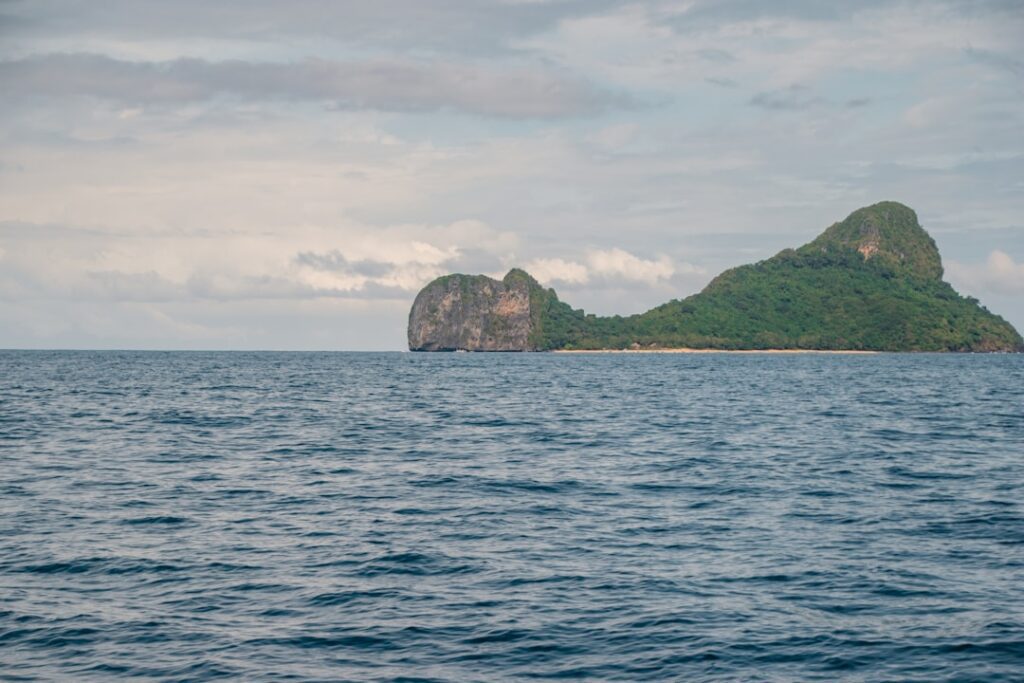
Green trees beside sea during daytime, Nadi (beyond Denarau), Fiji
- Historic Architecture: Sri Siva Subramaniya Temple (1976) showcases Dravidian architecture with hand-carved deities imported from Indian artisans
- Cultural Scene: The annual Hibiscus Festival transforms Prince Charles Park with eight days of music, dancing, and traditional lovo feasts
- Local Specialties: Kokoda—Fiji’s answer to ceviche with fresh mahi-mahi marinated in lime and coconut cream
Pro Tip: Visit between 2-4 PM when tour buses return to Denarau—you’ll have attractions like the Sleeping Giant Garden almost to yourself while catching the golden hour light perfect for photography.
Map of Nadi (beyond Denarau), Fiji
Use these interactive maps to explore Nadi (beyond Denarau), Fiji and plan your route:
📍 View Nadi (beyond Denarau), Fiji on OpenStreetMap
🗺️ Open Nadi (beyond Denarau), Fiji in Google Maps
Planning Your Trip: Practical Essentials
Getting There and Around
- By Air: Nadi International Airport (NAN) serves as Fiji’s main gateway with direct flights from Australia, New Zealand, and the US. Book flights at Skyscanner for best deals.
- By Train: Fiji has no passenger rail system—intercity travel happens via buses, ferries, or domestic flights to nearby islands.
- By Car: The Queens Road connects Nadi to Suva with stunning coastal views. Compare car rentals at RentalCars.com.
- Local Transport: Local buses cost $1-3 FJD per ride—look for the bright yellow and blue buses departing from Nadi Bus Station near the market.
Best Time to Visit
Fiji’s dry season (May-October) offers ideal conditions for exploring inland Nadi, while the wet season brings lush landscapes but occasional road closures to remote attractions.
| Season | Weather | Highlights |
|---|---|---|
| Dry Season (May–Oct) | 75-85°F, low humidity, minimal rainfall | Perfect hiking conditions, clear mountain views, festival season |
| Wet Season (Nov–Apr) | 80-90°F, high humidity, afternoon showers | Lush vegetation, powerful waterfalls, fewer tourists |
| Shoulder (Apr–May/Oct–Nov) | 78-88°F, occasional brief showers | Best value accommodations, comfortable exploration weather |
Budgeting for Nadi (beyond Denarau), Fiji

Palm trees line the shoreline of a tropical beach, Nadi (beyond Denarau), Fiji
| Category | Budget | Mid-range | Luxury |
|---|---|---|---|
| Accommodation | $40-60 FJD (hostels/guesthouses) | $120-200 FJD (boutique hotels) | $300+ FJD (resort villas) |
| Meals | $15-25 FJD (market/local eateries) | $40-60 FJD (restaurants) | $100+ FJD (fine dining) |
| Transport | $5-10 FJD (local buses) | $30-50 FJD (taxis/car rental) | $100+ FJD (private driver) |
| Activities | $10-20 FJD (temples/gardens) | $50-80 FJD (guided tours) | $150+ FJD (private experiences) |
| Daily Total | $70-115 FJD | $240-390 FJD | $650+ FJD |
Top Attractions and Must-See Sights
| Attraction | Description | Hours | Entry Fee |
|---|---|---|---|
| Garden of the Sleeping Giant | Raymond Burr’s former orchid collection with jungle walks through the foothills | 9 AM-5 PM daily | $20 FJD |
| Sri Siva Subramaniya Temple | Southern hemisphere’s largest Hindu temple with vibrant traditional architecture | 6 AM-6 PM daily | $5 FJD donation |
| Nadi Market | Authentic local market with exotic fruits, kava roots, and Fijian crafts | 6 AM-6 PM daily | Free |
| Sabeto Hot Springs and Mud Pool | Therapeutic natural mud baths at the base of sleeping giant mountain | 8 AM-5 PM daily | $25 FJD |
3-Day Itinerary: Nadi (beyond Denarau), Fiji’s Highlights & Hidden Gems
Day 1: Cultural Immersion & Market Life
- Morning: 7:30 AM arrival at Nadi Market to watch vendors arrange exotic fruits—don’t miss the sweet Fijian pineapples ($2 FJD each) and sampling fresh coconut water straight from the shell.
- Afternoon: 12 PM temple visit followed by lunch at Maharaj Restaurant for their legendary butter chicken thali ($18 FJD) served on banana leaves.
- Evening: 6 PM kava ceremony experience at a local village (book through Talanoa Tours, $45 FJD) followed by dinner at Tu’s Place for authentic Fijian kokoda.
Day 2: Nature & Adventure
- Morning: 8 AM guided hike through Garden of the Sleeping Giant ($35 FJD including transport) – the early start ensures you’ll hear native birds and have the orchid houses to yourself.
- Afternoon: 1 PM mud bath therapy at Sabeto Hot Springs – locals recommend the three-step process: mud application, sun drying, thermal pool rinse.
- Evening: 6:30 PM dinner at Nadina Authentic Fijian Restaurant—their lovo night (Friday only) features earth-oven cooked meats and traditional dancing.
Day 3: Mountain Temples & Local Crafts
- Morning: 8 AM bus to Viseisei Village ($3 FJD), Fiji’s oldest settlement, where you can visit the historic church and watch traditional mat weaving demonstrations.
- Afternoon: 12:30 PM cooking class at Flavours of Fiji ($65 FJD) learning to make kokoda and cassava cakes, followed by enjoying your creations for lunch.
- Evening: 5:30 PM sunset viewing from Sri Siva Subramaniya Temple grounds when the golden light illuminates the colorful deities—a photographer’s dream.
Cultural Insights & Etiquette
- Language: English is widely spoken, but learning “Bula” (hello), “Vinaka” (thank you), and “Moce” (goodbye) delights locals
- Customs: Always remove shoes before entering homes and temples; present a sevusevu (kava gift) when visiting villages
- Tipping: Not expected but appreciated—5-10% in restaurants; round up taxi fares
- Dress Code: Modest clothing covering shoulders and knees for temples and villages; resort wear acceptable elsewhere
- Business Hours: Most shops open 8 AM-5 PM Monday-Friday, 8 AM-1 PM Saturday; everything closed Sunday
Where to Eat: Nadi (beyond Denarau), Fiji’s Best Bites
Fijian cuisine reflects its multicultural heritage—you’ll find Indian curries alongside traditional Fijian earth-oven cooking and Chinese-influenced stir-fries, all showcasing incredible local seafood and tropical produce.
Must-Try Local Specialties
- Kokoda: Fiji’s signature ceviche with fresh fish “cooked” in lime juice and mixed with coconut cream—best at Tu’s Place near the market
- Lovo: Traditional feast where meat and root vegetables are cooked in an underground oven—Nadina Restaurant offers this weekly
- Roti with Curry: Soft flatbread served with fragrant curries—Maharaj Restaurant has been perfecting theirs for 30 years
Restaurant Recommendations by Budget
| Type | Restaurant | Specialty | Price Range |
|---|---|---|---|
| Budget | Nadi Market Food Stalls | Fresh fruit, roti wraps, and fish curry | $5-15 FJD |
| Mid-range | Maharaj Restaurant | Authentic North Indian thali meals | $20-40 FJD |
| Fine dining | Nadina Authentic Fijian Restaurant | Traditional lovo feasts with cultural表演 | $50-80 FJD |
Where to Stay
Accommodation ranges from friendly family-run guesthouses near the market to boutique resorts nestled in the foothills with mountain views. Compare prices and book at Booking.com or Airbnb for apartments.
Best Neighborhoods for Accommodation
- Central Nadi: Walking distance to markets and temples, budget-friendly options, can be noisy—perfect for solo travelers
- Sabeto Valley: Peaceful mountain setting near gardens and hot springs, requires transport—ideal for nature lovers
- Martintar: Convenient location between airport and town, good restaurant selection—great for families

Green trees near body of water during daytime, Nadi (beyond Denarau), Fiji
FAQs: Your Nadi (beyond Denarau), Fiji Questions Answered
1. Is Nadi (beyond Denarau), Fiji safe at night?
Generally safe, but take normal precautions—stick to well-lit areas, avoid displaying valuables, and use registered taxis after dark. Villages are particularly safe with strong community values.
2. What currency is used and are credit cards accepted?
Fijian dollars (FJD) are the local currency. Credit cards work at hotels and larger restaurants, but you’ll need cash for markets, buses, and smaller establishments—ATMs are widely available in town.
3. How do I get from the airport to the city center?
Taxis cost $15-20 FJD (10-minute ride), while local buses are $1 FJD but don’t directly serve the airport. Book airport transfers at GetYourGuide for convenience.
4. Do I need to speak the local language?
English is an official language and widely spoken. Learning a few Fijian greetings will enhance your experience and show respect for local culture.
5. What’s the appropriate dress code?
Lightweight casual clothing works for most situations, but pack modest options (covering shoulders and knees) for temple visits and village ceremonies.
Final Thoughts: Nadi (beyond Denarau), Fiji Awaits
Beyond the resort gates lies the authentic Fiji—where mountain temples catch the morning light, market vendors know regulars by name, and the scent of earth oven cooking drifts through village evenings. Savvy travelers discover that Nadi’s true magic lives in these inland experiences, where Fijian hospitality feels genuine and landscapes remain refreshingly untouched. Don’t leave without experiencing a kava ceremony—that first taste of earthy grog marks the moment you transition from visitor to honored guest in Fiji’s welcoming heartland.
Related Guides
Explore more destinations similar to Nadi (beyond Denarau):
- Bucaramanga, Colombia’s Hidden Adventure, Architecture & Ajiaco Santandereano (2025)
- Bardia National Park, Nepal’s Essential Tigers, Wilderness & Tharu Culture (2025)
- Taitung County, Taiwan on a Budget: How to Live Like a Local for $35/Day (2026)
- Île de la Gonâve, Haiti’s Hidden Seclusion, Sea Turtles & Untamed Coastlines (2026)

