
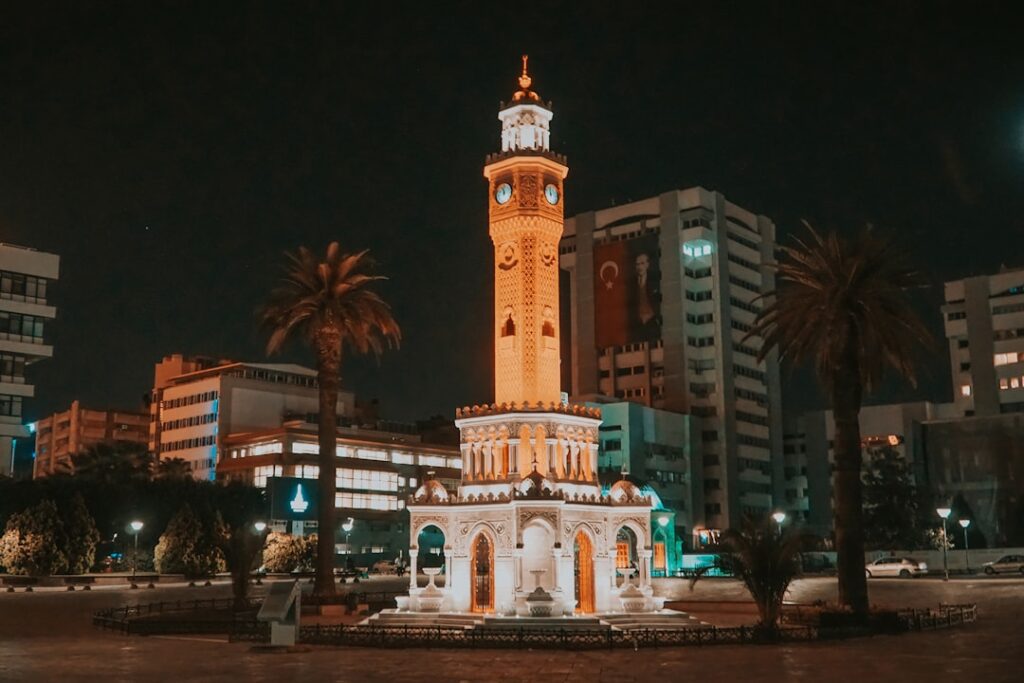
Karak, Jordan: Incredible Crusader Castles, Biblical Landscapes & Bedouin Hospitality (2025)
While crowds flock to Petra’s rose-red facades, Karak reveals Jordan’s medieval soul through a sprawling Crusader fortress that witnessed Saladin’s siege in 1187. At sunset, the stone walls glow like honey against the desert backdrop, while the scent of cardamom coffee drifts from family-run eateries below. This isn’t just another castle visit—it’s walking through 900 years of Crusader, Mamluk, and Ottoman history where every stone tells a story of conquest and coexistence.
Why Karak, Jordan Stands Out

A view of a village in the middle of the desert, Karak, Jordan
- Historic Architecture: Karak Castle (1142 AD) showcases Crusader military genius with its seven-level defensive system and underground passages stretching nearly the entire hilltop.
- Cultural Scene: The annual Karak Festival transforms the castle courtyards with traditional Bedouin music, horse shows, and local crafts each September.
- Local Specialties: Mansaf—Jordan’s national dish of lamb cooked in fermented yogurt sauce served over rice—tastes most authentic in Karak’s family restaurants.
Pro Tip: Visit the castle between 3-5 PM when the setting sun illuminates the stonework with golden light and day-trippers from Amman have already departed. October through April offers perfect hiking weather with temperatures in the 60s-70s°F.
Map of Karak, Jordan
Use these interactive maps to explore Karak, Jordan and plan your route:
📍 View Karak, Jordan on OpenStreetMap
🗺️ Open Karak, Jordan in Google Maps
Planning Your Trip: Practical Essentials
Getting There and Around
- By Air: Queen Alia International Airport (AMM) in Amman is 140km north; Royal Jordanian and international carriers serve it regularly. Book flights at Skyscanner for best deals.
- By Train: Jordan has limited passenger rail; the historic Hejaz Railway doesn’t currently serve Karak with regular passenger service. Reserve tickets at Trainline or the national railway website for regional travel.
- By Car: The Desert Highway connects Amman to Karak in 2.5 hours; free parking available near the castle entrance. Compare car rentals at RentalCars.com.
- Local Transport: Service taxis (servees) run between cities for 3-5 JOD; within Karak, taxis cost 2-4 JOD per ride. No public bus system operates within the town itself.
Best Time to Visit
Karak’s high desert location means warm days and cool nights year-round, but spring and autumn deliver ideal conditions for exploring the extensive castle ruins without extreme temperatures.
| Season | Weather | Highlights |
|---|---|---|
| Summer (Jun–Aug) | 85-95°F days, 60-65°F nights, completely dry | Long daylight hours for exploration, vibrant evening culture, fewer crowds than coastal destinations |
| Winter (Dec–Feb) | 45-55°F days, 30-40°F nights, occasional rain | Dramatic atmosphere in the castle, lowest hotel rates, authentic local experience without tourists |
| Shoulder (Apr–May/Sep–Oct) | 65-80°F days, 50-60°F nights, pleasant breeze | Perfect hiking conditions, wildflowers in spring, harvest festivals in autumn, ideal photography light |
Budgeting for Karak, Jordan

A tree with flowers in a garden, Karak, Jordan
| Category | Budget | Mid-range | Luxury |
|---|---|---|---|
| Accommodation | 15-25 JOD/night (hostels, basic hotels) | 40-70 JOD/night (3-4 star hotels) | 100-150 JOD/night (boutique hotels) |
| Meals | 3-7 JOD (street food, local cafes) | 8-15 JOD (restaurant meals) | 20-30 JOD (fine dining) |
| Transport | 2-5 JOD (service taxis) | 15-25 JOD (private taxi for day) | 50+ JOD (private driver) |
| Activities | 1-3 JOD (castle entry, local museums) | 10-20 JOD (guided tours) | 50+ JOD (private archaeological tours) |
| Daily Total | 25-40 JOD | 75-120 JOD | 200+ JOD |
Top Attractions and Must-See Sights
| Attraction | Description | Hours | Entry Fee |
|---|---|---|---|
| Karak Castle | Massive Crusader fortress with underground passages, chapel ruins, and panoramic Dead Sea views | 8 AM-7 PM (summer), 8 AM-4 PM (winter) | 2 JOD (free with Jordan Pass) |
| Karak Archaeological Museum | Exhibits artifacts from Bronze Age to Islamic periods found in the castle excavations | 8 AM-3 PM (closed Tuesdays) | 1 JOD |
| Al-Mazar Islamic Village | Traditional village with Ottoman-era architecture and authentic Jordanian daily life | Always accessible | Free |
| Wadi Bin Hammad | Dramatic canyon with hot springs, hanging gardens, and hiking trails 30 minutes from Karak | Sunrise to sunset | Free |
3-Day Itinerary: Karak, Jordan’s Highlights & Hidden Gems
Day 1: Crusader History & Castle Exploration
- Morning: Arrive at Karak Castle at 8:30 AM to explore before crowds. Don’t miss the underground Mamluk Palace section where inscriptions reveal the castle’s Islamic period transformation.
- Afternoon: Lunch at Hikayet Sitti (2 JOD for shuttle) featuring authentic mansaf and maqluba. Visit Karak Archaeological Museum at 2 PM to see Nabatean pottery connecting Karak to Petra’s civilization.
- Evening: Sunset viewing from the castle’s northwest tower followed by dinner at Al-Madina Restaurant for their famous grilled meats and mezze (12 JOD).
Day 2: Biblical Landscapes & Local Culture
- Morning: Hire a taxi to Wadi Bin Hammad (15 JOD roundtrip) for a 2-hour hike through the stunning canyon with natural hot springs and lush vegetation.
- Afternoon: Return to Karak for lunch at Dar Al-Saraya, a converted Ottoman house serving traditional Jordanian dishes. Explore Al-Mazar village’s traditional architecture and craft shops.
- Evening: Experience Bedouin hospitality at a local family’s home (arranged through your hotel) for cardamom coffee and stories about Karak’s history.
Day 3: Regional Exploration & Departure
- Morning: Private car to Dead Sea (45 JOD) for floating in mineral-rich waters and mud treatments at Amman Beach resort (25 JOD entry).
- Afternoon: Lunch at Dead Sea restaurants featuring fresh fish before visiting Lot’s Cave, where according to tradition, Lot sought refuge after Sodom’s destruction.
- Evening: Return to Karak for final souvenir shopping in the old market before departure, picking up olive oil soap and traditional embroidery.
Cultural Insights & Etiquette
- Language: Arabic is official; learn “Marhaba” (hello), “Shukran” (thank you), “Kayf al-Hal?” (how are you?). English is understood in tourist areas.
- Customs: Always accept offered coffee or tea—refusing is considered rude. Use your right hand for eating and handing items. Friday is the holy day with limited morning operations.
- Tipping: 10% in restaurants if service not included; round up taxi fares; 2-5 JOD for guides depending on service quality.
- Dress Code: Modest clothing appreciated—cover shoulders and knees, especially when visiting religious sites or local homes.
- Business Hours: Shops 9 AM-1 PM and 4-8 PM (closed Fridays); government offices 8 AM-3 PM; restaurants open until 11 PM.
Where to Eat: Karak, Jordan’s Best Bites
Karak’s cuisine reflects its position along ancient trade routes—hearty lamb dishes, fragrant rice, and spices that traveled the Incense Road. Family-run restaurants dominate, offering generous portions and warm hospitality that’s become rare in Jordan’s more touristy areas.
Must-Try Local Specialties
- Mansaf: Jordan’s national dish of lamb cooked in jameed (fermented yogurt) served over rice; try it at Al-Quds Restaurant where they prepare it traditionally over wood fire.
- Maqluba: “Upside-down” dish of rice, vegetables, and meat cooked and flipped for serving; Hikayet Sitti makes the best version with eggplant and cauliflower.
- Zarb: Bedouin barbecue of meat and vegetables cooked in underground pits; available by advance request at desert camps around Karak.
Restaurant Recommendations by Budget
| Type | Restaurant | Specialty | Price Range |
|---|---|---|---|
| Budget | Al-Madina Restaurant (downtown) | Shawarma, falafel, and mixed grills | 3-7 JOD |
| Mid-range | Dar Al-Saraya (old Karak) | Traditional Jordanian dishes in Ottoman-era building | 8-15 JOD |
| Fine dining | Hikayet Sitti (castle view) | Modern interpretations of classic dishes with castle views | 16-25 JOD |
Where to Stay
Accommodation ranges from basic hotels near the castle to charming guesthouses in traditional homes. Staying in central Karak puts you within walking distance of the main attractions and authentic local life. Compare prices and book at Booking.com or Airbnb for apartments.
Best Neighborhoods for Accommodation
- Castle Area: Walking distance to main attraction, great views, but can be noisy; perfect for history enthusiasts on shorter visits
- Downtown Karak: Authentic local experience with markets and cafes, more budget options, but further from castle (10-15 minute walk)
- Surrounding Villages: Peaceful countryside settings, traditional hospitality, requires transportation; ideal for longer stays and cultural immersion

Winding road through arid desert landscape with greenery., Karak, Jordan
FAQs: Your Karak, Jordan Questions Answered
1. Is Karak, Jordan safe at night?
Karak is generally very safe, with low crime rates. The castle area is well-lit until closing, and the town center remains active until late evening. As with any travel destination, take normal precautions—avoid isolated areas after dark and keep valuables secure. Locals are famously hospitable and will often help visitors who appear lost or confused.
2. What currency is used and are credit cards accepted?
Jordanian Dinar (JOD) is the currency, with 1 JOD approximately equal to 1.41 USD. Credit cards are accepted at hotels and larger restaurants, but you’ll need cash for taxis, small shops, and local markets. ATMs are available in central Karak, though it’s wise to carry some dinar from Amman or the airport.
3. How do I get from the airport to the city center?
From Queen Alia Airport, take a taxi directly to Karak (approximately 70 JOD, 2.5 hours) or take the airport shuttle to Amman’s Abdali station (3 JOD) then a service taxi to Karak (5 JOD). Pre-booking through your hotel often gets better rates. Book airport transfers at GetYourGuide for convenience.
4. Do I need to speak the local language?
English is widely spoken in tourist areas, hotels, and restaurants. In local markets and villages, basic Arabic phrases will enhance your experience. Most Jordanians working in tourism speak excellent English, and you’ll find English signage at major sites. Learning simple greetings demonstrates respect and often leads to warmer interactions.
5. What’s the appropriate dress code?
Modest clothing is recommended—cover shoulders and knees for both men and women, especially when visiting religious sites, local homes, or conservative areas. Lightweight, loose-fitting clothing works well for the climate. In tourist areas like the castle, Western clothing is accepted, but dressing modestly shows cultural sensitivity and often results in more positive local interactions.
Final Thoughts: Karak, Jordan Awaits
Karak offers what many travelers seek but rarely find—authentic cultural immersion alongside world-class historical sites without the crowds. While Petra showcases Nabatean genius and the Dead Sea provides natural wonder, Karak reveals the living layers of Jordan’s medieval past. Savvy visitors know that the real magic happens after the day-trippers leave, when the castle walls glow at sunset and the scent of cardamom coffee invites conversation with locals. Don’t miss the underground passages where Crusader knights once walked—these less-visited sections hold the castle’s most fascinating stories and provide the perfect cool retreat during warmer hours. Karak proves that Jordan’s greatest treasures extend far beyond its most famous sites.
Related Guides
Explore more destinations similar to Karak:
- Pitcairn Island, UK: Seclusion, History & Unspoiled Nature (2026)
- Melaka, Malaysia’s Best Heritage, Riverfront Charm & Nyonya Cuisine (2025)
- The Ultimate Talara, Peru Guide (2026)
- Ureki, Georgia’s Essential Black Sand, Magnetic Therapy & Rustic Charm (2026)
{“@context”: “https://schema.org”, “@type”: “FAQPage”, “mainEntity”: [{“@type”: “Question”, “name”: “What is the best time to visit Karak?”, “acceptedAnswer”: {“@type”: “Answer”, “text”: “The best time to visit Karak depends on your preferences. Generally, the dry season offers the most pleasant weather for sightseeing and outdoor activities.”}}, {“@type”: “Question”, “name”: “How many days do I need in Karak?”, “acceptedAnswer”: {“@type”: “Answer”, “text”: “Most travelers spend 3-5 days in Karak to see the main attractions. A week allows for a more relaxed pace and day trips.”}}, {“@type”: “Question”, “name”: “Is Karak expensive to visit?”, “acceptedAnswer”: {“@type”: “Answer”, “text”: “Karak can be visited on various budgets. Accommodation ranges from hostels to luxury hotels, and local restaurants offer affordable dining.”}}]}

