
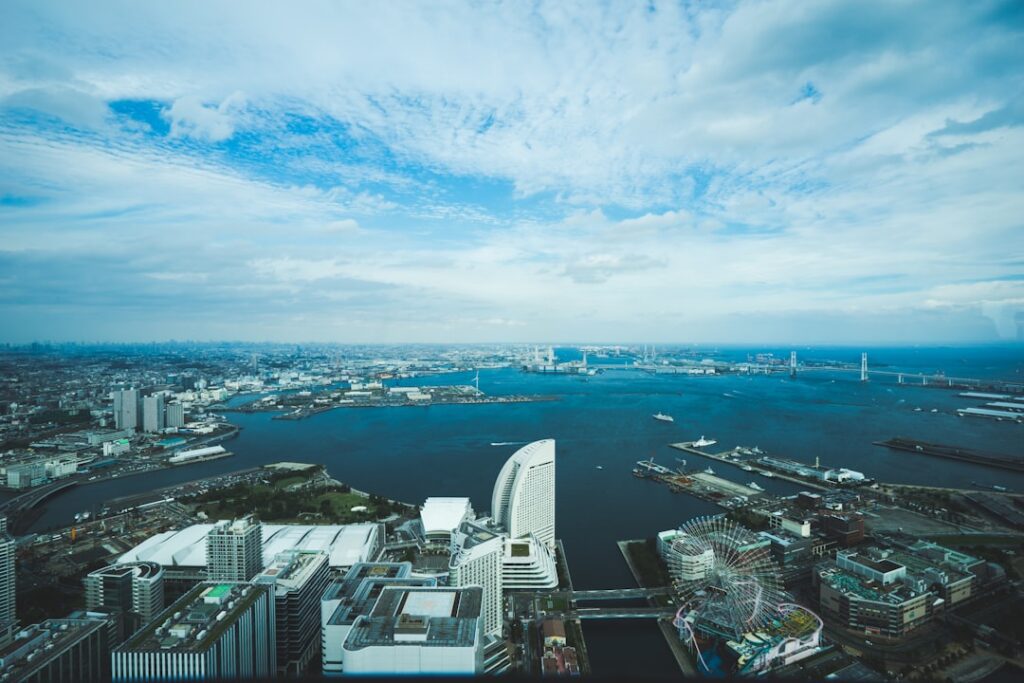
Yokohama, Japan’s Amazing Waterfronts, Ramen & Cosmopolitan Charm (2026)
While crowds flock to Tokyo just 30 minutes away, Yokohama, Japan delivers a spacious, walkable waterfront metropolis without the shoulder-to-shoulder intensity. Here, you can stroll along the 1.7-kilometer Yamashita Park promenade with Mount Fuji views on a clear day, explore the world’s largest Chinatown outside of Asia, and sip craft beer where Japan first opened to the West in 1859. This is where modern Japan began, and the relaxed, international spirit is still palpable.
Why Yokohama, Japan Stands Out

City scape scenery during sunset, Yokohama, Japan
- Historic Architecture: The iconic Red Brick Warehouse (Aka Renga Soko), built in 1911, is a stunning example of Meiji-era industrial design, now transformed into a vibrant shopping and dining complex overlooking the bay.
- Cultural Scene: The annual Yokohama Triennale, one of Japan’s most prestigious contemporary art exhibitions, transforms the city into a global art stage every three years, with installations across multiple venues.
- Local Specialties: You must try Shumai, Yokohama’s signature steamed pork dumpling, which is distinctively larger and juicier than versions found elsewhere, best enjoyed fresh from a Chinatown vendor.
Pro Tip: For the best photos of the Minato Mirai skyline with minimal crowds, head to the Osanbashi Pier just before 8 AM on a weekday. You’ll get stunning morning light on the Landmark Tower and Cosmo Clock 21 ferris wheel, with only a few joggers for company.
Map of Yokohama, Japan
Use these interactive maps to explore Yokohama, Japan and plan your route:
📍 View Yokohama, Japan on OpenStreetMap
🗺️ Open Yokohama, Japan in Google Maps
Planning Your Trip: Practical Essentials
Getting There and Around
- By Air: Most travelers fly into Tokyo’s Narita (NRT) or Haneda (HND) airports. From Haneda, the Keikyu Line takes just 25 minutes to Yokohama Station (¥500). From Narita, the Narita Express connects to Yokohama in 90 minutes (¥4,500). Book flights at Skyscanner for best deals.
- By Train: From Tokyo Station, the JR Tokaido Line or Yokosuka Line gets you to Yokohama Station in 25-30 minutes for just ¥500. The shinkansen (bullet train) also stops at Shin-Yokohama Station. Reserve tickets at Trainline or the national railway website.
- By Car: Driving is not recommended for city exploration due to complex parking (¥300-¥600/hour) and tolls. Renting a car is best for day trips to Hakone or the Miura Peninsula. Compare car rentals at RentalCars.com.
- Local Transport: The city is served by JR lines, the Minato Mirai subway line, and buses. Your best bet is a prepaid IC card (Suica or Pasmo) for all transport. The Yokohama Minato Burari 1-Day Ticket (¥500) offers unlimited bus travel. Check official city transport websites for passes and schedules.
Best Time to Visit
Yokohama enjoys a temperate climate, but the ideal times are spring and autumn for pleasant weather and vibrant scenery. Summers can be hot and humid, while winters are mild but chilly by the waterfront.
| Season | Weather | Highlights |
|---|---|---|
| Summer (Jun–Aug) | 75°F–85°F (24°C–30°C), humid with occasional rain | Spectacular harbor fireworks festivals in July/August, but expect crowds and higher hotel rates. |
| Winter (Dec–Feb) | 40°F–50°F (4°C–10°C), dry and sunny, chilly winds off the bay | Beautiful illuminations at Minato Mirai and the Red Brick Warehouse from mid-November to February, with fewer tourists. |
| Shoulder (Apr–May/Sep–Oct) | 60°F–75°F (15°C–24°C), mild and generally dry | Perfect for walking. Cherry blossoms in April at Sankeien Garden, and stunning autumn foliage in November. The gold standard for comfort. |
Budgeting for Yokohama, Japan

People walking on sidewalk near high rise building during daytime, Yokohama, Japan
| Category | Budget | Mid-range | Luxury |
|---|---|---|---|
| Accommodation | ¥5,000–¥8,000/night (capsule hotel or business hotel) | ¥15,000–¥25,000/night (3-4 star hotel in Minato Mirai) | ¥40,000+/night (The Yokohama Bay Hotel Tokyu or Hotel New Grand) |
| Meals | ¥2,500/day (convenience store breakfast, ramen lunch, gyudon dinner) | ¥6,000/day (cafe breakfast, set lunch, nice dinner in Chinatown) | ¥15,000+/day (fine dining kaiseki, high-end sushi) |
| Transport | ¥800/day (IC card for trains/buses) | ¥1,500/day (mix of train and occasional taxi) | ¥8,000+/day (private taxi hire) |
| Activities | ¥1,500/day (parks, temple visits, window shopping) | ¥4,000/day (one major attraction like Landmark Tower observatory) | ¥10,000+/day (private guided tours, special museum exhibits) |
| Daily Total | ¥9,800–¥12,800 | ¥26,500–¥36,500 | ¥73,000+ |
Top Attractions and Must-See Sights
| Attraction | Description | Hours | Entry Fee |
|---|---|---|---|
| Yokohama Landmark Tower Sky Garden | Take Japan’s fastest elevator to the 69th-floor observatory for a breathtaking 360-degree view of the bay, Mount Fuji, and Tokyo. | 10:00 AM – 9:00 PM (last entry 8:30 PM) | ¥1,300 (adults) |
| Sankeien Garden | A sprawling, serene Japanese garden featuring historic buildings relocated from across Japan, including a 500-year-old Kyoto villa. | 9:00 AM – 5:00 PM (hours vary by season) | ¥700 (adults) |
| Cup Noodles Museum | An interactive, fun tribute to instant ramen where you can design your own Cup Noodles package and see a wall of every flavor ever made. | 10:00 AM – 6:00 PM (closed Tuesdays) | ¥500 (adults), extra for My Cup Noodles Factory (¥500) |
| Yokohama Chinatown | Explore over 600 shops and restaurants in the vibrant heart of Japan’s largest Chinatown, a sensory feast of colors, smells, and flavors. | Shops: 10:00 AM – 8:00 PM, Restaurants vary | Free to enter |
3-Day Itinerary: Yokohama, Japan’s Highlights & Hidden Gems
Day 1: Waterfront Wonders & Modern History
- Morning (7-9 AM): Start with a peaceful walk along **Osanbashi Pier**. The unique wooden deck design offers unparalleled views of the Minato Mirai skyline. It’s free and beautifully quiet in the early hours.
- Afternoon (12-3 PM): Explore the **Red Brick Warehouse (No. 1 & 2)**. Have lunch at **Bills** in Warehouse No. 1 for their famous ricotta hotcakes (¥1,800) with a view of the bay. Browse the boutique shops for local crafts.
- Evening (6-8 PM): Ride the **Cosmo Clock 21 ferris wheel** (¥900) at dusk for glittering city lights. For dinner, head to **Air Cabin** in the Nippon Maru Memorial Park for tonkatsu at **Tonkatsu Wako** (set meal ~¥1,500).
Day 2: Cultural Crossroads & Culinary Delights
- Morning (9 AM): Dive into **Yokohama Chinatown** via the vibrant **Zenrinmon Gate**. Visit the **Kanteibyo Temple** (free), a colorful temple dedicated to the god of business. Grab fresh pork buns from **Manchinro Honten** (¥400 each).
- Afternoon (1 PM): Take a 10-minute train to **Sankeien Garden**. Spend 2-3 hours wandering its paths and historic tea houses. A perfect lunch spot is the garden’s own **Sankeien Charyou** tea house for matcha and a sweet (¥800).
- Evening (7 PM): Experience the birthplace of Japanese beer at the **Kirin Beer Yokohama Factory** (tour is free, but reserve online). The tasting session at the end is a highlight. For dinner, try Yokohama-style **Iekei Ramen** at **Yoshimuraya** (¥1,000), known for its rich, pork-based broth.
Day 3: Innovation, Art & Local Life
- Morning (10 AM): Take the Minato Mirai Line to **Shin-Takashima station**. Visit the interactive **Cup Noodles Museum** and book the **My Cup Noodles Factory** session (¥500 extra) to create your own unique flavor souvenir.
- Afternoon (1 PM): Walk to the **Yokohama Museum of Art** (¥1,200) or the **Mitsubishi Minatomirai Industrial Museum** (¥500) for a dose of culture. For lunch, savor a Japanese curry at **Cafe & Dining G** in the Queen’s Square complex.
- Evening (6 PM): For your final evening, savvy visitors know to head to the **Noge district**, a nostalgic shotengai (shopping street) packed with tiny, atmospheric yakitori bars and izakayas. Try **Toriyoshi** for skewers and local draft beer in a truly local setting.
Cultural Insights & Etiquette
- Language: Basic phrases like “Sumimasen” (Excuse me) and “Arigatou gozaimasu” (Thank you) go a long way. In tourist areas, English signage is common, but learning to read “横浜” (Yokohama) helps with train navigation.
- Customs: Always line up orderly for trains and buses. It’s polite to slurp your ramen—it shows you’re enjoying it. When paying, place money on the small tray at registers rather than handing it directly.
- Tipping: Tipping is not practiced in Japan and can cause confusion. Excellent service is standard and included. A simple thank you is perfectly sufficient.
- Dress Code: Smart-casual is widely acceptable. Pack comfortable walking shoes. For nicer restaurants, avoid overly casual wear like tank tops and shorts. When visiting temples, modest dress is respectful.
- Business Hours: Department stores open from 10:00 AM–8:00 PM. Many museums are closed on Mondays. Restaurants often have a last order around 9:00 PM. Be aware of national holidays like Golden Week (late April/early May) when attractions are very crowded.
Where to Eat: Yokohama, Japan’s Best Bites
Yokohama’s dining scene is a delicious reflection of its history. You’ll find everything from century-old Chinese restaurants to innovative cafes in repurposed warehouses. The city is a noodle lover’s paradise, claiming both the birthplace of *Iekei* ramen and the invention of instant noodles.
Must-Try Local Specialties
- Yokohama Iekei Ramen: A hybrid style featuring thick, straight noodles in a tonkotsu-shoyu (pork & soy) broth, often with spinach and a sheet of nori. **Yoshimuraya** (near Sakuragicho Station) is the legendary originator.
- Shumai: These open-topped steamed pork dumplings are a Yokohama Chinatown staple. For the classic experience, join the queue at **Ryūsenro** for freshly steamed baskets.
- Navy Burger: A quirky local invention from the post-war era: a curry-spiced hamburger patty. Try it at **Yokohama Do** in the Red Brick Warehouse for a taste of nostalgic “yōshoku” (Western-style Japanese food).
Restaurant Recommendations by Budget
| Type | Restaurant | Specialty | Price Range |
|---|---|---|---|
| Budget | **Ramen Mutekiya** (Noge area) | Hearty, award-winning Iekei ramen in a no-frills setting. | ¥850–¥1,200 |
| Mid-range | **Kairoutei** (Chinatown) | Stunning, historic Chinese restaurant famous for its dim sum and Peking duck. | ¥3,000–¥5,000 per person |
| Fine dining | **Sushi Ichi** (Naka Ward) | An intimate, Michelin-recognized sushi counter offering an exceptional Edomae-style omakase experience. | ¥20,000+ per person |
Where to Stay
Yokohama offers a wide range of accommodations, from luxury hotels with bay views to efficient business hotels. Staying near a major station like Yokohama, Sakuragicho, or Kannai provides excellent access. Compare prices and book at Booking.com or Airbnb for apartments.
Best Neighborhoods for Accommodation
- Minato Mirai: The modern waterfront district. You’re steps from major attractions, shopping, and stunning views. Best for first-time visitors and those seeking convenience, though prices are higher.
- Kannai/Noge: The historical heart. Close to Chinatown, the stadium, and the charming, old-school drinking alleys of Noge. Ideal for culture and food lovers who want a more local, retro vibe.
- Yokohama Station Area: The transport and shopping hub. Packed with department stores and restaurants, with the fastest connections to Tokyo. Perfect for shopaholics and travelers using Yokohama as a base for day trips.

Blue and white metal fence, Yokohama, Japan
FAQs: Your Yokohama, Japan Questions Answered
1. Is Yokohama, Japan safe at night?
Yokohama is exceptionally safe, even at night. Well-lit areas like Minato Mirai and Chinatown remain lively into the evening. As always, exercise

