
Wakatobi, Indonesia’s Epic Coral Kingdoms, Island Culture & Untouched Beaches (2026)
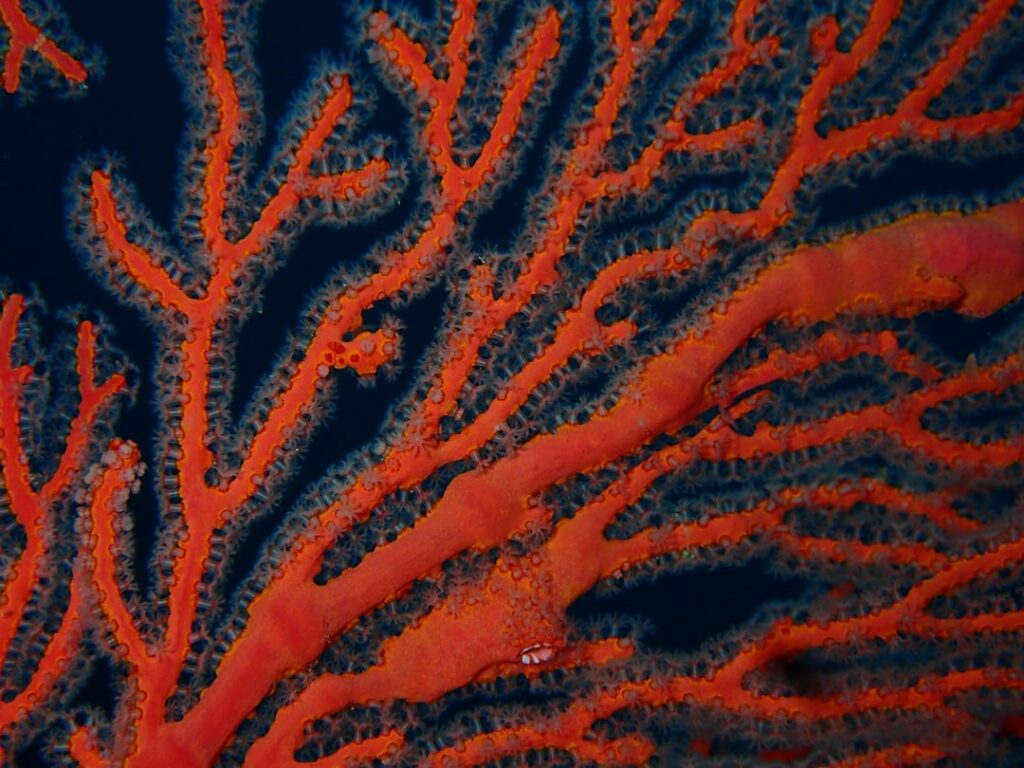
While divers flock to Raja Ampat or Komodo, Wakatobi, Indonesia offers a quieter revelation: the Wakatobi National Park is part of the Coral Triangle, home to over 942 fish species and 750 coral species—a density that makes the Great Barrier Reef seem sparse. Here, you can drift over walls of kaleidoscopic soft corals just meters from pristine, powder-white shores where your footprints might be the only ones of the day. This is the definition of a pristine marine sanctuary.
Why Wakatobi, Indonesia Stands Out

Green grass field under blue sky during daytime, Wakatobi, Indonesia
- Historic Architecture: The 19th-century Fort Tolandono on Tomia Island, a remnant of the Buton Sultanate, offers a glimpse into the region’s strategic past and panoramic views.
- Cultural Scene: The annual *Karia’a* Festival, a vibrant celebration of the Bajau sea nomad culture featuring traditional *Lariangi* dances and boat races, is a living cultural immersion.
- Local Specialties: You must try *Kambalu*, a rich, savory soup made from freshly caught skipjack tuna, lemongrass, and turmeric, best enjoyed in a local *warung*.
Pro Tip: The absolute best time for diving and dry weather is during the southeast monsoon, from April to November. For the calmest seas and optimal underwater visibility (often exceeding 40 meters), target the window between July and September. Avoid the northwest monsoon (December-March) when rough seas can limit boat travel and diving.
Map of Wakatobi, Indonesia
Use these interactive maps to explore Wakatobi, Indonesia and plan your route:
📍 View Wakatobi, Indonesia on OpenStreetMap
🗺️ Open Wakatobi, Indonesia in Google Maps
Planning Your Trip: Practical Essentials
Getting There and Around
- By Air: The main gateway is Matahora Airport (WKI) on Wangi-Wangi Island. Wings Air (Lion Air Group) operates daily flights from Makassar (UPG). From the airport, your resort will arrange a boat transfer, or you can take an *ojek* (motorcycle taxi) to the harbor. Book flights at Skyscanner for best deals.
- By Train: There are no train services to Wakatobi, as it is an archipelago. The nearest major rail hub is in Makassar on Sulawesi, from where you must fly.
- By Car: Driving is not applicable for reaching the islands. On larger islands like Wangi-Wangi, you can rent a motorbike for around 80,000 IDR/day to explore. Compare car rentals at RentalCars.com for any mainland portions of your trip.
- Local Transport: Inter-island travel is by public ferry (slow, scheduled) or private speedboat charter (fast, expensive). On islands, *ojeks* and *bemos* (minivans) are common; agree on a price before riding. A short *ojek* ride costs 15,000-30,000 IDR.
Best Time to Visit
Wakatobi’s climate is dictated by monsoons, making timing crucial for a perfect trip. The dry season offers world-class diving, while the wet season brings lush landscapes but challenging sea conditions.
| Season | Weather | Highlights |
|---|---|---|
| Dry Season (Apr–Nov) | Sunny, low rainfall, 28-32°C, southeast winds bring calm seas. | Prime diving & snorkeling, excellent visibility, all resorts operational, ideal for island hopping. |
| Wet Season (Dec–Mar) | Heavy rainfall, rough seas, 26-30°C, northwest monsoon brings waves. | Few tourists, lower prices, vibrant green interiors, but many dive sites and boat routes are inaccessible. |
| Peak Season (Jul–Sep) | Perfect conditions: minimal rain, glassy seas, 30°C. | Absolute best underwater visibility (40m+), guaranteed daily dive trips, but requires booking resorts months in advance. |
Budgeting for Wakatobi, Indonesia
Drone shot of circular architectural design amidst lush greenery in Jawa Barat, Wakatobi, Indonesia
| Category | Budget | Mid-range | Luxury |
|---|---|---|---|
| Accommodation | Homestay: 200,000-400,000 IDR/night | Local resort: 800,000-1,500,000 IDR/night | Liveaboard/High-end resort: $300-$1000+/night |
| Meals | Local *warung*: 25,000-50,000 IDR/meal | Resort restaurant: 100,000-250,000 IDR/meal | All-inclusive fine dining |
| Transport | Public ferry, *ojek* | Private boat charters (split cost), taxi | Private speedboat transfers |
| Activities | Beach days, village visits | 2-tank dive: ~1,100,000 IDR, snorkel trips | Private dive guides, multi-day liveaboard |
| Daily Total | 500,000-800,000 IDR | 2,000,000-4,000,000 IDR | $400+ USD |
Top Attractions and Must-See Sights
| Attraction | Description | Hours | Entry Fee |
|---|---|---|---|
| Wakatobi National Park (Diving) | A UNESCO-recognized marine park with some of the planet’s highest coral diversity at sites like Roma and Zoo. | Dive boats depart 8 AM & 2 PM | Park Fee: 50,000 IDR/day. Dives extra. |
| Sombu Beach, Wangi-Wangi | A stunning, long crescent of blinding white sand and turquoise water, often completely empty. | 24/7 | Free |
| Bajau (Sea Nomad) Village, Kaledupa | Experience the unique stilt-house culture of the Bajo people, who live in harmony with the sea. | Daylight hours; visit respectfully. | Small donation appreciated. |
| Fort Tolandono, Tomia | Climb to this historic 19th-century fort for breathtaking 360-degree views of the island chain. | Sunrise to Sunset | ~10,000 IDR donation |
3-Day Itinerary: Wakatobi, Indonesia’s Highlights & Hidden Gems
Day 1: Arrival & Wangi-Wangi Wonders
- Morning (7-9 AM): Arrive at Matahora Airport. Take an *ojek* (30,000 IDR) to your accommodation in Wanci. Settle in and enjoy a fresh coconut by the harbor.
- Afternoon (12-3 PM): Rent a motorbike (80,000 IDR/day) and head to **Sombu Beach**. Spend hours on the pristine sand. For lunch, stop at **Rumah Makan Nelayan** in Wanci for their legendary *Ikan Bakar* (grilled fish) with *sambal*.
- Evening (6-8 PM): Watch the spectacular sunset from the **Wanci Pier**. Enjoy dinner at **Warung Padang Sari**, a local favorite for *Nasi Campur*, before an early night.
Day 2: Dive into the Coral Kingdom
- Morning (7 AM-12 PM): A two-tank dive trip (from ~1,100,000 IDR) to the **Roma** or **Zoo** sites. You’ll drift among giant sea fans, schools of jackfish, and pristine hard coral gardens. Keep an eye out for pygmy seahorses.
- Afternoon (1-4 PM): Post-dive lunch at your resort. Then, take a short *jukung* (outrigger canoe) trip to a nearby **house reef** for easy snorkeling right off the beach—often with turtles.
- Evening (6 PM): Join a casual **beach BBQ** organized by many resorts, sharing dive stories under the stars with other travelers.
Day 3: Culture & Island Hopping
- Morning (8 AM): Charter a local boat (~600,000 IDR for half-day) to **Kaledupa Island**. Visit a **Bajau stilt village**; bring pencils or notebooks for the children as a respectful gesture.
- Afternoon (12-3 PM): Continue by boat to **Hoga Island** for a picnic lunch on **Pantai Mahora**, a secluded beach. Snorkel the vibrant, shallow reefs directly offshore.
- Evening (5 PM): Return to Wangi-Wangi. For your final dinner, savor *Kambalu* tuna soup at a simple **warung** near the market, absorbing the gentle pace of island life one last time.
Cultural Insights & Etiquette
- Language: Bahasa Indonesia is official; local Wakatobi languages are also spoken. Key phrases: *Terima kasih* (Thank you), *Permisi* (Excuse me), *Berapa harganya?* (How much?). English is limited outside resorts.
- Customs: Always use your right hand for giving/receiving items, including money. Dress modestly when visiting villages. Be respectful when photographing people—always ask permission first.
- Tipping: Not mandatory but appreciated. For dive guides, 50,000-100,000 IDR per day is a good guideline. Round up taxi fares or leave small change at local eateries.
- Dress Code: Swimwear is for the beach/resort only. Cover shoulders and knees in villages and towns. A sarong is incredibly versatile for both modesty and beach use.
- Business Hours: Shops open early (~7 AM) and close for a midday break, reopening late afternoon. Government hours are typically 8 AM-4 PM, Monday-Friday. Major Islamic holidays can shut everything down.
Where to Eat: Wakatobi, Indonesia’s Best Bites
Dining in Wakatobi is a celebration of the sea. You’ll eat fish so fresh it was swimming hours before. Most meals are centered around rice (*nasi*) with grilled, fried, or souped seafood, flavored with aromatic spices like turmeric, lemongrass, and chili. Resort dining is convenient, but venturing to local *warungs* is where you’ll find the most authentic flavors and warmth.
Must-Try Local Specialties
- Kambalu: This hearty, yellow turmeric and tuna soup is a local comfort food. For the best, head to any busy **warung** near the **Pasar Wanci** (Wanci Market) in the evening.
- Ikan Bakar Jimbaran Style: Whole fish marinated in sweet soy sauce (*kecap manis*) and spices, then grilled over coconut husks. **Rumah Makan Nelayan** in Wanci is famous for it.
- Kasuami: A traditional staple of the Tolaki people, made from grated cassava that’s steamed in a palm leaf pouch. It’s often served with grilled fish or spicy *dabu-dabu* relish. Ask at homestays if they can prepare it.
Restaurant Recommendations by Budget
| Type | Restaurant | Specialty | Price Range |
|---|---|---|---|
| Budget | Warung Padang Sari (Wanci, Wangi-Wangi) | Flavorful *Nasi Campur* with various pre-cooked dishes. | 20,000-40,000 IDR |
| Mid-range | Restoran Pondok Lestari (Near Matahora Airport) | Fresh seafood platters and Indonesian classics in a simple setting. | 80,000-150,000 IDR |
| Fine dining | Resort Restaurant at Wakatobi Dive Resort (Tomia Island) | International and Indonesian fusion cuisine with premium ingredients, stunning seaside views. | 250,000 IDR+ per meal |
Where to Stay
Accommodation defines your Wakatobi experience. Choices range from basic homestays for adventurers to world-class dive resorts and liveaboards. Most are clustered on Wangi-Wangi (for access) or on private islands near the best reefs. Book well in advance, especially in peak season. Compare prices and book at Booking.com or Airbnb for apartments (though options are limited).
Best Neighborhoods for Accommodation
- Wanci, Wangi-Wangi Island: The main transport and ferry hub. Best for budget travelers, short stays, and easy access to ferries/airport. You’ll find homestays and local guesthouses here, but it’s less “paradise island” and more functional town.
- Private Island Resorts (e.g., Onemobaa, Tomia): The ultimate experience. These are often exclusive, all-inclusive dive resorts with direct access to phenomenal house reefs. Ideal for serious divers and those seeking total immersion in nature, but at a premium price.
- Liveaboard Boats: For the most dedicated divers, a liveaboard is your best bet to reach remote atolls like **Tukangbesi**. You’ll sleep on the water and dive 4 times a day at the most pristine sites. Trips typically run 7-12 days and are booked through specialized operators.

Explore an aerial cityscape of Yogyakarta, Wakatobi, Indonesia
FAQs: Your Wakatobi, Indonesia Questions Answered
1. Is Wakatobi, Indonesia safe at night?
Wakatobi is generally very safe, with low crime rates. The main considerations are environmental: use a flashlight at night on village paths, be cautious on boats after dark, and secure your belongings in basic accommodations. Petty theft is rare but possible in busier areas like Wanci harbor. Travelers often find the local communities to be incredibly honest and welcoming.
2. What currency is used and are credit cards accepted?
The Indonesian Rupiah (IDR) is the currency. **Cash is king** in Wakatobi. Bring ample Rupiah with you from Makassar or Bali, as ATMs are scarce (only a couple on Wangi-Wangi) and unreliable. Major dive resorts and liveaboards may accept credit cards, but always confirm in advance and expect a surcharge. Smaller homestays and all local transactions are cash-only.
3. How do I get from the airport to my resort?
From Matahora Airport (WKI), most resorts will include a transfer. If not, take an *ojek* (15-30k IDR) to the relevant harbor in Wanci. From there, you’ll take a pre-arranged resort speedboat (included in stay) to your final destination. For independent travel, you can negotiate a public boat from the harbor, but schedules are infrequent. Book airport transfers at

