
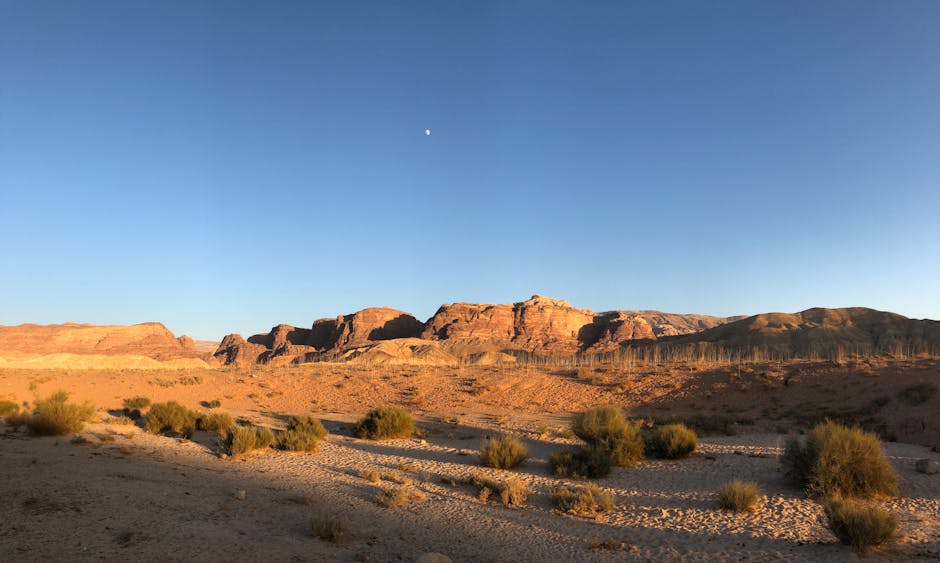
Wadi Araba, Jordan: Incredible Desert Solitude, Biblical History & Stargazing Perfection (2026)
While crowds flock to Petra’s Siq, Wadi Araba, Jordan delivers a profound sense of isolation and raw desert beauty without the queues. This vast geological rift valley, stretching 170km from the Dead Sea to Aqaba, is where you’ll find silence so deep you can hear your own heartbeat, and night skies so dark the Milky Way casts a shadow. Savvy travelers choose this route for an authentic, unhurried journey through landscapes that have shaped human history for millennia.
Why Wadi Araba, Jordan Stands Out

Explore the breathtaking arid scenery and iconic rock formations of Wadi Rum, Wadi Araba, Jordan
- Historic Architecture: The 16th-century Ottoman Fort at Aqaba, a strategic Red Sea outpost, showcases military architecture that controlled trade routes for centuries.
- Cultural Scene: The annual Wadi Rum Clean-Up, often in April, is a unique community-driven eco-initiative where locals and travelers preserve the pristine desert environment together.
- Local Specialties: You must try Zarb, a Bedouin barbecue of marinated lamb and vegetables slow-cooked in an underground sand oven, infusing a unique smoky flavor.
Pro Tip: The absolute best time for desert exploration is October to November or March to April. Temperatures are ideal (20-28°C), and you’ll avoid the scorching summer heat and the occasional winter flash floods in the wadis. For stargazing, aim for a new moon phase.
Map of Wadi Araba, Jordan
Use these interactive maps to explore Wadi Araba, Jordan and plan your route:
📍 View Wadi Araba, Jordan on OpenStreetMap
🗺️ Open Wadi Araba, Jordan in Google Maps
Planning Your Trip: Practical Essentials
Getting There and Around
- By Air: Fly into Queen Alia International Airport (AMM) in Amman or Aqaba’s King Hussein International Airport (AQJ). Royal Jordanian and budget carriers serve AQJ, which is closer. From AMM, it’s a 4-hour drive. Book flights at Skyscanner for best deals.
- By Train: No passenger trains serve Wadi Araba directly. The historic Hejaz Railway runs north-south but is not a practical tourist option. Your best bet is road travel.
- By Car: The Desert Highway (Highway 15) and the more scenic King’s Highway run parallel. A 4×4 is essential for exploring off the main artery. Compare car rentals at RentalCars.com.
- Local Transport: Public transport is extremely limited. JETT buses run from Amman to Aqaba. Within Wadi Araba, you’ll need a private driver, a tour, or your own vehicle. Check schedules on the JETT website.
Best Time to Visit
Timing is everything in the desert. Your experience hinges on avoiding extreme temperatures and planning activities around the sun and stars.
| Season | Weather | Highlights |
|---|---|---|
| Summer (Jun–Aug) | Extremely hot (35-45°C), dry, intense sun. | Only viable for early morning/late evening in Aqaba for Red Sea diving. Desert travel is not recommended. |
| Winter (Dec–Feb) | Cool days (10-20°C), cold nights (can drop to 0°C), risk of rain/flash floods. | Crisp, clear days are excellent for hiking, but nights in desert camps require serious bedding. Check wadi conditions. |
| Shoulder (Apr–May/Sep–Oct) | Perfect (20-30°C days, 10-15°C nights), minimal rain. | The golden window. Ideal for all desert safaris, camping, hiking, and stargazing with comfortable temperatures. |
Budgeting for Wadi Araba, Jordan

Explore ancient rock formations in Wadi Musa, Jordan’s historical landscape., Wadi Araba, Jordan
| Category | Budget | Mid-range | Luxury |
|---|---|---|---|
| Accommodation | 15-30 JOD/night (Basic hostel in Aqaba, shared desert camp) | 50-120 JOD/night (Private room in boutique hotel, private Bedouin camp) | 200+ JOD/night (5-star Aqaba resort, exclusive luxury desert bubble) |
| Meals | 5-10 JOD/day (Falafel wraps, shawarma, supermarket snacks) | 15-25 JOD/day (Restaurant meals, camp dinners) | 40+ JOD/day (Fine dining in Aqaba, private chef in desert) |
| Transport | 5-10 JOD/day (JETT bus shares, limited movement) | 40-70 JOD/day (4×4 rental split, or private driver for a day) | 100+ JOD/day (Private 4×4 with dedicated guide/driver) |
| Activities | Free (Beaches, hiking) to 25 JOD (Basic Wadi Rum jeep tour) | 35-80 JOD (Guided hike, 3-hour jeep tour, snorkeling trip) | 120+ JOD (Private full-day safari, hot air balloon ride over Wadi Rum) |
| Daily Total | 30-50 JOD | 100-200 JOD | 350+ JOD |
Top Attractions and Must-See Sights
| Attraction | Description | Hours | Entry Fee |
|---|---|---|---|
| Wadi Rum Protected Area | A Martian landscape of red sand and monumental jebels (mountains), famed for Lawrence of Arabia and now Hollywood films. | 24/7; Visitor Center 8 AM – 4 PM | 5 JOD (Jordan Pass covers it) |
| Dana Biosphere Reserve | Jordan’s largest nature reserve, a breathtaking mosaic of cliffs, wadis, and wildlife, perfect for serious hiking. | Daylight hours | Free (Fees for guided hikes, 8-15 JOD) |
| Feynan Ecolodge | Award-winning, candle-lit lodge in Dana, offering immersive experiences like copper mine hikes and Bedouin coffee ceremonies. | Check-in from 2 PM | N/A (Stay required, from 90 JOD/night) |
| Wadi Araba Border Viewpoints | Striking vistas across the valley to Israel, showcasing the dramatic geological rift and stark desert beauty. | Daylight hours | Free |
3-Day Itinerary: Wadi Araba, Jordan’s Highlights & Hidden Gems
Day 1: Arrival & Desert Immersion in Wadi Rum
- Morning (7-9 AM): Arrive at the Wadi Rum Visitor Centre. Secure your 5 JOD entry (if not using Jordan Pass) and meet your pre-booked Bedouin guide. Your best bet is to book a full-day 4×4 tour (approx. 70-80 JOD for 2 people).
- Afternoon (12-3 PM): Explore iconic sites like Lawrence’s Spring, Khazali Canyon (with ancient Thamudic inscriptions), and the vast Um Fruth Rock Bridge. Enjoy a simple, authentic lunch prepared by your guide over an open fire.
- Evening (6-8 PM): Check into your desert camp. As the sun sets, climb a nearby dune for phenomenal photos. This is followed by a communal Zarb dinner under a blanket of stars, often with traditional music.
Day 2: From Desert to Mountains in Dana
- Morning (8 AM): After breakfast at camp, depart Wadi Rum (2.5-hour drive) for Dana Village. Hike the initial part of the Wadi Dana Trail, where the view plunges 1,200 meters into the reserve—a true hidden gem often missed by day-trippers.
- Afternoon (1 PM): Enjoy lunch with a view at Dana Guest House restaurant, trying their hearty Mansaf (a national dish of lamb in fermented yogurt sauce). Then, take a guided tour (approx. 10 JOD) of the 15th-century Ottoman village ruins.
- Evening (6 PM): Check into Feynan Ecolodge or a local guesthouse. Join the lodge’s free evening activity, often a fascinating talk on Bedouin astronomy or a walk to watch the sunset from a nearby ridge.
Day 3: Eco-Trails & Red Sea Relief in Aqaba
- Morning (7 AM): A pre-dawn hike (organized by Feynan) to an ancient copper mine site is a stunning way to see the desert wake. After breakfast, drive south to Aqaba (approx. 2 hours).
- Afternoon (12 PM): Dive into the vibrant marine life at the Aqaba Marine Park. You can snorkel straight from the public beach (South Beach) or book a boat trip (from 25 JOD) to better reefs like the Japanese Garden.
- Evening (7 PM): For your final dinner, head to the bustling Al-Shami Street for fresh seafood at Ali Baba (try the Sayadieh—spiced fish with rice). Stroll the corniche afterwards, where locals gather to enjoy the cool sea breeze.
Cultural Insights & Etiquette
- Language: Arabic is official. Key phrases: “Marhaba” (Hello), “Shukran” (Thank you), “Afwan” (You’re welcome). English is widely understood in tourist areas.
- Customs: Always use your right hand for eating and greeting. When invited for tea (a common and generous gesture), accept at least one cup. Public displays of affection are frowned upon.
- Tipping: Expected for good service. 10% in restaurants if service not included. Tip your desert guide 5-10 JOD per day. Small change for hotel porters.
- Dress Code: Modesty is respected. In cities, cover shoulders and knees. In the desert, practical, loose-fitting clothing is fine. For beachwear, keep it to the hotel pools or designated beach clubs.
- Business Hours: Shops: 9 AM – 1 PM, 4 PM – 8 PM (often closed Friday mornings). Government offices: 8:30 AM – 3 PM. Ramadan dramatically alters hours; plan accordingly.
Where to Eat: Wadi Araba, Jordan’s Best Bites
Dining in Wadi Araba is an experience defined by location: from communal feasts under the stars to fresh-caught fish by the Red Sea. The cuisine is Levantine heartiness meets Bedouin tradition.
Must-Try Local Specialties
- Zarb: The definitive Bedouin experience. Meat and vegetables are marinated, placed in a metal pot, and buried in a pit of hot coals and sand for hours. Best tried at any reputable desert camp in Wadi Rum.
- Mansaf: Jordan’s national dish. Lamb cooked in a sauce of fermented dried yogurt (jameed), served over rice with flatbread. Find authentic versions at family-run restaurants in smaller towns like Tafila or Shawbak.
- Fresh Red Sea Fish: Aqaba is the place. Sayadieh (fish with caramelized onions, rice, and spices) or simply grilled whole fish like Denes (Sea Bream) are staples. The fish market area has several no-frills, excellent eateries.
Restaurant Recommendations by Budget
| Type | Restaurant | Specialty | Price Range |
|---|---|---|---|
| Budget | Abu Yousef (Aqaba, near fish market) | Incredibly fresh, simple grilled fish and mezze. | 7-12 JOD per person |
| Mid-range | Feynan Ecolodge Dining (Dana Biosphere) | Fixed-menu vegetarian feasts using local ingredients, eaten by candlelight. | Included with stay or ~15 JOD for outside guests |
| Fine dining | Captain’s Restaurant (Mövenpick Resort Aqaba) | Elegant seafood and international cuisine with stunning Red Sea views. | 25-40 JOD per person |
Where to Stay
Accommodation ranges from luxurious Aqaba resorts to basic desert caves. Your choice defines your experience. Compare prices and book at Booking.com or Airbnb for apartments in Aqaba.
Best Neighborhoods for Accommodation
- Aqaba City Center & Corniche: Bustling, close to shops, restaurants, and the public beach. Ideal for short stays, diving, and nightlife. Can be noisy. Suits budget to mid-range travelers.
- Wadi Rum Desert Camps: The quintessential experience. Options from basic shared tents to luxurious “bubble” tents with private bathrooms. You’re here for the landscape and silence. Suits everyone, depending on camp style.
- Dana Village/Feynan Area: For eco-tourists and hikers. Stays are simple but rich in experience, focused on nature and culture. Remote and quiet. Suits adventurous and environmentally-conscious travelers.
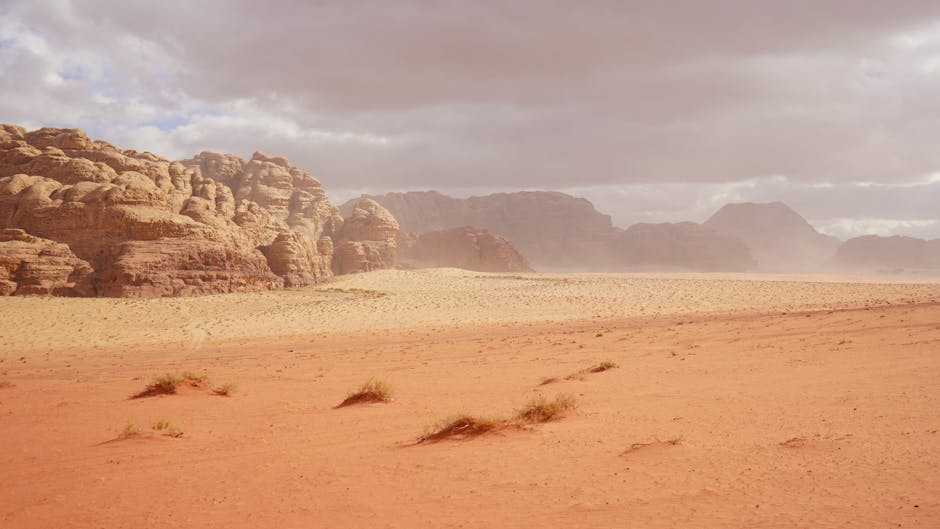
Explore the breathtaking red desert landscape of Wadi Rum, Wadi Araba, Jordan
FAQs: Your Wadi Araba, Jordan Questions Answered
1. Is Wadi Araba, Jordan safe at night?
Yes, it is generally very safe. Crime rates are low. In the desert, the primary concerns are environmental: stay on marked paths, be aware of flash flood risks in valleys (wadis), and always inform someone of your route if hiking independently. At night in camps, you are secure.
2. What currency is used and are credit cards accepted?
The Jordanian Dinar (JOD) is the currency. As of late 2023, 1 JOD ≈ 1.41 USD. Credit cards are accepted in hotels, upscale restaurants in Aqaba, and some desert camps. However, cash (small denominations) is king for markets, taxis, tips, and most Bedouin-run services. ATMs are readily available in Aqaba and major towns.
3. How do I get from the airport to the city center?
From Queen Alia (AMM): Taxis are fixed price (approx. 35 JOD to downtown Amman). From there, you’d take a bus or private transfer to Wadi Araba. From Aqaba (AQJ): A taxi to the city center or your hotel costs about 10-15 JOD and takes 15 minutes. Book airport transfers at GetYourGuide for convenience and fixed rates.
4. Do I need to speak the local language?
No. English is widely spoken in the tourism sector—hotels, guides, and main restaurants. Learning a few basic Arabic phrases, however, is greatly appreciated and will

