
Vienna, Austria: Incredible Imperial Splendor, Musical Heritage & Coffee House Culture (2025)
At precisely 4:30 PM daily, the scent of freshly baked Apfelstrudel drifts through wood-paneled coffee houses as Viennese patrons settle into their “Stammtisch” reserved tables. The clinking of porcelain cups accompanies murmured conversations in spaces unchanged since Freud debated philosophy here. Vienna preserves 27 imperial palaces and 100+ museums, yet its true magic unfolds in these living traditions where time seems to suspend between sips of Melange and bites of Sachertorte.
Why Vienna, Austria Stands Out

Aerial photography of city buildings, Vienna, Austria
- Historic Architecture: Schönbrunn Palace’s 1,441-room Baroque complex, built 1696-1749, showcases Habsburg imperial power with its stunning Great Gallery and 435-acre gardens.
- Cultural Scene: The Vienna Philharmonic’s New Year’s Concert, broadcast to 90+ countries, features the iconic Blue Danube waltz in the golden Musikverein hall.
- Local Specialties: Wiener Schnitzel – veal pounded paper-thin, breaded, and fried to golden perfection, traditionally served with potato salad and lingonberry jam.
Pro Tip: Visit between November 15-December 23 for Christkindlmarkt season when you can experience 20+ Christmas markets without summer crowds, or come in April for perfect 18°C weather when the Vienna Festival begins and palace gardens bloom with 400+ tulip varieties.
Map of Vienna, Austria
Use these interactive maps to explore Vienna, Austria and plan your route:
📍 View Vienna, Austria on OpenStreetMap
🗺️ Open Vienna, Austria in Google Maps
Planning Your Trip: Practical Essentials
Getting There and Around
- By Air: Vienna International Airport (VIE) serves 70+ airlines with direct flights from major European hubs. The City Airport Train takes 16 minutes to downtown (€12), while the S-Bahn takes 25 minutes (€4.30). Book flights at Skyscanner for best deals.
- By Train: Vienna’s Hauptbahnhof connects to Prague (4 hours), Budapest (2.5 hours), and Munich (4 hours). The ÖBB Nightjet offers sleeper trains from Zurich and Hamburg. Reserve tickets at Trainline or the national railway website.
- By Car: The A1 and A2 motorways connect to Germany and Hungary, but parking costs €25-35 daily in the city center. Compare car rentals at RentalCars.com.
- Local Transport: The Vienna Card (€17/72 hours) offers unlimited public transport and 210+ attraction discounts. Single tickets cost €2.40, while weekly passes are €17.10. Check official city transport websites for passes and schedules.
Best Time to Visit
Vienna shines year-round, but each season offers distinct advantages. Spring brings perfect museum weather, summer offers open-air concerts, autumn provides golden palace gardens, and winter transforms the city into a Christmas wonderland.
| Season | Weather | Highlights |
|---|---|---|
| Summer (Jun–Aug) | 20-27°C, occasional rain | Film Festival at Rathausplatz, Danube Island Festival, crowded but vibrant atmosphere |
| Winter (Dec–Feb) | -2 to 4°C, possible snow | Christmas markets, Vienna Ball Season, cozy coffee house culture, fewer tourists |
| Shoulder (Apr–May/Sep–Oct) | 12-20°C, mild and pleasant | Perfect palace garden weather, Vienna Design Week, comfortable sightseeing conditions |
Budgeting for Vienna, Austria

A large advertisement on the side of a building, Vienna, Austria
| Category | Budget | Mid-range | Luxury |
|---|---|---|---|
| Accommodation | €50-80/night (hostels, budget hotels) | €120-200/night (boutique hotels) | €300+/night (Hotel Sacher, Palais Coburg) |
| Meals | €15-25/day (würstelstands, bakeries) | €40-60/day (traditional gasthauses) | €100+/day (Steirereck, fine dining) |
| Transport | €5.80/day (24-hour pass) | €15-25/day (taxis, occasional Uber) | €80+/day (private driver) |
| Activities | €15/day (free walking tours, park visits) | €35/day (1-2 paid attractions) | €75+/day (private guides, opera tickets) |
| Daily Total | €75-125 | €210-310 | €500+ |
Top Attractions and Must-See Sights
| Attraction | Description | Hours | Entry Fee |
|---|---|---|---|
| Schönbrunn Palace | Former summer residence of Habsburg monarchs with stunning Baroque architecture and world’s oldest zoo | 8:00 AM-5:30 PM | Imperial Tour €20, Grand Tour €24 |
| St. Stephen’s Cathedral | Gothic masterpiece with 137-meter South Tower offering panoramic city views from its observation deck | 6:00 AM-10:00 PM | Cathedral free, towers €6 each |
| Kunsthistorisches Museum | World-class art museum housing works by Bruegel, Rembrandt, and Raphael in a magnificent 1891 building | 10:00 AM-6:00 PM | €18, free first Sunday monthly |
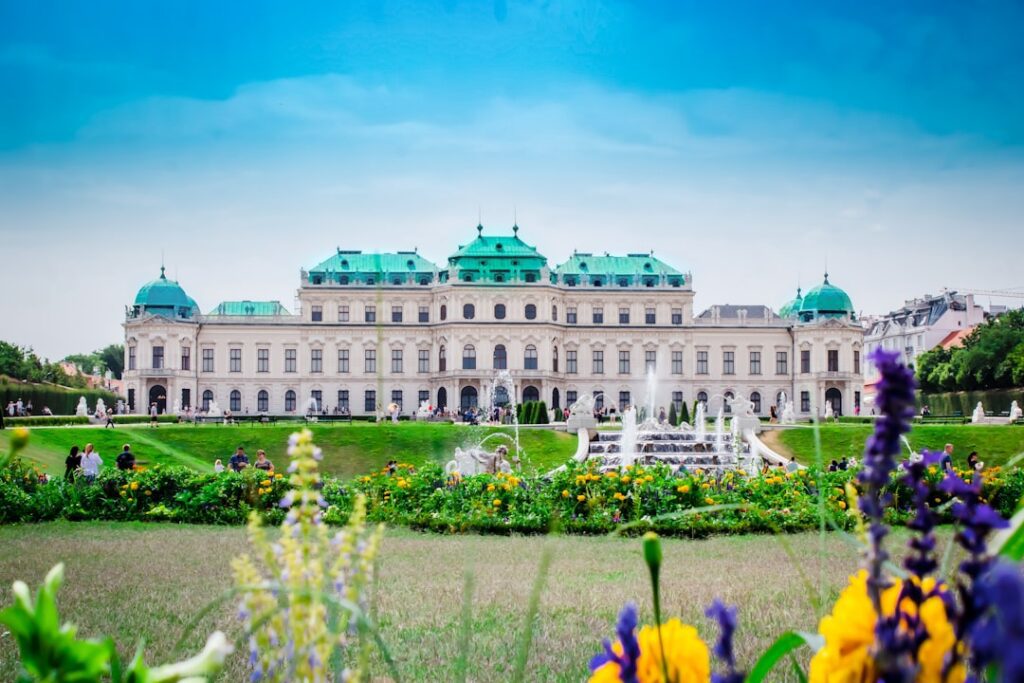
| Belvedere Palace | Baroque complex featuring the largest collection of Gustav Klimt works including “The Kiss” | 10:00 AM-6:00 PM | Upper Belvedere €16 |
3-Day Itinerary: Vienna, Austria’s Highlights & Hidden Gems
Day 1: Imperial Vienna & Historic Center
- Morning: 8:30 AM timed entry at Schönbrunn Palace (book online €24) to avoid queues. Don’t miss the 18th-century Palm House, Europe’s largest Baroque glasshouse with 4,500 plant species.
- Afternoon: 12:30 PM Naschmarkt exploration and lunch at Umar Fisch (€15-20 for fresh seafood). Then 2:30 PM walking tour of Historic Center including St. Stephen’s Cathedral and Ankeruhr clock’s noon procession.
- Evening: 6:00 PM Mozart concert at St. Peter’s Church (€45) followed by dinner at Figlmüller (€25-35) for Vienna’s original schnitzel since 1905.
Day 2: Art, Music & Coffee House Culture
- Morning: 9:00 AM Kunsthistorisches Museum (€18) – spend 2 hours in the Picture Gallery focusing on Bruegel’s “Tower of Babel” and the stunning cupola hall.
- Afternoon: 12:00 PM lunch at Café Central (€20-30) where Trotsky once debated, then 2:00 PM Belvedere Palace to see Klimt’s “The Kiss” in its golden glory.
- Evening: 7:30 PM standing room tickets at Vienna State Opera (€3-15) for world-class performance, then traditional Heuriger experience at Mayer am Pfarrplatz (wine tavern with live Schrammelmusik).
Day 3: Hidden Gems & Local Life
- Morning: U-Bahn to Hundertwasserhaus (free), Friedensreich Hundertwasser’s colorful architectural masterpiece, then walk to nearby Kunst Haus Wien museum (€12).
- Afternoon: 12:30 PM lunch at Plachutta (€35-45) for authentic Tafelspitz boiled beef, then 2:30 PM Spanish Riding School morning exercise viewing (€18) or Prater amusement park vintage rides.
- Evening: 6:00 PM final coffee house experience at Café Sperl (established 1880) for authentic atmosphere, then dinner at Skopik & Lohn in creative Leopoldstadt district.
Cultural Insights & Etiquette
- Language: Learn “Grüß Gott” (formal hello), “Servus” (informal), and “Oida” (local slang). English widely spoken, but attempts at German appreciated.
- Customs: Always greet shopkeepers when entering, maintain quiet in coffee houses, and never rush meals – dining is a leisurely social experience.
- Tipping: Round up to nearest euro for drinks, 5-10% for meals by saying the total including tip when paying (“Zwanzig, bitte” for €18.50 bill).
- Dress Code: Smart casual for restaurants and concerts; opera requires jackets, though not necessarily formal wear for most performances.
- Business Hours: Shops close at 6:00 PM weekdays, 5:00 PM Saturdays, with everything closed Sundays except restaurants and museums.
Where to Eat: Vienna, Austria’s Best Bites
Vienna’s culinary scene blends imperial traditions with modern innovation. From historic coffee houses to innovative Neuer Wiener Küche, you’ll discover why UNESCO recognized Viennese coffee house culture as intangible cultural heritage.
Must-Try Local Specialties
- Wiener Schnitzel: Veal pounded thin, breaded, and fried until crispy, served with potato salad or parsley potatoes. Find the original at Figlmüller or Gasthaus Pöschl for authentic preparation.
- Sachertorte: Dense chocolate cake with apricot jam, created in 1832. Sample it at Hotel Sacher’s café (€7/slice) or Demel for the “original recipe” rivalry experience.
- Tafelspitz: Emperor Franz Joseph’s favorite boiled beef dish, served with horseradish sauce, apple sauce, and roasted potatoes. Plachutta specializes in this imperial classic.
Restaurant Recommendations by Budget
| Type | Restaurant | Specialty | Price Range |
|---|---|---|---|
| Budget | Bitzinger Würstelstand (Albertinaplatz) | Authentic sausages with crispy rolls and mustard | €4-8 |
| Mid-range | Gasthaus Pöschl (Weihburggasse 17) | Traditional Viennese classics in wood-paneled setting | €20-35 |
| Fine dining | Steirereck (Stadtpark) | Modern Austrian with 2 Michelin stars, stunning river views | €150+ tasting menu |
Where to Stay
Vienna’s accommodation ranges from imperial luxury hotels to charming pensions. The city’s efficient public transport makes most areas accessible, but location choice significantly impacts your experience. Compare prices and book at Booking.com or Airbnb for apartments.
Best Neighborhoods for Accommodation
- Innere Stadt (1st District): Historic center with walking access to major sights, luxury shopping, and fine dining – perfect for first-time visitors wanting imperial atmosphere.
- Leopoldstadt (2nd District): Creative, diverse area across the Danube Canal with Prater park, great cafes, and more affordable options while still central.
- Neubau (7th District): Trendy museum quarter with designer shops, contemporary galleries, and vibrant nightlife – ideal for design lovers and younger travelers.

A city street filled with lots of tall buildings, Vienna, Austria
FAQs: Your Vienna, Austria Questions Answered
1. Is Vienna, Austria safe at night?
Vienna ranks among Europe’s safest capitals. The city center remains lively and secure until late, though standard precautions apply in train stations and less crowded areas. Public transport runs reliably until midnight, with night buses thereafter.
2. What currency is used and are credit cards accepted?
Austria uses euros (€). Credit cards work in hotels and larger restaurants, but always carry cash for coffee houses, markets, and smaller establishments. ATMs (Bankomats) widely available with English instructions.
3. How do I get from the airport to the city center?
The City Airport Train (CAT) takes 16 minutes to Wien Mitte (€12), while S-Bahn line S7 takes 25 minutes (€4.30). Taxis cost €35-45 for the 20-minute ride. Book airport transfers at GetYourGuide for convenience.
4. Do I need to speak the local language?
English proficiency is high, especially in tourism. Learn basic greetings – “Guten Tag” (good day), “Danke” (thank you), “Bitte” (please/you’re welcome). Menus often have English translations, and museum audio guides include multiple languages.
5. What’s the appropriate dress code?
Smart casual works for most situations. Opera and classical concerts warrant dressier attire (jackets for men), while coffee houses and casual dining accept relaxed but neat clothing. Comfortable walking shoes essential for cobblestone streets.
Final Thoughts: Vienna, Austria Awaits
Vienna delivers an unparalleled blend of imperial grandeur and contemporary living, where Mozart’s notes still echo through gold-leafed concert halls and coffee house conversations continue centuries-old traditions. Beyond the obvious palaces and museums, the city’s true magic reveals itself in quiet moments – sipping Melange while watching the world pass, discovering hidden courtyards, or joining locals at a neighborhood Heuriger. Savvy travelers know the secret isn’t just checking off sights, but embracing Vienna’s art of living. Don’t leave without experiencing a traditional coffee house exactly as locals do – order your drink, find a marble-topped table, and surrender to the city’s graceful pace, where time becomes your most luxurious souvenir.

