
Uttarakhand, India’s Ultimate Peaks, Pilgrimage & Himalayan Serenity (2026)
At 4:30 AM on the trail to Tungnath, the world’s highest Shiva temple, your headlamp cuts through a silent, star-dusted mist. The only sound is the rhythmic crunch of gravel and the distant chime of a temple bell carried from 3,680 meters above. This is the essence of Uttarakhand, where 7 of India’s mightiest Himalayan peaks pierce the sky, and ancient footpaths have guided pilgrims and trekkers for over a thousand years, offering a profound tranquility you won’t find in the crowded hill stations down south.
Why Uttarakhand, India Stands Out

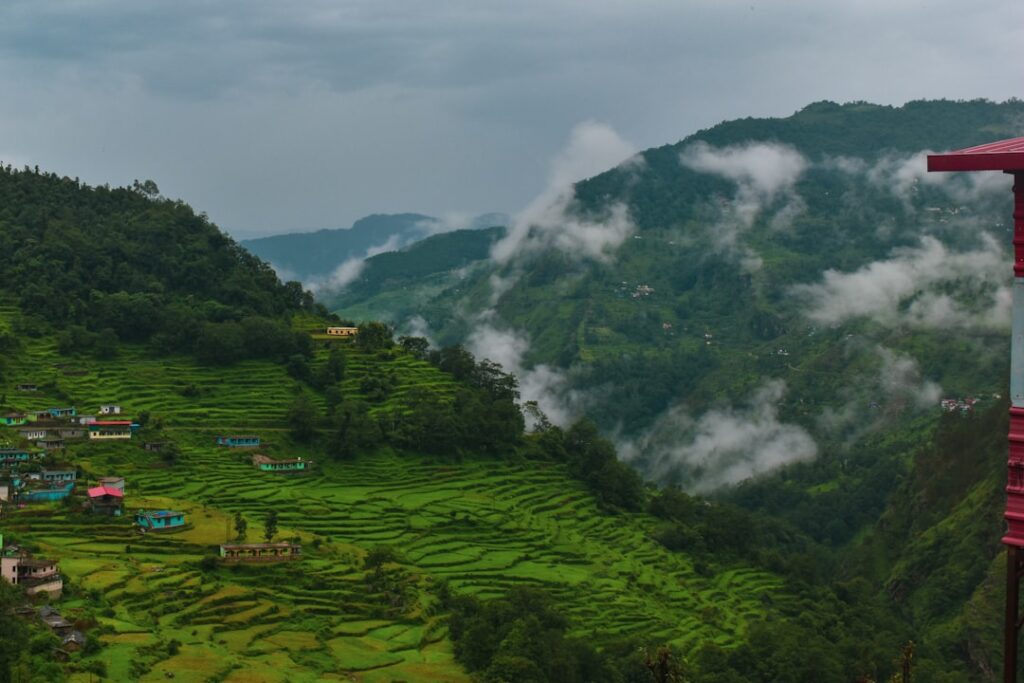
A lush green hillside covered in trees and clouds, Uttarakhand, India
- Historic Architecture: The stone temples of Jageshwar, a cluster of over 124 shrines dating from the 7th to 12th centuries, are masterpieces of Nagara-style architecture hidden in a deodar forest.
- Cultural Scene: The Nanda Devi Raj Jat Yatra, a once-every-12-years pilgrimage covering 280 km of rugged terrain, is a breathtaking display of faith and folk culture few foreign travelers witness.
- Local Specialties: You must try a steaming bowl of Kafuli, a thick, iron-rich spinach and fenugreek curry slow-cooked in an iron kadhai, best enjoyed with Mandua ki Roti (finger millet flatbread).
Pro Tip: For the perfect balance of clear mountain views and manageable crowds, target the shoulder months of late September to early November. You’ll miss the heavy monsoon rains and the intense summer tourist rush, securing better prices and serene trails.
Map of Uttarakhand, India
Use these interactive maps to explore Uttarakhand, India and plan your route:
📍 View Uttarakhand, India on OpenStreetMap
🗺️ Open Uttarakhand, India in Google Maps
Planning Your Trip: Practical Essentials
Getting There and Around
- By Air: Jolly Grant Airport in Dehradun (DED) is the main gateway, with direct flights from Delhi, Mumbai, and Bangalore. From the airport, a pre-paid taxi to Rishikesh costs about ₹1,500 ($18) and takes 45 minutes. Book flights at Skyscanner for best deals.
- By Train: Dehradun Railway Station is well-connected. The overnight Nanda Devi Express from Delhi is a classic journey. For the hills, the charming 76 km toy train from Kathgodam to Almora offers stunning vistas. Reserve tickets at Trainline or the national railway website.
- By Car: The drive from Delhi to Rishikesh on NH334 is about 6 hours. Mountain roads are winding; hire a local driver familiar with the terrain. A reliable SUV rental starts at ₹2,500 ($30) per day. Compare car rentals at RentalCars.com.
- Local Transport: Shared jeeps and taxis are the lifeline between towns. A shared jeep from Rishikesh to Uttarkashi (120 km) costs around ₹300 ($3.60). For local sightseeing, negotiate a full-day taxi for ₹2,000-3,000 ($24-$36).
Best Time to Visit
Uttarakhand’s climate varies dramatically with altitude. Your ideal season depends entirely on whether you seek alpine trekking, spiritual festivals, or winter snowscapes.
| Season | Weather | Highlights |
|---|---|---|
| Summer (Jun–Aug) | 15°C to 30°C in hills; pleasant escape from plains heat. Monsoon rains (Jul-Aug) bring landslides. | Best for high-altitude treks like Valley of Flowers; hill stations like Mussoorie are crowded. |
| Winter (Dec–Feb) | -5°C to 15°C; heavy snow above 2,500m. Chilly but magical. | Auli becomes a ski destination; serene temple visits with fewer pilgrims; frozen lakes. |
| Shoulder (Apr–May/Sep–Oct) | 10°C to 25°C; clear skies, minimal rain, perfect visibility. | Ideal for all activities: trekking, wildlife safaris in Corbett, and Char Dham Yatra pilgrimage season. |
Budgeting for Uttarakhand, India

A river flowing through a lush green valley, Uttarakhand, India
| Category | Budget | Mid-range | Luxury |
|---|---|---|---|
| Accommodation | ₹500-1,200 ($6-$14) for guesthouses/homestays | ₹2,500-5,000 ($30-$60) for comfortable hotels/resorts | ₹8,000+ ($96+) for luxury wilderness lodges & spa retreats |
| Meals | ₹200-400 ($2.40-$5) at local dhabas | ₹500-1,000 ($6-$12) at good restaurants | ₹1,500+ ($18+) for fine dining with views |
| Transport | ₹300-500 ($3.60-$6) on shared jeeps/buses | ₹2,000-3,000 ($24-$36) for private taxi day hire | ₹5,000+ ($60+) for chauffeured SUV with guide |
| Activities | Free temple visits, village walks | ₹1,000-2,000 ($12-$24) for rafting, park entry fees | ₹4,000+ ($48+) for guided treks, helicopter darshan |
| Daily Total | ₹1,500-2,500 ($18-$30) | ₹6,000-10,000 ($72-$120) | ₹18,000+ ($216+) |
Top Attractions and Must-See Sights
| Attraction | Description | Hours | Entry Fee |
|---|---|---|---|
| Valley of Flowers National Park | A UNESCO site where over 500 species of alpine flowers create a surreal, vibrant carpet in monsoon. | 7:00 AM – 5:00 PM (Jun-Oct only) | ₹150 (Indians), ₹600 (Foreigners) + ₹250 for trekking |
| Kedarnath Temple | One of the 12 Jyotirlingas, this ancient stone temple sits at 3,583m, accessible by a 16km trek from Gaurikund. | 4:00 AM – 9:00 PM (Apr-Nov) | Free; helicopter service from Phata costs ~₹4,500 one-way |
| Jim Corbett National Park | India’s oldest national park, famed for Bengal tiger sightings and diverse birdlife in the Terai grasslands. | Safari times vary: 6:30 AM & 2:30 PM | Safari: ₹4,500-6,000 ($54-$72) per jeep |
| Rishikesh (The Beatles Ashram) | The spiritual capital of yoga, with the iconic Laxman Jhula bridge and the now-abandoned ashram where The Beatles meditated in 1968. | Ashram: 9:00 AM – 5:00 PM | Ashram: ₹600 ($7.20); Town access free |
3-Day Itinerary: Uttarakhand, India’s Highlights & Hidden Gems
Day 1: Rishikesh – Spirituality & Adventure
- Morning (7-9 AM): Attend the mesmerizing Ganga Aarti at Parmarth Niketan Ashram. Arrive by 6:15 AM to secure a spot by the holy Ganges as priests perform the fire ritual.
- Afternoon (12-3 PM): Enjoy white-water rafting on the Ganges (Grade II-III rapids, ₹1,500 per person). Post-rafting, lunch at Little Buddha Cafe by the river, famous for its wood-fired pizzas and live music.
- Evening (6-8 PM): Cross the iconic Laxman Jhula bridge and explore the quirky Beatles Ashram (Chaurasi Kutia). For dinner, savor authentic Garhwali thali at Chotiwala Restaurant, a Rishikesh institution since 1958.
Day 2: Into the Garhwal Himalayas
- Morning (5 AM Start): Drive 75 km from Rishikesh to Chopta (₹3,500 for a taxi). The 3.5 km trek to Tungnath Temple (3,680m) begins here—the highest Shiva temple and trailhead to Chandrashila Peak for 360-degree Himalayan views.
- Afternoon (1-3 PM): Descend and have a simple, rewarding lunch at a dhaba in Chopta. Try Aloo Ke Gutke (spicy fried potatoes) with local Bhatt ki Churkani (black bean curry).
- Evening (6 PM Onwards): Drive to the peaceful village of Ukhimath (winter seat of Kedarnath deity). Stay overnight at a homestay, enjoying stargazing and stories from your host.
Day 3: Ancient Temples & Forest Walks
- Morning (8-11 AM): Drive 50 km to Jageshwar (₹2,000 taxi). Wander through the mystical grove of 124 intricately carved stone temples dedicated to Lord Shiva, dating from the 7th century.
- Afternoon (12-2 PM): Enjoy a picnic lunch by the Jata Ganga stream. Then, take a guided nature walk in the surrounding deodar cedar forest, learning about local herbs.
- Evening (4 PM Onwards): Drive back towards Kathgodam (2.5 hours). For your final dinner, stop at Almora’s Kasar Devi area for a meal at Mohan’s Restaurant, known for its organic Kumaoni cuisine and panoramic sunset views over the Himalayas.
Cultural Insights & Etiquette
- Language: Hindi is widely understood. Learn a few Garhwali/Kumaoni phrases: “Jai Badri Vishal” (a greeting in the holy region) or “Dhanyawad” (thank you). English works in tourist areas.
- Customs: Always remove shoes before entering any temple. Circumambulate temples and sacred objects (like mani walls) clockwise. Seek permission before photographing locals or sadhus (holy men).
- Tipping: Not mandatory but appreciated. Round up taxi fares. In restaurants, 5-10% for good service is polite. For guides, consider ₹200-500 per day.
- Dress Code: Modesty is key, especially at religious sites. Cover shoulders and knees. For treks, pack layers—thermal wear is essential for high altitudes even in summer.
- Business Hours: Shops open around 9:30 AM-10 AM, close by 8 PM. Many close on Sunday. Government offices observe second Saturdays as holidays.
Where to Eat: Uttarakhand, India’s Best Bites
Uttarakhandi cuisine is hearty, wholesome, and designed for the mountains. It relies on locally grown grains like mandua (finger millet) and jhangora (barnyard millet), wild greens, and simple spices. Dining is often a humble, soul-satisfying experience rather than a fancy affair.
Must-Try Local Specialties
- Kafuli: The state dish—a thick, iron-rich stew of spinach and fenugreek leaves, cooked in an iron pot with minimal spices. Best tried at a village homestay in the Kumaon region.
- Bhatt ki Churkani: A creamy, protein-packed curry made from black soybeans, typically served with rice or mandua ki roti. Find it at traditional eateries in Almora and Ranikhet.
- Bal Mithai: A famous fudge-like sweet from Almora, made from roasted khoya (reduced milk) and coated with tiny sugar balls. Look for the authentic version at local sweet shops like Mohan Singh & Sons.
Restaurant Recommendations by Budget
| Type | Restaurant | Specialty | Price Range |
|---|---|---|---|
| Budget | Dhaba at Gaurikund (before Kedarnath trek) | Hearty Dal-Roti & Aloo Paratha for trekkers | ₹100-200 ($1.20-$2.40) |
| Mid-range | Haiyyah Restaurant, Rishikesh (Tapovan) | Innovative Indian fusion with a rooftop view of the Ganges | ₹600-1,200 ($7-$14) for two |
| Fine dining | Monal’s, near Almora (Kasar Devi) | Contemporary Kumaoni cuisine with breathtaking Himalayan sunset vistas | ₹2,000+ ($24+) for two |
Where to Stay
Accommodation ranges from basic pilgrim shelters (dharamshalas) to luxurious jungle lodges. Your location dramatically shapes your experience—choose between the spiritual riverbanks of Rishikesh, the apple orchards of Mukteshwar, or a trekker’s hut in the high Himalayas. Compare prices and book at Booking.com or Airbnb for apartments.
Best Neighborhoods for Accommodation
- Tapovan, Rishikesh: A quieter, more upscale area than the main town, lined with yoga ashrams, cafes, and resorts with Ganga views. Perfect for spiritual seekers and wellness travelers.
- Mukteshwar, Kumaon: A serene hill village surrounded by orchards and dense forests, offering charming cottages and homestays. Ideal for writers, couples, and those wanting absolute peace.
- Joshimath, Garhwal: The strategic base for the Char Dham pilgrimage, treks to Valley of Flowers, and the ski resort of Auli. Suits adventure travelers and pilgrims with a range of hotels.

A bird’s nest in the middle of a mountain, Uttarakhand, India
FAQs: Your Uttarakhand, India Questions Answered
1. Is Uttarakhand, India safe at night?
Generally, yes, especially in hill stations and religious towns which have a low crime rate. However, avoid walking alone on isolated trails or roads after dark. In remote mountainous areas, wildlife (like leopards) can be a concern. Always inform your hotel of your evening plans.
2. What currency is used and are credit cards accepted?
The Indian Rupee (INR) is the currency. While credit/debit cards are accepted at larger hotels, resorts, and upscale restaurants in towns like Rishikesh and Mussoorie, cash is king in hill villages, for taxi fares, local dhabas, and temple donations. ATMs are available in district headquarters but can run out of cash; carry sufficient rupees when heading to remote areas.

