
Uluru, Australia: Incredible Ancient Culture, Desert Sunsets & Sacred Landscapes (2025)
Sunrise at Uluru reveals a geological marvel that transforms from deep violet to fiery crimson in just 20 minutes, the 600-million-year-old sandstone monolith glowing against the vast red earth. The morning air carries the scent of desert oak and the distant call of zebra finches, while Anangu guides share creation stories passed down through 60,000 years of continuous culture. This isn’t just a rock—it’s the living heart of Australia’s spiritual landscape.
Why Uluru, Australia Stands Out

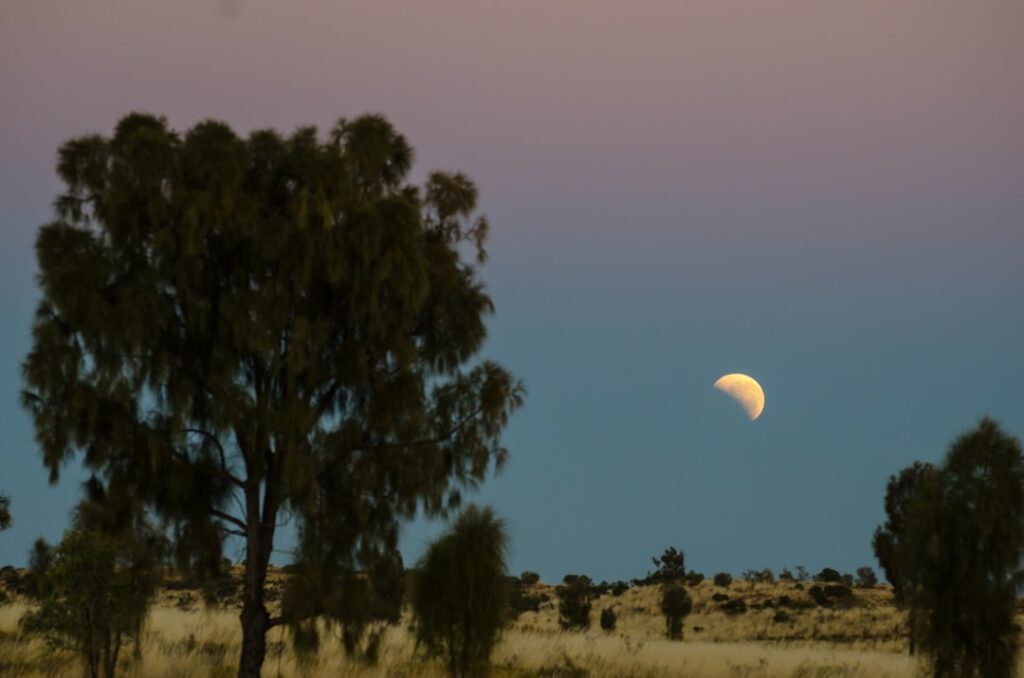
Red blood moon in sky during nighttime, Uluru, Australia
- Historic Architecture: The Uluru-Kata Tjuta Cultural Centre (1995) showcases sustainable desert architecture built into the landscape, featuring traditional Anangu designs and sacred stories.
- Cultural Scene: The Tjungu Festival each April celebrates Indigenous culture with traditional dance, bush food workshops, and contemporary Aboriginal art markets.
- Local Specialties: Kangaroo fillet with bush tomato chutney offers a uniquely Australian taste of the outback’s lean, gamey meat paired with native fruits.
Pro Tip: Visit between May and September when temperatures average 20°C (68°F) and join the 6:15 AM base walk to avoid both crowds and the intense midday heat—you’ll have the trail largely to yourself while experiencing Uluru’s morning glow.
Map of Uluru, Australia
Use these interactive maps to explore Uluru, Australia and plan your route:
📍 View Uluru, Australia on OpenStreetMap
🗺️ Open Uluru, Australia in Google Maps
Planning Your Trip: Practical Essentials
Getting There and Around
- By Air: Ayers Rock Airport (AYQ) receives daily Qantas flights from Sydney, Melbourne, and Cairns. The airport transfer to Yulara resort takes 15 minutes and costs $25 AUD via shuttle. Book flights at Skyscanner for best deals.
- By Train: The Ghan railway stops in Alice Springs (450km away), where you can rent a car or join a tour—the journey from Adelaide takes 24 hours through spectacular outback scenery. Reserve tickets at Trainline or the national railway website.
- By Car: The 450km drive from Alice Springs via Lasseter Highway takes 4.5 hours—fill up at Curtin Springs, the only fuel stop. Rental cars must be 4WD for Kata Tjuta Valley of the Winds track. Compare car rentals at RentalCars.com.
- Local Transport: The Uluru Hop-on Hop-off bus ($80 AUD for 3 days) connects Yulara resort with Uluru and Kata Tjuta, while free resort shuttles circulate between accommodations and dining. Check official city transport websites for passes and schedules.
Best Time to Visit
Uluru’s desert climate means extreme temperatures—savvy travelers target the cooler months when walking is comfortable and sunsets are crystal clear. The shoulder seasons offer perfect conditions for photography with dramatic cloud formations.
| Season | Weather | Highlights |
|---|---|---|
| Winter (Jun–Aug) | 5-20°C (41-68°F), clear skies, chilly nights | Perfect hiking conditions, Field of Light installation, minimal flies, busy season |
| Summer (Dec–Feb) | 20-35°C (68-95°F), intense sun, possible rain | Fewer crowds, dramatic thunderstorms, limited walking hours due to heat |
| Shoulder (Apr–May/Sep–Oct) | 12-28°C (54-82°F), pleasant days, cool evenings | Ideal photography light, comfortable for full base walk, Tjungu Festival in April |
Budgeting for Uluru, Australia

Brown house with solar board in deser, Uluru, Australia
| Category | Budget | Mid-range | Luxury |
|---|---|---|---|
| Accommodation | $40-80 AUD (camping/dorm) | $250-400 AUD (hotel room) | $600-1200 AUD (premium resort) |
| Meals | $25-40 AUD (resort food court) | $60-100 AUD (restaurant dining) | $150-250 AUD (signature dining) |
| Transport | $80 AUD (3-day hop-on bus) | $120-180 AUD (car rental daily) | $300+ AUD (private tours) |
| Activities | $38 AUD (park entry 3 days) | $150-250 AUD (guided tours) | $450+ AUD (helicopter flights) |
| Daily Total | $100-150 AUD | $350-550 AUD | $800-1500 AUD |
Top Attractions and Must-See Sights
| Attraction | Description | Hours | Entry Fee |
|---|---|---|---|
| Uluru Base Walk | 10.6km circumnavigation revealing waterholes, ancient rock art, and sacred sites with audio guide | Sunrise to sunset | $38 AUD (3-day park pass) |
| Kata Tjuta (The Olgas) | 36 dramatic domes rising from the plain, with the Valley of the Winds offering breathtaking gorge views | Sunrise to sunset | Included in park pass |
| Field of Light | Bruce Munro’s installation of 50,000 solar-powered stems glowing across the desert landscape at dusk | Nightly, book ahead | $43-175 AUD |
| Cultural Centre | Anangu-owned center showcasing traditional crafts, creation stories, and authentic Aboriginal art | 7:00 AM-6:00 PM | Free with park entry |
3-Day Itinerary: Uluru, Australia’s Highlights & Hidden Gems
Day 1: Uluru Immersion & Desert Colors
- Morning: 5:30 AM departure for Talinguru Nyakunytjaku sunrise viewing platform ($38 park pass) to watch Uluru transform through 15 color changes in 90 minutes, followed by the 2-hour Mala Walk with ranger guidance at 8:00 AM (free).
- Afternoon: Self-guided Uluru Base Walk starting from Kuniya carpark, with lunch picnic at Mutitjulu Waterhole—the only permanent water source at Uluru, home to wanampi (water snakes) in Creation stories.
- Evening: 6:15 PM Sounds of Silence dinner ($225 AUD) featuring kangaroo, barramundi, and bush spices while watching sunset over Uluru with didgeridoo performance and star talk.
Day 2: Kata Tjuta Adventures & Indigenous Culture
- Morning: 6:00 AM drive to Kata Tjuta for the 7.4km Valley of the Winds walk ($38 park pass)—complete the full circuit before 11:00 AM when temperatures often exceed the 36°C track closure threshold.
- Afternoon: Uluru-Kata Tjuta Cultural Centre visit focusing on the Tjukurpa (creation stories) gallery, then Maruku Arts dot painting workshop ($79 AUD) creating your own artwork with local Anangu artists.
- Evening: Field of Light Star Pass ($43 AUD) arriving 45 minutes after sunset when the installation glows brightest against the dark desert sky, with optional canapés and sparkling wine upgrade.
Day 3: Desert Perspectives & Departure
- Morning: 5:00 AM Uluru sunrise helicopter flight ($165 AUD/15min) providing aerial views of both Uluru and Kata Tjuta, then breakfast at Geckos Cafe ($25 AUD) trying their famous kangaroo burger.
- Afternoon: Free resort shuttle to Camel Farm ($8 AUD entry) for 1:00 PM camel ride through desert landscapes with stories of early Afghan cameleers, or visit the Wintjiri Arts + Museum.
- Evening: Final Uluru sunset viewing from the designated sunset carpark with picnic dinner before late flight departure or overnight preparation for next day’s travel.
Cultural Insights & Etiquette
- Language: English is universal, but learning Anangu greetings like “palya” (hello/okay) and “wai” (yes) shows respect—many sacred sites have Pitjantjatjara names.
- Customs: Never climb Uluru (banned since 2019)—this is deeply disrespectful to Anangu culture; always ask permission before photographing people; some rock art sites are gender-restricted.
- Tipping: Not expected in Australia, though 10% for exceptional tour guide service is appreciated—restaurant bills already include tax and service charges.
- Dress Code: Practical sun protection with hat and sunglasses, sturdy walking shoes, and layers for 20°C temperature swings—modest clothing shows cultural respect.
- Business Hours: Most facilities operate 7:00 AM-6:00 PM with reduced services during summer heat—national park opens sunrise to sunset year-round.
Where to Eat: Uluru, Australia’s Best Bites
Uluru’s dining scene centers around Yulara resort, where you’ll discover everything from quick bites to fine dining featuring native Australian ingredients—book restaurants 2-3 days ahead during peak season as tables fill quickly.
Must-Try Local Specialties
- Kangaroo Fillet: Lean, gamey red meat served medium-rare with bush tomato chutney—best at Arnguli Grill & Restaurant with outback views.
- Barramundi: Australia’s premium white fish often grilled with lemon myrtle and served with native pepperberries—try the whole barramundi at Ilkari Restaurant.
- Wattleseed Damper: Traditional bush bread made with ground acacia seeds, best enjoyed with quandong (native peach) jam at the Cultural Centre cafe.
Restaurant Recommendations by Budget
| Type | Restaurant | Specialty | Price Range |
|---|---|---|---|
| Budget | Kulata Academy Cafe (Cultural Centre) | Indigenous-inspired sandwiches and coffee trained by local youth | $12-25 AUD |
| Mid-range | Geckos Cafe (Yulara town square) | Wood-fired pizzas and Australian pub classics with outdoor seating | $25-45 AUD |
| Fine dining | Sounds of Silence (desert dunes) | Buffet of native ingredients with sunset Uluru views and astronomy | $225 AUD |
Where to Stay
All accommodations cluster in Yulara resort, 20km from Uluru—this planned community offers everything from camping to luxury, with free internal shuttles connecting all areas. Compare prices and book at Booking.com or Airbnb for apartments.
Best Neighborhoods for Accommodation
- Longitude 131°: Luxury wilderness tents with direct Uluru views and private butlers—perfect for special occasions and ultimate desert immersion.
- Sails in the Desert: Central resort hotel with pool, spa, and multiple dining options—ideal for families and travelers wanting full amenities.
- Outback Pioneer Hotel: Lively budget option with shared kitchen, bar, and self-cook barbecue area—excellent for solo travelers and groups.

Uluru, Australia
FAQs: Your Uluru, Australia Questions Answered
1. Is Uluru, Australia safe at night?
Yulara resort is very safe with good lighting and regular security patrols—when viewing Uluru at sunrise/sunset, stay on marked paths and carry a torch. Wildlife encounters are rare but give snakes space, and never approach dingoes—store food securely.
2. What currency is used and are credit cards accepted?
Australian dollars (AUD) are used everywhere—credit cards are widely accepted, though carry $50-100 cash for smaller vendors and donations. ATMs are available at Yulara town square, but notify your bank of travel to avoid card blocks.
3. How do I get from the airport to the city center?
Ayers Rock Airport transfers cost $25 AUD via Connellan Airport shuttle meeting all flights—the 15-minute ride goes directly to Yulara resort. Taxis cost approximately $40 AUD. Book airport transfers at GetYourGuide for convenience.
4. Do I need to speak the local language?
English is universally spoken—learning a few Pitjantjatjara words like “palya” (hello) shows cultural respect. All tours and signage are in English, and Anangu guides are bilingual with excellent storytelling skills.
5. What’s the appropriate dress code?
Practical desert wear: sturdy closed-toe shoes for walking, wide-brimmed hat, sunglasses, and layers for temperature extremes. For cultural respect, avoid revealing clothing at sacred sites—shoulders and knees covered shows appreciation for Anangu traditions.
Final Thoughts: Uluru, Australia Awaits
Uluru offers one of Australia’s most profound travel experiences—where ancient culture meets breathtaking natural beauty in the heart of the Red Centre. Beyond the iconic photographs, you’ll discover living culture, dramatic desert landscapes, and moments of genuine connection with 60,000 years of continuous heritage. Savvy travelers know the real magic happens when you slow down: joining a dot painting workshop, listening to Tjukurpa stories at sunset, or simply sitting in silence as the desert reveals its colors. Your Uluru journey begins with respect for this sacred land and ends with memories that linger long after the red dust has washed from your shoes. Don’t rush—the desert reveals its secrets slowly to those who take the time to listen.

