
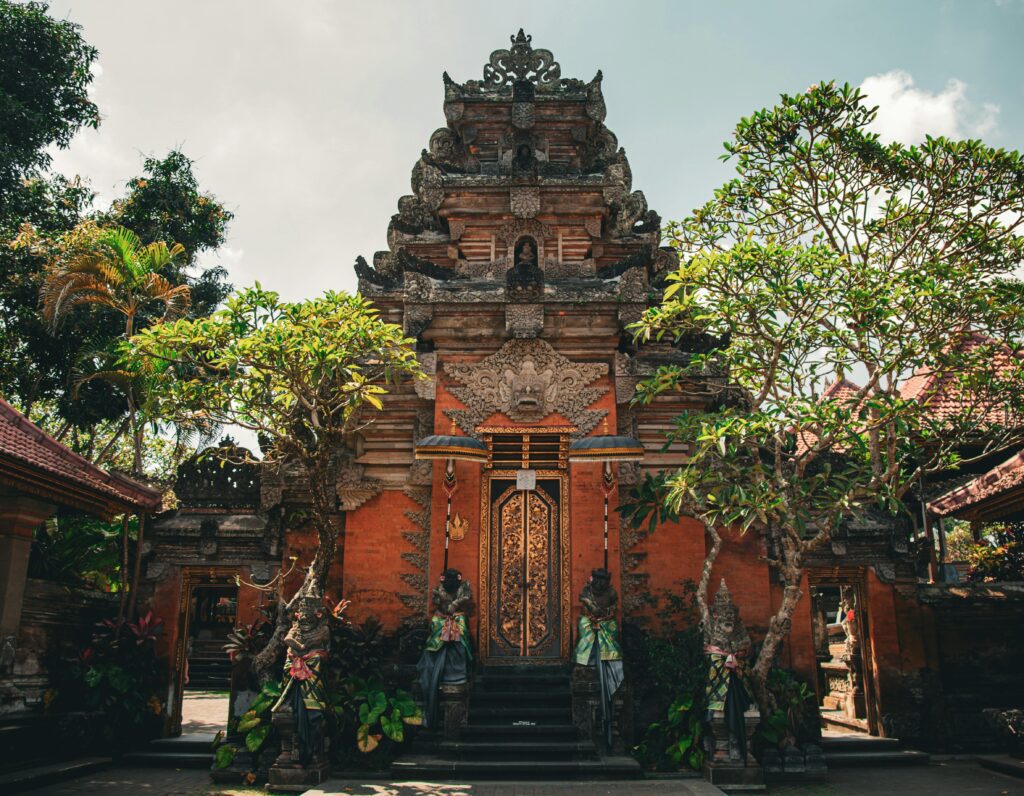
“Discover hidden Ubud gems most tourists miss. Unveil unique experiences & secret spots for an authentic Bali adventure.”
Introduction: Why Ubud Should Be Your Next Destination
Stepping into Ubud feels like entering another world. I’ll never forget my first morning here—awakened by the hypnotic chime of gamelan music drifting from a nearby temple, the crisp mountain air sweet with frangipani and freshly brewed Balinese coffee. More than just a town, Ubud is Bali’s spiritual and cultural heartbeat. Did you know entire villages here specialize in crafts like silverwork, woodcarving, or traditional batik?
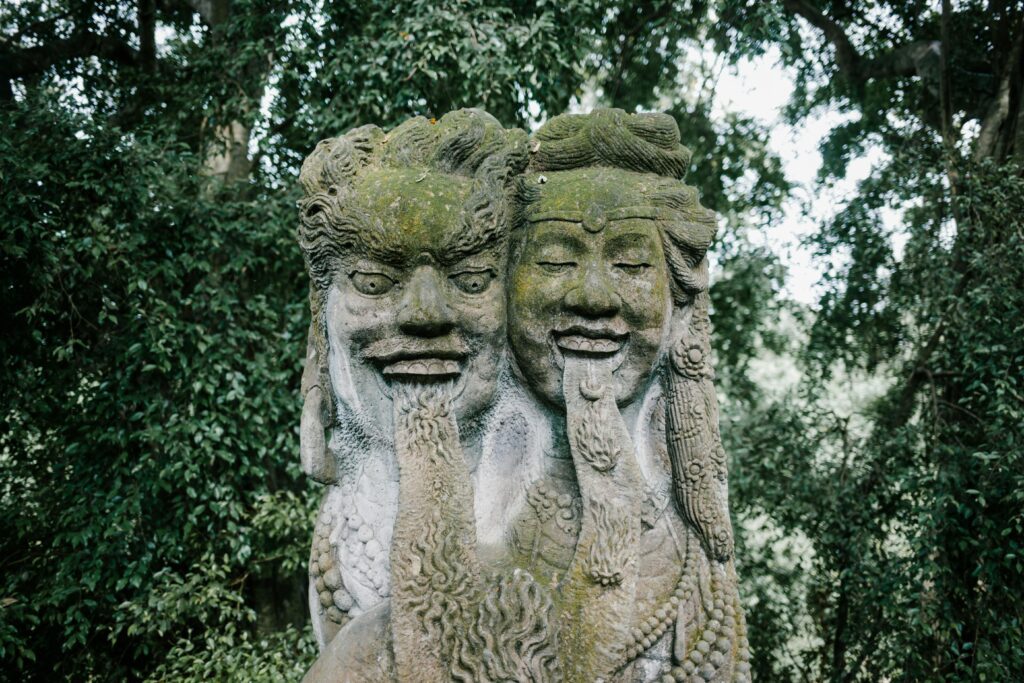
This guide reveals Ubud’s highlights—from emerald rice terraces and ancient temples to hidden waterfalls and local culinary secrets. By the end, you’ll be ready to embrace its magic.
Quick Facts About Ubud
- Best Time to Visit: April–October (dry season) for sunny skies, though November–March offers lush, misty charm.
- Ideal Stay Duration: 3–4 days minimum to experience its essence.
- Vibe: Tranquil, artistic, spiritually enriching.
- Language: Balinese & Indonesian (English widely spoken).
- Currency: Indonesian Rupiah (IDR).
When to Visit Ubud for the Best Experience
Dry Season (April–October)
- Pros: Sunny skies, ideal for hiking and photography. Temples glow under golden light, and outdoor cafes buzz with travelers.
- Events:
- Ubud Writers & Readers Festival (October): Asia’s largest literary event, attracting global authors.
- Bali Arts Festival (June–July): Traditional dance, music, and crafts in Denpasar (30 min from Ubud).
- Crowds: Peak season (July–August) means higher prices—book accommodations 3+ months ahead.
Wet Season (November–March)
- Pros: 30% lower prices, lush landscapes, fewer tourists. Morning markets are serene, and waterfalls roar with fresh rain.
- Cons: Brief afternoon showers (but mornings are often clear). Some hiking trails may be slippery.
Best For: Budget travelers and photographers seeking moody, verdant backdrops.
Personal Anecdote: I visited in late November and had Tegalalang Rice Terrace almost to myself at sunrise—just me, the fog, and a lone farmer tending his fields. The mist curled over the palm trees like smoke, and the only sound was the distant clang of a temple bell.
3-Day Ubud Itinerary: Culture, Nature & Adventure
Day 1: Cultural Immersion
Morning:
– Campuhan Ridge Walk (6:00 AM): A 2km trail through emerald hills. Stop at Karsa Kafe for coconut pancakes and jungle views.
– Goa Gajah (Elephant Cave) (9:00 AM): A 9th-century cave temple with a carved demon mouth entrance. Don’t miss the bathing pools hidden behind ferns.
Afternoon:
– Tirta Empul Temple (12:00 PM): Join locals in the purification ritual—step under 30 spouts of holy spring water. Rent a sarong (IDR 20,000) if needed.
– Lunch at Warung Babi Guling Ibu Oka (2:00 PM): Try Bali’s famous suckling pig with crispy skin and spicy sambal (IDR 80,000).
Evening:
– Kecak Fire Dance at Pura Dalem Ubud (7:00 PM): A hypnotic performance with 50 chanting men and flickering torches (IDR 150,000).
Day 2: Nature & Adventure
Morning:
– Tegallalang Rice Terraces (7:00 AM): Walk the narrow paths, then swing at Alas Harum (IDR 150,000 for photos).
– Satria Luwak Coffee (10:00 AM): Sample civet coffee (IDR 50,000) and try free tastings of ginger tea and cocoa.
Afternoon:
– Tibumana Waterfall (1:00 PM): A 15-minute hike leads to a secluded cascade. Swim in the turquoise pool (entry IDR 20,000).
– Sacred Monkey Forest (4:00 PM): Feed monkeys sweet potatoes (sold onsite) but guard your sunglasses!
Evening:
– Dinner at Locavore (7:00 PM): A 7-course tasting menu with ingredients like jackfruit and snake fruit (IDR 1,200,000).
Day 3: Off-the-Beaten-Path
Morning:
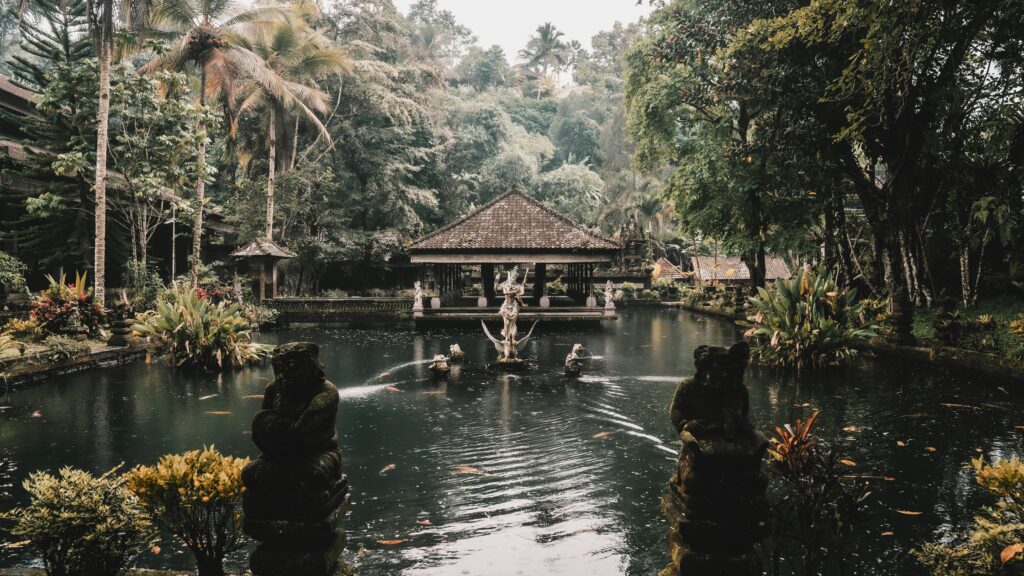
– Pura Gunung Kawi Sebatu (8:00 AM): A serene water temple with koi-filled ponds. Offer a canang sari (flower basket) at the shrine.
Afternoon:
– Threads of Life Workshop (12:00 PM): Learn about natural dye techniques (IDR 300,000 for a 2-hour class).
– Sayan Ridge Sunset (5:00 PM): Sip a lychee martini at Alchemy Bali while overlooking the Ayung River.
Evening:
– Gianyar Night Market (7:00 PM): Try babi guling (IDR 30,000) and pisang rai (steamed banana with coconut).
Hidden Gems & Local Experiences
1. Pura Gunung Kawi Sebatu
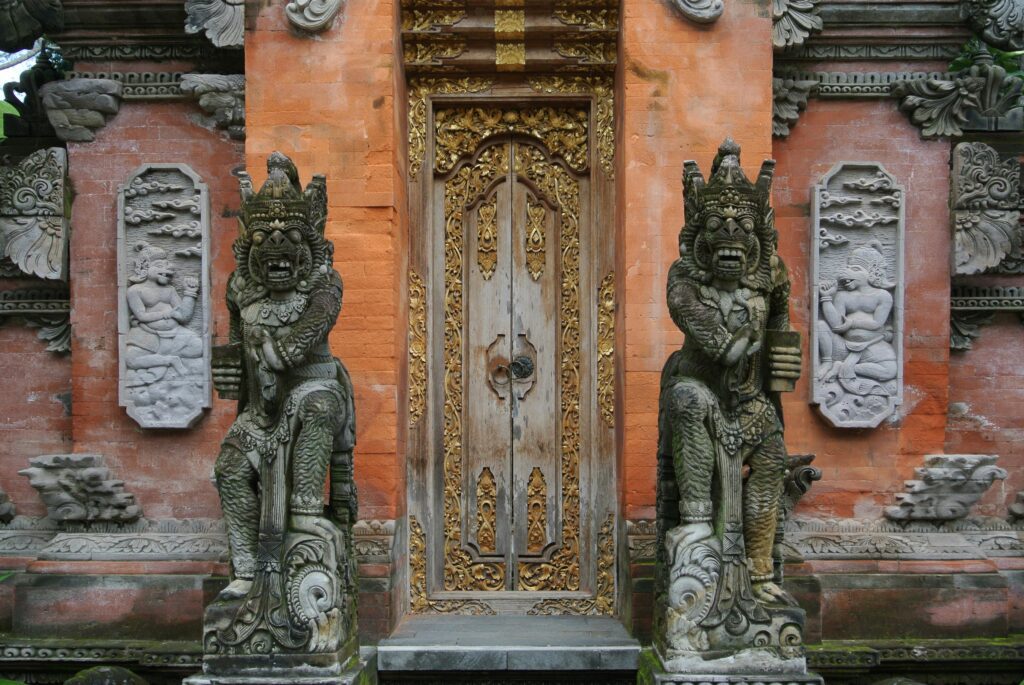
- Why Go: This lesser-known temple has tiered pools where locals bathe in silence. The moss-covered statues seem to whisper ancient secrets.
- Tip: Arrive by 7 AM to witness priests blessing offerings with incense.
2. Tukad Cepung Waterfall
- Why Go: Sunbeams pierce through a cave-like canyon, creating a golden glow on the waterfall. The walk through a riverbed feels like an adventure.
- Tip: Visit mid-morning for the best light. Wear water shoes—the rocks are slippery!
3. Balinese Cooking Class at Paon Bali
- Personal Anecdote: I learned to make lawar (spiced salad) from a local grandma—her secret? Freshly pounded coconut and a mortar pestle older than my passport. The class (IDR 350,000) ends with a feast in her garden.
Practical Tips for Exploring Ubud
Transportation
- Scooter Rental: ~IDR 70,000/day (check brakes and wear a helmet—police issue fines!).
- Private Driver: ~IDR 600,000/day (great for groups; ask for Ketut at Ubud Best Drivers).
Packing Essentials
- Lightweight sarong (for temples; buy a batik one at Sukawati Market for IDR 50,000).
- Reef-safe sunscreen (Ubud’s sun is strong even in the jungle).
- Mosquito repellent (jungle areas have dengue risks).
Etiquette
- Temples: Cover shoulders/knees. Step over offerings—never on them.
- Monkeys: No eye contact; secure loose items (they love stealing GoPros!).
- Greetings: Say “Om Swastiastu” (Balinese hello) to elders.
FAQs About Ubud Travel
1. Is Ubud safe for solo travelers?
Yes! Stick to well-lit areas at night. Avoid walking alone in remote rice fields after dark.
2. Can I use credit cards?
Most mid-range places accept cards, but markets and warungs are cash-only. ATMs dispense max IDR 2.5 million/transaction.
3. What’s the best way to meet locals?
Join a subak (rice farming) tour or a canang sari (offering-making) workshop. Balinese love sharing their culture!
4. Are there ATMs in Ubud?
Plenty, but notify your bank to avoid blocks. BCA ATMs have low fees.
5. How’s the Wi-Fi?
Reliable in cafes (try Seniman Coffee Studio). For remote work, get a Telkomsel SIM (IDR 100,000 for 30GB).
Conclusion: Start Your Ubud Adventure Today!
Ubud isn’t just a place—it’s a feeling. Whether you’re meditating in a jungle-shrouded temple, bargaining at the art market, or savoring a spicy sambal matah, this town leaves an indelible mark.
Ready to explore? Book your flights, pack your sarong, and dive into Bali’s cultural soul.
Keywords:
“Ubud travel guide ” “best things to do in Ubud ” “when to visit Ubud ” “Ubud attractions ” “where to stay in Ubud”

