
Twijfelfontein, Namibia: Stunning Ancient Art, Volcanic Giants & Desert Solitude (2026)
Just after dawn in the Damaraland desert, the low sun rakes across a sprawling field of red sandstone, illuminating over 2,500 ancient rock engravings. The air is silent save for the whisper of a hot wind and the distant call of a pied crow. This is Twijfelfontein, a UNESCO World Heritage Site where, for over 6,000 years, hunter-gatherers documented their world, leaving behind Africa’s largest and richest concentration of petroglyphs on a scale that rivals famous European cave art, yet sees only a fraction of the visitors.
Why Twijfelfontein, Namibia Stands Out

Close-up of a black rhinoceros standing in the Namibian savannah, Twijfelfontein, Namibia
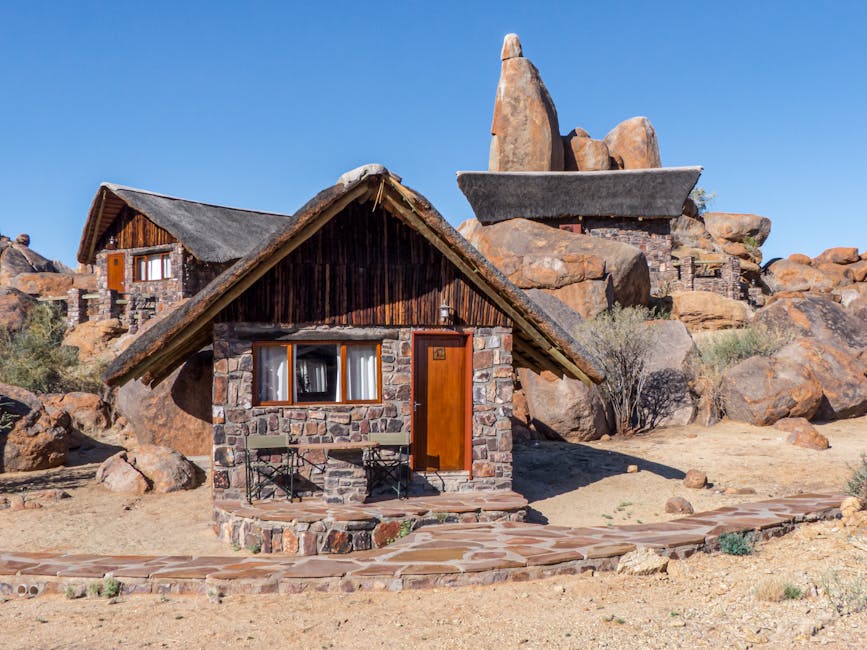
- Historic Architecture: The Twijfelfontein Country Lodge, built from local stone and thatch, blends seamlessly into the ancient landscape, offering a modern base to explore the prehistoric.
- Cultural Scene: The living heritage of the Damara people, whose ancestors may have created the engravings, is best experienced through guided walks with local community guides who share ancestral knowledge.
- Local Specialties: Don’t miss a traditional *braai* (barbecue) featuring game meats like oryx or kudu, often served under a blanket of stars at your lodge.
Pro Tip: The absolute best time for photography and comfortable exploration is during the Namibian winter (May to September). Aim to be at the engravings for the 7:00 AM guided tour; the soft morning light makes the carvings incredibly vivid, and you’ll avoid the intense midday heat that can exceed 40°C (104°F) in summer.
Map of Twijfelfontein, Namibia
Use these interactive maps to explore Twijfelfontein, Namibia and plan your route:
📍 View Twijfelfontein, Namibia on OpenStreetMap
🗺️ Open Twijfelfontein, Namibia in Google Maps
Planning Your Trip: Practical Essentials
Getting There and Around
- By Air: Fly into Hosea Kutako International Airport (WDH) near Windhoek. From there, you must rent a car; it’s a 5-6 hour drive. For a closer airstrip, some lodges arrange charter flights to the D2552 airstrip. Book flights at Skyscanner for best deals.
- By Train: There are no passenger train services to this remote region. All travel is by road or air.
- By Car: A 4×4 vehicle is highly recommended, though a sturdy 2WD with high clearance can manage the C39 and D3214 roads in the dry season. The drive from Swakopmund is spectacular but takes ~5 hours. Compare car rentals at RentalCars.com.
- Local Transport: There is no public transport. Your lodge will arrange guided tours to all major sites. Independent exploration is done with your own vehicle.
Best Time to Visit
The climate dictates your experience here. The cool, dry winter offers ideal conditions for exploration, while the transformative summer rains bring dramatic scenery but challenging travel.
| Season | Weather | Highlights |
|---|---|---|
| Winter (May–Aug) | Sunny, dry days (20-25°C/68-77°F), cold nights (can drop to 5°C/41°F). Zero rain. | Perfect hiking weather, best wildlife viewing at waterholes, peak tourist season with advance bookings essential. |
| Summer (Nov–Mar) | Very hot (30-40°C/86-104°F), humid with afternoon thunderstorms possible. | Lush, green landscape, dramatic skies, fewer tourists, but some roads may become impassable and heat is intense. |
| Shoulder (Apr & Sep–Oct) | Warm to hot days (25-35°C/77-95°F), moderate nights. Low chance of rain. | Good value, comfortable temperatures, excellent for photography with clear skies, transitioning landscapes. |
Budgeting for Twijfelfontein, Namibia

Black and white image of a building on stilts in Walvis Bay, Twijfelfontein, Namibia
| Category | Budget | Mid-range | Luxury |
|---|---|---|---|
| Accommodation | Camping at community sites (~N$150-250/$8-14 pp) | Lodge chalets (N$1,800-2,500/$100-140 pp sharing) | Full-board luxury lodges (N$4,500+/$250+ pp sharing) |
| Meals | Self-catering from your vehicle supplies | Lodge restaurant meals (N$150-250/$8-14 per meal) | Gourmet multi-course dinners with wine pairing |
| Transport | Fuel for your rental car (~N$2.20/$0.12 per km) | Same, plus occasional guided drives (N$500-800/$28-45) | Private vehicle & guide, charter flights |
| Activities | Twijfelfontein engravings (N$100/$6), free scenic drives | Burnt Mountain, Organ Pipes, Living Museum (N$100-150/$6-8 each) | Private archaeology tours, helicopter flights over Damaraland |
| Daily Total | N$600-800 / $33-44 pp | N$2,500-3,500 / $140-195 pp | N$6,000+ / $335+ pp |
Top Attractions and Must-See Sights
| Attraction | Description | Hours | Entry Fee |
|---|---|---|---|
| Twijfelfontein Rock Engravings (UNESCO) | A guided walk through 6,000-year-old petroglyphs depicting animals, footprints, and ritual scenes. | Guided tours start at 7:00 AM, 9:00 AM, 3:00 PM (2 hrs) | N$100 ($6) pp + N$50 ($3) vehicle fee |
| The Organ Pipes | A striking geological formation of 100-million-year-old dolomite columns rising 5 meters, resembling a pipe organ. | Sunrise to Sunset | N$50 ($3) pp |
| Burnt Mountain | A hill of blackened shale and volcanic rock that transforms with fiery colors at sunrise and sunset. | Sunrise to Sunset | N$50 ($3) pp |
| Damara Living Museum | An open-air museum where the Damara people demonstrate traditional crafts, hunting, and fire-making. | 8:30 AM – 5:00 PM | N$150 ($8) pp for a 2-hour tour |
3-Day Itinerary: Twijfelfontein, Namibia’s Highlights & Hidden Gems
Day 1: Ancient Art & Volcanic Landscapes
- Morning (7:00 AM): Be at the Twijfelfontein Visitor Centre for the first guided tour (N$100). Your guide will decode the engravings of rhinos, seals, and mystical symbols. The cool morning light is essential for photography.
- Afternoon (1:00 PM): Drive the 5km loop to the Organ Pipes and Burnt Mountain (N$50 each). Have a packed picnic lunch at the viewpoint. Later, visit the small but informative Twijfelfontein Adventure Centre to see casts of the most famous engravings.
- Evening (6:30 PM): Return to Burnt Mountain for sunset—the rocks glow in surreal purples and reds. Enjoy a classic Namibian *braai* under the stars at your lodge, trying kudu sausage or oryx steak.
Day 2: Desert Wildlife & Living Culture
- Morning (6:30 AM): Join an early morning game drive (N$600-800) from your lodge to search for desert-adapted elephants, the elusive black rhino (with a tracker), and giraffes. The cooler hours are when wildlife is most active at the dry riverbeds.
- Afternoon (12:30 PM): Lunch at your lodge. Then, drive 15km to the Damara Living Museum (N$150). This isn’t a static exhibit; you’ll participate in activities like bow-drill fire lighting and learning about medicinal plants.
- Evening (5:00 PM): Take a short, self-guided walk on one of the marked trails near your lodge, like the Lion’s Head Trail. The setting sun casts long shadows across the bizarre, eroded landscape, perfect for contemplation.
Day 3: Scenic Exploration & Departure
- Morning (8:00 AM): Fuel up and begin the scenic drive south towards the Brandberg Massif, Namibia’s highest mountain. Stop at the Phillips Cave to see the famous “White Lady” rock painting (a 2-hour round trip walk, guide recommended).
- Afternoon (1:00 PM): Have a final lunch on the terrace of the Twijfelfontein Country Lodge, enjoying views of the valley. Visit the lodge’s craft shop for authentic Himba or Damara jewelry.
- Evening (5:00 PM): If driving to Swakopmund, you’ll want to depart by now for the long journey. If staying, ask your lodge to arrange a “sundowner” drive to a secluded viewpoint for a final toast to the ancient, silent beauty of Damaraland.
Cultural Insights & Etiquette
- Language: English is widely spoken in tourism. A few words in Damara/Nama (like “!Gâi //oâs” – Hello, literally “Good day”) are greatly appreciated.
- Customs: Always ask permission before photographing people, especially the Himba people you may encounter. It’s respectful and often involves a small agreed-upon fee.
- Tipping: Tip guides N$50-100 ($3-6) per person for a half-day tour, more for exceptional service. Lodge staff can be tipped collectively in a tip box at reception.
- Dress Code: Practical, lightweight clothing for sun protection, a wide-brimmed hat, and sturdy walking shoes are essential. Evenings can be cold, so pack a fleece or jacket.
- Business Hours: Site gates are generally open daylight hours, but guided tours have specific slots. Small shops have limited hours; plan supplies in advance.
Where to Eat: Twijfelfontein, Namibia’s Best Bites
Dining in Twijfelfontein is almost exclusively lodge-based. The experience is less about restaurant-hopping and more about enjoying well-prepared, hearty meals in stunning remote settings, often featuring local game meats.
Must-Try Local Specialties
- Game Meat Braai: Oryx (gemsbok), kudu, or springbok, grilled over an open fire. It’s lean, flavorful, and a true taste of Namibia. Best tried at your lodge’s weekly barbecue night.
- Potjiekos: A slow-cooked stew made in a three-legged cast-iron pot, often with meat and vegetables. A social, traditional dish sometimes offered by lodges.
- Kapana: While more of a town street food, if you pass through a settlement, look for this grilled, spiced beef sold by the piece—a delicious, quick snack.
Restaurant Recommendations by Budget
| Type | Restaurant | Specialty | Price Range |
|---|---|---|---|
| Lodge Dining | Twijfelfontein Country Lodge Restaurant | Sunset views over the valley and a superb game meat platter. | N$180-250 ($10-14) for a main |
| Lodge Dining | Mowani Mountain Camp | Upscale dining on a mountain plateau with panoramic views (open to non-guests by reservation). | N$300+ ($17+) for a main |
| Self-Catering | Your own vehicle or campsite | Bring supplies from Outjo or Khorixas. Many lodges allow self-catering campers to book dinner in advance. | Cost of groceries |
Where to Stay
Accommodation ranges from basic campsites to ultra-luxurious lodges, all designed to immerse you in the desert environment. Booking far in advance is crucial, especially from June to October. Compare prices and book at Booking.com or Airbnb for apartments (though options are very limited here; lodges are best booked directly).
Best Areas for Accommodation
- Twijfelfontein Area: The most convenient base for the engravings and geological sites. Offers a range from the mid-range Twijfelfontein Lodge to upscale camps. You’re right in the heart of the action.
- Southern Damaraland (Near Doro !Nawas): A more exclusive, remote feel, with lodges like Doro !Nawas and Mowani Mountain Camp offering stunning vistas and excellent guided wildlife activities.
- Community Campsites (Abadi or Sorris Sorris): For the budget-conscious and self-sufficient. Basic facilities (water, ablutions) put you close to nature and directly support local communities.

Explore the serene coastline of Swakopmund, Twijfelfontein, Namibia
FAQs: Your Twijfelfontein, Namibia Questions Answered
1. Is Twijfelfontein, Namibia safe at night?
Yes, it is very safe in terms of personal security. The primary concerns are environmental: always be aware of wildlife (like scorpions or snakes) when walking at night, and never drive on unmarked roads after dark due to the risk of getting lost or stuck. Within lodge grounds, you are perfectly safe.
2. What currency is used and are credit cards accepted?
The Namibian Dollar (NAD) is pegged 1:1 to the South African Rand (ZAR), which is also accepted. Major lodges accept Visa and Mastercard. However, you must carry sufficient cash (NAD) for park entry fees, tips, community museum visits, and purchases from small craft stalls, as they rarely take cards.
3. How do I get from the airport to the city center?
There is no “city center.” From Windhoek’s Hosea Kutako Airport, you must pick up a pre-booked rental car for the 5-6 hour drive. Some luxury lodges can arrange a charter flight directly to a private airstrip near Twijfelfontein, which includes a lodge transfer. Book airport transfers at GetYourGuide for convenience for Windhoek city transfers only.
4. Do I need to speak the local language?
No. English is the official language and is spoken by all staff at tourism facilities. Learning a few basic greetings in Damara/Nama (like “Mâre” for Thank You) will delight locals, but it is not required.</

