
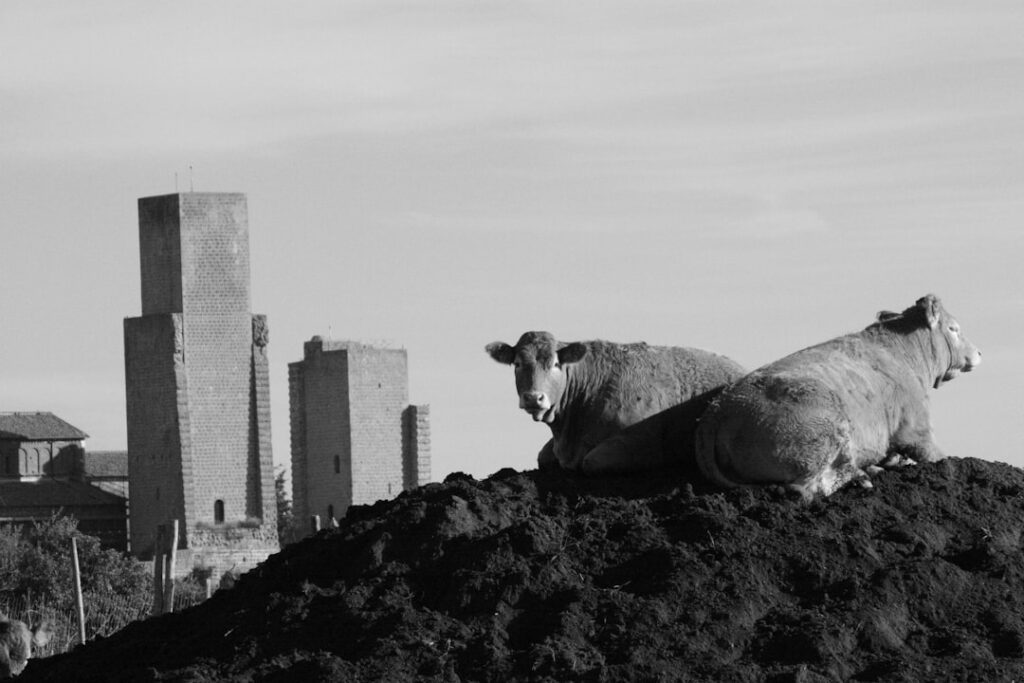
Tuscania, Italy’s Ultimate Etruscan Ruins, Medieval Walls & Pecorino Cheese (2026)
While crowds flock to the rolling hills of Chianti, Tuscania delivers the soul of ancient Etruria and unspoiled medieval charm without the tour buses. Perched on volcanic tufa plateaus just 90 minutes north of Rome, this fortified town of 8,500 people guards secrets far older than the Roman Empire. Here, you can trace 3,000 years of history from Etruscan necropolises to Romanesque churches, all while the scent of wild fennel and pecorino cheese fills the air.
Why Tuscania, Italy Stands Out

An old castle sits on a hill surrounded by trees, Tuscania, Italy
- Historic Architecture: The 12th-century Church of San Pietro, built atop an Etruscan acropolis, showcases breathtaking Romanesque lions and a crypt supported by 28 ancient columns.
- Cultural Scene: The Festa di Santa Maria Maggiore in mid-August transforms the town with historical processions in medieval costume, flag-throwers, and a vibrant palio competition.
- Local Specialties: You must try Acquacotta, a rustic “cooked water” soup made with wild herbs, stale bread, and a poached egg, a true taste of the Maremma shepherding tradition.
Pro Tip: Visit in late September or early October. The summer heat and Italian holiday crowds (Ferragosto in mid-August) have dissipated, the countryside is golden, and you’ll have the Etruscan tombs nearly to yourself. Arrive at the Church of San Pietro just before 5:30 PM to witness the setting sun illuminate its rose-colored facade—a sight most day-trippers miss.
Map of Tuscania, Italy
Use these interactive maps to explore Tuscania, Italy and plan your route:
📍 View Tuscania, Italy on OpenStreetMap
🗺️ Open Tuscania, Italy in Google Maps
Planning Your Trip: Practical Essentials
Getting There and Around
- By Air: Rome’s Fiumicino (FCO) is the closest major airport, 110km away. From there, take a train to Viterbo or a direct Cotral bus. Book flights at Skyscanner for best deals.
- By Train: Regional trains from Rome’s Ostiense station go to Viterbo (approx. 1.5 hours). From Viterbo, a 20-minute local Cotral bus completes the journey to Tuscania. Reserve tickets at Trainline or the national railway website.
- By Car: The most flexible option. Take the A1 Autostrada from Rome, exit at Orte, and follow the SS675 towards Viterbo. Parking is easy outside the medieval walls. Compare car rentals at RentalCars.com.
- Local Transport: Tuscania’s historic center is best explored on foot. Local Cotral buses connect to Viterbo and nearby towns; tickets (€1-3) are bought at tabacchi shops. There’s no city transport pass needed.
Best Time to Visit
Tuscania enjoys a classic Mediterranean climate. Savvy travelers target the shoulder seasons for ideal weather, fewer crowds, and lower prices, while summer offers vibrant festivals and long, warm evenings perfect for passeggiate (evening strolls).
| Season | Weather | Highlights |
|---|---|---|
| Summer (Jun–Aug) | Warm to hot, 25°C–32°C (77°F–90°F), dry and sunny. | Festivals in full swing, lively piazzas, perfect for evening dining al fresco. Can be crowded in August with Italian holidaymakers. |
| Winter (Dec–Feb) | Cool, 5°C–12°C (41°F–54°F), occasional rain. | Atmospheric, misty landscapes, no crowds, and a truly local feel. Some smaller attractions may have reduced hours. |
| Shoulder (Apr–May/Sep–Oct) | Mild, 15°C–25°C (59°F–77°F), pleasant and sunny. | The absolute best time. Wildflowers (spring) or harvest colors (autumn), comfortable for hiking to ruins, and you’ll mingle with locals. |
Budgeting for Tuscania, Italy

A breathtaking aerial view of the rural landscape in Tuscania, Tuscania, Italy
| Category | Budget | Mid-range | Luxury |
|---|---|---|---|
| Accommodation | €50-€80 (Agriturismo room or B&B) | €100-€180 (Boutique hotel in centro storico) | €200+ (Historic villa with pool & views) |
| Meals | €15-€25 (Pizza al taglio, panini, trattoria primo) | €35-€55 (Full trattoria meal with wine) | €80+ (Fine dining with wine pairing) |
| Transport | €5 (Local bus day pass) | €40-€60 (Daily rental car, incl. parking) | €150+ (Private driver for day trips) |
| Activities | €0-€15 (Church visits, countryside walks) | €30 (Guided Etruscan tomb tour) | €100+ (Private cooking class or cheese-making experience) |
| Daily Total | €70-€125 | €175-€315 | €530+ |
Top Attractions and Must-See Sights
| Attraction | Description | Hours | Entry Fee |
|---|---|---|---|
| Church of San Pietro | A Romanesque masterpiece on an Etruscan acropolis, famed for its intricate facade sculptures and eerie, ancient crypt. | Daily, 8:30 AM–12:30 PM & 3:00 PM–6:00 PM (varies seasonally) | Free (donation appreciated) |
| National Archaeological Museum | Houses stunning sarcophagi and artifacts from the local Etruscan necropolises, telling a 3,000-year story. | Tue-Sun, 8:30 AM–7:30 PM | €5 |
| Etruscan Necropolis of Madonna dell’Olivo | Explore the “Tomb of the Queen” and other subterranean tombs carved into volcanic tufa, a short walk from town. | Daylight hours; guided tours recommended. | Free (guided tour ~€15) |
| Church of Santa Maria Maggiore | Home to a breathtaking 13th-century fresco of the Last Judgment and a magnificent Cosmatesque floor. | Daily, 9:00 AM–1:00 PM & 3:00 PM–7:00 PM | Free |
3-Day Itinerary: Tuscania, Italy’s Highlights & Hidden Gems
Day 1: Medieval Heart & Etruscan Soul
- Morning (7-9 AM): Start with a cappuccino and cornetto at **Bar Pasticceria Centrale** in Piazza Basile. Then, walk the intact medieval walls from Porta di Poggio to Porta Montascide for panoramic views over the Marta River valley.
- Afternoon (12-3 PM): Visit the **National Archaeological Museum** (€5). For lunch, head to **Trattoria Da Gigi** for a perfect plate of Pasta all’Amatriciana (€12).
- Evening (6-8 PM): Catch the golden hour light on the facade of the **Church of San Pietro**. For dinner, savor wood-fired pizza at **Il Goccetto** (€8-14) in a cozy vaulted cellar.
Day 2: Tombs, Cheese & Countryside
- Morning (9 AM): Join a 2-hour guided tour of the **Etruscan Necropolis of Madonna dell’Olivo** (€15 per person). Your guide will unlock gates to tombs usually closed to the public.
- Afternoon (1 PM): Drive 10 minutes to **Azienda Agricola Biancospino** for a pecorino cheese tasting (€20). Enjoy a picnic lunch with their cheese, salami, and local bread overlooking their flocks.
- Evening (7 PM): Dine at **Ristorante Il Patriarca** for a refined take on Acquacotta soup and wild boar stew (primi around €14).
Day 3: Frescoes, Markets & Farewell Aperitivo
- Morning (9 AM): If it’s Thursday, browse the weekly market in Piazza Basile for local produce. Then, admire the stunning frescoes in the **Church of Santa Maria Maggiore**.
- Afternoon (12:30 PM): Enjoy a final lunch at **Osteria Da Alfredo**, known for its handmade fettuccine with truffles (in season) or funghi porcini (€16).
- Evening (5 PM): For your farewell, join locals for an aperitivo at **Caffè Grande Italia**. Order a glass of local Est! Est!! Est!!! di Montefiascone wine (€4) and watch the passeggiata from their terrace.
Cultural Insights & Etiquette
- Language: Basic Italian phrases go a long way. Say “Buongiorno” (good day) when entering shops and “Un caffè, per favore” at bars. English is understood in tourist spots but not universally.
- Customs: The afternoon riposo (roughly 1-4 PM) is observed. Many smaller shops and museums close. This is time for a long lunch or a rest.
- Tipping: Not obligatory. Round up the bill at a café (e.g., pay €2 for a €1.80 coffee). In restaurants, a €1-2 per person tip is polite for good service; leave it in cash on the table.
- Dress Code: Modest dress (covered shoulders and knees) is required for entering churches. Smart-casual attire is perfect for evening dining.
- Business Hours: Shops: 9 AM-1 PM, 4-7:30 PM (closed Monday morning). Restaurants: Lunch 12:30-2:30 PM, Dinner 7:30-10:30 PM. Many close one day a week (often Monday).
Where to Eat: Tuscania, Italy’s Best Bites
Tuscanian cuisine is hearty “cucina povera” (poor kitchen) at its finest, rooted in shepherding and foraging traditions. Expect robust flavors from wild herbs, pecorino cheese, lamb, and legumes. Meals are an event here, not a rush.
Must-Try Local Specialties
- Acquacotta: The iconic “cooked water” soup. For the authentic version, head to **Trattoria Da Lisa** in the old town.
- Lombrichelli alla Tuscania: Hand-rolled, worm-shaped pasta served with a rich wild boar (cinghiale) or lamb ragù. **Osteria Da Alfredo** masters this dish.
- Pecorino di Tuscania: Local sheep’s milk cheese, aged in various ways. Buy it directly from farms like **Azienda Agricola Biancospino** or sample it on cheese boards in most restaurants.
Restaurant Recommendations by Budget
| Type | Restaurant | Specialty | Price Range |
|---|---|---|---|
| Budget | Pizzeria Il Goccetto (Via del Duomo) | Thin, crispy Roman-style pizzas and bruschetta in a rustic setting. | €8-€15 |
| Mid-range | Trattoria Da Gigi (Via dei Priori) | Classic, no-fuss pasta dishes like Amatriciana and Carbonara. | €25-€40 |
| Fine dining | Ristorante Il Patriarca (Via dei Priori) | Elegant, creative interpretations of local classics with an excellent wine list. | €50-€80 |
Where to Stay
Your choice is between staying within the evocative medieval walls or in a surrounding agriturismo (farm stay) for total countryside immersion. Compare prices and book at Booking.com or Airbnb for apartments.
Best Neighborhoods for Accommodation
- Centro Storico (Historic Center): The most atmospheric choice. You’ll be steps from restaurants and churches in a maze of cobbled lanes. Perfect for travelers without a car. Can be quiet at night.
- Just Outside the Walls (Borgo): Offers easier parking, often with stunning views back towards the town walls. A 5-10 minute walk to the center. Look for B&Bs with gardens.
- Surrounding Countryside (Agriturismo): The ultimate escape. You’ll need a car, but you’ll wake up to vineyards and olive groves, often with a pool. Ideal for families or a relaxing retreat.

Intricate details of the Florence Cathedral facade showcasing Gothic archit…, Tuscania, Italy
FAQs: Your Tuscania, Italy Questions Answered
1. Is Tuscania, Italy safe at night?
Extremely safe. Violent crime is virtually unheard of. The main concern is typical petty theft—never leave valuables in a parked car. The well-lit centro storico is peaceful and safe for walking at all hours.
2. What currency is used and are credit cards accepted?
The currency is the Euro (€). Credit cards (Visa/Mastercard) are widely accepted in hotels and most restaurants. However, smaller B&Bs, market stalls, and some family-run trattorias may prefer or only accept cash. It’s wise to always have some euros on hand.
3. How do I get from the airport to the city center?
From Rome Fiumicino (FCO), take the Leonardo Express train to Roma Termini (32 mins, €14), then a regional train to Viterbo (1.5 hrs, ~€8). From Viterbo, take a Cotral bus to Tuscania (20 mins, ~€2). A pre-booked private transfer from FCO directly to Tuscania costs €150-€200. Book airport transfers at GetYourGuide for convenience.
4. Do I need to speak the local language?
No, but it enhances your experience immensely. In tourist-facing businesses, basic English is spoken. Learning a few key Italian phrases for greetings, ordering, and thanks is deeply appreciated and often met with warmer service.

