
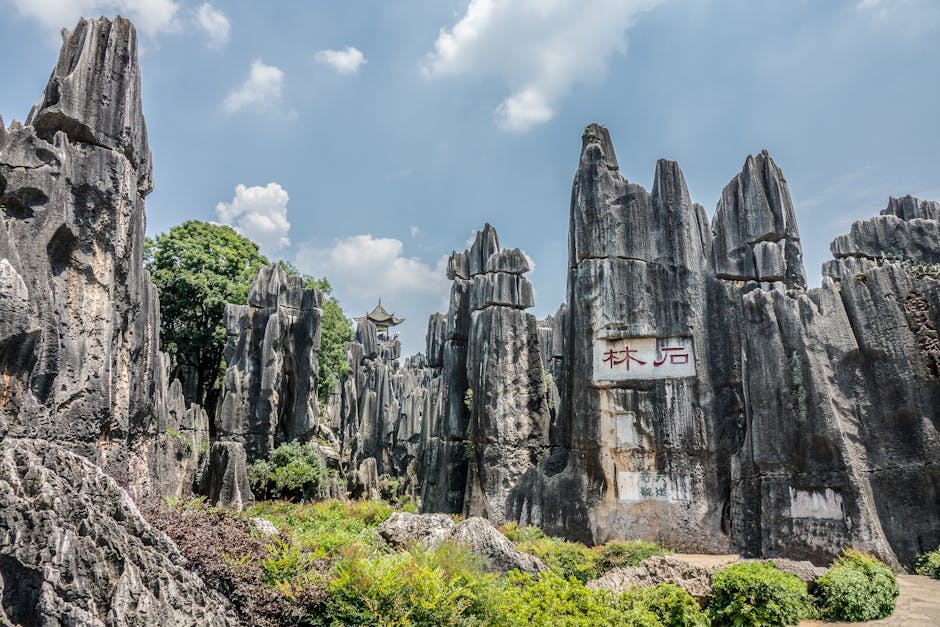
Tsingy’s Unique Landscape, Madagascar: Essential Stone Forests, Rare Wildlife & Epic Adventure (2026)
At dawn, the sun ignites the Tsingy de Bemaraha into a landscape of impossible silhouettes. The sound is a chorus of rustling leaves and the distant call of a Decken’s sifaka, echoing through 200-million-year-old limestone cathedrals. This UNESCO World Heritage site isn’t just a park; it’s a 600-square-kilometer fortress of stone needles, hidden canyons, and forests that grow on rock. Here, you don’t just hike—you traverse suspension bridges 100 meters high and navigate caves where lemurs leap between razor-sharp pinnacles.
Why Tsingy’s Unique Landscape, Madagascar Stands Out

Stunning dramatic rock formations in Valle de las Animás, La Paz, Bolivia., Tsingy’s Unique Landscape, Madagascar
- Historic Architecture: The Grand Tsingy itself, a 200-million-year-old Jurassic limestone formation sculpted by monsoon rains, stands as Earth’s most ancient and formidable natural citadel.
- Cultural Scene: The local Sakalava people’s Fady (taboos) regarding the forest, such as prohibitions against pointing at the stone with your finger, infuse the landscape with deep spiritual significance.
- Local Specialties: After a day’s trek, savor Romazava, a hearty beef and leafy green stew, often served with a mound of vary (rice), the island’s staple.
Pro Tip: The park is only accessible by 4×4 via the rough RN8 from Morondava, and is completely closed during the rainy season (November to March). Your best bet is to visit in the dry season from April to early November, and aim for a weekday to have the surreal suspension bridges and viewing platforms almost to yourself.
Map of Tsingy’s Unique Landscape, Madagascar
Use these interactive maps to explore Tsingy’s Unique Landscape, Madagascar and plan your route:
📍 View Tsingy’s Unique Landscape, Madagascar on OpenStreetMap
🗺️ Open Tsingy’s Unique Landscape, Madagascar in Google Maps
Planning Your Trip: Practical Essentials
Getting There and Around
- By Air: Fly into Morondava (MOQ) from Antananarivo on Air Madagascar. From Morondava, it’s a demanding 8-10 hour 4×4 journey north on the RN8 to Bekopaka, the gateway village. Book flights at Skyscanner for best deals.
- By Train: No train service reaches this remote western region. All travel is by road, river, or air.
- By Car: A 4×4 with an experienced driver is non-negotiable. The “road” involves river crossings (including a seasonal ferry/barge at the Manambolo River) and rocky tracks. Compare car rentals with drivers at RentalCars.com or book a full tour from Antananarivo.
- Local Transport: Within Bekopaka, you’ll walk or use pirogues (dugout canoes) for river trips. All park exploration is on foot with a mandatory local guide.
Best Time to Visit
The Tsingy is a seasonal destination defined by the rains. The dry season offers accessibility and manageable heat, while the wet season renders the park impassable and closed.
| Season | Weather | Highlights |
|---|---|---|
| Dry Season (Apr–Oct) | Hot & sunny (25-30°C/77-86°F), no rain, cool nights. | Park is fully open; ideal for strenuous Grand Tsingy climbs and clear photography; wildlife is active near water sources. |
| Wet Season (Nov–Mar) | Torrential rains, high humidity, extreme heat. | Park is officially closed; roads are flooded and impassable; not recommended for travel to the region. |
| Shoulder (Apr & Oct) | Transitional, with occasional brief showers. | Lush greenery starts to appear or linger; slightly fewer visitors than peak June-August; a good balance. |
Budgeting for Tsingy’s Unique Landscape, Madagascar
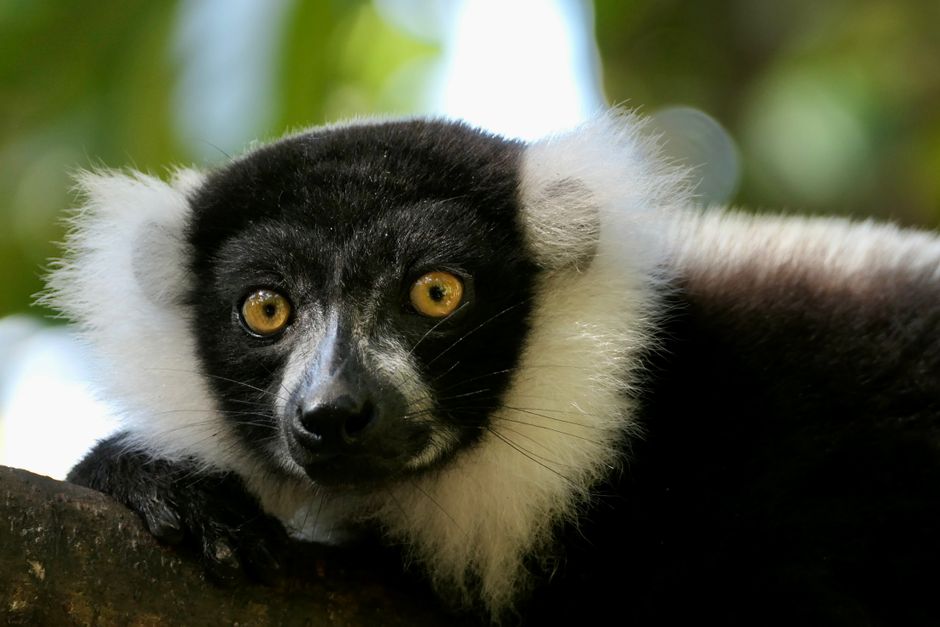
Intense gaze of a black and white ruffed lemur in its natural habitat., Tsingy’s Unique Landscape, Madagascar
| Category | Budget | Mid-range | Luxury |
|---|---|---|---|
| Accommodation | Camping or basic bungalow: $15-25/night | Comfortable lodge with en-suite: $50-80/night | Full-board eco-lodge: $150+/night |
| Meals | Local hotely meals: $3-5 | Lodge restaurant: $8-15 per meal | Multi-course dinners: $20+ |
| Transport | Shared 4×4 taxi-brousse: $50-70 (one-way from Morondava) | Private 4×4 with driver: $100-150/day | Private 4×4 & domestic flights: $300+/day |
| Activities | Petit Tsingy hike: $10 park fee + $15 guide | Grand Tsingy circuit: $25 guide + gear fee | Private guide, canoeing, multi-day bespoke trek |
| Daily Total | $70-100/day | $150-250/day | $400+/day |
Top Attractions and Must-See Sights
| Attraction | Description | Hours | Entry Fee |
|---|---|---|---|
| Grand Tsingy Circuit | A thrilling via ferrata-style adventure with harnesses, ladders, and suspension bridges over the most dramatic pinnacles. | 7 AM – 3 PM (start required) | ~$45 (inc. guide, gear, park fee) |
| Petit Tsingy Circuit | A less strenuous but equally stunning walk through a forest of smaller stone needles, perfect for wildlife spotting. | 6 AM – 5 PM | ~$25 (inc. guide & park fee) |
| Manambolo Gorge | A serene pirogue trip through towering limestone cliffs, visiting sacred caves and spotting crocodiles. | Morning or afternoon tours | ~$20 per pirogue (1-2 hrs) |
| Baobab Alley at Sunset | On the drive from Morondava, stop at this iconic avenue of ancient, towering baobabs for a legendary sunset. | Accessible 24/7 | Small community fee (~$2) |
3-Day Itinerary: Tsingy’s Unique Landscape, Madagascar’s Highlights & Hidden Gems
Day 1: Arrival & Immersion in the Stone Forest
- Morning (7-9 AM): Arrive in Bekopaka after an early start from Morondava. Check into your lodge (like Orchidée du Bemaraha) and immediately book your guides for the next two days.
- Afternoon (12-3 PM): Tackle the **Petit Tsingy Circuit**. Your guide will point out the white-breasted mesite bird and the stunning Decken’s sifaka lemur navigating the spikes. Lunch is a packed picnic amidst the stones.
- Evening (6-8 PM): Enjoy a well-earned dinner at your lodge. Try the local freshwater fish (trondro) and watch the sky fill with stars, utterly free of light pollution.
Day 2: The Grand Adventure & River Serenity
- Morning (7 AM – 12 PM): Embark on the **Grand Tsingy Circuit** (~4-5 hours). This is the pinnacle experience. You’ll be fitted with a harness to safely climb ladders and cross heart-pounding wire bridges with 100-meter drops below. The view from the summit is otherworldly.
- Afternoon (2-4 PM): Recover with a gentle **pirogue trip on the Manambolo River**. Glide past tombs of the Vazimba, the island’s legendary first inhabitants, and spot Nile crocodiles basking on the banks.
- Evening (6 PM): Relax. Savvy travelers know to simply sit on the lodge terrace with a Three Horses Beer (“THB”) and listen to the forest come alive at dusk.
Day 3: Hidden Canyons & The Journey Back
- Morning (7-9 AM): Take a final short hike to the **Andadoany Cave** or a hidden canyon your guide recommends. It’s a quieter, more intimate look at the eroded limestone formations.
- Afternoon (12 PM onward): Begin the return journey to Morondava. Your best bet is to time this to arrive at **Baobab Alley** for the golden hour before sunset—the perfect farewell to western Madagascar.
- Evening: Overnight in Morondava. Celebrate your achievement with a seafood dinner at Chez Maggie on the beach.
Cultural Insights & Etiquette
- Language: Malagasy is the official language. Key phrases: “Manao ahoana” (Hello), “Misaotra” (Thank you), “Azafady” (Please/Excuse me). French is widely spoken in tourism.
- Customs: Always ask permission before photographing people. Respect *Fady* (taboos); your guide will advise, e.g., never point directly at a sacred stone or tomb with your finger.
- Tipping: Not mandatory but greatly appreciated. For guides, consider 5,000-10,000 MGA (~$1-$2) per day. For drivers, a similar amount.
- Dress Code: Modest, practical clothing. For the Tsingy, sturdy hiking boots, long pants, and gloves (for gripping rock) are essential. Bring a hat and sunscreen.
- Business Hours: Shops in villages keep irregular hours. Park offices are open from sunrise to sunset. Major holidays like Independence Day (June 26) can see closures.
Where to Eat: Tsingy’s Unique Landscape, Madagascar’s Best Bites
Dining here is about hearty, fuel-providing meals. Most food is served at lodge restaurants. The cuisine is simple but satisfying, centered around rice, zebu (Malagasy beef), fresh river fish, and locally foraged greens.
Must-Try Local Specialties
- Romazava: The national dish, a slow-cooked stew of zebu meat with antafika (leafy greens) and ginger. You’ll find authentic versions at any lodge in Bekopaka.
- Ravitoto sy Henakisoa: A rich, comforting dish of shredded cassava leaves cooked with pork. A local favorite for energy.
- Brochettes: Grilled skewers of zebu or chicken, often sold at roadside stalls in Morondava. Best enjoyed with a side of piquant *lasary* (tomato or vegetable relish).
Restaurant Recommendations by Budget
| Type | Restaurant | Specialty | Price Range |
|---|---|---|---|
| Budget | Local Hotelys in Bekopaka village | Set plates of rice, laoka (side dish), and beans | $3-5 per meal |
| Mid-range | Le Soleil des Tsingy Lodge Restaurant | Fresh fish from the Manambolo and good French-Malagasy fusion | $8-15 per meal |
| Fine dining | Relais des Tsingy Restaurant | The most refined multi-course dinners in the area, often with wine | $20+ per meal |
Where to Stay
Accommodation is clustered in Bekopaka, ranging from basic camping to comfortable eco-lodges. Book well in advance during peak season. Compare prices and book at Booking.com or Airbnb for apartments (though options are limited here).
Best Neighborhoods for Accommodation
- Bekopaka Village Center: Close to park offices and guide associations; has basic guesthouses and a local feel. Best for budget travelers and those wanting immediate access.
- Riverside Lodges (along Manambolo): Offers beautiful views, cooler breezes, and often higher-quality bungalows (e.g., Orchidée du Bemaraha). A 5-10 minute drive from the park entrance.
- Morondava (Pre/Post-Tsingy): A coastal town with a wider range of hotels, from budget to mid-range beach resorts like Chez Maggie. Essential stopover for the Baobab Alley.
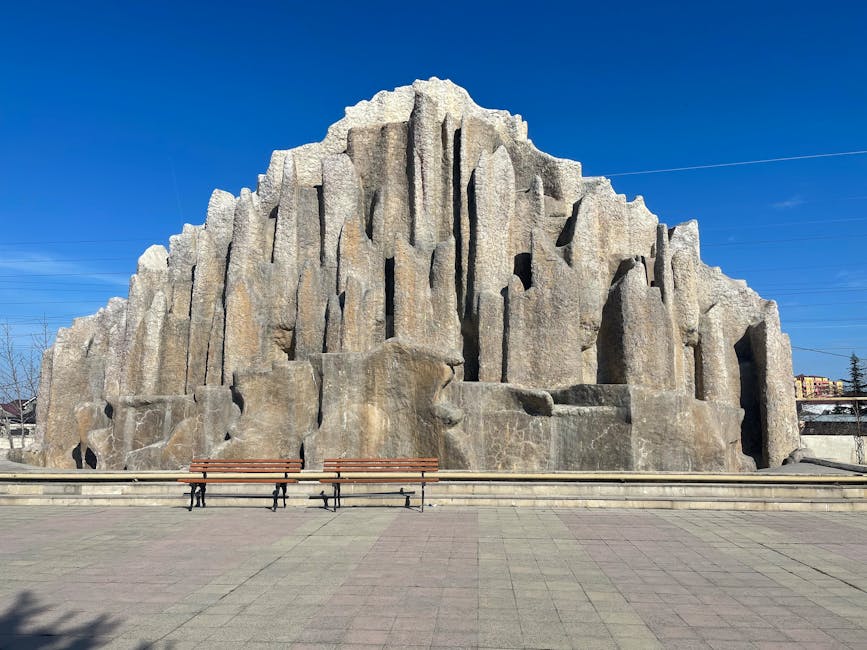
Majestic rock formation resembling basalt columns under a clear blue sky., Tsingy’s Unique Landscape, Madagascar
FAQs: Your Tsingy’s Unique Landscape, Madagascar Questions Answered
1. Is Tsingy’s Unique Landscape, Madagascar safe at night?
Yes, the park itself and the village of Bekopaka are very safe. The primary safety concerns are physical: staying on marked trails, using harnesses properly on the Grand Tsingy, and avoiding dehydration. Petty theft is rare. Always hike with your mandatory guide.
2. What currency is used and are credit cards accepted?
The local currency is the Malagasy Ariary (MGA). Carry ample cash in small denominations, as credit cards are almost never accepted in Bekopaka or for park fees. There are no ATMs in Bekopaka; the nearest reliable ones are in Morondava. Euros or USD can sometimes be exchanged at larger lodges at poor rates.
3. How do I get from the airport to the city center?
From Morondava Airport (MOQ), it’s a short 10-minute taxi ride into town (approx. 10,000 MGA / $2.50). For the Tsingy itself, you must organize a 4×4 transfer from Morondava, which is a full-day journey. Book airport transfers and full tours at GetYourGuide for convenience.
4. Do I need to speak the local language?
No, but it helps. English is not widely spoken. French is the lingua franca of tourism. Your park guides will speak basic French/English. Learning a few Malagasy greetings will earn you warm smiles. A phrasebook or translation app is recommended.
5. What’s the appropriate dress code?
Practical adventure wear. For hiking the Tsingy: sturdy, closed-toe hiking boots with grip, long pants to protect from scrapes, gloves (cycling or gardening gloves work), a hat, and a breathable long-sleeved shirt. Evenings are casual. Dress modestly in villages.
Final Thoughts: Tsingy’s Unique Landscape, Madagascar Awaits
The Tsingy de Bemaraha is not a destination for a casual stroll; it’s a call to adventure for the intrepid traveler. It rewards effort with perspectives found nowhere else on Earth—a world of stone where life clings tenaciously and beauty is forged from sharp edges. You’ll leave with more than photos; you

