
Tsingy’s National Park, Madagascar: Hidden Stone Forests, Rare Lemurs & Epic Adventure (2026)
At dawn, the sun ignites the Tsingy de Bemaraha into a cathedral of stone, casting shadows that dance across 200 million-year-old limestone spires. The air fills with the haunting call of the crested ibis and the rustle of a Decken’s sifaka leaping between razor-sharp pinnacles. This isn’t a landscape you simply visit; it’s a prehistoric labyrinth you navigate via suspension bridges and caves, in one of the world’s most biodiverse and least-visited UNESCO sites.
Why Tsingy’s National Park, Madagascar Stands Out

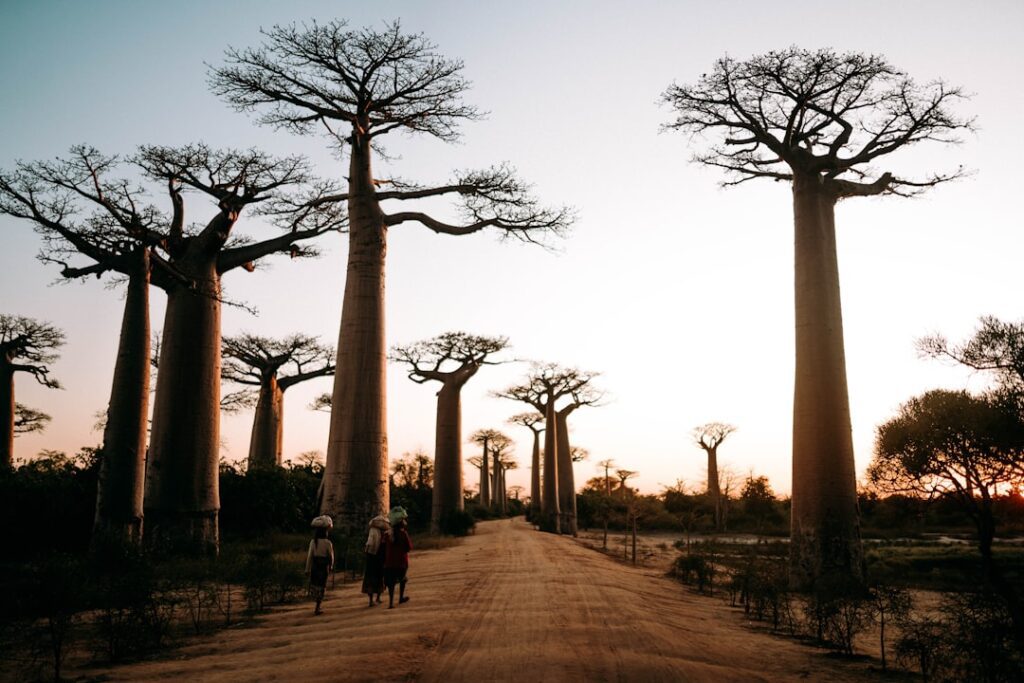
Avenue of the Baobabs, Madagascar during day, Tsingy’s National Park, Madagascar
- Historic Architecture: The park itself is a natural fortress, with its labyrinthine ‘tsingy’ (Malagasy for “where one cannot walk barefoot”) formations historically serving as an impenetrable refuge for the Vazimba, the island’s earliest inhabitants.
- Cultural Scene: The nearby Sakalava and Mikea peoples hold the forest as sacred, with local guides sharing ancestral stories of the spirits, or ‘fanahy’, believed to dwell within the stone cathedrals.
- Local Specialties: After a day’s trek, try ‘romazava’, a hearty meat and leafy green stew, or fresh ‘kabaro’ (lima beans) cooked with coconut, staples that fuel the local communities.
Pro Tip: The park is only accessible by road from April to November. For the best experience with manageable heat and minimal leeches, target the window of late May to early October. Arrive at the park gates by 7:00 AM to secure a knowledgeable local guide and beat the most intense midday sun on the exposed rock.
Map of Tsingy’s National Park, Madagascar
Use these interactive maps to explore Tsingy’s National Park, Madagascar and plan your route:
📍 View Tsingy’s National Park, Madagascar on OpenStreetMap
🗺️ Open Tsingy’s National Park, Madagascar in Google Maps
Planning Your Trip: Practical Essentials
Getting There and Around
- By Air: Fly into Morondava (MOQ) via Air Madagascar from Antananarivo. From Morondava, it’s a rugged 8-10 hour 4×4 journey north (approx. 200km) to Bekopaka, the gateway village. Book flights at Skyscanner for best deals.
- By Train: No train service reaches this remote region. The journey is exclusively by road, river ferry, and foot.
- By Car: A 4×4 with an experienced driver is non-negotiable. The final stretch involves crossing the Manambolo River on a hand-pulled ferry. Compare car rentals and driver services at RentalCars.com or book a full tour from Antananarivo.
- Local Transport: Within Bekopaka, transport is by foot or zebu cart. All park exploration is on foot with a guide. Check official park websites for guide association contacts.
Best Time to Visit
The park operates on a seasonal schedule dictated by the rains. The dry season offers access and trekking viability, while the wet season renders the roads impassable and the stone dangerously slick.
| Season | Weather | Highlights |
|---|---|---|
| Dry Season (Apr–Nov) | Warm to hot (25-32°C), sunny, very low rainfall. | Full park access, ideal trekking conditions, best wildlife spotting (lemurs are more active), but peak visitor numbers in July-August. |
| Wet Season (Dec–Mar) | Hot (28-35°C), torrential daily rains, high humidity. | The park is officially closed; roads are flooded and the Tsingy becomes treacherous. Not recommended for travel. |
| Shoulder (Apr–May/Oct–Nov) | Pleasant warmth (24-30°C), occasional brief showers. | Lush greenery, fewer tourists than peak dry season, lower rates for guides and lodging, and vibrant birdlife. |
Budgeting for Tsingy’s National Park, Madagascar

Woman wearing green dress while walking, Tsingy’s National Park, Madagascar
| Category | Budget | Mid-range | Luxury |
|---|---|---|---|
| Accommodation | $15-25/night (basic bungalow in Bekopaka) | $50-80/night (comfortable lodge with en-suite) | $150+/night (all-inclusive eco-lodge with guided packages) |
| Meals | $5-10/day (local *hotely* eateries) | $15-25/day (lodge restaurant meals) | $50+/day (full-board at luxury lodges) |
| Transport | $100-150 (shared 4×4 from Morondava) | $250-400 (private 4×4 with driver) | $600+ (private charter flight to nearby airstrip + 4×4) |
| Activities | $25 (Park fee + basic guide for Petit Tsingy) | $50-75 (Guides for Petit & Grand Tsingy circuits) | $150+ (Private guide, canyoning, multi-day treks) |
| Daily Total | $50-70/day* | $100-150/day* | $300+/day* |
*Excludes international flights and the significant cost of getting to/from Morondava. Transport cost is averaged over a 5-day trip.
Top Attractions and Must-See Sights
| Attraction | Description | Hours | Entry Fee |
|---|---|---|---|
| Petit Tsingy | A stunning introduction to the limestone formations, featuring walkways, caves like the Grotte de Mitre, and easier trails perfect for acclimatization. | 7:00 AM – 4:00 PM | Park Fee: 55,000 MGA (~$12) for 3 days. Mandatory Guide: 25,000-40,000 MGA/day (~$6-$9). |
| Grand Tsingy | The epic, full-day adventure involving via ferrata, suspension bridges 100m above the forest floor, and breathtaking panoramic views from the summit. | Start by 7:30 AM | Same park fee. Guide: 60,000-80,000 MGA (~$13-$18) due to technical difficulty. |
| Manambolo Gorge | A serene pirogue (canoe) trip through towering canyon walls, visiting sacred caves and spotting crocodiles and birdlife. | Mornings are best | ~40,000 MGA (~$9) for pirogue & guide for 2-3 hours. |
| Baobab Alley (en route) | The iconic avenue of ancient, monumental baobabs near Morondava, a spectacular sunset stop on the journey to or from the park. | Always accessible | Free, but a small community fee (~2,000 MGA) is appreciated for parking. |
3-Day Itinerary: Tsingy’s National Park, Madagascar’s Highlights & Hidden Gems
Day 1: Arrival & Immersion in the Stone Forest
- Morning: Arrive in Bekopaka after the long drive. Check into your lodge and immediately hire a guide at the MNP Office (Madagascar National Parks) for the Petit Tsingy circuit. Starting early avoids the heat.
- Afternoon: Trek the Petit Tsingy, exploring the sharp limestone needles and the cool, bat-inhabited Grotte de Mitre. Have a packed lunch amidst the rocks. Look for the white Decken’s sifaka lemur.
- Evening: Sunset drinks overlooking the Manambolo River at Le Soleil des Tsingy lodge, followed by dinner of grilled zebu and local beans at Chez Alice in the village.
Day 2: The Grand Adventure & River Serenity
- Morning: A 6:30 AM start for the Grand Tsingy (guide fee: ~70,000 MGA). You’ll be fitted with a harness for the via ferrata sections. The climb and bridges offer heart-pounding views.
- Afternoon: Descend and return to Bekopaka for a late, well-earned lunch at your lodge. Rest and rehydrate.
- Evening: A gentle pirogue trip on the Manambolo River (40,000 MGA). Your guide will point out crocodile eyes reflecting in the torchlight and share stories of the Vazimba tombs in the cliffside caves.
Day 3: Local Life & The Journey Back
- Morning: Visit the local market in Bekopaka (free). It’s a hub of village life. Then, take a short guided walk (15,000 MGA) to a nearby sacred baobab tree, where locals leave offerings.
- Afternoon: Begin the return journey to Morondava. Stop for photos and to stretch your legs along the dusty track.
- Evening: Arrive at Baobab Alley for a magical sunset (free). The silhouettes of the 800-year-old trees against the orange sky are unforgettable. Overnight in Morondava.
Cultural Insights & Etiquette
- Language: Malagasy and French. Key phrases: “Manao ahoana” (Hello), “Misaotra” (Thank you), “Azafady” (Please/Excuse me). Guides speak functional French; English is limited.
- Customs: The forest and specific sites are considered sacred (‘fady’). Always follow your guide’s instructions—do not touch certain rocks or enter restricted areas. Ask permission before photographing people.
- Tipping: Not obligatory but deeply appreciated. For guides, 5,000-10,000 MGA per day is a good gesture. For drivers and lodge staff, a small collective tip at the end of your stay is kind.
- Dress Code: Practical, sturdy clothing is key. Wear closed-toe hiking shoes with excellent grip, long pants to protect from scratches, and a hat. Modest dress is respectful in villages.
- Business Hours: Shops and offices in Bekopaka keep informal hours, typically ~7 AM to 5 PM. The MNP office is open for guide hire from early morning.
Where to Eat: Tsingy’s National Park, Madagascar’s Best Bites
Dining here is about hearty, fuel-providing meals. In Bekopaka, options are simple family-run *hotelys* or lodge restaurants. The focus is on fresh, local ingredients like zebu (beef), rice (‘vary’), and tropical fruits.
Must-Try Local Specialties
- Romazava: The national dish: a stew of zebu meat with leafy greens (brèdes) and tomatoes. Find it at any local *hotely* like Chez Lala.
- Ravitoto sy Henakisoa: A rich, flavorful dish of shredded cassava leaves cooked with pork. A filling post-trek meal.
- Fresh Lychees & Mangoes: (Seasonal). Sold by roadside vendors. The sweetest, most juicy mangoes you may ever taste.
Restaurant Recommendations by Budget
| Type | Restaurant | Specialty | Price Range |
|---|---|---|---|
| Budget | Chez Alice (Bekopaka Village) | Simple, generous plates of romazava, rice, and beans. | 5,000-10,000 MGA ($1-$2.50) |
| Mid-range | Olympe du Bemaraha Lodge Restaurant | Set menus featuring French-Malagasy fusion and grilled zebu steaks. | 20,000-35,000 MGA ($4-$8) |
| Fine dining | Le Soleil des Tsingy Restaurant | The best in the area, with table service, wine, and creative dishes using local produce. | 30,000-50,000 MGA ($7-$11) |
Where to Stay
All accommodation is in or near Bekopaka village. Options range from basic bungalows to comfortable eco-lodges. Book well in advance for the peak season (July-September). Compare prices and book at Booking.com or Airbnb for apartments (though traditional Airbnbs are rare here).
Best Neighborhoods for Accommodation
- Bekopaka Village Center: Close to the MNP office and local eateries. Offers basic, no-frills bungalows (e.g., Orchidée du Bemaraha). Perfect for budget travelers wanting immersion.
- Riverside (Manambolo): Lodges like Le Soleil des Tsingy and Olympe du Bemaraha are here. You pay for comfort, stunning views, reliable electricity, and better food. Ideal for mid-range to luxury seekers.
- Outskirts of Bekopaka: A few isolated lodges offer more privacy and direct access to nature sounds, but require longer walks or transport to the village center.

Trees near pathway during daytime, Tsingy’s National Park, Madagascar
FAQs: Your Tsingy’s National Park, Madagascar Questions Answered
1. Is Tsingy’s National Park, Madagascar safe at night?
Bekopaka village is generally very safe. The main concerns are not crime, but nature: use a flashlight to avoid snakes on paths at night, and secure your belongings from curious lemurs or mice. Always inform your lodge if you’re going for an evening walk.
2. What currency is used and are credit cards accepted?
The local currency is the Malagasy Ariary (MGA). Bring ALL the cash you will need for your entire stay—for park fees, guides, meals, souvenirs, and tips. There are NO ATMs in Bekopaka, and credit cards are almost never accepted. Exchange money or withdraw cash in Morondava or Antananarivo before you travel.
3. How do I get from the airport to the park?
From Morondava Airport (MOQ), you must pre-arrange a 4×4 with a driver for the 8-10 hour journey to Bekopaka. This is typically booked as part of a tour package or through your lodge. Expect to pay $250-$400 for a private vehicle round-trip. Shared taxis-brousses are cheaper but highly unreliable and uncomfortable. Book reliable airport transfers and tours at GetYourGuide for convenience.

