
Tsingy’s Limestone Formations, Madagascar: Hidden Adventure, Biodiversity & Geological Wonder (2026)
What if you could walk on a forest of stone needles, 200 million years in the making? Tsingy’s Limestone Formations, Madagascar proves that nature is the world’s most patient sculptor. Here, you’ll navigate a labyrinth of 100-meter-high karst spires so sharp the Malagasy word “tsingy” translates to “where one cannot walk barefoot.” This UNESCO World Heritage site isn’t just a landscape; it’s a vertical ecosystem where 85% of the wildlife, including the ghostly white Decken’s sifaka lemur, exists nowhere else on Earth.
Why Tsingy’s Limestone Formations, Madagascar Stands Out

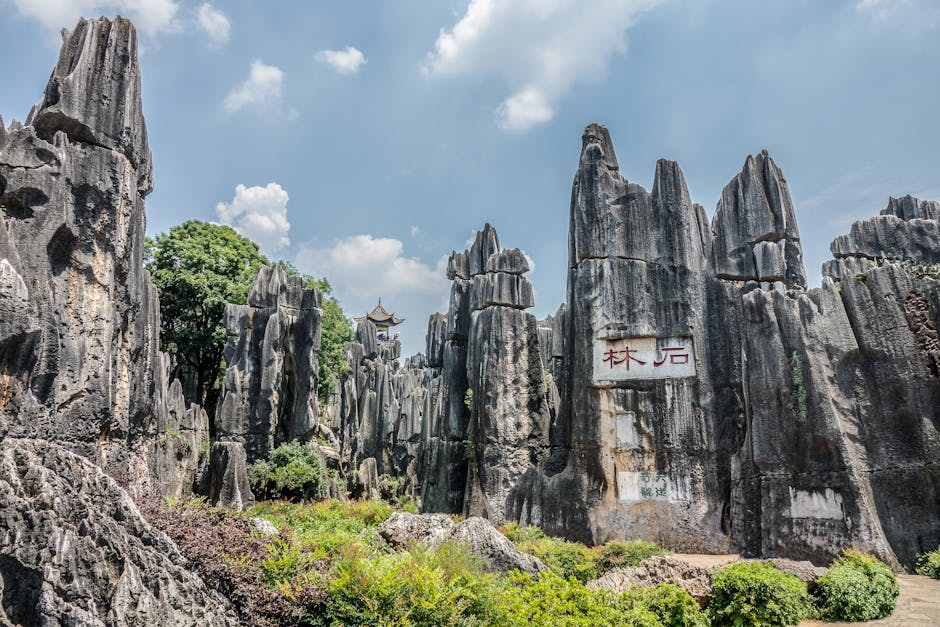
Explore the dramatic rock formations of China’s Naigu Stone Forest, Tsingy’s Limestone Formations, Madagascar
- Historic Architecture: The Grand Tsingy itself, a 200-million-year-old cathedral of limestone, stands as the world’s largest stone forest, shaped by millennia of tropical rains.
- Cultural Scene: The annual Famadihana (turning of the bones) ceremony practiced by local communities adds a profound layer of spiritual connection to the ancient land.
- Local Specialties: Don’t miss Romazava, a hearty beef and leafy green stew, often served after a day of exploration to replenish energy.
Pro Tip: The absolute best time to visit is during the dry season from April to November. For the fewest visitors and manageable temperatures, target the shoulder months of late April-May or September-October. Always start your hikes at park opening (7:00 AM) to see wildlife at its most active and avoid the midday heat on the exposed rock.
Map of Tsingy’s Limestone Formations, Madagascar
Use these interactive maps to explore Tsingy’s Limestone Formations, Madagascar and plan your route. The formations are primarily located in two national parks: Tsingy de Bemaraha (a 6-7 hour drive from Morondava) and the smaller Tsingy de Ankarana in the north.
📍 View Tsingy’s Limestone Formations, Madagascar on OpenStreetMap
🗺️ Open Tsingy’s Limestone Formations, Madagascar in Google Maps
Planning Your Trip: Practical Essentials
Getting There and Around
- By Air: Fly into Ivato International Airport (TNR) in Antananarivo. For Tsingy de Bemaraha, you’ll then need a domestic flight to Morondava (MOQ) on Air Madagascar or Tsaradia. Book flights at Skyscanner for best deals.
- By Train: No direct train service exists to the remote Tsingy parks. All long-distance travel is by road or air.
- By Car: A 4×4 vehicle with an experienced driver is non-negotiable for the rough, seasonally-dependent track from Morondava to Bemaraha (6-7 hours). Compare car rentals and driver services at RentalCars.com.
- Local Transport: Within the parks, transport is your own two feet, often combined with secured via ferrata harnesses and cable bridges. Local guides are mandatory and arranged through your tour operator or park office.
Best Time to Visit
Timing is critical for a Tsingy adventure. The parks are completely inaccessible during the rainy season (December to March) when roads flood. The dry season offers safe passage and optimal conditions for climbing and wildlife viewing.
| Season | Weather | Highlights |
|---|---|---|
| Dry Season (Apr–Nov) | Warm, sunny days (75-85°F / 24-29°C), cool nights. Virtually no rain. | All hiking routes and via ferrata are open. Peak lemur and bird activity. Highest visitor numbers in July-August. |
| Rainy Season (Dec–Mar) | Heavy daily rains, high humidity, temperatures 80-90°F (27-32°C). | Parks and access roads are CLOSED due to flooding and dangerous, slippery conditions. Not recommended for travel. |
| Shoulder (Apr–May/Sep–Oct) | Pleasant temperatures, lower humidity, landscapes are still green from rains. | The sweet spot. Fewer tourists, excellent wildlife, and all trails are accessible. Your best bet for a balanced experience. |
Budgeting for Tsingy’s Limestone Formations, Madagascar
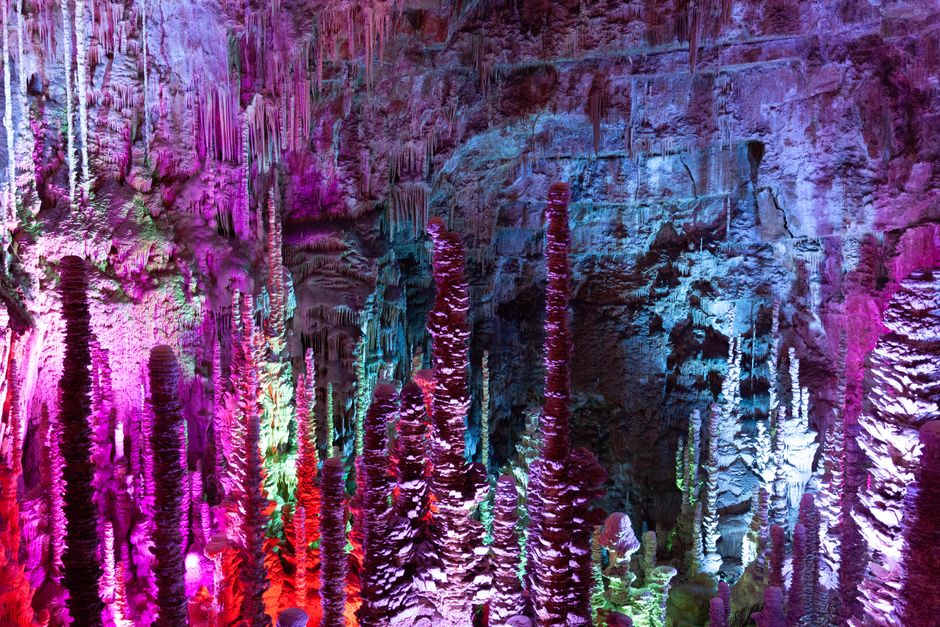
Colorful stalagmites illuminated in a cave in Meyrueis, France., Tsingy’s Limestone Formations, Madagascar
| Category | Budget | Mid-range | Luxury |
|---|---|---|---|
| Accommodation | $15-30/night (basic bungalow or camping) | $80-150/night (comfortable lodge with en-suite) | $250+/night (full-board eco-lodge with guided activities) |
| Meals | $5-10 (local street food & simple hotel meals) | $15-25 (restaurant meals at lodges) | $40+ (multi-course dinners at top lodges) |
| Transport | $50/day (shared 4×4 & driver) | $100-150/day (private 4×4 & driver) | $200+/day (private charter flight/vehicle) |
| Activities | $10-25 (park entry & mandatory local guide) | $50-100 (guided day hike with gear) | $150+ (private guiding & special expeditions) |
| Daily Total | $80-115 | $245-425 | $640+ |
Top Attractions and Must-See Sights
| Attraction | Description | Hours | Entry Fee |
|---|---|---|---|
| Grand Tsingy (Bemaraha) | Navigate the iconic pinnacles via suspended rope bridges and ladders for breathtaking canyon views. | 7:00 AM – 4:00 PM | ~$10-25 (varies by circuit) + guide fee |
| Petit Tsingy (Bemaraha) | A less strenuous but equally stunning maze of limestone, perfect for spotting lemurs and unique flora. | 7:00 AM – 4:00 PM | ~$10 + guide fee |
| Manambolo Gorge | Take a pirogue (dugout canoe) trip through dramatic river canyons, visiting sacred caves and tombs. | Tours at 8:00 AM & 2:00 PM | ~$15-20 per person |
| Ankarana Special Reserve | Northern Tsingy formations combined with dense forest, home to crowned lemurs and massive crocodile caves. | 6:00 AM – 5:00 PM | ~$10 + guide fee |
3-Day Itinerary: Tsingy’s Limestone Formations, Madagascar’s Highlights & Hidden Gems
Day 1: Arrival & Manambolo River Immersion
- Morning (7-9 AM): Depart from your lodge in Morondava early for the 6-7 hour 4×4 journey to Bekopaka. The rough road is an adventure itself, passing the iconic Avenue of the Baobabs at sunrise.
- Afternoon (12-3 PM): Arrive in Bekopaka, check into your lodge, and enjoy a late lunch of local freshwater fish. At 3 PM, embark on a 2-hour pirogue tour of the Manambolo Gorge (~$20), where your guide will point out ancient Sakalava tombs in the cliff faces.
- Evening (6-8 PM): Dinner at your lodge, often a buffet of Romazava stew and rice. Enjoy the spectacular symphony of nocturnal insects under a blanket of stars with zero light pollution.
Day 2: Conquering the Grand Tsingy
- Morning (7 AM-12 PM): After an early breakfast, meet your certified park guide and gear up with harnesses. Begin the 4-5 hour Grand Tsingy circuit (~$25 + $15 guide fee). You’ll climb ladders, cross swaying cable bridges 100m above the forest floor, and squeeze through narrow limestone canyons. Keep an eye out for the white Decken’s sifaka lemur leaping between spires.
- Afternoon (12-3 PM): Descend for a well-earned packed lunch at the park picnic area. Savvy visitors know to bring extra water and high-energy snacks.
- Evening (6-8 PM): Return to the lodge for a hot shower. For dinner, try Ravitoto (pork with mashed cassava leaves) at Relais des Tsingy restaurant, a favorite among seasoned travelers.
Day 3: Petit Tsingy & Cultural Connection
- Morning (7-11 AM): A shorter, more botanical-focused hike through the Petit Tsingy (~$10 + guide fee). The trail is less vertical but reveals incredible endemic plants like the elephant’s foot pachypodium and countless orchids.
- Afternoon (12-3 PM): Lunch back in Bekopaka. If it’s a Wednesday, visit the local market. Afterwards, take a short drive to a nearby village with your guide to learn about Sakalava culture and crafts—most tourists overlook this authentic interaction.
- Evening (6 PM onward): Begin the return journey to Morondava, stopping for sunset photos at the Avenue of the Baobabs—the perfect finale to your stone forest adventure.
Cultural Insights & Etiquette
- Language: Malagasy and French are official. Learn a few phrases: “Manao ahoana” (Hello), “Misaotra” (Thank you), “Azafady” (Please/Excuse me). Guides speak French; some know basic English.
- Customs: The Tsingy landscape is considered fady (taboo) in places. Always follow your guide’s instructions on where to walk. Pointing with your index finger is impolite; use an open hand instead.
- Tipping: Not mandatory but highly appreciated. Tip guides 5,000-10,000 MGA ($1-$2.50) per day, and drivers a similar amount. Tip restaurant staff 5-10% if service isn’t included.
- Dress Code: Modest, practical clothing is key. Wear sturdy hiking boots, long pants to protect from sharp rock and insects, and breathable shirts. A hat and sunglasses are essential.
- Business Hours: Shops and services in villages operate roughly 7 AM-5 PM. National parks are open 7 AM-4 PM. Many places close for a long lunch break (12-2 PM).
Where to Eat: Tsingy’s Limestone Formations, Madagascar’s Best Bites
Dining near the Tsingy is lodge-based, focusing on hearty, fuel-providing meals. The cuisine is a simple blend of Malagasy staples—rice, zebu (beef), chicken, and locally foraged greens. Freshwater fish from the Manambolo River is a regional specialty.
Must-Try Local Specialties
- Romazava: The national dish, a meaty stew with ankaramy (leafy greens) and ginger. Best tried at any local lodge’s nightly buffet.
- Mofo Gasy: Sweet Malagasy rice cakes, often fried. The perfect portable breakfast snack for early hikes, bought from village stalls.
- Brochettes: Grilled skewers of zebu, often marinated in a tangy sauce. You’ll find them sizzling at simple roadside stands in Bekopaka.
Restaurant Recommendations by Budget
| Type | Restaurant | Specialty | Price Range |
|---|---|---|---|
| Budget | Local Market Stalls (Bekopaka) | Fresh Mofo Gasy, fruit, and simple brochettes | $1-3 per item |
| Mid-range | Relais des Tsingy Restaurant | Solid French-Malagasy fusion and reliable zebu steaks | $8-15 per main |
| Lodge Dining | Olympe du Bemaraha Lodge Restaurant | Multi-course table d’hôte dinners with beautiful sunset views | $20-30 for dinner |
Where to Stay
Accommodation is clustered in the village of Bekopaka, gateway to Tsingy de Bemaraha. Options range from basic bungalows to comfortable eco-lodges. Booking ahead in the dry season is crucial. Compare prices and book at Booking.com or Airbnb for apartments (though Airbnb is rare here).
Best Neighborhoods for Accommodation
- Bekopaka Village Center: Close to the park office and basic amenities. You’ll find simpler, budget-friendly bungalows here. Best for self-sufficient travelers on a tight budget.
- Riverside Lodges (outside Bekopaka): Scattered along the Manambolo River, these offer more tranquility, beautiful settings, and often better facilities like pools. Your best bet for a comfortable mid-range stay, though they require transport to the park.
- Morondava (Pre/Post-Tsingy): Coastal town with a wider range of hotels, from budget to upscale. Essential for overnighting before and after your Tsingy expedition. The place to enjoy fresh seafood.
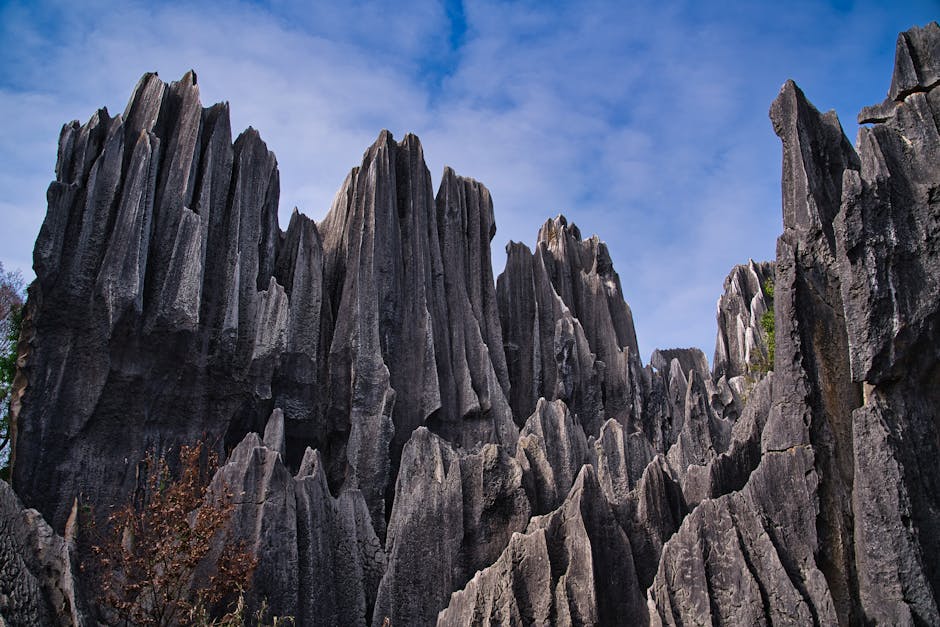
Stunning geological formations resembling stone pinnacles against a clear b…, Tsingy’s Limestone Formations, Madagascar
FAQs: Your Tsingy’s Limestone Formations, Madagascar Questions Answered
1. Is Tsingy’s Limestone Formations, Madagascar safe at night?
Yes, the park itself is closed at night, and the village of Bekopaka is very quiet and safe. Standard precautions apply: don’t walk alone in unlit areas after dark, secure your valuables, and use lodge safes. The main safety concern is physical safety during the day—always use provided safety gear and listen to your guide on the sharp limestone.
2. What currency is used and are credit cards accepted?
The local currency is the Malagasy Ariary (MGA). Carry ample CASH in small denominations. Credit cards are virtually useless in Bekopaka and the parks. Even most lodges only accept cash (Ariary or Euros). Plan to withdraw money in Morondava or Antananarivo before your journey.
3. How do I get from the airport to the Tsingy parks?
It’s a multi-stage journey. From Morondava Airport (MOQ), take a taxi to your hotel. The next day, a pre-booked 4×4 with driver (arranged by your tour operator or lodge) will collect you for the 6-7 hour drive to Bekopaka. There is no public transport. For seamless planning, book integrated tours that include transport at GetYourGuide for convenience.
4. Do I need to speak the local language?
Not necessarily, but it helps. Your mandatory park

