
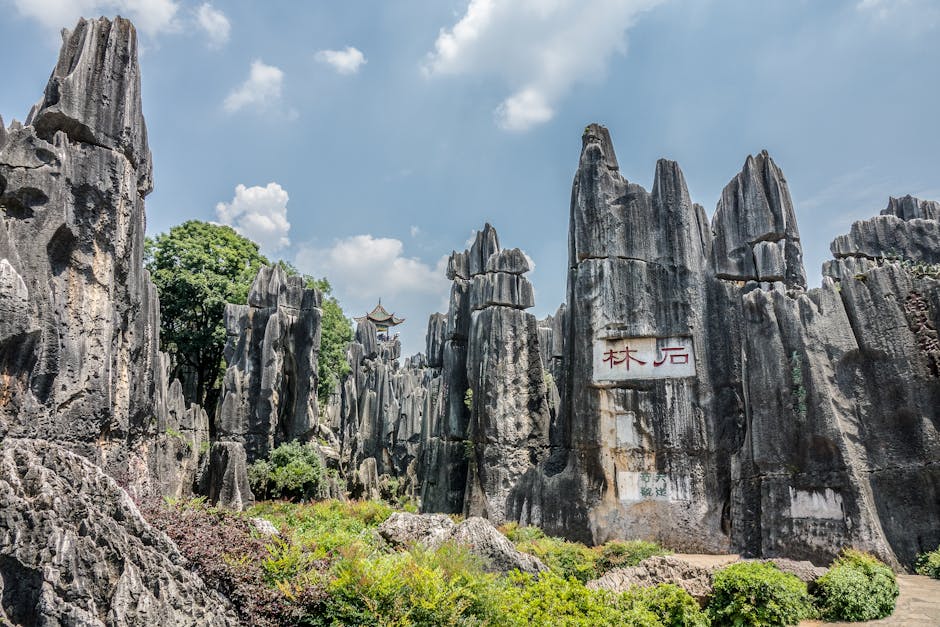
Tsingy’s Landscape, Madagascar: Ultimate Stone Forests, Lemurs & Epic Adventure (2026)
Just after dawn, the first golden light strikes the pinnacles of Tsingy de Bemaraha, transforming a 600-square-kilometer labyrinth of limestone needles into a cathedral of stone. The silence is broken only by the distant cry of a fossa or the rustle of a Decken’s sifaka leaping 30 feet between razor-sharp spires. This isn’t a landscape you simply view; it’s a prehistoric maze you navigate via suspension bridges and iron rungs, discovering a world that has evolved in isolation for over 200 million years.
Why Tsingy’s Landscape, Madagascar Stands Out
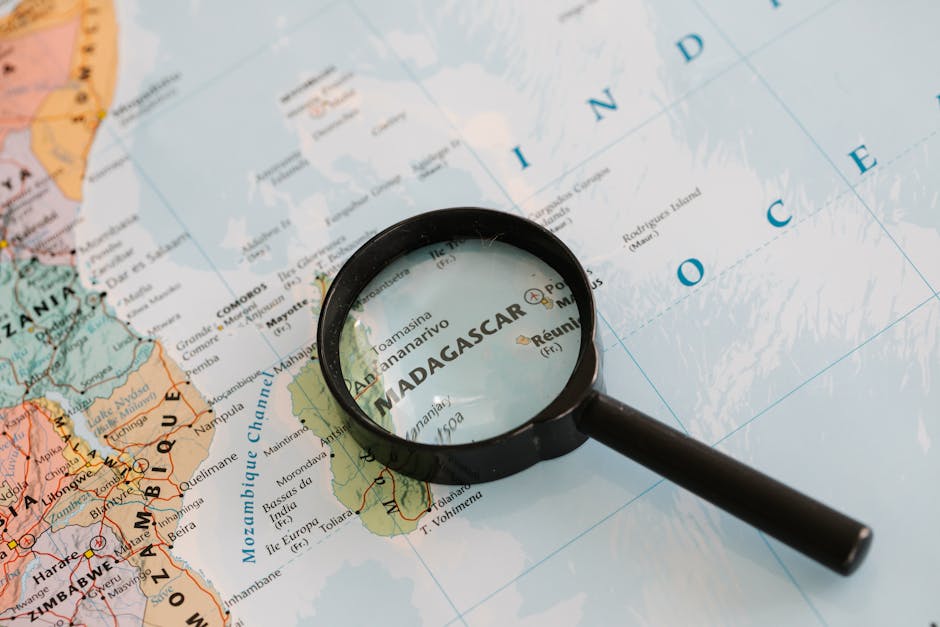
Close-up of Madagascar on a map with a magnifying glass highlighting the area., Tsingy’s Landscape, Madagascar
- Historic Architecture: The Grand Tsingy itself, a 150-million-year-old karst formation sculpted by monsoon rains, stands as Earth’s own ancient, impenetrable fortress.
- Cultural Scene: The local Sakalava people’s *tromba* (spirit possession) ceremonies, which honor ancestors believed to inhabit the sacred stone forest, offer a profound cultural connection.
- Local Specialties: Don’t miss *Romazava*, a hearty meat and leafy green stew, often enjoyed after a long day of exploration in the nearby town of Bekopaka.
Pro Tip: The national park is only accessible by 4×4 via the rough RN8 road from Morondava, and is **only open from April to November**. The road becomes an impassable river in the rainy season. Aim for late September-October for the best balance of manageable temperatures, flowing rivers for canoe trips, and lush greenery.
Map of Tsingy’s Landscape, Madagascar
Use these interactive maps to explore Tsingy’s Landscape, Madagascar and plan your route:
📍 View Tsingy’s Landscape, Madagascar on OpenStreetMap
🗺️ Open Tsingy’s Landscape, Madagascar in Google Maps
Planning Your Trip: Practical Essentials
Getting There and Around
- By Air: Fly into Antananarivo (Ivato Airport, TNR) or Morondava (MOQ). From there, it’s a mandatory 4×4 journey. Book flights at Skyscanner for best deals, looking for routes on Air Madagascar or Tsaradia.
- By Train: No train service reaches this remote region. All travel is by road and river.
- By Car: The only way in is a rugged 8-12 hour 4×4 trip from Morondava (including crossing the Manambolo River by ferry). A rental with a driver is non-negotiable. Compare car rentals at RentalCars.com for Antananarivo pick-up, but book a full tour package locally for the Tsingy leg.
- Local Transport: Within the park, transport is your own two feet, a canoe, and via *fitted* circuits with guides. There is no public transport.
Best Time to Visit
The timing is absolutely critical. The dry season (April to November) is your only window, with the peak months offering the best conditions for the challenging hikes through the stone forest.
| Season | Weather | Highlights |
|---|---|---|
| Early Season (Apr–Jun) | Warm, 25-30°C (77-86°F), landscapes still green from rains. | Fewer visitors, vibrant flora, but some trails may be slightly muddy. River levels high for canoeing. |
| Peak Season (Jul–Oct) | Hot and dry, 28-35°C (82-95°F), very little rain. | All park circuits open, optimal hiking conditions, best wildlife spotting. Highest number of tourists. |
| Late Season (Nov) | Increasingly hot, chance of early rains. | A last-chance window before closure; you may get the park almost to yourself, but risk sudden closure. |
Budgeting for Tsingy’s Landscape, Madagascar
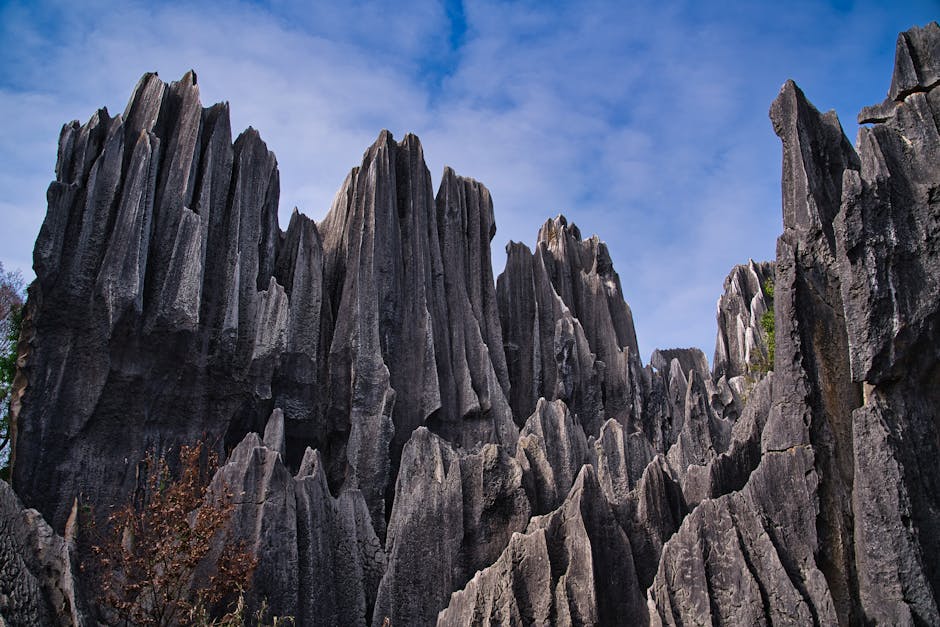
Stunning geological formations resembling stone pinnacles against a clear b…, Tsingy’s Landscape, Madagascar
| Category | Budget | Mid-range | Luxury |
|---|---|---|---|
| Accommodation | Camping or basic bungalow: $15-30/night | Comfortable lodge in Bekopaka: $60-100/night | All-inclusive tour with premium lodges: $250+/night |
| Meals | Local *hotely* meals: $3-5 | Lodge restaurant: $10-15 per meal | Full-board at luxury camp: Included |
| Transport | Shared 4×4 from Morondava: ~$100 (one-way, per person) | Private 4×4 & driver for 3 days: $400-600 | Private charter flight to nearby airstrip & private guide: $1500+ |
| Activities | Park fees & mandatory guide: ~$25/day | Guided circuits & Manambolo canoe trip: $50-80/day | Private guiding, all circuits, special access: $150+/day |
| Daily Total | $70-100/day | $150-250/day | $400+/day |
Top Attractions and Must-See Sights
| Attraction | Description | Hours | Entry Fee |
|---|---|---|---|
| Grand Tsingy Circuit | A full-day via ferrata adventure across suspension bridges and limestone needles with breathtaking canyon views. | 7 AM – 4 PM (guide required) | Park Fee: ~$10, Guide: ~$25, Harness Rental: ~$5 |
| Petit Tsingy Circuit | A shorter, less strenuous hike through stunning limestone canyons and forests, perfect for acclimatization. | 7 AM – 2 PM (guide required) | Park Fee: ~$10, Guide: ~$15 |
| Manambolo River Gorge | A serene canoe trip past towering cliffs, sacred Sakalava tombs, and spotting crocodiles and birds. | Morning or afternoon trips | ~$15 per person for 2-3 hour trip |
| Andadoany Cave & Canyon | An underground network within the tsingy, home to stalactites and unique, troglodytic ecosystems. | Access with Grand Tsingy circuit | Included in circuit fee |
3-Day Itinerary: Tsingy’s Landscape, Madagascar’s Highlights & Hidden Gems
Day 1: River Arrival & Acclimatization
- Morning: 7 AM departure from Morondava. The 4×4 journey (8+ hours, ~$150-200 per person shared) includes the iconic Avenue of the Baobabs at sunrise. Stop for photos.
- Afternoon: Arrive at the Manambolo River crossing by 3 PM. Take the local ferry to Bekopaka. Check into your lodge, like Orchidée de Bemaraha.
- Evening: Sunset walk to a local viewpoint. Dinner at your lodge, trying the *Romazava*. Early night for the big hike tomorrow.
Day 2: Conquering the Grand Tsingy
- Morning: 7 AM start with guide for the **Grand Tsingy Circuit** (full day, ~$40 all-in). Traverse via ferrata ladders and rope bridges for mind-blowing panoramas. Look for white Decken’s sifakas.
- Afternoon: Packed lunch atop the tsingy. Continue the circuit, descending into the cool canyons. The hike ends around 4 PM.
- Evening: Exhausted but exhilarated, enjoy a well-earned dinner. Locals recommend a cold THB (Three Horses Beer) at Chez Momo.
Day 3: River Gorges & Hidden Canyons
- Morning: 8 AM **Manambolo River canoe trip** ($15). Glide past crocodiles and sacred tombs. Your guide will explain Sakalava traditions.
- Afternoon: After a quick lunch, tackle the **Petit Tsingy Circuit** (~$25) for a different, more forested perspective and incredible photo ops in the “Cathedral” area.
- Evening: Final dinner in Bekopaka. Savvy visitors know to ask about any local *tromba* ceremonies happening in nearby villages—a rare and respectful cultural insight.
Cultural Insights & Etiquette
- Language: Malagasy and French. Key phrases: “Manao ahoana” (Hello), “Misaotra” (Thank you), “Azafady” (Please/Excuse me). Guides speak French/English.
- Customs: The tsingy is considered sacred. Always follow your guide’s lead, do not point at tombs with your finger (use a knuckle), and ask permission before photographing people.
- Tipping: Not mandatory but appreciated. For guides, 5-10% of the tour cost is generous. For drivers, a smaller daily amount (5,000-10,000 MGA) is good.
- Dress Code: Sturdy, closed-toe hiking boots are non-negotiable. Light, long sleeves and pants protect from the sharp limestone and sun. Modest dress in villages.
- Business Hours: Park offices open at 6:30 AM. Everything runs on “Morondava time”—be patient. Shops in Bekopaka close early.
Where to Eat: Tsingy’s Landscape, Madagascar’s Best Bites
Dining is almost exclusively lodge-based in Bekopaka. The focus is on hearty, fueling meals—think generous portions of rice, zebu (Malagasy beef), and locally foraged greens. Don’t expect gourmet; expect authentic and satisfying.
Must-Try Local Specialties
- Romazava: The national dish, a beef or zebu stew with *brèdes* (leafy greens) and ginger. Best tried at your lodge’s restaurant.
- Ravitoto: Crushed cassava leaves cooked with pork, offering a unique, earthy flavor. Often served for lunch.
- Fresh Fruit: Tiny, sweet pineapples, lychees (in season), and bananas are sold by roadside vendors on the drive in—stock up!
Restaurant Recommendations by Budget
| Type | Restaurant | Specialty | Price Range |
|---|---|---|---|
| Budget | Chez Momo (Bekopaka village) | Simple Malagasy plates, cold beer, and a friendly local vibe. | $3-6 per meal |
| Mid-range | Orchidée de Bemaraha Lodge Restaurant | Set menus featuring Romazava and fresh river fish in a pleasant setting. | $10-15 per meal |
| Fine dining | Le Grand Hotel du Tsingy Restaurant | The most upscale option in the area, with slightly more varied international/Malagasy fusion dishes. | $20-30 per meal |
Where to Stay
Accommodation clusters in the village of Bekopaka, just outside the park. Options range from basic camping to comfortable lodges. Book well in advance for peak season. Compare prices and book at Booking.com for some lodges, but many require direct email booking.
Best Neighborhoods for Accommodation
- Bekopaka Village Center: Close to the park office and local eateries like Chez Momo. Basic bungalows (e.g., Olympe du Bemaraha). Best for budget travelers and social interaction.
- Riverside Lodges: Just outside the village (e.g., Orchidée de Bemaraha, Le Soleil des Tsingy). Quieter, with nicer grounds and often better facilities. Your best bet for mid-range comfort.
- All-Inclusive Camps: Scattered in the park’s periphery. These are full-board, tour-included experiences (e.g., organized by tour operators like Madafly). Ideal for those wanting everything arranged.

Capture of towering rocky mountain peaks against a twilight sky, Tsingy’s Landscape, Madagascar
FAQs: Your Tsingy’s Landscape, Madagascar Questions Answered
1. Is Tsingy’s Landscape, Madagascar safe at night?
Bekopaka village is generally safe. However, there is no reason to wander after dark. Wildlife is not a threat inside the park with a guide. The main safety concern is the physical environment—the limestone is extremely sharp. Always use provided harnesses and follow your guide’s instructions to the letter.
2. What currency is used and are credit cards accepted?
The currency is the Malagasy Ariary (MGA). Bring ample **cash in Ariary** for your entire stay. Credit cards are virtually useless in Bekopaka. There are no ATMs. Exchange money or withdraw cash in Morondava or Antananarivo before your journey.
3. How do I get from the airport to the park?
You don’t fly directly. You’ll fly to Morondava (MOQ) or Antananarivo (TNR). From Morondava, it’s a mandatory 4×4 journey (8-12 hours). Pre-booking a tour package that includes this transport is the most reliable method. Book airport transfers at GetYourGuide for Morondava, but for the Tsingy leg, a specialized local operator is essential.
4. Do I need to speak the local language?
No, but it helps. Your guide will speak French and often basic English. Learning a few Malagasy greetings (“Manao ahoana,” “Misaotra”) will earn you big smiles. French is more widely understood than English in this region.
5. What’s the appropriate dress code?
For the park: **Sturdy hiking boots**, long, durable pants, and long-sleeved shirts are mandatory for protection. A hat, sunglasses, and high-SPF sunscreen are crucial. In the village, modest, casual clothing is fine. Avoid revealing attire out of respect for local customs.
Final Thoughts: Tsingy’s Landscape, Madagascar Awaits
Tsingy de Bemaraha is not a convenient add-on to a Madagascar trip; it’s a demanding, rewarding expedition to one of the planet’s most singular landscapes. You come here not for luxury, but for the profound sense of adventure, for the thrill of navigating a stone forest older than continents, and for the privilege of seeing lemurs leap where few humans ever tread. Your best bet is to plan meticulously, pack your sense of wonder alongside your toughest boots, and prepare to be humbled by nature’s most dramatic sculpture. This is the real Madagascar—ancient, wild, and utterly unforgettable.

