
Tsingy’s Formations, Madagascar: Amazing Stone Forests, Lemurs & Epic Adventure (2026)
At dawn, the Tsingy de Bemaraha National Park transforms into a silhouette of impossible spires, a 600-square-kilometer labyrinth of limestone daggers forged by 200 million years of rain. The air is filled with the echoing calls of Decken’s sifakas and the rustle of leaf-tailed geckos on razor-sharp rock. This isn’t a landscape you simply view; it’s a world you navigate via ladders, cables, and suspended bridges, discovering a lost continent’s most dramatic secret.
Why Tsingy’s Formations, Madagascar Stands Out

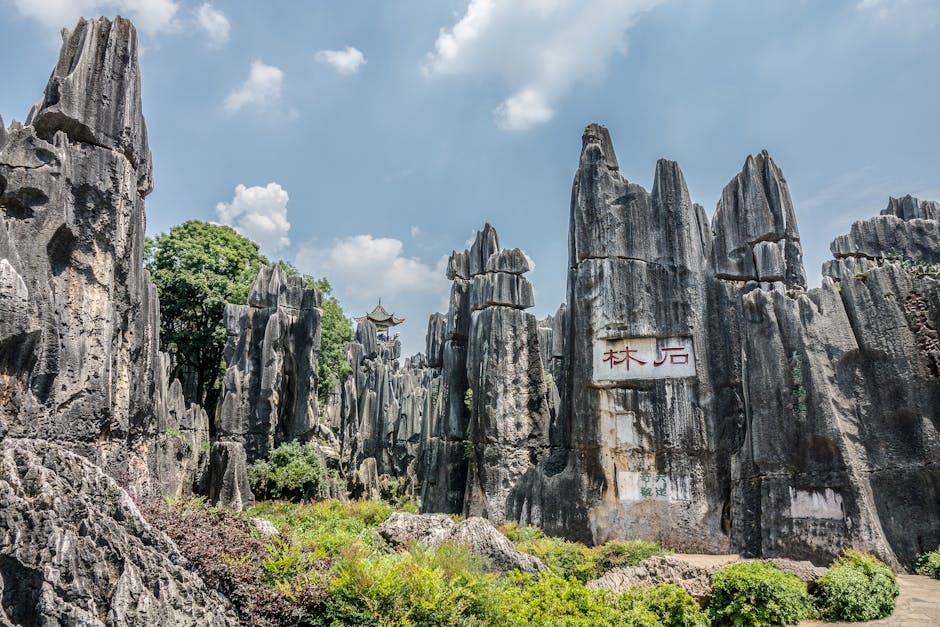
Explore the dramatic rock formations of China’s Naigu Stone Forest, Tsingy’s Formations, Madagascar
- Historic Architecture: The “Great Tsingy” itself, a UNESCO World Heritage site since 1990, is nature’s own Gothic cathedral, with limestone pinnacles soaring over 100 meters high.
- Cultural Scene: The local Sakalava people’s *tromba* (spirit possession) ceremonies, which honor ancestors believed to reside within the sacred stone forest.
- Local Specialties: *Romazava*, a hearty beef and leafy green stew, best enjoyed in nearby villages like Bekopaka after a long day of exploration.
Pro Tip: The park is only accessible by 4×4 and is closed during the rainy season (November to April). Your absolute best window is the dry season from May to October, with September offering the ideal balance of manageable temperatures and lush, post-rain greenery.
Map of Tsingy’s Formations, Madagascar
Use these interactive maps to explore Tsingy’s Formations, Madagascar and plan your route:
📍 View Tsingy’s Formations, Madagascar on OpenStreetMap
🗺️ Open Tsingy’s Formations, Madagascar in Google Maps
Planning Your Trip: Practical Essentials
Getting There and Around
- By Air: Fly into Morondava (MOQ) via Air Madagascar from Antananarivo. From there, it’s a rugged 8-10 hour 4×4 journey north to the park entrance. Book flights at Skyscanner for best deals.
- By Train: No train service reaches this remote region. All travel is by road, river, or air.
- By Car: A 4×4 with an experienced driver is non-negotiable. The “Route du Tsingy” from Morondava involves crossing the Manambolo River by ferry. Compare car rentals at RentalCars.com, but opt for a full tour package that includes vehicle and driver for ease.
- Local Transport: Within the park, transport is your own two feet. Local *pousse-pousse* (rickshaws) operate in Bekopaka village. For river sections to the “Little Tsingy,” small pirogues (canoes) are used.
Best Time to Visit
The Tsingy is a seasonal destination entirely dictated by rainfall. The dry season is your only option for access and safe exploration.
| Season | Weather | Highlights |
|---|---|---|
| Dry Season (May–Oct) | Warm, sunny days (25-30°C/77-86°F), cool nights. Virtually no rain. | All park circuits are open. Ideal for hiking, climbing, and wildlife spotting. Peak season (Jul-Aug) sees more visitors. |
| Rainy Season (Nov–Apr) | Heavy daily rains, high humidity, and extreme heat. Roads are impassable. | The park is officially closed. Travel to the region is not possible or advised due to flooding and road washouts. |
| Shoulder (May/Jun & Oct) | Pleasant temperatures, landscapes are green and vibrant from recent rains. | Fewer crowds than July-August, excellent photography conditions, and all activities available. |
Budgeting for Tsingy’s Formations, Madagascar
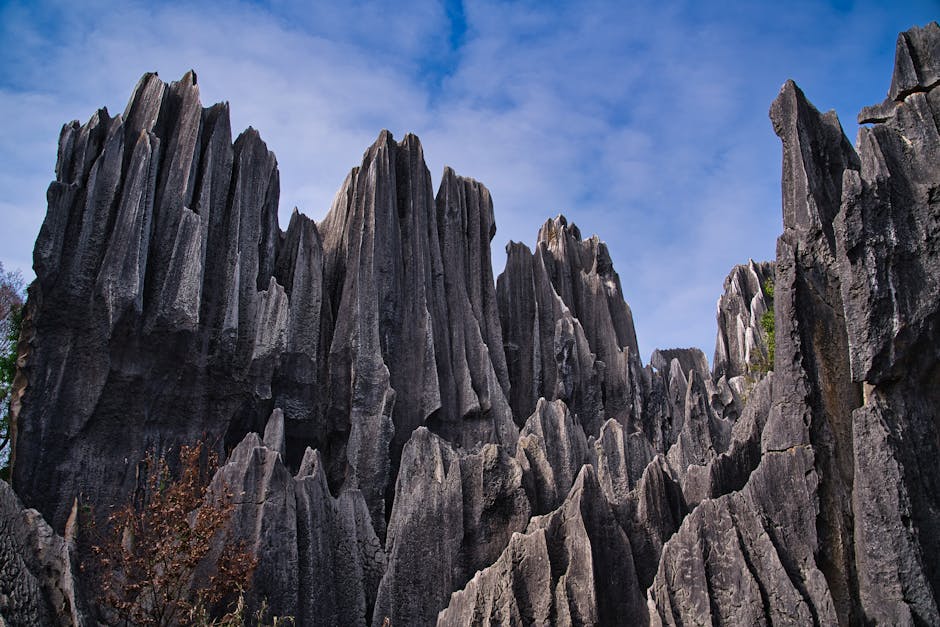
Stunning geological formations resembling stone pinnacles against a clear b…, Tsingy’s Formations, Madagascar
| Category | Budget | Mid-range | Luxury |
|---|---|---|---|
| Accommodation | $15-30/night (basic bungalow in Bekopaka) | $50-100/night (comfortable lodge with en-suite) | $150+/night (full-board eco-lodge) |
| Meals | $5-10 (local *hotely* meals) | $15-25 (lodge restaurant) | $30+ (multi-course lodge dinners) |
| Transport | $50/day (shared 4×4 tour) | $100-150/day (private 4×4 & driver) | $200+/day (private charter flights possible) |
| Activities | $10-25 (park entry & guide fees per circuit) | $50 (combined circuit tours) | $100+ (private guiding, special expeditions) |
| Daily Total | $80-115 | $215-325 | $480+ |
Top Attractions and Must-See Sights
| Attraction | Description | Hours | Entry Fee |
|---|---|---|---|
| Grand Tsingy Circuit | A thrilling full-day via ferrata adventure with harnesses and cables across the pinnacles’ highest peaks. | 7:00 AM – 4:00 PM (start mandatory) | ~$25 + $15 guide fee |
| Petit Tsingy Circuit | A less strenuous half-day hike through stunning limestone canyons and forests, accessible by pirogue. | 7:00 AM – 1:00 PM | ~$15 + $10 guide fee |
| Manambolo Gorge | A scenic boat trip through towering cliffs, visiting caves with ancient Sakalava tombs. | Flexible, best in morning | ~$10 per person (boat hire) |
| Baobab Alley (en route) | The iconic avenue of ancient, monumental baobabs near Morondava, a perfect sunset stop. | Always accessible | Small local fee (~$2) |
3-Day Itinerary: Tsingy’s Formations, Madagascar’s Highlights & Hidden Gems
Day 1: Arrival & The Manambolo River
- Morning: Arrive in Bekopaka after the long drive from Morondava. Check into your lodge, like Relais des Tsingy, and recover with a fresh coconut.
- Afternoon: Take a 2-hour pirogue tour on the Manambolo Gorge ($10). Your local guide will point out crocodile eyes and the sacred caves, where you’ll see stacked bones—a Sakalava burial site. Respect is paramount; photography is often forbidden here.
- Evening: Dinner at your lodge. Try the *brochettes* (skewers) of zebu meat. Early to bed for the big day ahead.
Day 2: Conquering the Grand Tsingy
- Morning: A 7:00 AM start is critical. With your certified park guide ($15), tackle the Grand Tsingy circuit ($25 park fee). You’ll be fitted with a harness for the via ferrata sections. The climb through the “stone forest” to the summit is physically demanding but offers mind-blowing 360-degree views.
- Afternoon: Complete the circuit by early afternoon, spotting white sifaka lemurs leaping between pinnacles. Have a packed lunch at a viewpoint. Return to Bekopaka exhausted but exhilarated.
- Evening: A well-earned dinner and stories with fellow travelers. Stargazing here is phenomenal due to zero light pollution.
Day 3: The Petit Tsingy & Departure
- Morning: A gentler exploration of the Petit Tsingy circuit ($15). The hike involves squeezing through narrow limestone corridors and crossing rope bridges over deep chasms, offering a more intimate feel of the ecosystem.
- Afternoon: Return to Bekopaka for a late lunch of *ravitoto* (pork with cassava leaves). Begin the long 4×4 journey back to Morondava.
- Evening: Stop at Baobab Alley for the legendary sunset, when the massive trees turn golden and silhouetted against the sky. Overnight in Morondava.
Cultural Insights & Etiquette
- Language: Malagasy and French are spoken. Key phrases: “Manao ahoana” (Hello), “Misaotra” (Thank you), “Azafady” (Please/Excuse me).
- Customs: The Tsingy is considered *fady* (taboo/sacred) in places. Always follow your guide’s instructions, especially near burial sites. Pointing with your index finger is considered rude; use an open hand instead.
- Tipping: Appreciated for good service. For guides, 5,000-10,000 MGA ($1-$2) per day is a good gesture. For drivers, a similar amount at the trip’s end.
- Dress Code: Sturdy, closed-toe hiking boots are mandatory for the Tsingy. Light, long sleeves and pants protect from the sharp rock and sun. Modest dress is appreciated in villages.
- Business Hours: Shops in Bekopaka keep informal hours. Park offices operate from ~6:30 AM to 4:00 PM. Everything slows down in the midday heat.
Where to Eat: Tsingy’s Formations, Madagascar’s Best Bites
Dining revolves around your lodge or simple village *hotelys* (small local eateries). The focus is on hearty, fuel-providing meals centered on rice, zebu (beef), and fresh river fish.
Must-Try Local Specialties
- Romazava: The national dish, a stew of zebu meat with *brèdes mafana* (a local green) and tomatoes. Best tried at a lodge like Orchidée du Bemaraha.
- Mofo Gasy: Sweet fried dough balls, a perfect portable breakfast snack from market stalls in Bekopaka.
- Fresh Tilapia: Grilled fish from the Manambolo River, often served whole with a simple lime sauce at riverside shacks.
Restaurant Recommendations by Budget
| Type | Restaurant | Specialty | Price Range |
|---|---|---|---|
| Budget | Local *Hotelys* in Bekopaka village | Rice with *laoka* (side dish) like beans or stew | $3-5 per meal |
| Mid-range | Restaurant at Relais des Tsingy | French-Malagasy fusion, good pasta and zebu steaks | $10-20 per meal |
| Fine dining | Le Soleil des Tsingy lodge restaurant | Multi-course table d’hôte dinners with wine | $25+ per meal |
Where to Stay
All accommodation is clustered in or near the village of Bekopaka, the gateway to the park. Options range from basic bungalows to comfortable eco-lodges. Book well in advance for the dry season. Compare prices and book at Booking.com or Airbnb for apartments (though Airbnb is very limited here).
Best Neighborhoods for Accommodation
- Bekopaka Village Center: Basic, no-frills bungalows (e.g., Hotel Le Rêve du Tsingy). You’re close to local life and simple eateries, but amenities are minimal. Best for rugged budget travelers.
- Riverside Lodges: (e.g., Relais des Tsingy, Orchidée du Bemaraha). The sweet spot for most visitors—comfortable bungalows with en-suites, often with pools and reliable generators, set peacefully along the Manambolo River.
- Full-Board Eco-Lodges: (e.g., Soleil des Tsingy). The top-end option offering all-inclusive packages, guided activities, and higher comfort standards, ideal for travelers wanting everything arranged.

Dramatic view of Etretat’s iconic cliffs and ocean under a gray sky., Tsingy’s Formations, Madagascar
FAQs: Your Tsingy’s Formations, Madagascar Questions Answered
1. Is Tsingy’s Formations, Madagascar safe at night?
Bekopaka village is generally safe, but it’s remote with minimal infrastructure. There is no street lighting. Safety concerns are less about crime and more about health and preparation. Always use a headlamp when walking at night, be aware of uneven paths, and secure your belongings in your lodge. Never hike in the park after dark.
2. What currency is used and are credit cards accepted?
The local currency is the Malagasy Ariary (MGA). Carry ample CASH in small denominations. Credit cards are almost never accepted in Bekopaka—not for lodging, meals, or park fees. ATMs are non-existent here; get cash in Morondava or Antananarivo before you travel.
3. How do I get from the airport to the city center?
From Morondava Airport (MOQ), take a taxi (approx. $5) into Morondava town to meet your pre-arranged 4×4 transfer to Tsingy. The journey to Bekopaka cannot be done by public taxi; it requires a dedicated 4×4 vehicle and driver. Book airport transfers and full tours at GetYourGuide for convenience.
4. Do I need to speak the local language?
No, but it helps. Your park guides will speak French and basic English. Lodge staff often speak some French. Learning a few Malagasy greetings will earn you big smiles. For independent travel, a French phrasebook is more useful than an English one.
5. What’s the appropriate dress code?
Functional adventure wear. For hiking: sturdy boots, moisture-wicking socks, long durable pants, and long-sleeved shirts. The limestone will shred lightweight clothing. For evenings, casual, comfortable clothes are fine. A wide-brimmed hat, sunglasses, and a bandana are highly recommended.
Final Thoughts: Tsingy’s Formations, Madagascar Awaits
The Tsingy de Bemaraha is not a convenient add-on; it’s a committed expedition to one of the planet’s most surreal and challenging landscapes. The reward is profound: the feeling of being a true explorer in a pristine, otherworldly realm where nature’s architecture defies belief. You’ll trade modern comforts for raw, unforgettable beauty. Savvy travelers know the effort is the point—the remote journey makes the discovery all the more powerful. Plan thoroughly, pack your sense of adventure, and prepare to be humbled by a stone forest that has stood for millennia. Your most lasting memory might just be the sound of your own breath, high on a limestone spire, looking out over a world unlike any other.

