
Tottori, Japan’s Incredible Sand Dunes, Onsen & Mythical Coastlines (2026)
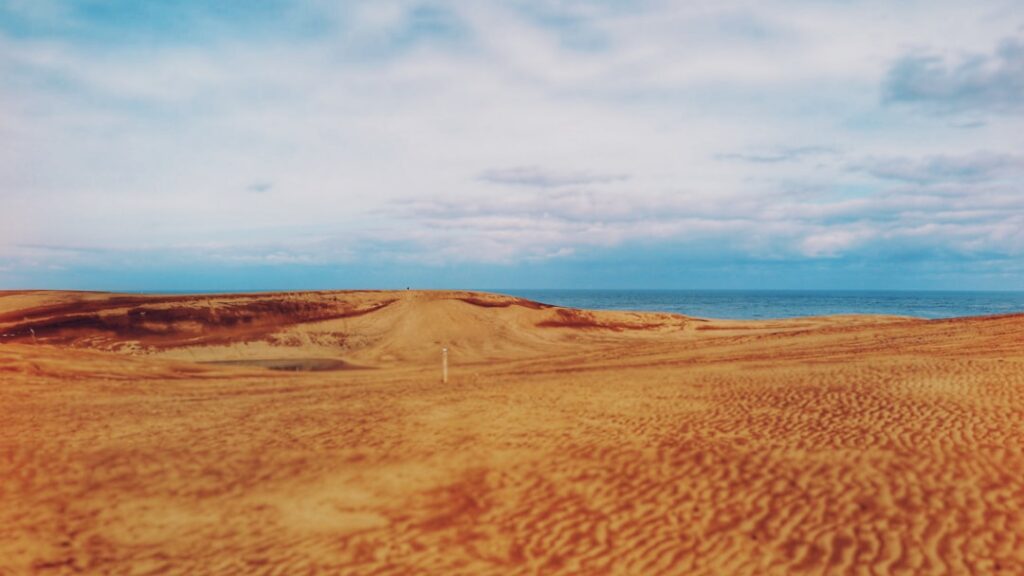
While crowds flock to the neon canyons of Tokyo and the temples of Kyoto, Tottori, Japan delivers a profound, elemental beauty without the queues or the price tag. Here, you’ll find a landscape sculpted by wind and sea, where 16 square miles of golden sand dunes—the largest in Japan—meet the wild waves of the Sea of Japan, and ancient hot springs bubble up in mountain hamlets. This is the Japan of myth and quiet discovery, where you can have a vista of rolling desert-like hills all to yourself, a rarity in this famously populated country.
Why Tottori, Japan Stands Out

Desert photograph, Tottori, Japan
- Historic Architecture: The stunning Uradome Coast features the Jinpūkaku Mansion, a French Renaissance-style villa built in 1907 for the Ikeda clan, showcasing the region’s unique blend of Western and Japanese aesthetics.
- Cultural Scene: The annual Shanshan Festival in August, where thousands parade with giant, colorful umbrellas to pray for good health, is a vibrant spectacle found nowhere else.
- Local Specialties: You must try Tottori’s legendary Matsuba-gani, or snow crab, considered the finest in Japan, best savored in winter from November to March.
Pro Tip: For the perfect blend of good weather and minimal crowds, target the shoulder months of late April to early May or October. Avoid Golden Week (early May) and Obon (mid-August) when domestic travel peaks. Visit the Tottori Sand Dunes at sunrise; you’ll avoid the midday sun and have the majestic landscape virtually to yourself.
Map of Tottori, Japan
Use these interactive maps to explore Tottori, Japan and plan your route:
📍 View Tottori, Japan on OpenStreetMap
🗺️ Open Tottori, Japan in Google Maps
Planning Your Trip: Practical Essentials
Getting There and Around
- By Air: Tottori Airport (TTJ) has direct flights from Tokyo Haneda (1.5 hours) and Seoul. A shuttle bus to Tottori Station takes 20 minutes and costs about ¥500. Book flights at Skyscanner for best deals.
- By Train: The Super Hakuto limited express train connects Kyoto/Osaka to Tottori Station (about 2.5 hours from Kyoto). The JR San’in Line runs along the coast. A JR West San’in Area Pass can be excellent value. Reserve tickets at Trainline or the national railway website.
- By Car: Renting a car is highly recommended for exploring the coast and mountains at your own pace. The San’in Expressway is the main artery. Parking is generally easy and affordable outside the city center. Compare car rentals at RentalCars.com.
- Local Transport: Local buses serve major attractions like the Sand Dunes and Uradome Coast from Tottori Station, but schedules can be infrequent. The “Noriori” community taxi service is a flexible, bookable option for remote areas. The Tottori City Loop Bus (100 yen per ride) is handy for central sights.
Best Time to Visit
Tottori’s climate offers distinct seasonal charms. The Sea of Japan coast brings heavy snowfall in winter, transforming the sand dunes into a surreal snowy desert, while summers are mild and pleasant compared to Japan’s humid cities.
| Season | Weather | Highlights |
|---|---|---|
| Summer (Jun–Aug) | 20-30°C (68-86°F), mild and sunny, least rainy. | Perfect for beach walks, the Shanshan Festival (Aug), and coastal hikes. Moderate crowds. |
| Winter (Dec–Feb) | 0-8°C (32-46°F), cold with significant snow on coast. | Snow-covered sand dunes, peak snow crab season, and cozy onsen visits. Very few tourists. |
| Shoulder (Apr–May/Sep–Oct) | 10-22°C (50-72°F), crisp air, comfortable. | Ideal hiking weather, vibrant autumn colors in Misasa, and the best overall experience with fewer visitors. |
Budgeting for Tottori, Japan

Brown stone on river during daytime, Tottori, Japan
| Category | Budget | Mid-range | Luxury |
|---|---|---|---|
| Accommodation | ¥4,000-7,000 (capsule/business hotel) | ¥10,000-20,000 (ryokan/comfort hotel) | ¥30,000+ (luxury ryokan with kaiseki) |
| Meals | ¥2,000-3,000 (convenience store/ramen) | ¥5,000-8,000 (local restaurants/crab set) | ¥15,000+ (multi-course crab kaiseki) |
| Transport | ¥1,500 (local bus pass) | ¥4,000 (taxis/car rental share) | ¥10,000+ (private driver) |
| Activities | ¥0-2,000 (dunes/coast hikes) | ¥3,000-5,000 (museum entry/camel ride) | ¥8,000+ (private guided tours) |
| Daily Total | ¥7,500-12,500 | ¥22,000-37,000 | ¥63,000+ |
Top Attractions and Must-See Sights
| Attraction | Description | Hours | Entry Fee |
|---|---|---|---|
| Tottori Sand Dunes (Sakyu) | Vast, windswept dunes offering camel rides, paragliding, and breathtaking views of the Sea of Japan. | 24/7 (Visitor Center 9 AM-5 PM) | Free |
| Tottori Sand Museum | An incredible indoor gallery featuring massive, intricate sand sculptures by international artists, with a new theme each year. | 9 AM-6 PM (varies by season) | ¥800 |
| Uradome Coast | A dramatic 15km coastline of jagged rock formations, sea caves, and turquoise waters, best seen by sightseeing boat or hiking trail. | 24/7 (Boat tours 9 AM-4 PM) | Free to hike / Boat: ¥1,400 |
| Misasa Onsen | A legendary hot spring town famed for its radon-rich waters, believed to have healing properties, nestled in a peaceful river valley. | 24/7 (Ryokan check-in from 3 PM) | Public bath: ~¥500 |
3-Day Itinerary: Tottori, Japan’s Highlights & Hidden Gems
Day 1: Sands & The Sea
- Morning (7-9 AM): Sunrise at the **Tottori Sand Dunes**. Walk from the Sakyu Center to the highest dune, “Hokkyo-no-Suna”, for epic views. The morning light is magical and crowds are nonexistent.
- Afternoon (12-3 PM): Explore the **Tottori Sand Museum** (¥800), then head to **Kairoku Sushi** near the station for a superb, affordable lunch of fresh local seafood donburi (bowl) for around ¥1,500.
- Evening (6-8 PM): Stroll through **Kawaraku**, the historic merchant district with white-walled storehouses. For dinner, savor Tottori’s famous **pear-fed beef** at **Yakiniku Juju**, a local favorite for grilled meat.
Day 2: Coastal Drama & Crab Culture
- Morning (9 AM): Take a 30-minute train or drive to **Iwami** for the **Uradome Coast Sightseeing Boat Tour** (¥1,400, 40 mins). The boat weaves through stunning rock arches like “Kannon-ga-Iwa”.
- Afternoon (1 PM): Hike a section of the **Uradome Coast Trail** from Iwami Port to Isarago Beach. For lunch, stop at **Cafe & Dining Umi no Ie** for seafood pasta with a cliffside view.
- Evening (6 PM): Return to Tottori City. Immerse yourself in crab heaven at **Kaniya**, a specialist restaurant where you can indulge in a full snow crab *kaiseki* course (reservations essential, from ¥8,000).
Day 3: Mountains, Myths & Onsen
- Morning (8 AM): Rent a car or take a bus (1 hour) to **Misasa Onsen**. Visit **Misasa Temple**, home to a 1,000-year-old *Jizo* statue, and drink from the radioactive (but safe) **Togenkyo** spring.
- Afternoon (12 PM): Enjoy a traditional lunch at **Sansui**, a ryokan known for its tofu cuisine. Then, experience a public bath at **Misasa Onsen Grand Hotel** (¥600) or book a day-use private bath at a local ryokan.
- Evening (5 PM): If you have time, visit the **Adachi Museum of Art** near Yasugi (45-min drive), famed for its exquisite Japanese gardens. Conclude your trip with a relaxed soak back at your ryokan before a multi-course dinner.
Cultural Insights & Etiquette
- Language: Basic English is understood at major hotels and attractions. Learn “Arigatou gozaimasu” (Thank you) and “Sumimasen” (Excuse me/Sorry). Locals will appreciate the effort.
- Customs: Always remove your shoes when entering a ryokan, temple, or some traditional restaurants. Be quiet and respectful in onsen bathing areas; wash thoroughly before entering the communal bath.
- Tipping: Tipping is not practiced in Japan and can cause confusion. Excellent service is standard. A simple thank you is sufficient.
- Dress Code: Casual and comfortable for exploring. Have modest attire (cover shoulders/knees) for temples. Bring a small towel for onsen and easy-to-remove shoes.
- Business Hours: Museums/shops typically open 9 AM-5 PM, often closed on Mondays. Restaurants open for lunch (11 AM-2 PM) and dinner (5 PM-9 PM). Convenience stores (7-Eleven, FamilyMart) are 24/7.
Where to Eat: Tottori, Japan’s Best Bites
Tottori’s cuisine is defined by the bounty of the Sea of Japan and its fertile land. Dining here is about quality and seasonality, with cozy, family-run establishments being the norm rather than flashy chains.
Must-Try Local Specialties
- Matsuba-gani (Snow Crab): The king of winter seafood, best from November to March. Enjoy it steamed, grilled, in hot pots, or as sashimi. For the full experience, head to specialized restaurants in Tottori City or the port town of Sakaiminato.
- Tottori Nashi Pear Beef: Renowned beef from cattle fed on the byproducts of Tottori’s famous sweet pears, resulting in tender, subtly sweet meat. Best tried as yakiniku (grilled) at dedicated barbecue spots.
- Kani-zushi: A local style of pressed sushi topped with generous amounts of snow crab meat. It’s a beautiful and delicious specialty found at sushi shops and train station *ekiben* (lunch boxes).
Restaurant Recommendations by Budget
| Type | Restaurant | Specialty | Price Range |
|---|---|---|---|
| Budget | Men-ya Taizo (Tottori City) | Hearty, flavorful bowls of local-style ramen. | ¥800-¥1,200 |
| Mid-range | Kairoku Sushi (Tottori City) | Extremely fresh, affordable sushi and seafood bowls. | ¥1,500-¥3,000 |
| Fine dining | Kaniya Honkan (Tottori City) | Exquisite multi-course *kaiseki* dinners centered on snow crab. | ¥8,000-¥20,000 |
Where to Stay
Accommodation ranges from efficient business hotels in the city to transformative ryokan experiences in onsen towns. Staying in a ryokan with half-board (dinner & breakfast) is a cultural highlight. Compare prices and book at Booking.com or Airbnb for apartments.
Best Neighborhoods for Accommodation
- Tottori Station Area: The most convenient base, with multiple business hotels, easy transport to the sand dunes and trains for day trips. Ideal for first-time visitors and those without a car.
- Misasa Onsen Town: A serene valley town filled with traditional ryokan. The ultimate choice for relaxation and experiencing legendary hot spring culture. Best for a peaceful, immersive stay.
- Near the Sand Dunes (Sakyu Area): A few hotels and the unique “Sakyu no Yado” sand dune glamping site offer proximity to the star attraction. Perfect for photographers and those wanting early morning access.

A woman with green hair looking out at the ocean, Tottori, Japan
FAQs: Your Tottori, Japan Questions Answered
1. Is Tottori, Japan safe at night?
Extremely safe. Japan has one of the world’s lowest crime rates, and Tottori is a particularly peaceful prefecture. You can walk around city centers and residential areas at night with great confidence. Standard precautions like being aware of your surroundings still apply, but violent crime is exceptionally rare.
2. What currency is used and are credit cards accepted?
The Japanese Yen (¥) is the currency. While major hotels, department stores, and some restaurants in Tottori City accept credit cards (Visa/Mastercard are most common), cash is still king in many local eateries, small shops, ryokan, and for bus fares. It’s wise to always carry some cash. ATMs at 7-Eleven and Japan Post Offices accept international cards.
3. How do I get from the airport to the city center?
Tottori Airport (TTJ) is compact and close. The most straightforward option is the airport shuttle bus, which takes about 20 minutes to reach Tottori Station and costs approximately ¥500. Taxis are also available for around ¥3,000-¥4,000 for the same journey. Book airport transfers at GetYourGuide for convenience.
4. Do I need to speak the local language?
No, but it helps. English signage is present at major train stations, airports,

