
“Discover essential tips & practical advice for your Tongariro National Park adventure. Optimize your NZ trip with our expert guide. Plan & explore today!”
Introduction: A Land of Fire and Ice
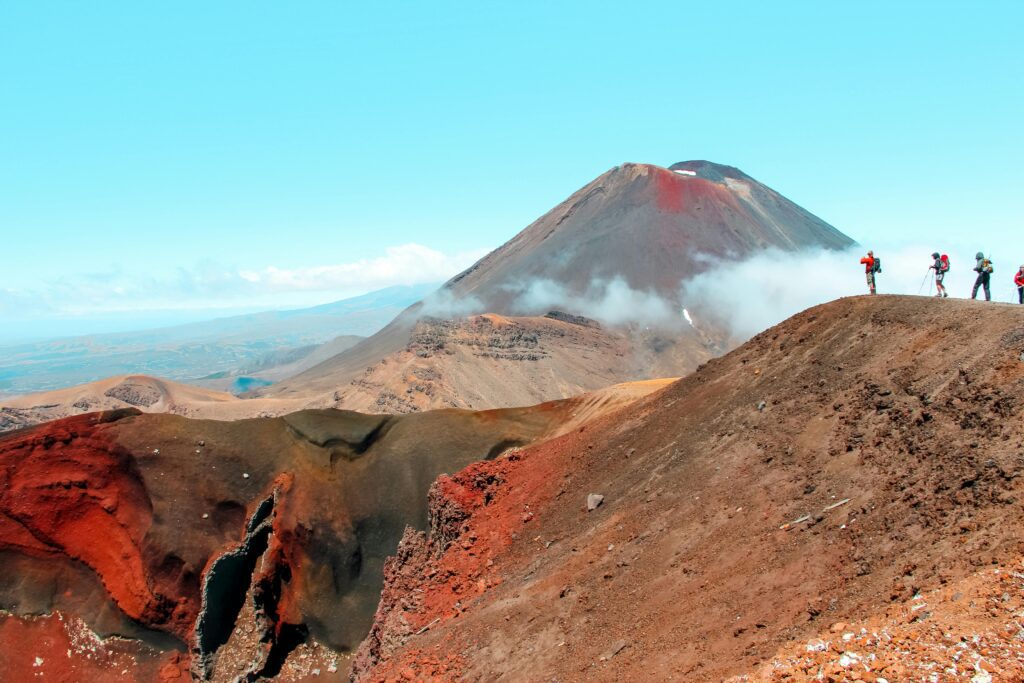
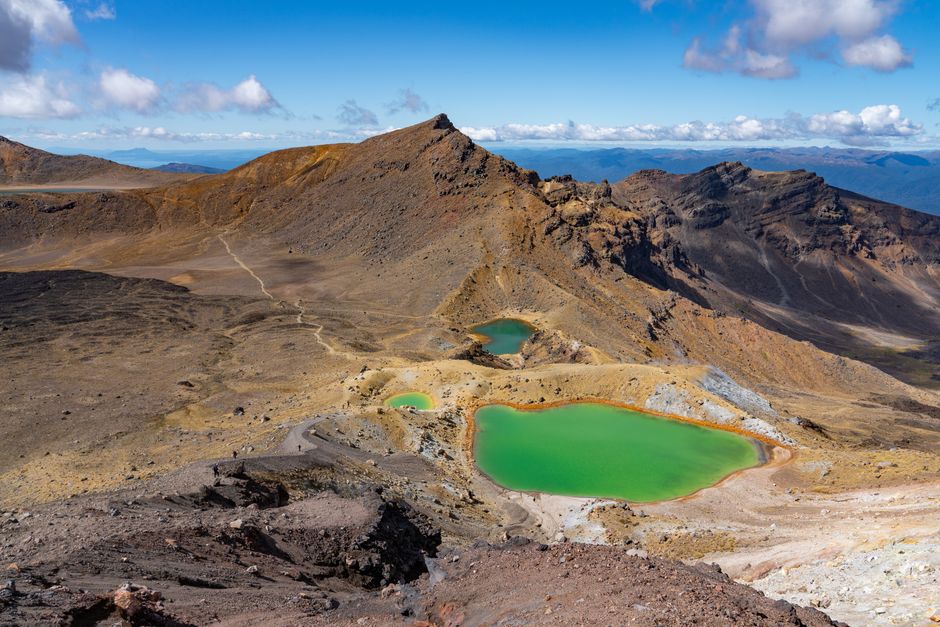
Standing atop the Tongariro Alpine Crossing, the crisp mountain air filled my lungs as I gazed at the Emerald Lakes—their vivid hues contrasting against the stark volcanic terrain. The sulfuric scent of steam vents mingled with the earthy aroma of alpine herbs, while the crunch of volcanic gravel underfoot reminded me of walking on another planet. This wasn’t just a hike; it was a journey through Middle-earth (literally, as Mount Ngauruhoe starred as Mount Doom in Lord of the Rings).
Tongariro National Park, New Zealand’s oldest national park and a UNESCO Dual World Heritage Site, is a geothermal wonderland where Māori legends, active volcanoes, and alpine meadows collide. Whether you’re tackling the iconic Tongariro Alpine Crossing day hike, skiing at Whakapapa, or soaking in hot springs, this guide covers everything—from best times to visit to a detailed 3-day itinerary.
Why visit?
– Home to three active volcanoes: Ruapehu, Ngauruhoe, and Tongariro.
– Features New Zealand’s best one-day hike (the 19.4 km Alpine Crossing).
– Offers year-round adventures: hiking, skiing, and cultural experiences.
– A living cultural landscape with deep Māori spiritual significance.
Ready to explore? Let’s dive in.
Planning Your Trip to Tongariro National Park
Best Time to Visit Tongariro National Park
The park shines in every season, but your experience depends on your goals:
| Season | Weather | Activities | Crowds |
|---|---|---|---|
| Summer (Dec–Feb) | 10°C–25°C, sunny | Best for hiking (Alpine Crossing open) | Busiest |
| Autumn (Mar–May) | 5°C–18°C, crisp | Fewer crowds, golden foliage | Moderate |
| Winter (Jun–Aug) | -5°C–10°C, snowy | Skiing at Whakapapa, snowshoeing | Low |
| Spring (Sep–Nov) | 8°C–20°C, unpredictable | Wildflowers, transitional trails | Low |
Pro Tip: For the Tongariro Alpine Crossing, aim for November to April. Winter hikes require alpine gear and guides.
How to Get to Tongariro National Park
- Nearest Airports: Taupo (80 km), Rotorua (140 km), or Auckland (4-hour drive).
- By Bus: InterCity runs routes from Auckland (NZD 50, 5 hours) and Wellington (NZD 45, 4.5 hours).
- By Car: Scenic SH1 or SH4 routes. Rentals from Apex Cars (NZD 60/day).
Local Transport:
– Shuttles: Book round-trip Alpine Crossing shuttles (NZD 40–50) via Tongariro Crossing Shuttles.
– Parking: Limited at trailheads—arrive early or use shuttle services.
Where to Stay: Accommodation Options
Budget-Friendly
- YHA National Park: Dorm beds from NZD 30/night. Cozy communal areas and a well-equipped kitchen.
- Discovery Lodge: Private rooms from NZD 80/night. Offers free shuttle pickups for Alpine Crossing hikers.
Mid-Range
- Chateau Tongariro Hotel: Historic alpine hotel with mountain views (NZD 150–250/night). Don’t miss their high tea!
- Skotel Alpine Resort: Ski-in/ski-out lodge with a sauna (NZD 120–180/night).
Luxury
- Tongariro Lodge: Riverside retreat with guided fishing trips (NZD 400+/night).
Pro Tip: Book 6+ months ahead for summer weekends—lodges fill fast!
3-Day Tongariro National Park Itinerary
Day 1: Conquer the Tongariro Alpine Crossing
Morning:
– 5:30 AM: Shuttle from National Park Village to Mangatepopo Car Park. The drive winds through misty valleys—keep an eye out for wild tahr (mountain goats).
– 6:30 AM: Start the hike. The first section to Soda Springs is gentle, with boardwalks over emerald wetlands. The Devil’s Staircase (1.5 hours uphill) is brutal but rewards you with views of Red Crater’s crimson slopes.
Afternoon:
– 12:00 PM: Lunch at Emerald Lakes. The turquoise pools steam in the cold air—legend says they’re the tears of the mountain goddess Pihanga.
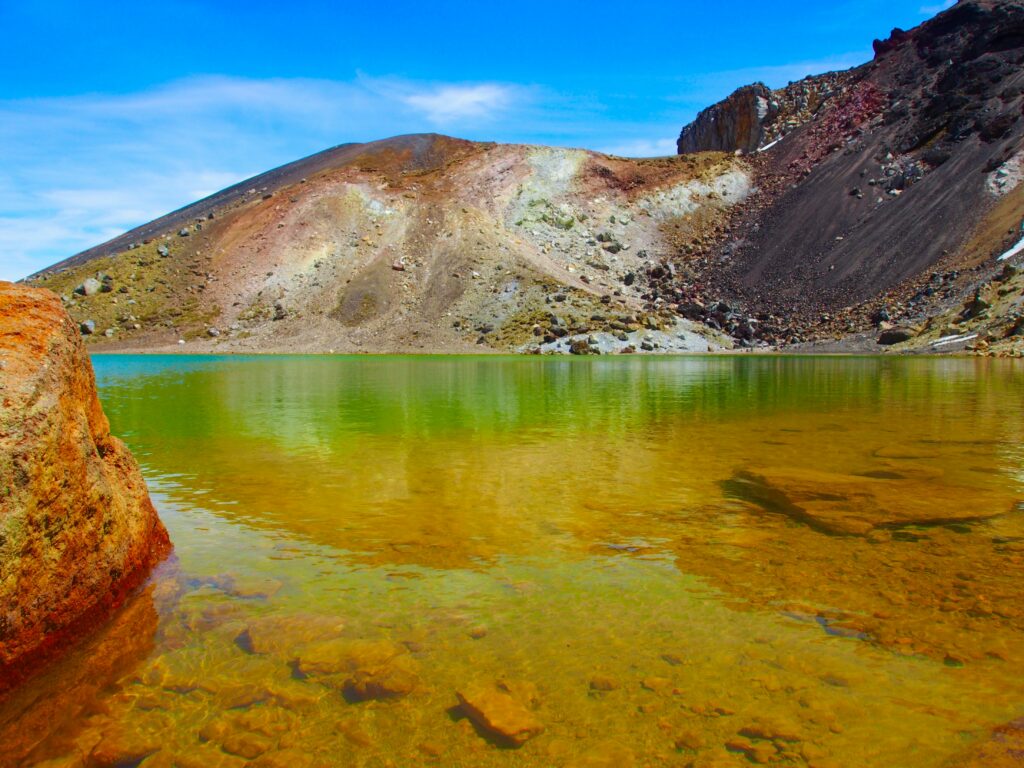
– 1:30 PM: Descend past Blue Lake (sacred to Māori—no swimming!) and through the Ketetahi Hot Springs area, where steam vents hiss like dragons.
Evening:
– 4:00 PM: Shuttle back. Soak sore muscles at Tokaanu Hot Pools (NZD 15). Try the private mineral pools for extra relaxation.
– Dinner: The Plateau in National Park Village serves hearty venison stew—perfect post-hike fuel.
Day 2: Explore Whakapapa Village & Taranaki Falls
Morning:
– 8:00 AM: Visit the Whakapapa Visitor Centre for trail maps and cultural exhibits. Ask about ranger-led walks (free in summer).
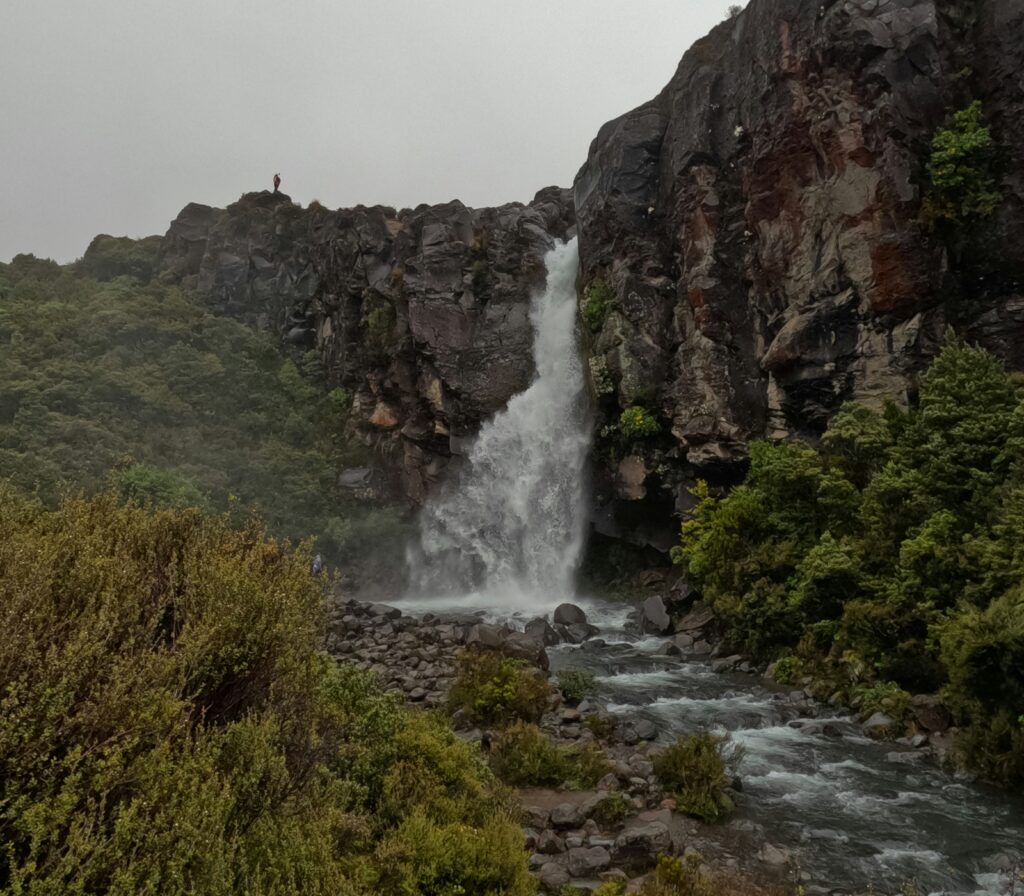
– 9:00 AM: Hike the Taranaki Falls Loop (2 hours, 6 km). The 20-meter waterfall cascades over ancient lava flows—listen for the thundering roar before you see it.
Afternoon:
– 12:30 PM: Lunch at The Station Café. Their lamb pie is legendary, with flaky pastry and locally sourced meat.
– 2:00 PM: Drive to Silica Rapids, a short walk (1.5 hours) through beech forests to milky-white mineral pools.
Evening:
– 7:00 PM: Stargaze at Dark Sky Reserve areas. On clear nights, the Milky Way arcs over Mount Ruapehu.
Day 3: Skiing or Cultural Immersion
Option A (Winter):
– 8:30 AM: Ski at Whakapapa Ski Area (lift pass: NZD 110/day). The Happy Valley area is ideal for beginners.
– Lunch: Knoll Ridge Café, NZ’s highest restaurant, serves kumara (sweet potato) fries with panoramic views.
Option B (Year-Round):
– 9:00 AM: Māori cultural tour with Tamakai Tours (NZD 120). Learn about Ngāti Tūwharetoa legends and taste a traditional hāngī (earth-cooked feast).
– Afternoon: Visit Te Porere Redoubt, a historic Māori fortification.
Essential Tips for Tongariro National Park
Packing List
Clothing:
– Layered clothing: Merino wool base, insulated mid-layer (e.g., Patagonia Nano Puff), waterproof jacket (Gore-Tex recommended).
– Sturdy hiking boots (e.g., Salomon Quest 4)—ankle support is crucial on rocky trails.
Gear:
– Sun protection: SPF 50+, sunglasses (UV rays intensify at altitude).
– 2L water bottle + hydration tablets (stream water is unsafe to drink untreated).
Pro Tip: Rent gear from Pack & Pedal in National Park Village (NZD 25/day for poles and packs).
Safety Tips
- Weather: Check forecasts via MetService. Turn back if fog rolls in—visibility drops to zero fast.
- Trail Etiquette: Stay on marked paths. Volcanic soil erodes easily; stepping off-trail can take decades to recover.
- Emergency Contacts: Dial 111 or DOC hotline: +64 7 892 3729.
Budget Breakdown
| Expense | Cost (NZD) |
|---|---|
| Hostel (YHA) | 30/night |
| Mid-range hotel (Chateau Tongariro) | 150/night |
| Alpine Crossing shuttle | 40 |
| Daily food | 30–50 |
| Ski lift pass (winter) | 110 |
Money-Saving Tip: Cook at hostel kitchens or grab pies from Ferg’s Bakery (NZD 6).
Cultural Etiquette & Local Secrets
Respecting Māori Culture
- Sacred Sites: Avoid climbing Mount Ngauruhoe—it’s tapu (sacred) to the Ngāti Tūwharetoa tribe.
- Greetings: Use “Kia ora” (hello) and “Tēnā koe” (thank you).
Personal Anecdote: At a marae visit, our guide shared how the volcanoes are ancestors—Pihanga and Tongariro are lovers in Māori lore, separated by a jealous rival. The steam vents are Tongariro’s sighs for Pihanga.
Off-the-Beaten-Path Gems
- Tama Lakes: A quieter 16-km hike with views rivaling the Alpine Crossing.
- Ohakune Old Coach Road: Historic rail trail with waterfalls and viaducts.
FAQs About Tongariro National Park
1. Is the Tongariro Alpine Crossing hard?
Yes—it’s a 7–8 hour, 19.4 km trek with steep climbs (elevation gain: 800m). Train with hill walks beforehand. Beginners can opt for guided hikes (NZD 200).
2. Can I visit in winter?
Yes, but the Alpine Crossing is closed. Opt for skiing or guided snow hikes (NZD 250 with Adventure Outdoors).
3. Are there accommodation options inside the park?
No, but National Park Village (15 min drive) has hostels, hotels, and campsites.
4. Do I need a guide for the Alpine Crossing?
Not mandatory, but recommended for beginners or winter hikes. Guides provide safety gear and cultural insights.
5. What’s the food situation?
Pack all meals for hikes. Villages have cafes (try The Schnapps Bar for après-ski drinks and venison sliders).
Conclusion: Start Your Adventure Today!
From the steaming vents of Red Crater to the powder slopes of Whakapapa, Tongariro National Park is a year-round playground. Whether you’re a hiker, skier, or culture seeker, this guide arms you with everything you need to plan.
Ready to explore? Book your shuttle, pack your boots, and experience New Zealand’s volcanic heart.
Happy trails! 🌋
Keywords:
“Tongariro National Park New Zealand travel” “Tongariro Alpine Crossing day hike” “When is the best time to visit Tongariro National Park” “What to see and do in Tongariro National Park” “Tongariro National Park attractions and activities”

