
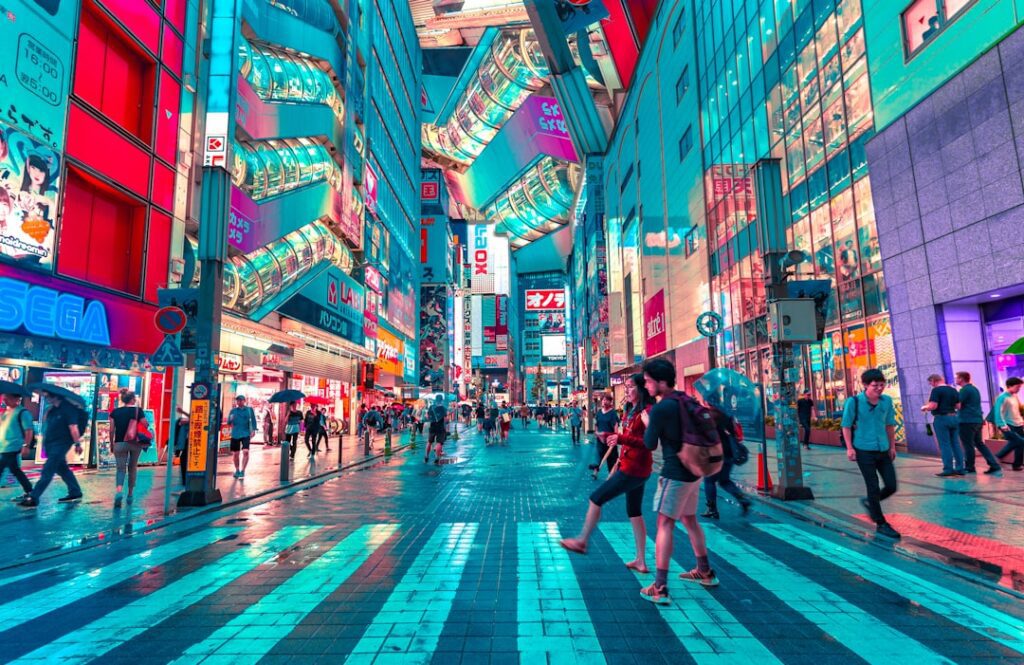
Tokyo, Japan’s Essential Neon, Tradition & Culinary Perfection (2025)
5:17 AM at Tsukiji Outer Market reveals Tokyo’s true rhythm before the crowds descend. The scent of grilling uni and miso soup cuts through the morning chill as fishmongers’ rhythmic calls echo between stalls. This is Tokyo’s living heartbeat—where ancient food traditions meet hyper-modern efficiency. While 32 million visitors annually photograph Shibuya Crossing, fewer than 15% experience this predawn ritual where Tokyo’s culinary soul awakens.
Why Tokyo, Japan Stands Out

Mount Fuji, Japan, Tokyo, Japan
- Historic Architecture: Sensō-ji Temple (645 AD) – Tokyo’s oldest temple where the Kaminarimon Gate welcomes millions to Asakusa’s spiritual heart.
- Cultural Scene: Sumo morning practice viewing – witness these 300-pound athletes train in intimate stables through special tour arrangements.
- Local Specialties: Tsukemen dipping ramen at Fu-unji – thick noodles plunged into rich, concentrated fish broth that locals queue 45 minutes for.
Pro Tip: Visit November 15-30 for perfect autumn foliage with mild crowds, or late February for plum blossoms before the March tourist surge. Always book Ghibli Museum tickets exactly three months in advance at 10 AM Japan time.
Map of Tokyo, Japan
Use these interactive maps to explore Tokyo, Japan and plan your route:
📍 View Tokyo, Japan on OpenStreetMap
🗺️ Open Tokyo, Japan in Google Maps
Planning Your Trip: Practical Essentials
Getting There and Around
- By Air: Narita (NRT) handles international flights, Haneda (HND) is closer for domestic/Asian routes. Take Narita Express (¥3,070) or limousine bus to central stations. Book flights at Skyscanner for best deals.
- By Train: Shinkansen from Kyoto (2h15m, ¥13,080), Osaka (2h30m). Reserve tickets at Trainline or the national railway website.
- By Car: Not recommended in central Tokyo – parking costs ¥600/hour minimum. For day trips, compare car rentals at RentalCars.com.
- Local Transport: Tokyo Metro day pass ¥600, JR Pass for wider exploration. Download Japan Travel by Navitime app for real-time routing.
Best Time to Visit
Tokyo offers distinct seasonal charms, but shoulder seasons deliver ideal weather with manageable crowds. Cherry blossom season (late March-early April) books out 9 months ahead, while summer’s humidity tests even locals’ patience.
| Season | Weather | Highlights |
|---|---|---|
| Summer (Jun–Aug) | 25-35°C, humid with rainy season June-July | Fireworks festivals, rooftop beer gardens, but crowded and humid |
| Winter (Dec–Feb) | 2-10°C, dry with occasional snow | Illuminations, hot pot cuisine, fewer tourists but shorter days |
| Shoulder (Apr–May/Sep–Oct) | 15-25°C, mild and pleasant | Cherry blossoms or autumn colors, perfect walking weather, ideal for photography |
Budgeting for Tokyo, Japan

Person riding bike on street, Tokyo, Japan
| Category | Budget | Mid-range | Luxury |
|---|---|---|---|
| Accommodation | ¥4,000-8,000 (capsule/cusiness hotel) | ¥15,000-25,000 (3-4* hotel) | ¥40,000+ (Aman/Imperial Hotel) |
| Meals | ¥1,000-2,000 (convenience store/ramen) | ¥3,000-6,000 (izakaya/set menu) | ¥15,000+ (3-Michelin star) |
| Transport | ¥600 (metro day pass) | ¥1,500 (metro + occasional taxi) | ¥10,000+ (private car hire) |
| Activities | ¥0-1,500 (temples/parks/museums) | ¥2,000-5,000 (teamLab/observation decks) | ¥15,000+ (private guides/exclusive experiences) |
| Daily Total | ¥6,000-12,000 | ¥22,000-38,000 | ¥65,000+ |
Top Attractions and Must-See Sights
| Attraction | Description | Hours | Entry Fee |
|---|---|---|---|
| Senso-ji Temple | Tokyo’s oldest Buddhist temple with 645 AD origins and magnificent Thunder Gate | 6:00 AM-5:00 PM | Free (¥100 for main hall) |
| Shibuya Crossing | The world’s busiest pedestrian scramble with 3,000 people crossing simultaneously | 24/7 | Free |
| Tokyo Skytree | World’s tallest tower at 634m with breathtaking 360° city views | 8:00 AM-10:00 PM | ¥2,100-3,100 |
| Meiji Jingu Shrine | Peaceful forest shrine dedicated to Emperor Meiji in heart of Harajuku | Sunrise to sunset | Free |
3-Day Itinerary: Tokyo, Japan’s Highlights & Hidden Gems
Day 1: Traditional Tokyo & Modern Marvels
- Morning: 7:00 AM Tsukiji Outer Market breakfast tour (¥4,500 including tastings) – arrive before 8 AM to avoid queues at stands like Tamagoyaki Kushima.
- Afternoon: 12:00 PM Sensō-ji Temple exploration and Nakamise-dori shopping street, then lunch at Daikokuya Tempura (¥1,800 set menu) since 1887.
- Evening: 6:00 PM Tokyo Skytree sunset viewing (book 3 days ahead for 5:30 PM slot) followed by dinner at Sumida Aquarium restaurant.
Day 2: Pop Culture & Imperial Elegance
- Morning: 8:30 AM Meiji Jingu shrine during tranquil morning hours – watch the 10 AM traditional wedding procession if lucky.
- Afternoon: 1:00 PM Harajuku’s Takeshita Street for crazy crepes then Omotesando architecture walk ending at Nezu Museum garden (¥1,300).
- Evening: 6:30 PM Robot Restaurant show (¥8,000) in Shinjuku – kitschy but unforgettable, then Omoide Yokocho alley for yakitori.
Day 3: Neighborhood Exploration & Farewell Feasts
- Morning: 9:00 AM Yanaka Ginza shopping street – old Tokyo atmosphere with artisan shops and the best menchi-katsu at Marugo.
- Afternoon: 1:00 PM teamLab Planets digital art experience (¥3,200 advance booking essential) – allow 2 hours barefoot immersion.
- Evening: 7:00 PM Final sushi feast at Sushi Zanmai in Tsukiji – 15-piece omakase for ¥5,000, then Golden Gai bar hopping.
Cultural Insights & Etiquette
- Language: Learn “arigatou gozaimasu” (thank you), “sumimasen” (excuse me), “oishii” (delicious) – even basic attempts earn smiles
- Customs: Bow slightly when greeting, remove shoes in traditional establishments, never eat while walking
- Tipping: Not practiced – excellent service is standard, leaving money may cause confusion
- Dress Code: Modest clothing for temples, business casual for better restaurants, comfortable walking shoes essential
- Business Hours: Department stores 10 AM-8 PM, museums 9 AM-5 PM (often closed Mondays), restaurants 11 AM-10 PM
Where to Eat: Tokyo, Japan’s Best Bites
Tokyo boasts 230 Michelin-starred restaurants—more than any other city—but the real magic happens in tiny 8-seat ramen shops and standing sushi bars where masters perfect single dishes for decades.
Must-Try Local Specialties
- Sushi: Edomae-style at Daiwa Sushi (Tsukiji) – ¥4,000 for chef’s selection of the day’s freshest catch
- Ramen: Ivan Orkin’s tsukemen at Afuri (Ebisu) – citrus-infused broth with perfect noodle texture, ¥980
- Monjayaki: At Sometarō in Asakusa – Tokyo’s answer to okonomiyaki, cooked at your table, ¥1,500
Restaurant Recommendations by Budget
| Type | Restaurant | Specialty | Price Range |
|---|---|---|---|
| Budget | Ichiran Ramen (Shibuya) | Private booth tonkotsu ramen experience | ¥890-1,500 |
| Mid-range | Uobei Genki Sushi (Shibuya) | Conveyor belt sushi with tablet ordering | ¥2,000-3,500 |
| Fine dining | Sukiyabashi Jiro (Ginza) | World-famous omakase sushi experience | ¥40,000+ |
Where to Stay
Location determines your Tokyo experience—Shinjuku offers transportation hub convenience, Shibuya pulses with youth culture, while Ginza provides luxury shopping and dining. Compare prices and book at Booking.com or Airbnb for apartments.
Best Neighborhoods for Accommodation
- Shinjuku: Transportation hub with skyscraper views and Kabukicho nightlife – ideal for first-timers but can feel overwhelming
- Shibuya: Youth culture central with famous crossing and shopping – perfect for energetic travelers wanting 24/7 action
- Ginza: Upscale shopping and Michelin-star dining – suits luxury seekers and food enthusiasts willing to pay premium

Pedestrian lane in the middle of the road, Tokyo, Japan
FAQs: Your Tokyo, Japan Questions Answered
1. Is Tokyo, Japan safe at night?
Extremely safe—you can walk virtually anywhere at 3 AM without concern. Violent crime rates are among the world’s lowest. Still, exercise normal precautions in entertainment districts like Kabukicho where tourist-targeted scams occasionally occur.
2. What currency is used and are credit cards accepted?
Japanese Yen (¥) – carry ¥20,000-30,000 cash daily as many smaller restaurants, temples, and markets don’t accept cards. 7-Eleven ATMs give the best exchange rates and accept foreign cards 24/7.
3. How do I get from the airport to the city center?
From Narita: Narita Express (N’EX) takes 53 minutes to Shinjuku (¥3,070). From Haneda: Tokyo Monorail to Hamamatsucho (18 minutes, ¥490). Book airport transfers at GetYourGuide for convenience.
4. Do I need to speak the local language?
Not essential—train stations and major attractions have English signage, and many restaurants have picture menus. Download Google Translate with camera function for real-time translation of signs and menus.
5. What’s the appropriate dress code?
Smart casual works everywhere—avoid beachwear in cities. For temples, cover shoulders and knees. Pack comfortable walking shoes—you’ll easily log 8-12 miles daily exploring this sprawling metropolis.
Final Thoughts: Tokyo, Japan Awaits
Tokyo delivers the perfect travel paradox—ancient tranquility beside neon-fueled futurism, where 400-year-old sushi techniques meet robot restaurants. This city rewards the curious traveler who ventures beyond guidebook highlights to discover the quiet backstreets of Yanaka, the life-changing ramen shops hidden in basements, and the profound respect for tradition that underpins every interaction. Your most memorable Tokyo moment might just be that first bite of perfect tuna at 7 AM in Tsukiji, surrounded by generations of fishmongers continuing traditions that make this city endlessly fascinating. Book those flights—your Tokyo story awaits.

