
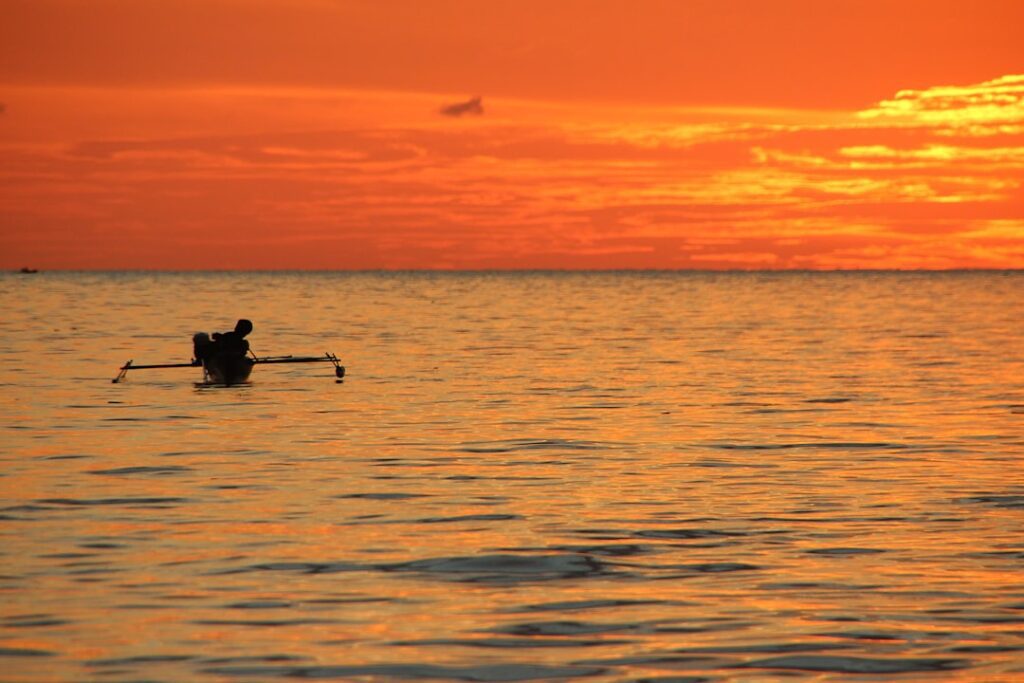
Togean Islands, Indonesia: Stunning Untouched Reefs, Island-Hopping & Bajau Culture (2026)
While crowds flock to Bali’s packed beaches, the Togean Islands deliver a Robinson Crusoe fantasy with a fraction of the visitors. Scattered across the Tomini Gulf in Central Sulawesi, this 56-island archipelago is a final frontier for divers, where you can share a pristine coral wall with just a handful of other travelers. Here, the Bajau “sea nomads” still live in stilt villages over the water, and your soundtrack is the rustle of palm fronds and the gentle lap of turquoise waves against a traditional wooden *phinisi* boat.
Why Togean Islands, Indonesia Stands Out

Free stock photo of bali, bali island, bali tourism, Togean Islands, Indonesia
- Historic Architecture: The traditional stilt houses of the Bajau Laut villages, built directly over the reef, represent a centuries-old nomadic maritime culture adapted perfectly to island life.
- Cultural Scene: Witness the unique daily life of the Bajau people, free-diving with spears to hunt and living in harmony with the sea, a tradition largely unchanged for generations.
- Local Specialties: Savor freshly grilled *ikan bakar* (whole fish marinated in spices and coconut) caught that morning, often served with *sambal* and steamed rice on the beach.
Pro Tip: The absolute best time to visit is during the dry season from late May to late September. July and August offer the calmest seas and best visibility for diving (30m+). Avoid the rainy season (November to March) when boat transfers become unreliable and many homestays close.
Map of Togean Islands, Indonesia
Use these interactive maps to explore Togean Islands, Indonesia and plan your route:
📍 View Togean Islands, Indonesia on OpenStreetMap
🗺️ Open Togean Islands, Indonesia in Google Maps
Planning Your Trip: Practical Essentials
Getting There and Around
- By Air: The main gateway is Palu (PLW) or Gorontalo (GTO). From there, it’s a 6-8 hour drive to the port towns of Ampana or Gorontalo City, followed by a 2-4 hour public ferry or private speedboat to the islands. Book flights at Skyscanner for best deals.
- By Train: No train service is available to this remote archipelago; travel is exclusively by air, road, and sea.
- By Car: Renting a car with a driver for the journey from Palu or Gorontalo to the ports is the most reliable option. Roads are winding. Compare car rentals at RentalCars.com.
- Local Transport: Once in the islands, transport is by local public ferry (slow, scheduled), private speedboat charter (expensive but flexible), or the small wooden boats (*kapal*) operated by homestays for transfers and excursions.
Best Time to Visit
The Togeans have a distinct tropical climate. Your entire experience hinges on timing your visit with the dry season for safe and enjoyable sea travel.
| Season | Weather | Highlights |
|---|---|---|
| Dry Season (May–Sep) | Sunny, low humidity, calm seas. Avg 28-32°C. | Ideal for diving, snorkeling, and island-hopping. Peak season (Jul-Aug) has the best conditions but slightly more visitors. |
| Wet Season (Nov–Mar) | Heavy rainfall, rough seas, high humidity. | Many homestays and dive shops close. Travel is strongly discouraged due to dangerous sea conditions and canceled ferries. |
| Shoulder (Apr/Oct) | Transitional, sporadic showers, seas becoming rough or calming. | A gamble. You might get good weather and no crowds, or experience travel disruptions. Not recommended for strict itineraries. |
Budgeting for Togean Islands, Indonesia
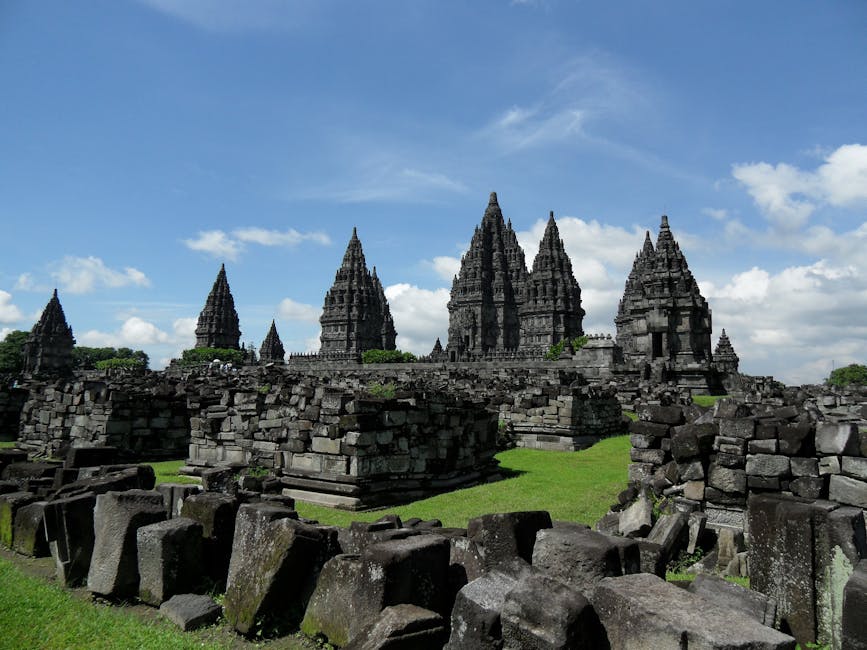
Explore the ancient Prambanan Temple in Java, Togean Islands, Indonesia
| Category | Budget | Mid-range | Luxury |
|---|---|---|---|
| Accommodation | IDR 150k-300k/night (basic homestay) | IDR 400k-700k/night (comfortable bungalow) | IDR 1.2M+/night (exclusive dive resort) |
| Meals | IDR 50k-80k (warung & homestay meals) | IDR 100k-150k (resort restaurant) | IDR 200k+ (multi-course meals) |
| Transport | Public ferry (~IDR 75k), walking | Private island transfers (IDR 300k-500k), boat rentals | Private speedboat charters (IDR 3M+/day) |
| Activities | Free snorkeling, hiking | Guided snorkel trips (IDR 200k), diving (IDR 600k/dive) | Private dive guides, multi-day liveaboard trips |
| Daily Total | IDR 275k-455k (~$18-$30) | IDR 1.1M-1.45M (~$70-$95) | IDR 2.5M+ (~$160+) |
Top Attractions and Must-See Sights
| Attraction | Description | Hours | Entry Fee |
|---|---|---|---|
| Kadidiri Island Reefs | Vibrant coral gardens and diverse marine life right off the beach, perfect for easy snorkeling. | Daylight hours | Free (gear rental ~IDR 50k) |
| Bajau Laut Village (Papan) | An authentic stilt village where you can observe the daily life of the sea nomad community. | Respectful visits during daytime | Small donation appreciated |
| Lake Mariona (Malenge) | A serene, landlocked saltwater jellyfish lake, home to thousands of harmless, pulsating golden jellyfish. | Daylight hours | ~IDR 50k via guided trip |
| Bomber Plane Wreck (Una Una) | An accessible WWII B-24 Liberator wreck in shallow water, now a stunning artificial reef for snorkelers. | Daylight hours, depends on tides | Included in boat trip cost |
3-Day Itinerary: Togean Islands, Indonesia’s Highlights & Hidden Gems
Day 1: Arrival & Kadidiri’s Underwater World
- Morning: Arrive via ferry from Ampana to Kadidiri Island (2-3 hours, IDR 75k). Check into your beachfront bungalow and get oriented. Your best bet is to book a homestay like Poppy’s or Black Marlin in advance.
- Afternoon: Rent snorkel gear (IDR 50k) and explore the house reef directly from the beach. Look for clownfish, parrotfish, and maybe a turtle. For lunch, enjoy the daily catch at your homestay’s restaurant.
- Evening: Sunset from the jetty, followed by a seafood barbecue dinner. If you’re lucky, you might see bioluminescent plankton in the water after dark.
Day 2: Jellyfish Lake & Bajau Culture
- Morning: Charter a small boat with others from your homestay (IDR 300k-400k per boat) to Malenge Island. Hike through the jungle to Lake Mariona for a surreal swim with non-stinging jellyfish.
- Afternoon: Boat to the nearby Bajau Laut village of Papan. Walk quietly through the stilted pathways, observing daily life. Remember to dress modestly. Enjoy a packed lunch on a secluded beach.
- Evening: Return to Kadidiri. Dine at a different homestay to socialize; Island Retreat is known for its friendly atmosphere and good Western-Indonesian fusion food.
Day 3: Wreck Snorkeling & Island Hopping
- Morning: Join a group snorkeling trip to Una Una Island (IDR 250k per person). Explore the shallow, coral-encrusted wreck of the WWII bomber—a highlight for history and marine life buffs.
- Afternoon: The boat will typically stop at a sandbar or another snorkel spot like “The Cathedral.” Enjoy a final swim in crystal-clear water. Lunch is usually provided on the boat.
- Evening: Your last Togean sunset. Settle your bills (cash only!) and confirm your ferry departure for the next morning. Have a final *ikan bakar* feast.
Cultural Insights & Etiquette
- Language: Bahasa Indonesia is the national language. Key phrases: *Terima kasih* (Thank you), *Permisi* (Excuse me), *Berapa harganya?* (How much?). English is limited outside main homestays.
- Customs: Always ask for permission before photographing people, especially the Bajau. Use your right hand for giving and receiving items. Public displays of affection are frowned upon.
- Tipping: Not expected but greatly appreciated for good service, especially for boat drivers and guides. Rounding up or leaving 5-10% is a kind gesture.
- Dress Code: Swimwear is for the beach/boat only. When visiting villages or walking around homestays, cover shoulders and knees out of respect.
- Business Hours: Everything runs on “island time.” Homestays operate all day, but boat trips leave in the morning. Bring enough cash, as there are no ATMs in the islands.
Where to Eat: Togean Islands, Indonesia’s Best Bites
Dining in the Togeans is a simple, fresh, and communal affair. Most meals are taken at your homestay’s restaurant, where the day’s catch dictates the menu. Don’t expect fancy cafes; the joy is in the incredibly fresh seafood and the rustic, toes-in-the-sand setting.
Must-Try Local Specialties
- Ikan Bakar Jimbaran Style: Whole fish (like snapper or tuna) marinated in sweet soy sauce (*kecap manis*), turmeric, and lime, then grilled over coconut husks. Best tried at any homestay’s nightly barbecue.
- Sambal Terasi: The fiery, fragrant condiment of Indonesia made with chili and fermented shrimp paste. It accompanies every meal. Locals swear by the homemade versions at family-run spots.
- Kelapa Muda: A young, green coconut (*degan*) hacked open for you to drink its refreshing water, then spoon out the soft, jelly-like meat. The perfect post-snorkel refreshment.
Restaurant Recommendations by Budget
| Type | Restaurant | Specialty | Price Range |
|---|---|---|---|
| Budget | Poppy’s Restaurant (Kadidiri) | Hearty Indonesian set meals & fresh fish | IDR 50k-80k |
| Mid-range | Black Marlin Cottages (Kadidiri) | Western comfort food & excellent seafood pasta | IDR 100k-150k |
| Fine dining | Fadhila Cottages (Una Una) | Multi-course dinners in a romantic garden setting (book ahead) | IDR 200k+ |
Where to Stay
Accommodation ranges from ultra-basic bamboo huts to comfortable bungalows with private bathrooms and solar-powered fans. The main hubs are Kadidiri Island (most services, social), Malenge (quiet, rustic), and Una Una (remote, volcanic). Electricity is often limited to evenings. Compare prices and book at Booking.com or contact homestays directly via WhatsApp, as many aren’t listed online.
Best Neighborhoods for Accommodation
- Kadidiri Island: The social and logistical hub. You’ll find the highest concentration of homestays, dive shops, and easy snorkeling. Ideal for first-timers and those who want a bit more convenience.
- Malenge Island: A quieter, more spread-out island closer to Jellyfish Lake and Bajau villages. Perfect for travelers seeking tranquility and a deeper connection with nature.
- Una Una Island: The most remote option, dominated by a volcano. Offers a true getaway feel and proximity to the bomber wreck. Suits adventurous souls comfortable with basic amenities.
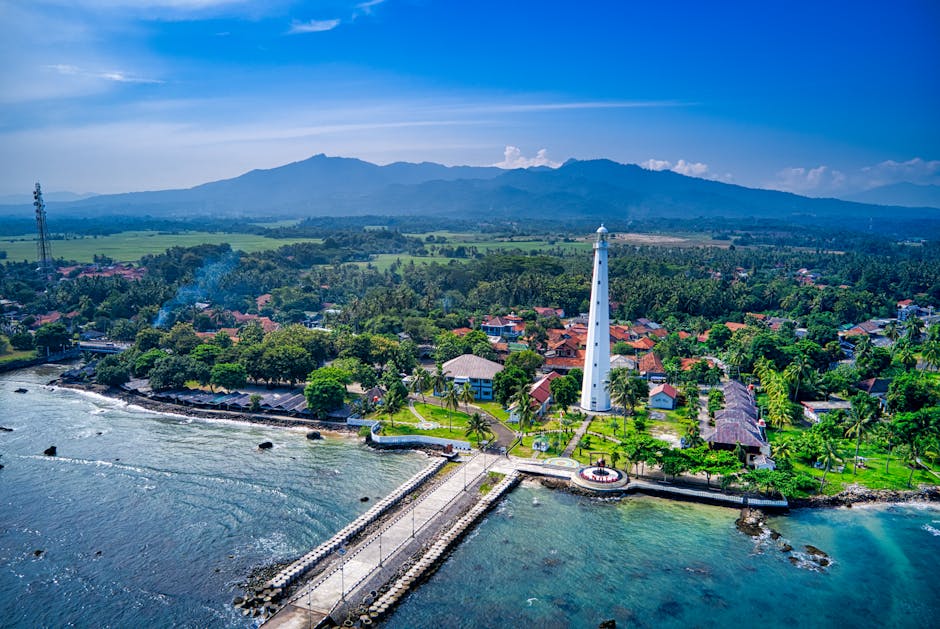
Stunning aerial view of the lighthouse and coastline in Banten, Togean Islands, Indonesia
FAQs: Your Togean Islands, Indonesia Questions Answered
1. Is Togean Islands, Indonesia safe at night?
Yes, the islands are generally very safe. Crime is extremely rare. The main safety concerns are natural: be cautious walking on dark paths (use a flashlight), be aware of your footing on jetties and boats, and always follow water safety guidelines. Travelers often discover a profound sense of peace and security here.
2. What currency is used and are credit cards accepted?
The currency is the Indonesian Rupiah (IDR). This is critical: there are NO ATMs in the Togean Islands. Credit cards are not accepted anywhere. You must bring all the cash you will need for your entire stay from the mainland (Ampana or Gorontalo). Calculate carefully, including extra for emergencies.
3. How do I get from the airport to the islands?
It’s a multi-stage journey. From Palu Airport (PLW), you’ll need a 6-hour car transfer to Ampana port (arrange via your homestay, ~IDR 1.2M/car), then a public ferry to the islands. From Gorontalo (GTO), it’s a 2-hour drive to the port, then a ferry. Booking the entire transfer through your homestay is the most reliable option. For simpler planning, book tours at GetYourGuide for convenience.
4. Do I need to speak the local language?
You can manage with basic English at the main homestays on Kadidiri. However, learning a few Bahasa Indonesia phrases will greatly enhance your interactions with boat drivers and in villages. Staff at homestays are always happy to help translate.
5. What’s the appropriate dress code?
Resort wear is fine at your homestay. For village visits, modest dress is mandatory: cover shoulders, chest, and knees. A sarong and t-shirt are perfect. Always remove shoes before entering someone’s home or a homestay restaurant area.
Final Thoughts: Togean Islands, Indonesia Awaits
The Togean Islands are not a destination for luxury shopping or nightlife. They are a commitment to adventure, a step back in time, and an immersion into a world where the sea is the highway and the jungle meets the reef. You come here for the unparalleled snorkeling from your doorstep, the profound cultural encounters, and the blissful disconnect. Savvy visitors know the

