
The Ultimate Marrakech Guide: Souks, Spices & Saharan Sunsets
Marrakech isn’t just a destination—it’s a living tapestry woven from ancient traditions and modern energy. The scent of saffron and cumin drifts through Djemaa el-Fna as snake charmers’ flutes mingle with the calls of market traders. This is a city where every corner reveals centuries of history and vibrant contemporary culture.
Why Marrakech Stands Out
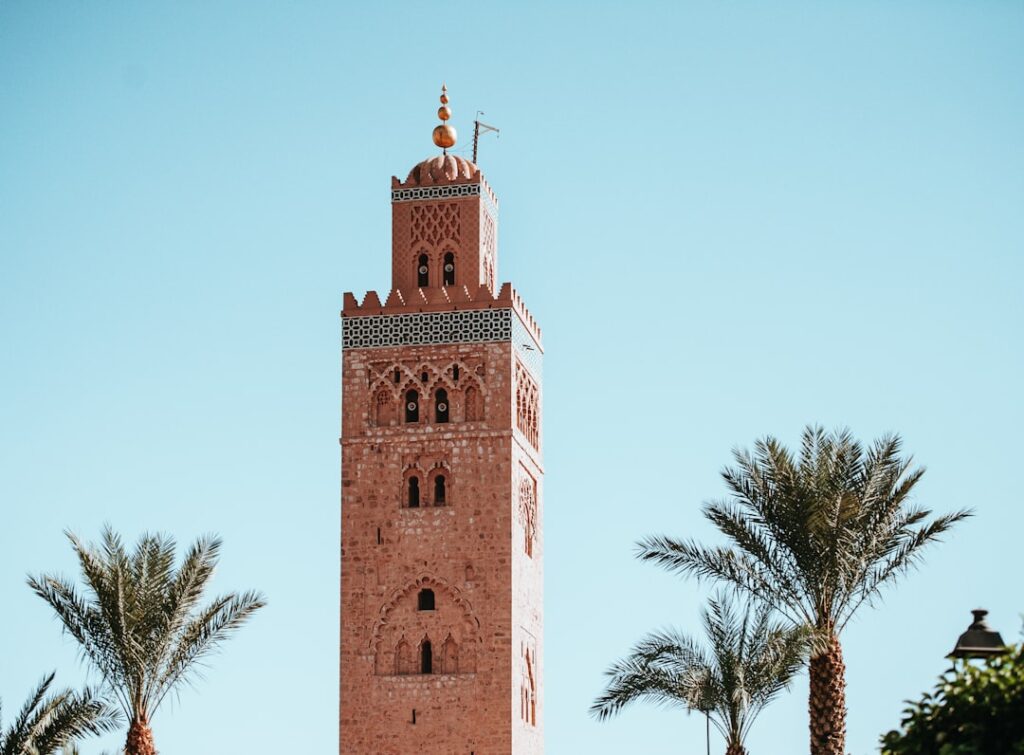
- Historic Architecture: Koutoubia Mosque (built 1158) stands as the city’s iconic landmark with its 77-meter minaret that has inspired North African mosque design for centuries.
- Cultural Scene: The nightly transformation of Djemaa el-Fna square into an open-air theater of storytellers, musicians, and food stalls offers an unforgettable cultural immersion.
- Local Specialties: Tagine cooked with preserved lemons and olives represents the essence of Moroccan cuisine, best enjoyed in a traditional riad courtyard.
Pro Tip: Visit between September-November when temperatures average 25°C (77°F) and crowds thin after summer. Arrive at major attractions at opening time (usually 9 AM) to avoid tour groups, and explore the medina in late afternoon when locals shop and light is perfect for photography.
Map of Marrakech
Use these interactive maps to explore Marrakech and plan your route:
📍 View Marrakech on OpenStreetMap
🗺️ Open Marrakech in Google Maps
Planning Your Trip: Practical Essentials
Getting There and Around
- By Air: Marrakech-Menara Airport (RAK) serves international flights with Royal Air Maroc, EasyJet, and Ryanair. Taxis to city center cost 70-100 MAD ($7-10), or take bus 19 for 30 MAD ($3). Book flights at Skyscanner for best deals.
- By Train: ONCF trains connect from Casablanca (3 hours) and Fez (7 hours). First class recommended for comfort. Reserve tickets at Trainline or the national railway website.
- By Car: Driving from Agadir takes 3 hours via N8 highway. Parking scarce in medina – use guarded lots (40 MAD/day). Compare car rentals at RentalCars.com.
- Local Transport: Petit taxis (beige color) meter required within city (15-40 MAD rides). Buses cost 4 MAD but confusing routes. Walking best in medina.
Best Time to Visit
Marrakech offers distinct seasonal experiences, with spring and autumn providing ideal conditions for exploration. Summer heat can be intense, while winter evenings require warm layers despite pleasant daytime temperatures.
| Season | Weather | Highlights |
|---|---|---|
| Summer (Jun–Aug) | 30-40°C (86-104°F), dry and hot | Quieter medina, pool weather, but many attractions close midday due to heat |
| Winter (Dec–Feb) | 8-20°C (46-68°F), cool evenings | Pleasant exploring weather, clear skies, but hotels book early for Christmas |
| Shoulder (Apr–May/Sep–Oct) | 18-28°C (64-82°F), perfect conditions | Ideal photography light, outdoor dining, fewer crowds than peak season |
Budgeting for Marrakech
| Category | Budget | Mid-range | Luxury |
|---|---|---|---|
| Accommodation | 200-400 MAD ($20-40) hostel/riad | 800-1200 MAD ($80-120) boutique riad | 2000+ MAD ($200+) luxury palace |
| Meals | 30-50 MAD ($3-5) street food | 150-250 MAD ($15-25) restaurant | 400+ MAD ($40+) fine dining |
| Transport | 4 MAD ($0.40) bus rides | 20-50 MAD ($2-5) taxi rides | Private driver 500 MAD/day ($50) |
| Activities | Free medina wandering | 70 MAD ($7) attraction entries | 600 MAD ($60) spa hammam |
| Daily Total | 300 MAD ($30) | 1200 MAD ($120) | 3000+ MAD ($300+) |
Top Attractions and Must-See Sights
| Attraction | Description | Hours | Entry Fee |
|---|---|---|---|
| Jardin Majorelle | Yves Saint Laurent’s restored botanical garden with cobalt blue architecture and rare plants | 8 AM-6 PM | 70 MAD |
| Bahia Palace | 19th-century palace showcasing exquisite Moroccan craftsmanship with 150 rooms and courtyards | 9 AM-4:30 PM | 70 MAD |
| Saadian Tombs | 16th-century royal burial site with stunning marble and gold-leaf decoration rediscovered in 1917 | 9 AM-4:45 PM | 70 MAD |
| Ben Youssef Madrasa | Former Islamic college dating from 14th century featuring breathtaking carved cedar and stucco work | 9 AM-6 PM | 50 MAD |
3-Day Itinerary: Marrakech’s Highlights & Hidden Gems
Day 1: Medina Immersion
- Morning: 7:30 AM photography at Djemaa el-Fna before crowds. Capture morning light on Koutoubia Mosque. Breakfast at Café des Épices (35 MAD for msemen pancakes with honey).
- Afternoon: 12 PM explore souks starting from Rahba Kedima (spice square). Lunch at Nomad (250 MAD for modern Moroccan cuisine with terrace views).
- Evening: 6 PM return to Djemaa el-Fna for sunset and emerging food stalls. Dinner at stall #31 (60 MAD for lamb tagine). Finish with mint tea at rooftop Café Glacier.
Day 2: Palaces & Gardens
- Morning: 8:30 AM entry to Bahia Palace (70 MAD) to avoid crowds. Hire official guide (200 MAD/hour) for historical context.
- Afternoon: 1 PM lunch at Dar Cherifa (180 MAD for chicken pastilla). 3 PM visit Jardin Majorelle (book online to skip queue).
- Evening: 6:30 PM hammam experience at Les Bains de Marrakech (400 MAD traditional treatment). Dinner at Le Foundouk (350 MAD for fine dining in restored caravanserai).
Day 3: Culture & Crafts
- Morning: 8 AM taxi to Jebel el-Kelaa (120 MAD) for pottery village tour. Watch traditional craftsmanship and purchase directly from artisans.
- Afternoon: 1 PM return for lunch at Earth Cafe (150 MAD vegetarian). 3 PM explore Musée de Marrakech (50 MAD) and Ben Youssef Madrasa.
- Evening: 7 PM dinner at Dar Moha (600 MAD gourmet tasting menu in palace setting). Finish with evening stroll through illuminated medina lanes.
Cultural Insights & Etiquette
- Language: Arabic and French widely spoken. Learn “Salam alaykum” (hello), “Shukran” (thank you), “Bessaha” (to your health)
- Customs: Remove shoes before entering homes/mosques. Use right hand for eating/greeting. Avoid public displays of affection
- Tipping: 10% in restaurants, 5-10 MAD for taxi drivers, 20 MAD for guides, small change for bathroom attendants
- Dress Code: Cover shoulders and knees, especially in religious sites. Light layers for temperature changes
- Business Hours: Shops 9 AM-8 PM (often close 12-3 PM), restaurants open late, Friday reduced hours for prayers
Where to Eat: Marrakech’s Best Bites
Moroccan cuisine blends Arab, Berber, and Mediterranean influences with complex spice mixtures. Dining ranges from street food stalls to luxurious palace restaurants, with most meals centered around communal eating.
Must-Try Local Specialties
- Tagine: Slow-cooked stew named after conical clay pot. Try chicken with preserved lemons at Café Clock (120 MAD)
- Couscous: Steamed semolina typically served Friday after prayers. Best at Al Fassia (180 MAD) prepared by women’s cooperative
- Pastilla: Sweet-savory pigeon pie with cinnamon and almonds. Dar Zellij serves exceptional version (150 MAD)
Restaurant Recommendations by Budget
| Type | Restaurant | Specialty | Price Range |
|---|---|---|---|
| Budget | Chez Chegrouni (Djemaa el-Fna) | Authentic tagines and brochettes | 40-80 MAD |
| Mid-range | Nomad (Derb Aarjan) | Modern Moroccan with rooftop views | 150-250 MAD |
| Fine dining | La Maison Arabe (Hivernage) | Gourmet tasting menus in luxury setting | 600+ MAD |
Where to Stay
Accommodation ranges from traditional riads (courtyard houses) in the medina to modern hotels in Gueliz. Staying in a riad offers authentic experience but may involve walking luggage through narrow streets. Compare prices and book at Booking.com or Airbnb for apartments.
Best Neighborhoods for Accommodation
- Medina: Historic heart with riads and souks, authentic but noisy. Perfect for culture seekers and photographers
- Gueliz: French-colonial district with modern amenities, restaurants, and shopping. Ideal for first-time visitors
- Hivernage: Upscale area with luxury hotels and golf courses. Best for resort-style relaxation
FAQs: Your Marrakech Questions Answered
1. Is Marrakech safe at night?
Yes, Marrakech is generally safe after dark. Stick to well-lit areas, avoid empty alleys in medina, and use licensed taxis. Djemaa el-Fna remains lively until midnight with police presence. Solo travelers should exercise normal precautions.
2. What currency is used and are credit cards accepted?
Moroccan Dirham (MAD) is the local currency. Exchange rate approximately 10 MAD = $1. Credit cards accepted in hotels and nicer restaurants, but carry cash for souks, taxis, and smaller establishments. ATMs widely available.
3. How do I get from the airport to the city center?
Official airport taxis cost 70-100 MAD to medina (20 minutes). Ensure meter used or agree price first. Bus 19 runs every 30 minutes to Djemaa el-Fna for 30 MAD (40 minutes). Book airport transfers at GetYourGuide for convenience.
4. Do I need to speak the local language?
French and Arabic are most common, but English widely understood in tourist areas. Learn basic greetings. Many restaurant staff speak English. Translation apps helpful for deeper conversations.
5. What’s the appropriate dress code?
Conservative dress recommended – cover shoulders and knees, especially when visiting mosques (non-Muslims cannot enter prayer halls). Light, breathable fabrics ideal for heat. Scarves useful for women to cover hair when needed.
Final Thoughts: Marrakech Awaits
Marrakech offers an unparalleled sensory journey that stays with visitors long after departure. From the mesmerizing chaos of the medina to the serene beauty of its gardens and palaces, this city masterfully balances ancient traditions with contemporary energy. The key to enjoying Marrakech lies in embracing its rhythms – slow down, sip mint tea, allow yourself to get lost in the labyrinthine streets, and engage with the warm local community. With practical planning and cultural awareness, your Moroccan adventure will create memories that truly last a lifetime.
Keywords
Marrakech travel guide, Marrakech attractions, things to do in Marrakech, Marrakech itinerary, Marrakech restaurants, Marrakech hotels, visit Marrakech, Marrakech tourism, Marrakech vacation, Marrakech trip planning

