
The Ultimate Lamu Archipelago, Kenya Guide: Dhow Sailing, Swahili Culture & Untouched Beaches
Lamu Archipelago, Kenya isn’t just a destination—it’s a living museum where time moves with the rhythm of the tides. The scent of cloves and saltwater mingles as donkeys clip-clop through narrow stone alleys, their calls echoing past carved wooden doors. This UNESCO World Heritage site preserves seven centuries of Swahili civilization in its purest form.
Why Lamu Archipelago, Kenya Stands Out

View of sea during daytime, Lamu Archipelago, Kenya
- Historic Architecture: Lamu Fort (built 1813-1821) served as prison and now hosts cultural events, representing Omani influence after Portuguese occupation
- Cultural Scene: The annual Lamu Cultural Festival each November features traditional dhow races, donkey races, and Swahili poetry competitions
- Local Specialties: Freshly caught grilled snapper served with coconut rice and kachumbari salad at local waterfront restaurants
Pro Tip: Visit during the shoulder seasons of April-May or September-October when hotel rates drop 30-40% and the archipelago sees only half the crowds of peak season, with temperatures still perfect for beach activities.
Map of Lamu Archipelago, Kenya
Use these interactive maps to explore Lamu Archipelago, Kenya and plan your route:
📍 View Lamu Archipelago, Kenya on OpenStreetMap
🗺️ Open Lamu Archipelago, Kenya in Google Maps
Planning Your Trip: Practical Essentials
Getting There and Around
- By Air: Fly to Manda Airport (LAU) from Nairobi Wilson Airport (1.5 hours) on SafariLink or AirKenya (from $150 roundtrip), then take a 10-minute boat transfer to Lamu Town ($5 per person). Book flights at Skyscanner for best deals.
- By Train: No direct rail connections to Lamu – the nearest major station is in Mombasa (8 hours by road+bus). Reserve tickets at Trainline or the national railway website.
- By Car: Driving from Mombasa takes 6-7 hours via the A14 highway, but road conditions can be challenging; 4WD recommended. Compare car rentals at RentalCars.com.
- Local Transport: Traditional dhows ($5-10 per trip between islands), motorboats ($15-25), and donkeys ($3-5 for short rides within Lamu Town; no cars allowed).
Best Time to Visit
The archipelago enjoys warm tropical weather year-round, with optimal conditions from June to October when skies are clearest and humidity lowest.
| Season | Weather | Highlights |
|---|---|---|
| Summer (Jun–Aug) | 25-30°C, dry, low humidity, perfect beach weather | Best for dhow sailing, snorkeling, photography; peak tourist season with higher prices |
| Winter (Dec–Feb) | 28-33°C, warm with occasional short rains | Good for cultural immersion, fewer crowds than summer, excellent for fishing |
| Shoulder (Apr–May/Sep–Oct) | 26-31°C, some rainfall but mostly sunny | Best value with lower prices, lush green landscapes, ideal for avoiding crowds |
Budgeting for Lamu Archipelago, Kenya

Green trees and blue sky, Lamu Archipelago, Kenya
| Category | Budget | Mid-range | Luxury |
|---|---|---|---|
| Accommodation | $30-60 (guesthouses like Jannat House) | $80-150 (boutique hotels like Baytil Ajaib) | $200-500 (resorts like Kizingoni Beach House) |
| Meals | $5-10 (street food, local cafes) | $15-25 (restaurants like Peponi Hotel) | $40-70 (private chefs, fine dining) |
| Transport | $10-15 (public dhows, walking) | $20-40 (private boat transfers) | $60-100 (private speedboats) |
| Activities | $10-20 (museum visits, self-guided tours) | $30-60 (guided dhow trips, snorkeling) | $100-200 (private island tours, fishing charters) |
| Daily Total | $55-105 | $145-275 | $400-870 |
Top Attractions and Must-See Sights
| Attraction | Description | Hours | Entry Fee |
|---|---|---|---|
| Lamu Museum | Kenya’s oldest Swahili house showcasing traditional wedding beds, musical instruments, and maritime history | 8 AM – 6 PM daily | $5 adults, $2 children |
| Shela Beach | 12km pristine white sand beach perfect for swimming, with dramatic sand dunes and clear turquoise waters | 24 hours | Free |
| Takwa Ruins | 15th-century abandoned Swahili settlement on Manda Island featuring a unique mosque aligned with Mecca | Sunrise to sunset | $10 including boat transfer |
| Lamu Donkey Sanctuary | Charity caring for the archipelago’s 3000+ working donkeys with educational tours and adoption programs | 10 AM – 4 PM weekdays | Donation based |
3-Day Itinerary: Lamu Archipelago, Kenya’s Highlights & Hidden Gems
Day 1: Lamu Town Immersion
- Morning: 7-9 AM guided walking tour of Lamu Old Town ($15) starting at the Lamu Museum. Watch the town awaken as shopkeepers open their carved doors and fishermen return with morning catch.
- Afternoon: 12-3 PM explore the Swahili House Museum and Lamu Fort followed by lunch at Whispers Coffee Shop (try their fresh passion fruit juice and coconut chicken curry for $8).
- Evening: 6-8 PM sunset dhow cruise ($20 per person) from the main jetty followed by dinner at Bush Gardens Restaurant (their grilled prawns with garlic sauce for $18 are legendary).
Day 2: Island Hopping & Beaches
- Morning: 8 AM private boat to Manda Island ($40 roundtrip) to explore Takwa Ruins – the 500-year-old mosque features a mihrab perfectly aligned with Mecca.
- Afternoon: Snorkeling at Manda Toto’s coral gardens and picnic lunch on the sandbank. Stop at Kizingoni Beach for swimming in the turquoise waters.
- Evening: Sunset drinks at Peponi Hotel’s famous bar (their dawa cocktail for $10) followed by Swahili seafood feast at their restaurant overlooking the channel.
Day 3: Cultural Experiences & Relaxation
- Morning: 9 AM visit to the Lamu Donkey Sanctuary (donation) then traditional Swahili cooking class at Amu House ($35 including meal). Learn to make biryani with 15 spices.
- Afternoon: Walk to Shela Village along the beach (45 minutes) and climb the sand dunes for panoramic views. Lunch at Stopover Cafe (fresh coconut fish for $12).
- Evening: Final sunset from Shela Beach followed by farewell dinner at Seafront Cafe in Lamu Town (their tamarind crab for $22 is unforgettable).
Cultural Insights & Etiquette
- Language: Swahili phrases like “Jambo” (hello), “Asante” (thank you), “Habari gani?” (how are you?) – English widely spoken in tourist areas
- Customs: Always greet people before transactions; use right hand for eating and giving/receiving items; ask permission before photographing locals
- Tipping: 10% in restaurants if service charge not included; $2-5 for boat captains; small change for guides and hotel staff
- Dress Code: Conservative clothing recommended – cover shoulders and knees, especially when visiting mosques or rural areas; swimwear only on beaches
- Business Hours: Shops 9 AM-1 PM & 4-7 PM (closed Friday afternoons for prayers); restaurants 7 AM-10 PM; major holidays include Eid al-Fitr and Eid al-Adha
Where to Eat: Lamu Archipelago, Kenya’s Best Bites
Lamu’s cuisine reflects its trading history with Arabic, Indian, and African influences, featuring fresh seafood, coconut, and aromatic spices in every dish.
Must-Try Local Specialties
- Swahili Coconut Fish Curry: Fresh snapper or kingfish simmered in coconut milk with turmeric, tamarind, and chili – best at Peponi Hotel or home kitchens
- Pilau: Fragrant rice dish with meat, raisins, and spices including cinnamon, cardamom, and cumin – try the version at Whispers Coffee Shop
- Mahamri: Sweet coconut doughnuts served with mbaazi (spicy pigeon peas) for breakfast – available at morning markets and local cafes
Restaurant Recommendations by Budget
| Type | Restaurant | Specialty | Price Range |
|---|---|---|---|
| Budget | Halwa Shop, Lamu Town | Traditional sweets and Swahili snacks | $3-7 per person |
| Mid-range | Bush Gardens, Lamu Town waterfront | Fresh grilled seafood platters | $15-25 per person |
| Fine dining | Peponi Hotel, Shela Beach | Lobster thermidor and sunset cocktails | $35-60 per person |
Where to Stay
Accommodation ranges from traditional Swahili houses to luxury beach resorts, with the most atmospheric options in historic Lamu Town. Compare prices and book at Booking.com or Airbnb for apartments.
Best Neighborhoods for Accommodation
- Lamu Old Town: Historic heart with narrow streets, traditional architecture, and vibrant markets – perfect for culture lovers but no beach access
- Shela Village: Quieter than Lamu Town with stunning beachfront, upscale hotels, and easy walking distance to amenities – ideal for couples and families
- Manda Island: Secluded luxury resorts and private villas with pristine beaches – best for honeymooners and those seeking complete relaxation

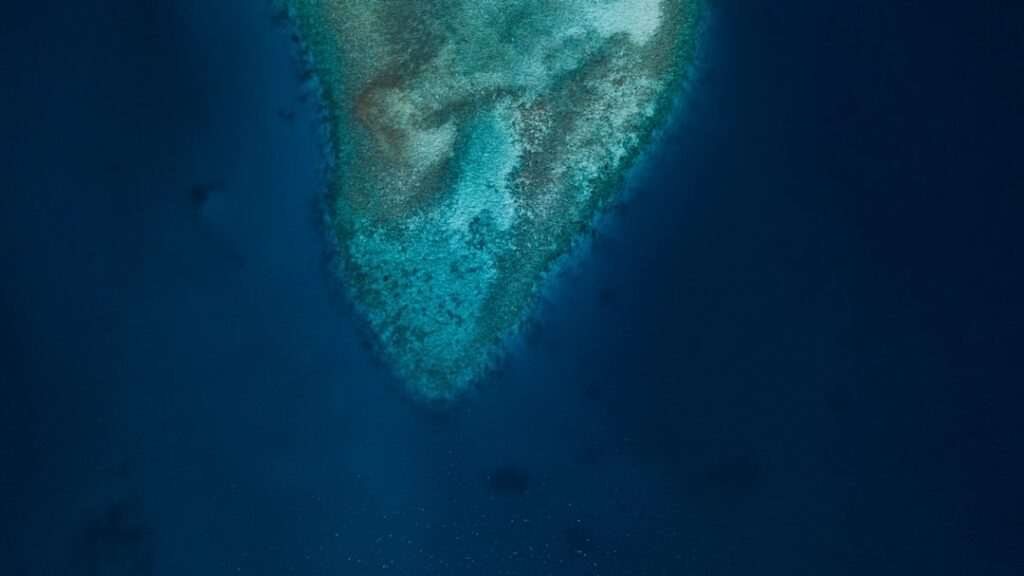
An aerial view of a body of water, Lamu Archipelago, Kenya
FAQs: Your Lamu Archipelago, Kenya Questions Answered
1. Is Lamu Archipelago, Kenya safe at night?
Yes, Lamu is generally very safe, especially within Lamu Town and Shela where community policing is strong. Stick to well-lit main streets, avoid isolated beach areas after dark, and use common sense with valuables. The archipelago has minimal crime compared to mainland Kenya.
2. What currency is used and are credit cards accepted?
Kenyan Shilling (KES) is the official currency. Carry cash as most small shops, dhow operators, and local restaurants don’t accept cards. Larger hotels and upscale restaurants take Visa/Mastercard. ATMs available in Lamu Town but can run out of cash – bring sufficient funds from mainland.
3. How do I get from the airport to the city center?
From Manda Airport, take a shared boat ($5, 10 minutes) to Lamu Town jetty. Private speedboats cost $15-20. Boats meet all scheduled flights. No road connection between islands. Book airport transfers at GetYourGuide for convenience.
4. Do I need to speak the local language?
No, English is widely spoken in tourist areas and most locals in hospitality speak it fluently. Learning basic Swahili greetings (Jambo, Asante, Habari) is appreciated and enhances interactions with residents outside main tourist zones.
5. What’s the appropriate dress code?
Conservative dress is essential – cover shoulders and knees in public areas. Lightweight cotton/linen works best in the heat. Swimwear only on beaches, not when walking through towns. Women should carry a scarf for mosque visits.
Final Thoughts: Lamu Archipelago, Kenya Awaits
The Lamu Archipelago offers one of Africa’s most authentic cultural experiences, where ancient Swahili traditions continue uninterrupted by modern development. From sailing traditional dhows at sunset to exploring centuries-old stone towns and relaxing on pristine beaches, this destination provides a rare glimpse into a living heritage. The warm hospitality, incredible seafood, and timeless atmosphere make Lamu worth the journey for travelers seeking both cultural depth and tropical paradise. Plan your visit during shoulder season for the perfect balance of good weather, manageable crowds, and reasonable prices.
Keywords
Lamu Archipelago, Kenya travel guide, Lamu Archipelago, Kenya attractions, things to do in Lamu Archipelago, Kenya, Lamu Archipelago, Kenya itinerary, Lamu Archipelago, Kenya restaurants, Lamu Archipelago, Kenya hotels, visit Lamu Archipelago, Kenya, Lamu Archipelago, Kenya tourism, Lamu Archipelago, Kenya vacation, Lamu Archipelago, Kenya trip planning

