
The Ultimate Kyoto Guide: Temples, Tea Ceremonies & Timeless Traditions
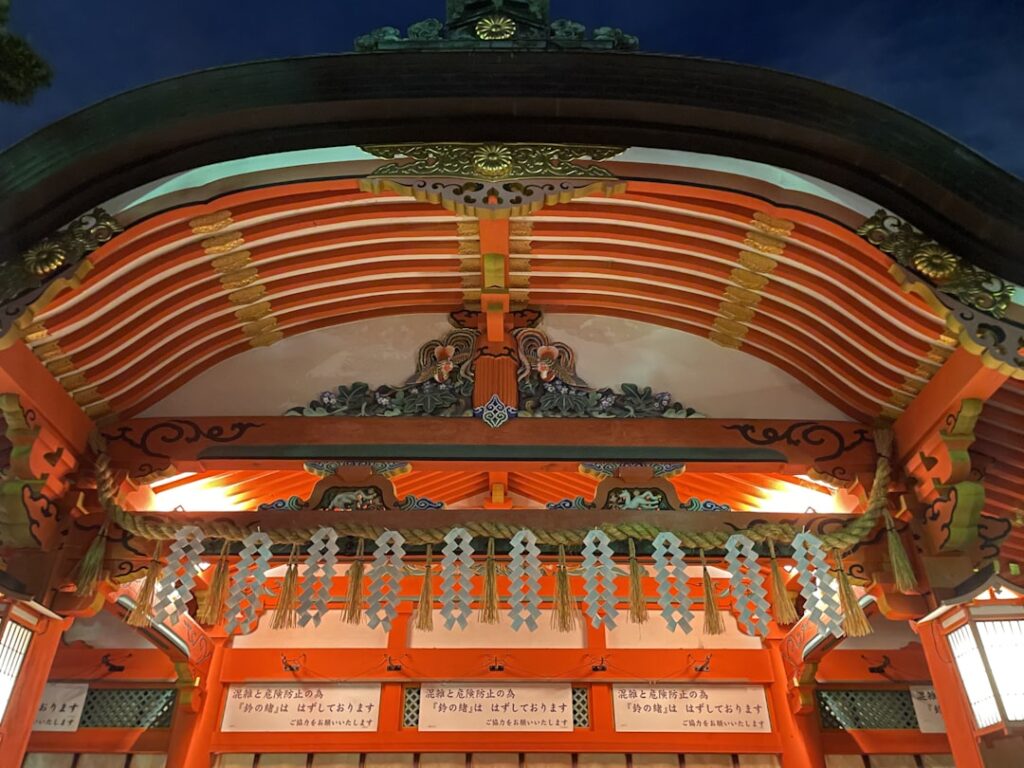
Kyoto isn’t just a destination—it’s a living museum where ancient Japan breathes. The scent of incense wafts from vermilion gates while temple bells echo through bamboo forests. This former imperial capital preserves over 1,600 Buddhist temples and 400 Shinto shrines, offering an authentic glimpse into Japan’s soul.
Why Kyoto Stands Out
- Historic Architecture: Kiyomizu-dera Temple (778 AD) features a massive wooden stage jutting over hills with panoramic city views.
- Cultural Scene: Gion Matsuri festival in July showcases elaborate floats and traditional processions dating back to 869.
- Local Specialties: Kaiseki ryori—multi-course seasonal dining that’s edible art at Michelin-starred Kikunoi.
Pro Tip: Visit temples at opening (8:30 AM) or just before closing (4:30 PM) to avoid crowds. November weekdays offer best autumn colors with fewer visitors than weekends.
Map of Kyoto
Use these interactive maps to explore Kyoto and plan your route:
📍 View Kyoto on OpenStreetMap
🗺️ Open Kyoto in Google Maps
Planning Your Trip: Practical Essentials
Getting There and Around
- By Air: Kansai International Airport (KIX) serves major airlines including ANA and JAL. Take Haruka Express train to Kyoto Station (75 minutes, ¥2,850). Book flights at Skyscanner for best deals.
- By Train: Shinkansen bullet train from Tokyo takes 2h20m (¥13,080). Reserve tickets at Trainline or the national railway website.
- By Car: Meishin Expressway connects to Osaka. Parking costs ¥300-600/hour. Compare car rentals at RentalCars.com.
- Local Transport: Kyoto City Bus一日乗車券 (one-day pass) costs ¥700. Subway starts at ¥210. Check official city transport websites for passes and schedules.
Best Time to Visit
Spring (cherry blossoms) and autumn (foliage) are peak seasons, while winter offers smaller crowds and illuminated temples.
| Season | Weather | Highlights |
|---|---|---|
| Summer (Jun–Aug) | 25-35°C, humid with rainy season in June | Gion Matsuri festival, river dining, fewer crowds but hot |
| Winter (Dec–Feb) | 0-10°C, occasional snow | Illuminated temples, hot springs, cheapest accommodation |
| Shoulder (Apr–May/Sep–Oct) | 15-25°C, mild and dry | Cherry blossoms (early Apr) or autumn colors (Nov), ideal weather |
Budgeting for Kyoto
| Category | Budget | Mid-range | Luxury |
|---|---|---|---|
| Accommodation | ¥3,000-6,000 (hostels/capsules) | ¥12,000-25,000 (business hotels/ryokan) | ¥40,000+ (traditional inns) |
| Meals | ¥1,000-2,000 (ramen/curry) | ¥3,000-6,000 (set meals) | ¥15,000+ (kaiseki) |
| Transport | ¥700 (bus pass) | ¥1,500 (taxi short trips) | ¥10,000 (private car) |
| Activities | ¥500-1,000 (temple entries) | ¥2,000-5,000 (tea ceremony) | ¥15,000 (private guide) |
| Daily Total | ¥5,200-9,700 | ¥18,500-37,500 | ¥65,000+ |
Top Attractions and Must-See Sights
| Attraction | Description | Hours | Entry Fee |
|---|---|---|---|
| Fushimi Inari Shrine | Thousands of vermilion torii gates winding up sacred mountain | 24/7 (main shrine 8:30-16:30) | Free |
| Kinkaku-ji (Golden Pavilion) | Zen temple completely covered in gold leaf, reflected in pond | 9:00-17:00 | ¥400 |
| Arashiyama Bamboo Grove | Otherworldly pathway through towering bamboo forest | 24/7 | Free |
| Kiyomizu-dera Temple | Wooden temple perched on hillside with iconic stage | 6:00-18:00 (seasonal variations) | ¥400 |
3-Day Itinerary: Kyoto’s Highlights & Hidden Gems
Day 1: Eastern Temples & Traditional Streets
- Morning: 7:30 AM arrival at Fushimi Inari to beat crowds. Climb to Yotsutsuji intersection for city views before 9 AM tourist rush.
- Afternoon: 12:00 PM Kiyomizu-dera Temple exploration followed by lunch at Okutan Kiyomizu for tofu kaiseki (¥3,500).
- Evening: 6:00 PM stroll through Gion district, possibly spot geisha. Dinner at Gion Karyo for modern kaiseki (¥12,000).
Day 2: Golden Pavilions & Bamboo Forests
- Morning: 8:30 AM entry to Kinkaku-ji (¥400) when light hits gold perfectly. Taxi to Ryoan-ji for zen garden (9:30 AM, ¥500).
- Afternoon: 12:30 PM Arashiyama bamboo grove visit followed by lunch at Shigetsu vegetarian temple cuisine (¥3,000).
- Evening: 6:30 PM private tea ceremony at Camellia Flower (¥2,500) followed by riverside dinner at Yoshikawa Tempura (¥8,000).
Day 3: Philosopher’s Path & Cultural Immersion
- Morning: Bus 100 to Ginkaku-ji (Silver Pavilion, ¥500) at 8:30 AM, then walk Philosopher’s Path during cherry blossom season.
- Afternoon: 12:30 PM Nishiki Market food tour trying takoyaki (¥500) and matcha treats. Cooking class at Cooking Sun (¥6,500).
- Evening: 7:00 PM geisha performance at Gion Corner (¥3,150) followed by final kaiseki at Kikunoi (¥25,000).
Cultural Insights & Etiquette
- Language: Basic phrases: “Arigato gozaimasu” (thank you), “Sumimasen” (excuse me). Most signs have English.
- Customs: Bow when greeting, remove shoes indoors, avoid loud conversations in public.
- Tipping: Not customary and can cause confusion. Excellent service is standard.
- Dress Code: Modest clothing for temples (cover shoulders/knees). Separate yukata provided at ryokan.
- Business Hours: Stores 10:00-20:00, temples 8:30-17:00. Many museums closed Mondays.
Where to Eat: Kyoto’s Best Bites
Kyoto’s cuisine reflects its imperial history with emphasis on seasonal ingredients, artistic presentation, and subtle flavors. Vegetarian Buddhist cuisine (shojin ryori) originated here.
Must-Try Local Specialties
- Yudofu: Silken tofu hot pots best at Okutan near Nanzen-ji Temple (¥2,500)
- Matcha desserts: Green tea parfaits at Ippodo Tea Company main store (¥1,200)
- Kaiseki ryori: Multi-course seasonal dining at Kikunoi (3 Michelin stars, ¥25,000)
Restaurant Recommendations by Budget
| Type | Restaurant | Specialty | Price Range |
|---|---|---|---|
| Budget | Honke Daiichi-Asahi (Gion) | Pork ramen in rich broth | ¥900-1,200 |
| Mid-range | Nishiki Warai (Nishiki Market) | Okonomiyaki savory pancakes | ¥1,500-2,500 |
| Fine dining | Hyotei (near Nanzen-ji) | 400-year-old kaiseki tradition | ¥25,000-40,000 |
Where to Stay
Stay in central areas like Gion for traditional atmosphere, or near Kyoto Station for convenience. Ryokan (traditional inns) offer cultural immersion. Compare prices and book at Booking.com or Airbnb for apartments.
Best Neighborhoods for Accommodation
- Gion/Higashiyama: Traditional wooden machiya houses, geisha sightings, walkable to temples—perfect for culture seekers
- Central Kyoto: Near Nishiki Market, good transport links, mix of modern and traditional—ideal for foodies
- Arashiyama: Scenic riverside location, bamboo forest access, quieter—best for nature lovers
FAQs: Your Kyoto Questions Answered
1. Is Kyoto safe at night?
Extremely safe. Well-lit streets and low crime rates. Women can comfortably walk alone. Take normal precautions with valuables.
2. What currency is used and are credit cards accepted?
Japanese Yen (¥). Credit cards accepted at hotels and larger restaurants, but carry cash for temples, markets, and small shops. 7-Eleven ATMs accept foreign cards.
3. How do I get from the airport to the city center?
Haruka Express train from Kansai Airport to Kyoto Station takes 75 minutes (¥2,850). Limousine buses take 90 minutes (¥2,550). Book airport transfers at GetYourGuide for convenience.
4. Do I need to speak the local language?
Not essential. Most signs have English, and translation apps work well. Learn basic phrases like “sumimasen” (excuse me) and “arigato” (thank you).
5. What’s the appropriate dress code?
Modest clothing for temples (cover shoulders and knees). Comfortable walking shoes essential. Seasonal layers—hot summers, cold winters. Yukata provided at ryokan.
Final Thoughts: Kyoto Awaits
Kyoto offers more than sightseeing—it provides cultural immersion into Japan’s living traditions. From participating in 400-year-old tea ceremonies to walking paths once trod by emperors, every moment connects you to centuries of history. Plan ahead for temple openings and meal reservations, but leave room for spontaneous discoveries down hidden alleyways. This city rewards those who approach it with respect and curiosity, revealing its secrets gradually like the unfolding of a fine kaiseki meal.
Keywords
Kyoto travel guide, Kyoto attractions, things to do in Kyoto, Kyoto itinerary, Kyoto restaurants, Kyoto hotels, visit Kyoto, Kyoto tourism, Kyoto vacation, Kyoto trip planning

