
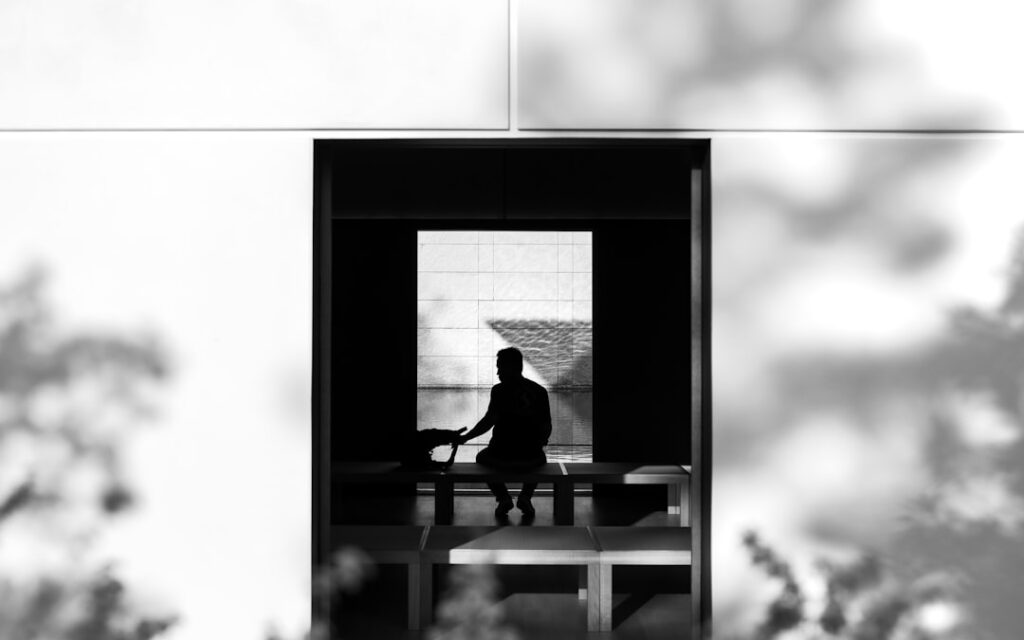
The Ultimate Kanazawa, Japan Guide: Samurai Districts, Gold Leaf & Garden Perfection
Kanazawa, Japan isn’t just a destination—it’s a living museum where Edo-period Japan breathes. The scent of fresh gold leaf mingles with cherry blossoms as you wander past samurai houses where wooden lattices cast intricate shadows on stone lanes. This city preserves traditional arts and architecture with an authenticity found nowhere else in modern Japan.
Why Kanazawa, Japan Stands Out

Black wooden door, Kanazawa, Japan
- Historic Architecture: Kenrokuen Garden (1676), considered one of Japan’s three most beautiful landscape gardens, features seasonal perfection with 8,000 trees and Japan’s oldest fountain.
- Cultural Scene: The Higashi Chaya District’s evening geisha performances offer rare glimpses into Japan’s traditional entertainment culture in authentic tea houses.
- Local Specialties: Gold leaf ice cream at Hakuichi main store features edible gold leaf so thin it dissolves on your tongue, a unique Kanazawa luxury.
Pro Tip: Visit Kenrokuen Garden at 7 AM when it opens to experience the morning light through ancient pines with only locals for company, then head to Omicho Market at 9 AM before tourist crowds arrive—the fishmongers are most animated during morning hours.
Map of Kanazawa, Japan
Use these interactive maps to explore Kanazawa, Japan and plan your route:
📍 View Kanazawa, Japan on OpenStreetMap
🗺️ Open Kanazawa, Japan in Google Maps
Planning Your Trip: Practical Essentials
Getting There and Around
- By Air: Komatsu Airport (KMQ) serves Kanazawa with ANA and JAL flights from Tokyo, Seoul, and Taipei. Take the airport limousine bus (45 minutes, ¥1,200) directly to Kanazawa Station. Book flights at Skyscanner for best deals.
- By Train: The Hokuriku Shinkansen connects Tokyo to Kanazawa in 2.5 hours (¥14,500). Thunderbird limited express from Kyoto takes 2.25 hours (¥7,000). Reserve tickets at Trainline or the national railway website.
- By Car: Driving from Tokyo via Hokuriku Expressway takes 5-6 hours. Rental cars available at Komatsu Airport from ¥6,000/day. Compare car rentals at RentalCars.com.
- Local Transport: Kanazawa Loop Bus (¥200 per ride or ¥600 day pass) covers all major attractions. Bicycle rentals available at Kanazawa Station (¥500/3 hours). Check official city transport websites for passes and schedules.
Best Time to Visit
Kanazawa shines in spring and autumn when gardens peak and crowds are manageable. Summer offers festivals but higher humidity, while winter provides stunning snow scenes with fewer visitors.
| Season | Weather | Highlights |
|---|---|---|
| Summer (Jun–Aug) | 20-30°C, humid with rainy season in June | Hyakumangoku Festival (early June), fewer crowds than spring, lush gardens |
| Winter (Dec–Feb) | 0-8°C, heavy snowfall in January | Snow-covered Kenrokuen with yukizuri rope protections, hot springs, lowest hotel rates |
| Shoulder (Apr–May/Sep–Oct) | 15-22°C, mild with clear skies | Cherry blossoms (early Apr) or autumn colors (Nov), perfect garden viewing conditions |
Budgeting for Kanazawa, Japan

A bamboo tree in front of a row of buildings, Kanazawa, Japan
| Category | Budget | Mid-range | Luxury |
|---|---|---|---|
| Accommodation | ¥4,000-7,000 (hostels/business hotels) | ¥12,000-20,000 (ryokans/boutique hotels) | ¥30,000+ (luxury ryokans like Hotel Dormy Inn) |
| Meals | ¥800-1,500 (ramen/curry shops) | ¥2,500-4,000 (restaurant set meals) | ¥8,000+ (kaiseki dining with gold leaf) |
| Transport | ¥600 (bus day pass) | ¥2,000 (taxis between districts) | ¥10,000 (private car with driver) |
| Activities | ¥0-1,000 (gardens/museums) | ¥2,000-4,000 (gold leaf workshops) | ¥8,000+ (private geisha performances) |
| Daily Total | ¥5,400-10,100 | ¥18,500-30,000 | ¥48,000+ |
Top Attractions and Must-See Sights
| Attraction | Description | Hours | Entry Fee |
|---|---|---|---|
| Kenrokuen Garden | One of Japan’s three great gardens with stunning seasonal landscapes and traditional tea houses | 7:00-18:00 (8:00-17:00 Oct-Feb) | ¥320 |
| Kanazawa Castle Park | Impressive reconstructed castle showcasing traditional wooden architecture and samurai history | 9:00-16:30 (until 18:00 Apr-Sep) | ¥320 |
| Higashi Chaya District | Preserved geisha district with authentic tea houses, gold leaf shops, and evening entertainment | Shops 9:00-18:00, varies by venue | Free (performances ¥2,500+) |
| 21st Century Museum of Contemporary Art | Innovative circular museum featuring Leandro Erlich’s “Swimming Pool” installation | 10:00-18:00 (Fri-Sat until 20:00) | ¥450 for special exhibitions |
3-Day Itinerary: Kanazawa, Japan’s Highlights & Hidden Gems
Day 1: Samurai Legacy & Castle Grandeur
- Morning: 7:00 AM entry at Kenrokuen Garden to photograph morning light on Kasumigaike Pond without crowds. Watch the gardeners meticulously maintain the ancient pines.
- Afternoon: 12:00 PM exploration of Kanazawa Castle Park followed by lunch at Curio Espresso and Vintage (¥1,200) for Japanese-Western fusion sandwiches. Visit Nagamachi Samurai District to see Nomura-ke samurai house (¥550) with exquisite interior gardens.
- Evening: 6:00 PM gold leaf crafting workshop at Gold Leaf Sakuda (¥2,200) then dinner at Otome Sushi (¥3,500) in Katamachi for exceptional local seafood.
Day 2: Geisha Culture & Artisan Crafts
- Morning: 8:30 AM visit to Omicho Market for fresh seafood breakfast at Iki Iki Tei (¥1,800) – try the snow crab in winter. Watch auction action in the fish stalls.
- Afternoon: 1:00 PM exploration of Higashi Chaya District, visiting the Shima Geisha House museum (¥500) and gold leaf specialty shops. Stop at Hakuichi main store for gold leaf soft serve (¥900).
- Evening: 6:30 PM kaiseki dinner at Zeniya (¥12,000) featuring gold leaf-enhanced traditional multi-course cuisine, then stroll through illuminated chaya districts.
Day 3: Modern Art & Local Flavors
- Morning: 9:00 AM bus to 21st Century Museum of Contemporary Art (¥200 bus fare) to experience the famous “Swimming Pool” installation and rotating contemporary exhibitions.
- Afternoon: 1:00 PM Japanese sweets making class at Morihirokan (¥3,500) using local ingredients, followed by lunch at Miyoshian (¥2,800) for authentic soba noodles within Kenrokuen Garden.
- Evening: 6:00 PM final shopping in Katamachi district for crafts, then farewell dinner at Menya Taiga (¥1,200) for exceptional gold leaf ramen.
Cultural Insights & Etiquette
- Language: Learn “sumimasen” (excuse me), “arigato gozaimasu” (thank you), and “kore kudasai” (this please). Most signs have English, but basic Japanese phrases are appreciated.
- Customs: Remove shoes when entering traditional buildings, ryokans, and some restaurants. Bow slightly when greeting. Avoid eating while walking.
- Tipping: Not practiced in Japan. Exceptional service is included in prices. Leaving money can cause confusion.
- Dress Code: Modest clothing for temples. Bring slip-on shoes for easy removal. Pack layers for variable weather.
- Business Hours: Stores 10:00-20:00, attractions 9:00-17:00, restaurants 11:00-14:00 & 17:00-22:00. Many museums close Mondays.
Where to Eat: Kanazawa, Japan’s Best Bites
Kanazawa’s cuisine reflects its coastal location and historical wealth, with fresh seafood, gold leaf specialties, and traditional sweets. The city boasts over 100 restaurants with centuries-old recipes.
Must-Try Local Specialties
- Kaisen Don: Fresh seafood bowl featuring sweet shrimp, salmon roe, and sea urchin from Japan Sea. Best at Omicho Market stalls like Iki Iki Tei.
- Gold Leaf Everything: From ice cream to coffee and sushi, edible gold leaf appears in surprising places. Hakuichi offers the most authentic gold leaf products.
- Jibuni: Kanazawa’s signature duck or chicken stew with wheat gluten and vegetables in dashi broth. Try at traditional restaurants like Zeniya.
Restaurant Recommendations by Budget
| Type | Restaurant | Specialty | Price Range |
|---|---|---|---|
| Budget | Menya Taiga (Katamachi) | Gold leaf ramen with rich chicken broth | ¥800-1,200 |
| Mid-range | Otome Sushi (Near Omicho Market) | Omakase sushi using market-fresh fish | ¥2,500-4,000 |
| Fine dining | Zeniya (Higashiyama) | Traditional kaiseki with gold leaf courses | ¥10,000-15,000 |
Where to Stay
Kanazawa offers diverse accommodations from traditional ryokans to modern hotels. Staying near the station provides convenience, while Higashiyama offers atmospheric traditional lodging. Compare prices and book at Booking.com or Airbnb for apartments.
Best Neighborhoods for Accommodation
- Kanazawa Station Area: Modern hotels with excellent transport links, suited for first-time visitors wanting convenience
- Higashiyama District: Traditional ryokans and machiya townhouses, perfect for cultural immersion but pricier
- Katamachi Area: Lively entertainment district with mid-range business hotels, ideal for nightlife and dining

A lush green park with lots of trees, Kanazawa, Japan
FAQs: Your Kanazawa, Japan Questions Answered
1. Is Kanazawa, Japan safe at night?
Extremely safe. Kanazawa has very low crime rates, and walking at night presents minimal risk. Well-lit streets and respectful locals make evening exploration comfortable. Standard precautions with valuables still recommended.
2. What currency is used and are credit cards accepted?
Japanese Yen (JPY). Credit cards accepted at hotels, department stores, and higher-end restaurants, but carry ¥10,000-20,000 cash for markets, small shops, temples, and buses. 7-Eleven ATMs accept foreign cards.
3. How do I get from the airport to the city center?
Komatsu Airport limousine bus takes 45 minutes to Kanazawa Station (¥1,200). Taxis cost ¥15,000 (45 minutes). Trains require transfer at Komatsu Station (60 minutes total, ¥1,100). Book airport transfers at GetYourGuide for convenience.
4. Do I need to speak the local language?
Not essential. Most signs have English translations, and major attractions have English materials. Learn basic phrases like “sumimasen” (excuse me) and “arigato” (thank you) for better interactions. Younger Japanese often know basic English.
5. What’s the appropriate dress code?
Modest, comfortable clothing suitable for temple visits. Remove shoes frequently, so slip-ons help. Pack layers – coastal weather changes quickly. No specific religious covering requirements, but avoid revealing clothing in traditional areas.
Final Thoughts: Kanazawa, Japan Awaits
Kanazawa offers a rare opportunity to experience traditional Japan without the overwhelming crowds of Kyoto. From the perfection of Kenrokuen Garden to the atmospheric chaya districts and incredible seafood, this city delivers authentic cultural experiences alongside modern comforts. The careful preservation of samurai heritage, geisha culture, and artisan crafts creates a destination that feels both historical and vibrantly alive. For travelers seeking Japan’s cultural heart with accessibility and authenticity, Kanazawa represents an unmissable destination that will leave lasting memories of beauty, tradition, and exquisite attention to detail.
Keywords
Kanazawa, Japan travel guide, Kanazawa, Japan attractions, things to do in Kanazawa, Japan, Kanazawa, Japan itinerary, Kanazawa, Japan restaurants, Kanazawa, Japan hotels, visit Kanazawa, Japan, Kanazawa, Japan tourism, Kanazawa, Japan vacation, Kanazawa, Japan trip planning

