
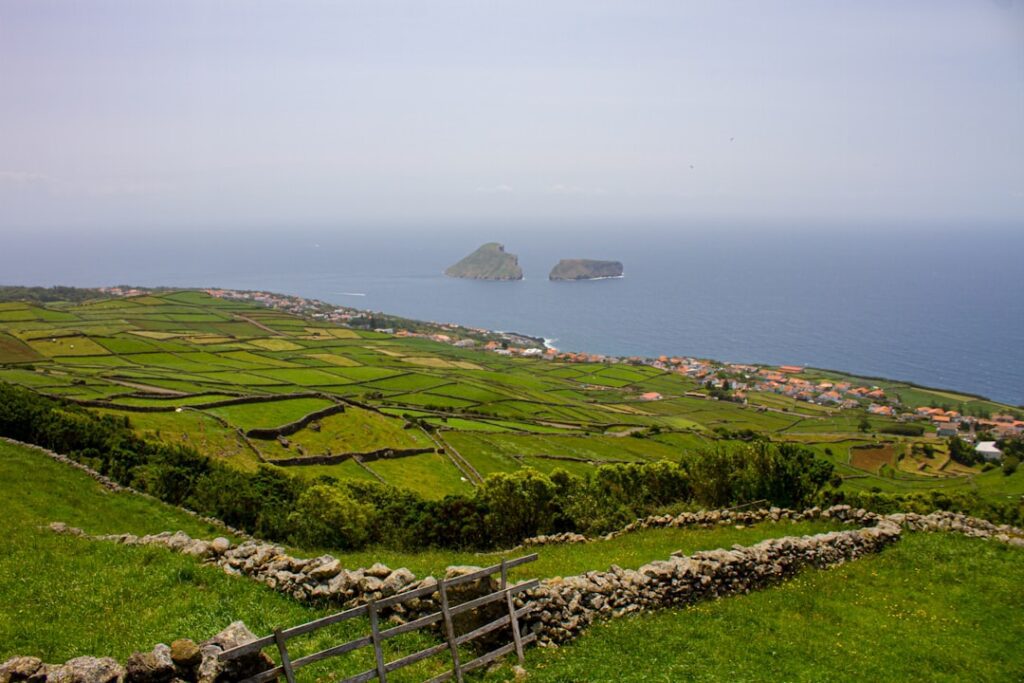
Terceira Island, Portugal: Ultimate Volcanic Lakes, Bull-Running Streets & UNESCO Heritage (2025)
While crowds flock to São Miguel for its famous hot springs, Terceira Island, Portugal delivers a more intimate, culturally charged Azorean experience without the tour buses. Here, the Atlantic’s power is felt in the emerald crater lakes of Serra de Santa Bárbara and the thunder of hooves during a unique city bull-run. Savvy travelers choose differently, discovering an island where 16th-century UNESCO cities meet vibrant local traditions, all wrapped in a landscape forged by fire.
Why Terceira Island, Portugal Stands Out

A lone tree sitting on top of a pile of rocks, Terceira Island, Portugal
- Historic Architecture: Angra do Heroísmo’s 16th-century center, a UNESCO World Heritage site since 1983, is a perfectly preserved Renaissance port city laid out on a grid system revolutionary for its time.
- Cultural Scene: The unique *Touradas à Corda* (bullfights on a rope), where bulls run through village streets held by a long rope, creating a thrilling, community-centered spectacle from May to October.
- Local Specialties: *Alcatra*, a rich, slow-cooked beef stew marinated in wine, garlic, and spices, traditionally baked in a clay pot and served with sweet, dense *massa sovada* bread.
Pro Tip: For the perfect balance of good weather, cultural events, and manageable crowds, target the shoulder months of late May or September. You’ll catch the *Touradas à Corda* season, enjoy warm days (20-24°C), and have the island’s natural wonders largely to yourself before the summer peak or after it subsides.
Map of Terceira Island, Portugal
Use these interactive maps to explore Terceira Island, Portugal and plan your route:
📍 View Terceira Island, Portugal on OpenStreetMap
🗺️ Open Terceira Island, Portugal in Google Maps
Planning Your Trip: Practical Essentials
Getting There and Around
- By Air: Fly into Lajes Airport (TER), served by SATA Air Açores and Azores Airlines from Lisbon, Porto, other Azores islands, and seasonal transatlantic flights. A taxi to Angra takes 15 minutes (approx. €15). Book flights at Skyscanner for best deals.
- By Train: No train service exists on the island or between Azorean islands. Inter-island travel is by plane or ferry. For exploring mainland Portugal before or after, reserve tickets at Trainline or the national railway website.
- By Car: Renting a car is highly recommended to explore volcanic sites and coastal villages. The island is small (400 sq km) with good roads. Rentals start at €30/day. Compare car rentals at RentalCars.com.
- Local Transport: Public buses (UTC) connect main towns but schedules are infrequent for deep exploration. Taxis are available. For true freedom, your own wheels are your best bet.
Best Time to Visit
Terceira enjoys a mild, maritime climate year-round, but the experience shifts dramatically with the seasons. Summer brings festivals and warmth, while winter offers storm-watching drama and cozy tavernas.
| Season | Weather | Highlights |
|---|---|---|
| Summer (Jun–Aug) | Sunny, 20-25°C, low rainfall | Peak of *Touradas à Corda*, São João festivals (June), ideal for hiking and swimming, but also peak tourist numbers. |
| Winter (Dec–Feb) | 10-15°C, rainy & windy, dramatic seas | Authentic local life, lush green landscapes, lower prices. Some attractions have reduced hours. Not for beach-goers. |
| Shoulder (Apr–May/Sep–Oct) | 15-22°C, pleasant mix of sun and showers | The sweet spot. Wildflowers bloom (spring) or harvest festivals occur (fall). Fewer crowds, comfortable for all activities. |
Budgeting for Terceira Island, Portugal

An aerial view of a grassy field with sheep, Terceira Island, Portugal
| Category | Budget | Mid-range | Luxury |
|---|---|---|---|
| Accommodation | €40-€60 (guesthouse/ hostel) | €80-€130 (3-4 star hotel or nice apartment) | €200+ (boutique hotel or manor house) |
| Meals | €15-€25 (tasca lunch, self-catering) | €30-€50 (restaurant dinners with wine) | €70+ (fine dining tasting menus) |
| Transport | €5-€10 (public bus day pass) | €30-€40 (daily car rental + fuel) | €60+ (private driver/tours) |
| Activities | €0-€20 (hiking, free festivals, church visits) | €25-€50 (museum entries, guided volcano tours) | €80+ (private boat tours, bespoke experiences) |
| Daily Total | €60-€115 | €135-€260 | €400+ |
Top Attractions and Must-See Sights
| Attraction | Description | Hours | Entry Fee |
|---|---|---|---|
| Monte Brasil | A stunning volcanic peninsula and nature reserve with historic forts, offering panoramic views over Angra do Heroísmo. | Always open (forts: 10am-5pm) | Free (Forts: €2) |
| Algar do Carvão | Descend 100m into an ancient volcanic vent to see a breathtaking underground lake and spectacular silicate stalactites. | 1pm-5pm (Summer extended) | €10 |
| Serra de Santa Bárbara | The island’s highest point (1021m) and a dormant volcano, with a crater lake and trails through endemic *cedro-do-mato* forests. | Always open (Visitor Center 9am-5:30pm) | Free |
| Museu de Angra do Heroísmo | Housed in a 17th-century Franciscan convent, this museum chronicles Azorean history from discovery to modern times. | 10am-5:30pm (Closed Mon) | €3 |
3-Day Itinerary: Terceira Island, Portugal’s Highlights & Hidden Gems
Day 1: Historic Heart & Volcanic Vistas
- Morning (9 AM): Start with a walking tour of Angra do Heroísmo’s UNESCO center. Climb the **Sé Cathedral** bell tower (€2) for a classic red-roof view. Stroll the **Jardim Duque da Terceira** botanical garden.
- Afternoon (1 PM): Lunch at **Tasca das Tias** for authentic *polvo guisado* (stewed octopus). Then, drive to **Monte Brasil**. Hike the perimeter trail (1.5 hours) past the **Forte de São João Baptista**.
- Evening (7 PM): Enjoy sunset drinks at **Bar do Pico** overlooking the harbor. For dinner, savor *Alcatra* at the legendary **Beira Mar** restaurant in São Mateus fishing village.
Day 2: Underground Wonders & Coastal Drama
- Morning (10 AM): Drive inland to **Algar do Carvão** (€10). Be there for the 11 AM opening to avoid crowds as you descend into the volcanic chimney. Then, visit the nearby **Furnas do Enxofre** to see steaming fumaroles.
- Afternoon (1:30 PM): Picnic lunch with local cheese and bread from a *mercearia* at **Lagoa das Patas**. Afterwards, head to the north coast for the dramatic sea cliffs and natural swimming pools at **Biscoitos**. Swim in the volcanic rock pools if weather permits.
- Evening (7 PM): Return to Angra. Dine at **A Caneca**, a cozy spot for fresh fish. Check local posters for a *Tourada à Corda*; if one is on, join the locals in a safe viewing spot (usually starts around 5 PM in villages).
Day 3: Mountain Peaks & Cultural Crafts
- Morning (9 AM): Drive the scenic road to **Serra de Santa Bárbara**. Visit the **Visitor Center**, then hike the short trail around the misty crater lake. The views over the central caldera are unforgettable.
- Afternoon (12:30 PM): Drive to the village of **São Sebastião** for lunch at **O Chico** (try the *cracas* – barnacles). Visit the 15th-century **Igreja de São Sebastião**, famed for its Gothic portal and rare Flemish paintings.
- Evening (5 PM): On your way back, stop at **Queijo Vaquinha** for a cheese-tasting of local *Queijo da Ilha*. For a final farewell dinner, book a table at **Terceira Mar** in Angra for exceptional seafood with a modern twist.
Cultural Insights & Etiquette
- Language: Portuguese is official. In tourist areas, English is understood. Learn basics: *Bom dia* (Good morning), *Obrigado/a* (Thank you), *Por favor* (Please). Locals appreciate the effort.
- Customs: The *Touradas à Corda* are community events, not tourist shows. Respect barriers, follow local guidance on safety, and understand it’s a deep-rooted tradition, not a criticism of animal welfare to locals.
- Tipping: Not obligatory but appreciated. Round up the bill in taxis. In restaurants, 5-10% for good service is a generous gesture.
- Dress Code: Casual but modest when visiting churches (cover shoulders/knees). Pack layers and waterproof gear regardless of season—weather changes rapidly.
- Business Hours: Shops: 9am-1pm, 3pm-7pm (Mon-Fri). Closed Sunday afternoons. Many restaurants close Monday nights. Major holidays (like Santo Cristo festivals) can shut everything down for local celebration.
Where to Eat: Terceira Island, Portugal’s Best Bites
Azorean cuisine is hearty, seafood-focused, and deeply comforting. On Terceira, the volcanic soil enriches dairy and beef, leading to exceptional cheese and the iconic *Alcatra*. Don’t just eat in Angra; venture to village *tascas* (taverns) for the most authentic meals where the daily catch dictates the menu.
Must-Try Local Specialties
- Alcatra: The island’s signature dish. Beef marinated for days, slow-baked in clay pots. Best tried at family-style restaurants like **Ti Choa** in Vila Nova or **Beira Mar** in São Mateus.
- Cozido das Furnas: While more famous on São Miguel, some Terceira restaurants offer their own version of this meat and vegetable stew slow-cooked using volcanic earth heat.
- Queijo da Ilha: A semi-hard, slightly spicy cow’s milk cheese. Visit a local producer like **Queijo Vaquinha** for tasting and to buy directly.
Restaurant Recommendations by Budget
| Type | Restaurant | Specialty | Price Range |
|---|---|---|---|
| Budget | Adega Lusitania (Angra) | Hearty *tasca* plates, grilled chouriço, local wine by the jug. | €10-€20 |
| Mid-range | O Pescador (São Mateus) | Incredibly fresh fish and seafood, right on the harbor. The *lapas* (limpets) are a must. | €25-€40 |
| Fine dining | Bar do Fundo (Angra) | Creative Azorean cuisine with a contemporary flair and excellent wine pairings in a chic setting. | €50+ |
Where to Stay
Accommodation ranges from historic manor houses (*solares*) to modern apartments. Staying in Angra do Heroísmo offers walkable convenience, while rural quintas (farmhouses) provide serene immersion. Compare prices and book at Booking.com or Airbnb for apartments.
Best Neighborhoods for Accommodation
- Angra do Heroísmo (Historic Center): Ideal for first-timers. You’re steps from restaurants, shops, and sights. Can be livelier in the evenings. Perfect for those without a car for a day or two.
- Rural Inland (e.g., near Serra de Santa Bárbara): Peaceful quintas and country houses surrounded by nature. Requires a car but offers stunning views and total tranquility. Great for hikers and nature lovers.
- North Coast (e.g., Biscoitos, Praia da Vitória): Close to natural swimming pools and a more local vibe. Praia da Vitória has a long sandy beach and a charming, less-touristy seafront promenade.
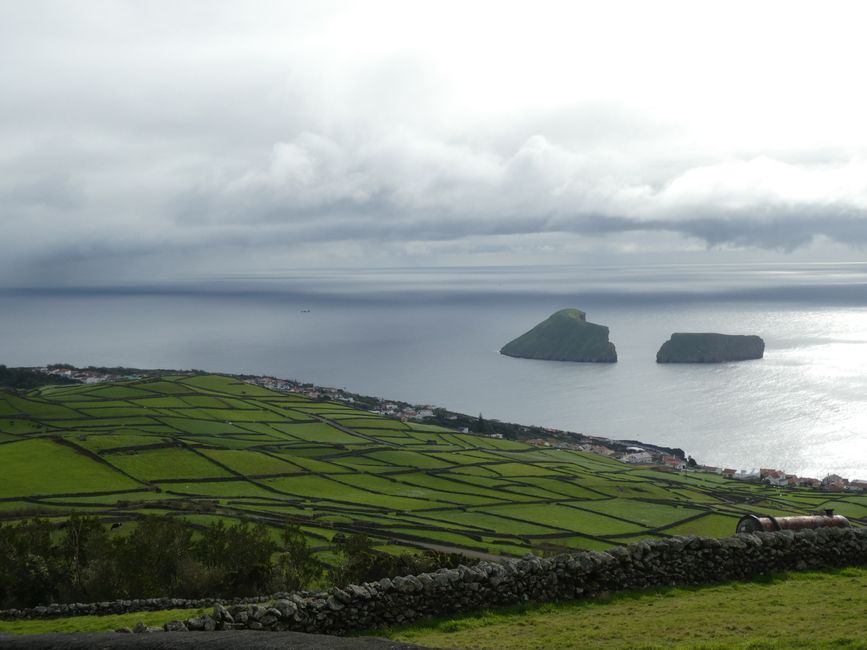
Dramatic seascape with green fields and cloudy sky in an island setting., Terceira Island, Portugal
FAQs: Your Terceira Island, Portugal Questions Answered
1. Is Terceira Island, Portugal safe at night?
Extremely safe. Violent crime is very rare. Standard precautions apply: be aware of your surroundings in unlit areas, but the overall atmosphere is one of remarkable security. The main concern for drivers at night might be cows or fog on rural roads.
2. What currency is used and are credit cards accepted?
The Euro (€) is the currency. Credit/debit cards (Visa, Mastercard) are widely accepted in hotels, restaurants, and shops in towns. However, in remote villages, at small *tascas*, or for entry to some natural sites, cash is king. Always carry some euros.
3. How do I get from the airport to the city center?
Lajes Airport (TER) is a 15-minute drive from Angra. The most convenient options are a taxi (fixed fare approx. €15 to Angra) or a pre-booked rental car. Public bus service is very limited. Book airport transfers at GetYourGuide for convenience.
4. Do I need to speak the local language?
No, but it helps. In tourism-related businesses, English is commonly spoken. In rural areas and older generations, Portuguese prevails. Learning a few basic phrases will greatly enhance your interactions and is warmly received by locals.
5. What’s the appropriate dress code?
Think practical and layered. Waterproof jacket and sturdy shoes are essential for exploring volcanic sites and

