
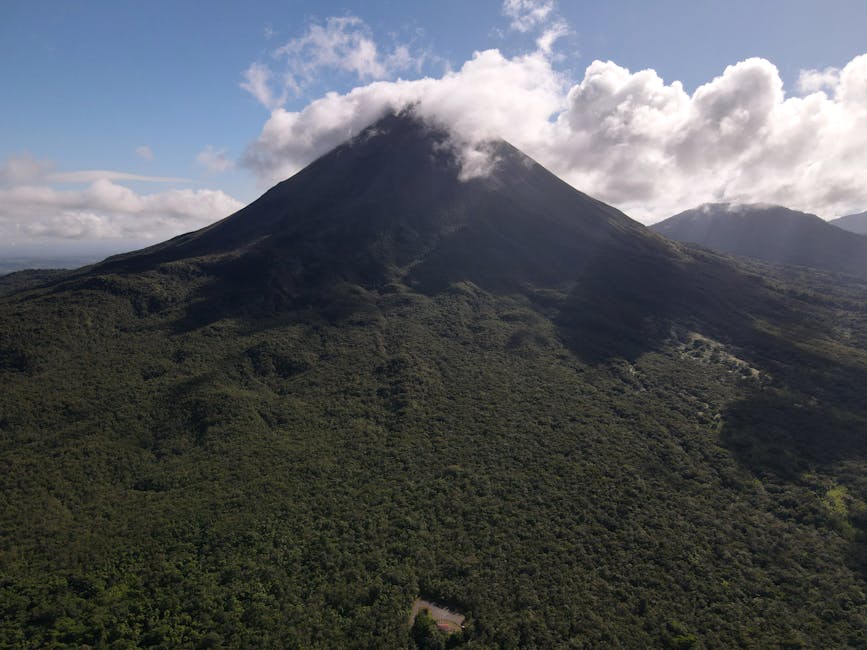
Tenorio Volcano National Park, Costa Rica: Stunning Waterfalls, Wildlife & Volcanic Wonder (2026)
While crowds flock to the more accessible Arenal Volcano, Tenorio Volcano National Park delivers a raw, untamed slice of Costa Rican wilderness with a fraction of the visitors. Here, the Río Celeste isn’t just a river; it’s a scientific marvel where two mineral-rich streams converge, creating a turquoise so vivid it seems digitally enhanced. Your hike is soundtracked by howler monkeys and the rush of hidden waterfalls, offering an immersive experience where nature, not tourism infrastructure, takes center stage.
Why Tenorio Volcano National Park, Costa Rica Stands Out
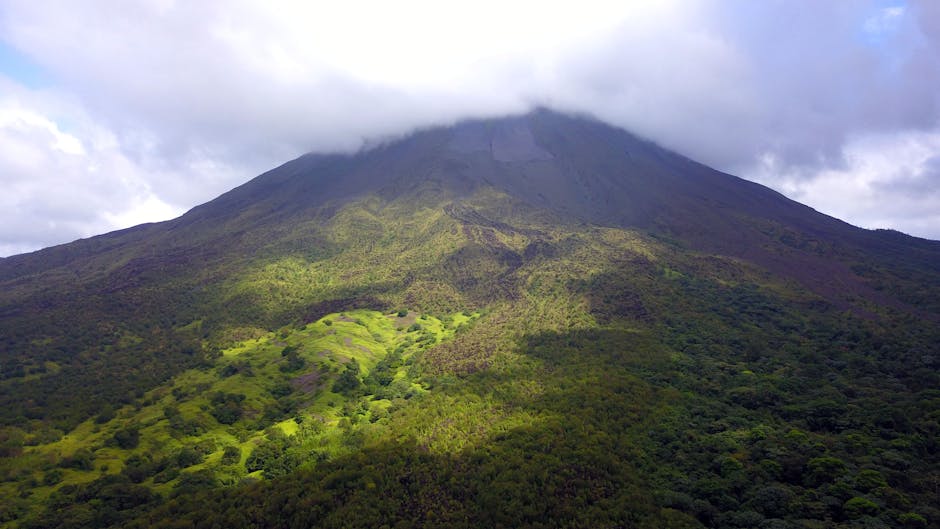
A stunning view of Arenal Volcano surrounded by lush greenery in Costa Rica., Tenorio Volcano National Park, Costa Rica
- Historic Architecture: While not man-made, the park’s centerpiece, the Río Celeste Waterfall, is a 90-foot natural monument formed by volcanic activity, its iconic blue hue a result of a unique optical phenomenon involving aluminosilicate particles.
- Cultural Scene: The park is part of the Área de Conservación Arenal Tempisque (ACAT), a model of community-involved conservation where local “campesino” culture is intertwined with protecting this biological corridor.
- Local Specialties: After your hike, you must try a “casado” at a nearby “soda,” a hearty local lunch plate of rice, beans, plantains, salad, and your choice of protein, often fresh-caught tilapia.
Pro Tip: Arrive at the park entrance by 7:30 AM when it opens. You’ll have the trails largely to yourself for the first two hours, dramatically increasing your chances of spotting wildlife like sloths and toucans, and you’ll beat both the midday heat and the tour bus groups that typically arrive after 10 AM.
Map of Tenorio Volcano National Park, Costa Rica
Use these interactive maps to explore Tenorio Volcano National Park, Costa Rica and plan your route:
📍 View Tenorio Volcano National Park, Costa Rica on OpenStreetMap
🗺️ Open Tenorio Volcano National Park, Costa Rica in Google Maps
Planning Your Trip: Practical Essentials
Getting There and Around
- By Air: The nearest international airports are Liberia (LIR), 2 hours away, and San José (SJO), about 3.5 hours. Book flights at Skyscanner for best deals. From either, you’ll need a rental car or private transfer.
- By Train: Costa Rica’s passenger train network does not service this remote region. The primary means of access is by road.
- By Car: A 4×4 vehicle is highly recommended, especially in the rainy season. The main access is via Route 6, turning onto a well-signed but rugged road to the park entrance. Compare car rentals at RentalCars.com.
- Local Transport: Public buses run from towns like Bijagua or Cañas to near the park, but schedules are infrequent. Your best bet for flexibility is a rental car or booking a guided tour that includes transportation from major hubs like La Fortuna or Liberia.
Best Time to Visit
The park is open year-round, but your experience is heavily influenced by the season. The dry season (December to April) offers more reliable trail conditions and clearer views, while the green season (May to November) brings lush foliage, fuller waterfalls, and fewer visitors, though you risk afternoon downpours.
| Season | Weather | Highlights |
|---|---|---|
| Dry Season (Dec–Apr) | Sunny, hot days (75-85°F), low chance of rain. Mornings can be cool. | Ideal hiking conditions, the river’s blue color is most pronounced, highest chance of clear skies for photos. Expect peak crowds, especially December-March. |
| Green Season (May–Nov) | Warm, humid (70-80°F) with frequent afternoon showers, heaviest Sept-Oct. | Explosive greenery, powerful waterfalls, dramatic skies, and significantly fewer tourists. Trails can be muddy and the river’s color may be diluted after heavy rain. |
| Shoulder (May/Jun & Nov) | Transitional weather; mornings often sunny with rain developing later. | A sweet spot with decent weather, manageable crowds, and vibrant landscapes. November is particularly lovely as the rains taper off. |
Budgeting for Tenorio Volcano National Park, Costa Rica

A breathtaking aerial view of the Poás Volcano crater in Costa Rica surroun…, Tenorio Volcano National Park, Costa Rica
| Category | Budget | Mid-range | Luxury |
|---|---|---|---|
| Accommodation | $15-30 (hostel/homestay in Bijagua) | $80-150 (comfortable lodge or B&B) | $200+ (eco-lodge with premium amenities) |
| Meals | $5-10 (sodas, self-catering) | $15-25 (restaurant meals) | $40+ (fine dining at luxury lodges) |
| Transport | $5-10 (public bus segments) | $50-80 (daily 4×4 rental) | $100+ (private driver/transfer) |
| Activities | $12 (park entry only) | $65-90 (guided park tour) | $120+ (private guided hike + other tours) |
| Daily Total | $40-60 | $150-250 | $400+ |
Top Attractions and Must-See Sights
| Attraction | Description | Hours | Entry Fee |
|---|---|---|---|
| Río Celeste Waterfall | The park’s iconic 90-foot cascade, where bright turquoise water plunges into a serene pool—the ultimate photo op. | Park hours: 8 AM – 4 PM (last entry 2 PM) | $12 USD for foreigners |
| Los Teñideros (“The Dyer”) | The magical site where two clear streams merge, causing a chemical reaction that turns the river a brilliant sky-blue. | Accessible via main trail during park hours | Included in park fee |
| Mirador Río Celeste | A scenic overlook offering a breathtaking panoramic view of the vibrant river winding through the dense rainforest canopy. | Accessible via main trail during park hours | Included in park fee |
| Borbollones & Laguna Azul | Areas of bubbling hot springs and a tranquil, strikingly blue lagoon, showcasing the park’s active volcanic hydrology. | Accessible via main trail during park hours | Included in park fee |
3-Day Itinerary: Tenorio Volcano National Park, Costa Rica’s Highlights & Hidden Gems
Day 1: Arrival & Immersion in Bijagua
- Morning: Arrive in the quaint town of Bijagua de Upala, the gateway to the park. Check into your accommodation and grab a Costa Rican coffee at Café y Macadamia to fuel up.
- Afternoon: Take an easy acclimatization hike at the privately-owned Heliconias Rainforest Lodge, walking their suspension bridges for a bird’s-eye view of the canopy (approx. $25). For lunch, head to Soda La Amistad for a massive, affordable “casado.”
- Evening: Enjoy a relaxed dinner at Restaurante Río Celeste, trying their whole fried fish. Turn in early for tomorrow’s big adventure.
Day 2: The Río Celeste Hike & Volcanic Wonders
- Morning: Be at the park’s Pilón ranger station by 7:45 AM with your $12 entry fee in cash (USD or CRC). Hike the 4-mile (7km) round-trip main trail. Your first major stop is the waterfall viewpoint—descend the 250-step staircase for that iconic photo by 9 AM for the best light.
- Afternoon: Continue the hike to see Los Teñideros and the Borbollones hot springs. Pack a picnic lunch to eat at a designated spot. The full loop takes 3-4 hours. Exit the park by 1 PM to avoid the heat.
- Evening: Sore muscles will thank you for a visit to the nearby Río Celeste Hideaway Hotel’s hot springs (approx. $15 for day access). For dinner, try the wood-fired pizza at Celeste Mountain Lodge, a surprising treat in the jungle.
Day 3: Wildlife & Cultural Connection
- Morning: Book a 6:30 AM guided birdwatching tour with a local operator like Tenorio Adventures (approx. $45). The trails near Bijagua are fantastic for spotting toucans, motmots, and the elusive great green macaw.
- Afternoon: Visit a local family-owned farm for a “trapiche” tour to see how sugarcane is processed into traditional “dulce” (brown sugar) and taste fresh guaro (sugarcane liquor). Lunch at a “soda” in town.
- Evening: Your final evening calls for a celebratory meal. If your budget allows, dine at the renowned Celeste Mountain Lodge restaurant, enjoying creative Costa Rican fusion cuisine with stunning sunset views over the valley.
Cultural Insights & Etiquette
- Language: Spanish is the official language. Key phrases: “Pura Vida” (hello/goodbye/all’s good), “Buenos días,” “Gracias.” While tour operators speak English, learning basics is appreciated.
- Customs: Costa Ricans (“Ticos”) are famously friendly and polite. Greet people with a smile. Life moves at a slower “Tico time”—patience is a virtue.
- Tipping: 10% is typically included as a service charge in restaurant bills. It’s customary to leave a little extra for exceptional service. Tip guides $5-10 per person for a half-day tour.
- Dress Code: Casual and practical. In the park, wear quick-dry clothing, sturdy hiking shoes, and a rain jacket. In towns, modest casual wear is fine.
- Business Hours: Shops generally open 8 AM – 6 PM. “Sodas” (small eateries) open early for breakfast and close by 8 PM. Banks close at 4 PM. Many places close on Sundays.
Where to Eat: Tenorio Volcano National Park, Costa Rica’s Best Bites
Dining here is about hearty, fresh, and authentic “comida típica.” You won’t find sprawling food courts, but you will find family-run “sodas” serving generous plates of local favorites, often with ingredients sourced from their own gardens.
Must-Try Local Specialties
- Casado: The quintessential Costa Rican lunch plate. Don’t miss it at Soda La Amistad in Bijagua or Soda El Parque near the park entrance.
- Gallo Pinto: A breakfast staple of rice and beans fried together with onions, cilantro, and Lizano sauce. Best enjoyed with eggs, fried cheese, and sweet plantains.
- Fresh Tropical Fruit: Sample fruits you may never have seen before like granadilla, mamón chino, or maracuyá (passion fruit) from roadside stands.
Restaurant Recommendations by Budget
| Type | Restaurant | Specialty | Price Range |
|---|---|---|---|
| Budget | Soda La Amistad (Bijagua) | Massive, delicious “casados” and fresh fruit smoothies. | $5-8 per plate |
| Mid-range | Restaurante Río Celeste (Bijagua) | Traditional Costa Rican dishes in a simple, friendly setting. Great whole fried fish. | $10-15 per entree |
| Fine dining | Celeste Mountain Lodge Restaurant (near park) | Elevated Costa Rican fusion with stunning views. A memorable splurge. | $25-40 per entree |
Where to Stay
Accommodation centers on the town of Bijagua de Upala and the rural roads leading to the park. You’ll find everything from basic homestays to stunning eco-lodges. Compare prices and book at Booking.com or Airbnb for apartments.
Best Neighborhoods for Accommodation
- Bijagua de Upala Town Center: Offers the most options, from budget hotels to B&Bs. You’ll have easy access to restaurants, shops, and tour operators. Best for those without a car or on a tighter budget.
- Road to Tenorio (Between Bijagua & the Park): Where you’ll find the beautiful eco-lodges like Celeste Mountain Lodge and Río Celeste Hideaway. Offers seclusion, stunning nature views, and proximity to the park, but requires your own transport.
- Rural Fincas (Farms): For a true cultural immersion, consider a stay at a family-run farmstay or rural B&B. This offers an authentic look at “campesino” life and often includes home-cooked meals.

Scenic view of Turrialba Volcano with lush greenery under a blue sky in Cos…, Tenorio Volcano National Park, Costa Rica
FAQs: Your Tenorio Volcano National Park, Costa Rica Questions Answered
1. Is Tenorio Volcano National Park, Costa Rica safe at night?
The park itself is closed after 4 PM. The surrounding rural areas and towns like Bijagua are generally very safe. As always, take standard travel precautions: don’t leave valuables in your car, stick to well-lit areas at night, and be aware of your surroundings. The main safety concerns in the park are related to nature—slippery trails, river currents, and wildlife.
2. What currency is used and are credit cards accepted?
The local currency is the Costa Rican Colón (CRC). US dollars are widely accepted, especially at tour operators and larger lodges, but you’ll often get change in colones. It’s essential to carry cash (small bills in USD or colones) for the park entrance fee, at “sodas,” and for small vendors. Credit cards are accepted at most hotels and some restaurants.
3. How do I get from the airport to the park?
From Liberia Airport (LIR), it’s a 2-hour drive. Your options are: rental car (a 4×4 is best), pre-booked private transfer (approx. $120-150 one-way), or a shared shuttle (approx. $50-60 per person, may require booking a tour). Public bus is complex and involves multiple changes. Book airport transfers at GetYourGuide for convenience.
4. Do I need to speak the local language?
You do not need to be fluent. In tourist areas, hotels, and with tour guides, English is commonly spoken. However, in local “sodas” and smaller shops, Spanish is primary. Learning a few basic phrases (“Hola,” “Gracias,” “La cuenta, por favor”) will greatly enhance your interactions and is warmly appreciated by locals.

