
Tengchong, China’s Essential Volcanoes, Hot Springs & Ancient Tea Trails (2025)
At dawn, steam rises from the Rehai Geothermal Valley, mingling with the mist that clings to the dormant volcanoes. The air carries the faint, unmistakable scent of sulfur, a reminder that you’re walking atop one of China’s most significant volcanic fields. While most visitors to Yunnan head straight to Lijiang or Dali, savvy travelers discover Tengchong, a frontier town where geothermal energy heats homes, history is etched in WWII memorials, and the ancient Tea-Horse Road still whispers its tales. Here, you can soak in a 90°C (194°F) hot spring by morning and explore a 600-year-old village by afternoon.
Why Tengchong Stands Out

Vast rocky terrain with steaming colorful hills in Icelandic highlands, Tengchong, China (Yunnan’s volcanic hot springs)
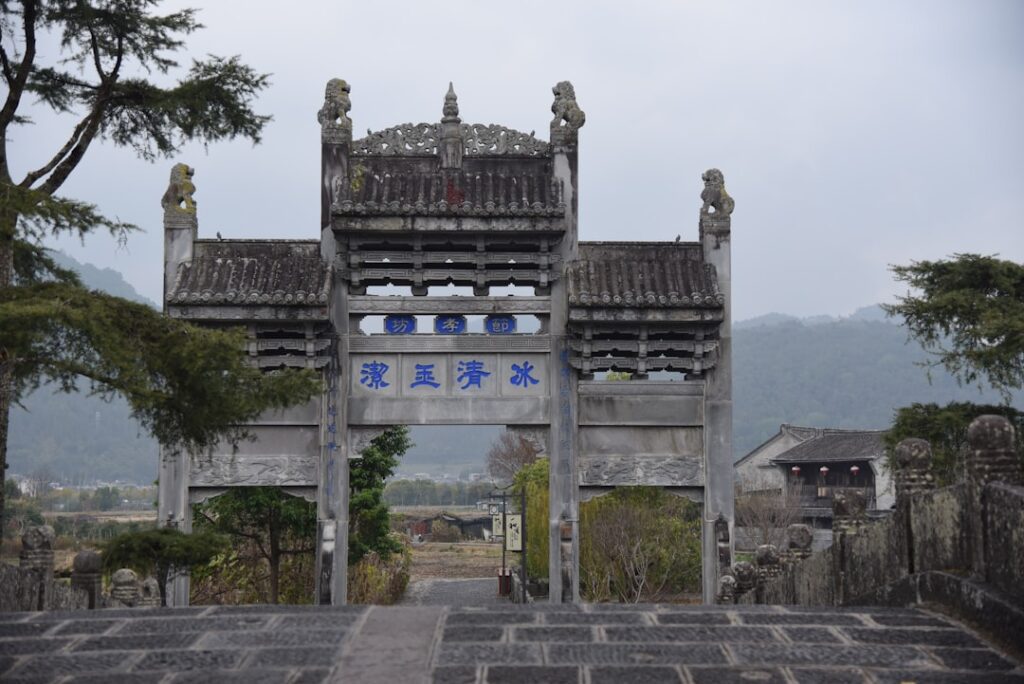
- Historic Architecture: The Heshun Ancient Town, founded during the Ming Dynasty (1368-1644), is a living museum of ornate ancestral halls and Qing-era courtyards built by returning overseas Chinese merchants.
- Cultural Scene: The local Bai and Hui ethnic minorities celebrate the Torch Festival in June, a vibrant night of folk dances, music, and towering flames to ward off evil spirits and ensure a good harvest.
- Local Specialties: You must try “Da Jiu Jia,” a fiery local rice wine often infused with herbs and berries, traditionally served warm in small clay pots.
Pro Tip: Visit in late October to early November. The weather is perfect, the summer rains have ceased, and you’ll witness the stunning golden ginkgo trees at the Guoshang Ancient Ginkgo Village—a spectacle that lasts only about three weeks.
Map of Tengchong
Use these interactive maps to explore Tengchong and plan your route:
📍 View Tengchong on OpenStreetMap
🗺️ Open Tengchong in Google Maps
Planning Your Trip: Practical Essentials
Getting There and Around
- By Air: Tengchong Tuofeng Airport (TCZ) has direct flights from Kunming (1 hour), Chengdu, and Beijing. A taxi to the city center takes 20 minutes and costs about 50 RMB. Book flights at Skyscanner for best deals.
- By Train: The high-speed rail from Kunming to Baoshan is the closest major station (about 2.5 hours). From Baoshan, a 2-hour bus or car ride completes the journey to Tengchong. Reserve tickets at Trainline or the national railway website.
- By Car: The mountain drive from Dali takes roughly 4 hours via the G56 Expressway, offering spectacular scenery. Rental cars are available in Kunming. Compare car rentals at RentalCars.com.
- Local Transport: Taxis are affordable and plentiful for city trips (10-20 RMB). For attractions further out, like the volcanoes, hiring a private car for the day (300-400 RMB) or joining a tour is your best bet. Local buses are cheap but infrequent and challenging without Mandarin.
Best Time to Visit
Tengchong enjoys a mild subtropical highland climate. The key is avoiding the July-August rainy season when trails can be muddy. Shoulder seasons offer the ideal blend of comfortable weather, clear skies, and seasonal beauty.
| Season | Weather | Highlights |
|---|---|---|
| Summer (Jun–Aug) | 15–24°C (59–75°F), rainy and humid | Lush greenery, fewer tourists, but prepare for daily showers. Hot springs are still enjoyable. |
| Winter (Dec–Feb) | 5–16°C (41–61°F), dry and sunny days, cold nights | Perfect for hot springs, crystal-clear air for volcano views, and budget hotel rates. |
| Shoulder (Apr–May/Sep–Oct) | 12–22°C (54–72°F), minimal rain, pleasant | The absolute best time. Ideal for hiking, outdoor exploration, and photography with stable weather. |
Budgeting for Tengchong

A breathtaking view of a geothermal hot spring surrounded by lush forest in…, Tengchong, China (Yunnan’s volcanic hot springs)
| Category | Budget | Mid-range | Luxury |
|---|---|---|---|
| Accommodation | 80-150 RMB (hostel/guesthouse) | 300-600 RMB (3-4 star hotel) | 800-1500+ RMB (hot spring resort) |
| Meals | 30-50 RMB (street food, noodles) | 80-150 RMB (local restaurant meal) | 200+ RMB (resort dining) |
| Transport | 20-40 RMB (local buses/taxis) | 150-300 RMB (day car hire) | 500+ RMB (private driver) |
| Activities | Free (Heshun town walks) | 50-150 RMB (attraction tickets) | 300+ RMB (private guided tours) |
| Daily Total | 130-240 RMB | 580-1200 RMB | 1800+ RMB |
Top Attractions and Must-See Sights
| Attraction | Description | Hours | Entry Fee |
|---|---|---|---|
| Rehai Geothermal Scenic Area | Walk among roaring geysers, bubbling mud pots, and steaming fumaroles in this otherworldly volcanic park. | 8:30 AM – 6:00 PM | 78 RMB (plus 50 RMB for hot spring pool access) |
| Heshun Ancient Town | A beautifully preserved 600-year-old trading town with libraries, clan temples, and serene waterways. | 7:30 AM – 7:00 PM | 55 RMB (covers town entry) |
| Tengchong Volcanic Geopark | Hike up the Great Empty Mountain volcano for panoramic views or take a hot air balloon ride at sunrise. | 8:00 AM – 6:00 PM | 35 RMB (Balloon ride: 280 RMB) |
| National Memorial Cemetery & Museum | A solemn and moving tribute to the Chinese Expeditionary Force who fought here in WWII. | 9:00 AM – 5:00 PM (Closed Mon) | Free |
3-Day Itinerary: Tengchong’s Highlights & Hidden Gems
Day 1: Ancient Town Charms & Geothermal Wonders
- Morning (7-9 AM): Enter Heshun Ancient Town as it wakes up. Head straight to the Heshun Library, one of China’s oldest rural libraries, to appreciate its tranquil courtyard before the crowds arrive.
- Afternoon (12-3 PM): Explore the Yuanlong Geyser in the Rehai Geothermal Valley. For lunch, try the local “Er Kuai” (rice cakes) at a simple stall near the park entrance.
- Evening (6-8 PM): Soak your travel-weary muscles at the Dipu Hot Spring Resort within Rehai. Follow with a hearty dinner of Tengchong “Hot Pot” (featuring local mushrooms and ham) at Shunxinglou Restaurant in town.
Day 2: Volcanoes & History
- Morning (7 AM): Arrive at the Volcanic Geopark by 7:30 AM for a 280 RMB hot air balloon ride (weather permitting) over the volcanic cones—an unforgettable perspective. If grounded, hike up Dashikongshan.
- Afternoon (1 PM): Visit the poignant National Memorial Cemetery. Then, have lunch at the simple but delicious A Yi Po Rice Noodles shop nearby.
- Evening (6 PM): Head to the Beihai Wetland Reserve for a peaceful stroll on the floating walkways at sunset. Dine at Wenchang Palace Restaurant in Heshun for refined local cuisine in a historic setting.
Day 3: Rural Landscapes & Local Life
- Morning (8 AM): Hire a car (approx. 300 RMB round-trip) to the Jiangzhong Ancient Village. Walk across the iconic Heihui River stepping stones and see traditional wooden houses built directly on volcanic rock.
- Afternoon (1 PM): Enjoy a farmhouse lunch in Jiangzhong. Return via the Laifengshan National Forest Park for a short hike to the Laifeng Pagoda for a final view over the Tengchong basin.
- Evening (6 PM): For your last night, indulge in a private hot spring pool at your hotel or visit the popular Jietou Hot Spring village for a more local, communal soaking experience.
Cultural Insights & Etiquette
- Language: Mandarin is essential. Learn a few phrases: “Nǐ hǎo” (Hello), “Xièxie” (Thank you), “Duōshǎo qián?” (How much?). Very little English is spoken outside major hotels.
- Customs: When visiting temples or ancestral halls, dress modestly. It’s polite to accept tea if offered by a host. Avoid loud conversations in solemn places like the WWII cemetery.
- Tipping: Not expected or practiced in China. In high-end hotels or for exceptional private guide service, a small tip might be accepted but is not obligatory.
- Dress Code: Casual and comfortable layers are key. Bring a swimsuit for hot springs, sturdy shoes for hiking, and a light jacket for cooler evenings.
- Business Hours: Shops open around 9 AM and close by 9 PM. Attractions typically close by 5-6 PM. Major national holidays (Oct 1-7, Chinese New Year) see massive domestic travel surges—avoid these periods.
Where to Eat: Tengchong’s Best Bites
Tengchong cuisine is hearty and flavorful, influenced by neighboring Myanmar and local mountain ingredients. Expect lots of wild mushrooms, ham, rice-based dishes, and warming broths perfect for the climate.
Must-Try Local Specialties
- Da Jiu Jia (大救驾): Literally “Save the Emperor,” this stir-fried rice cake dish with eggs, tomatoes, and vegetables has a legendary origin story from the Ming Dynasty. Try it at any local Heshun eatery.
- Tengchong Hot Pot: Distinct from Sichuan style, it features a light broth simmering with local ingredients like *Xuanzi* ham, *Jizong* mushrooms, and fresh vegetables. Shunxinglou is a top choice.
- Er Kuai (饵块): Grilled or stir-fried rice cakes, often served with a spicy sauce or in soup. The best are from street vendors near the morning markets.
Restaurant Recommendations by Budget
| Type | Restaurant | Specialty | Price Range |
|---|---|---|---|
| Budget | A Yi Po Rice Noodles (near Memorial Cemetery) | Hearty beef or pork rice noodle soup | 15-25 RMB |
| Mid-range | Shunxinglou Restaurant (Heshun Town) | Authentic Tengchong Hot Pot and local dishes | 60-100 RMB per person |
| Fine dining | Wenchang Palace Restaurant (Heshun Town) | Upscale local cuisine served in a beautifully restored Qing-era building | 120-200 RMB per person |
Where to Stay
Accommodation ranges from basic guesthouses in town to luxurious hot spring resorts. Staying in or near Heshun Ancient Town offers the most character, while the Rehai area is best for hot spring enthusiasts. Compare prices and book at Booking.com or Airbnb for apartments.
Best Neighborhoods for Accommodation
- Heshun Ancient Town: Full of charm, history, and boutique guesthouses converted from old courtyards. Perfect for culture lovers, but note there’s an entry fee to the town after hours. Suits travelers wanting immersion.
- Rehai Hot Spring Area: Home to several large resorts with natural hot spring pools piped directly to your room or to communal areas. Ideal for relaxation-focused visitors, though it’s a 20-minute drive from the main town.
- Tengchong City Center: More modern and convenient for transport and restaurants, with a range of business hotels. Lacks the scenic charm of Heshun but offers better value and practicality.
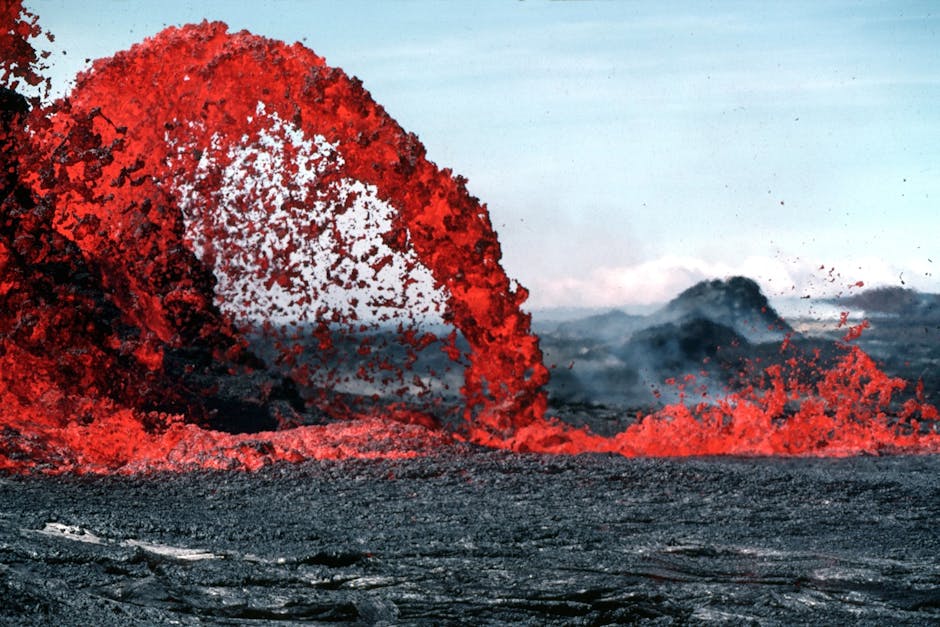
Stunning image of vibrant red lava flowing during a volcanic eruption in a …, Tengchong, China (Yunnan’s volcanic hot springs)
FAQs: Your Tengchong Questions Answered
1. Is Tengchong safe at night?
Yes, Tengchong is generally very safe, even at night. Violent crime is rare. Standard precautions apply: be aware of your belongings in crowded areas, and use registered taxis. The streets of Heshun Ancient Town are particularly peaceful and well-lit in the evening.
2. What currency is used and are credit cards accepted?
The Chinese Yuan (RMB or CNY) is the currency. While major hotels and some upscale restaurants accept credit cards (Visa/Mastercard), cash is king in Tengchong, especially for taxis, market stalls, and local eateries. Withdraw RMB from ATMs (found at banks and the airport) before exploring.
3. How do I get from the airport to the city center?
Tengchong Tuofeng Airport is small and efficient. The most convenient option is a taxi, which takes 20 minutes and costs a fixed 50 RMB to the city center. There is no public bus. Book airport transfers at GetYourGuide for convenience if you prefer a pre-arranged driver.
4. Do I need to speak the local language?
Yes, some basic Mandarin phrases will be immensely helpful. English is not widely spoken. Have your hotel’s name and address written in Chinese characters to show taxi drivers. Using a translation app like Pleco or Google Translate (download the offline pack) is a savvy traveler’s best tool.
5. What’s the appropriate dress code?
Dress is casual and practical. For hot springs, bring a swimsuit. For hiking the volcanoes, wear sturdy shoes. When visiting temples or the WWII cemetery, avoid overly revealing clothing (shorts and tank tops are generally fine, but be respectful). Layers are essential due to fluctuating temperatures between day and night.
Final Thoughts: Tengchong Awaits
Tengchong offers a rare blend of geological drama, profound history, and slow-paced cultural immersion that feels a world away from China’s bustling tourist hubs. Here, you’re not just a spectator; you can hike a dormant volcano, trace the footsteps of ancient caravans, and soak in waters heated by the earth’s core—all in one day. For the traveler seeking authenticity, natural beauty, and a deep connection to both the land and its past, Tengchong

