
Tatacoa Desert, Colombia: Hidden Stargazing, Martian Landscapes & Fossil Hunting (2025)
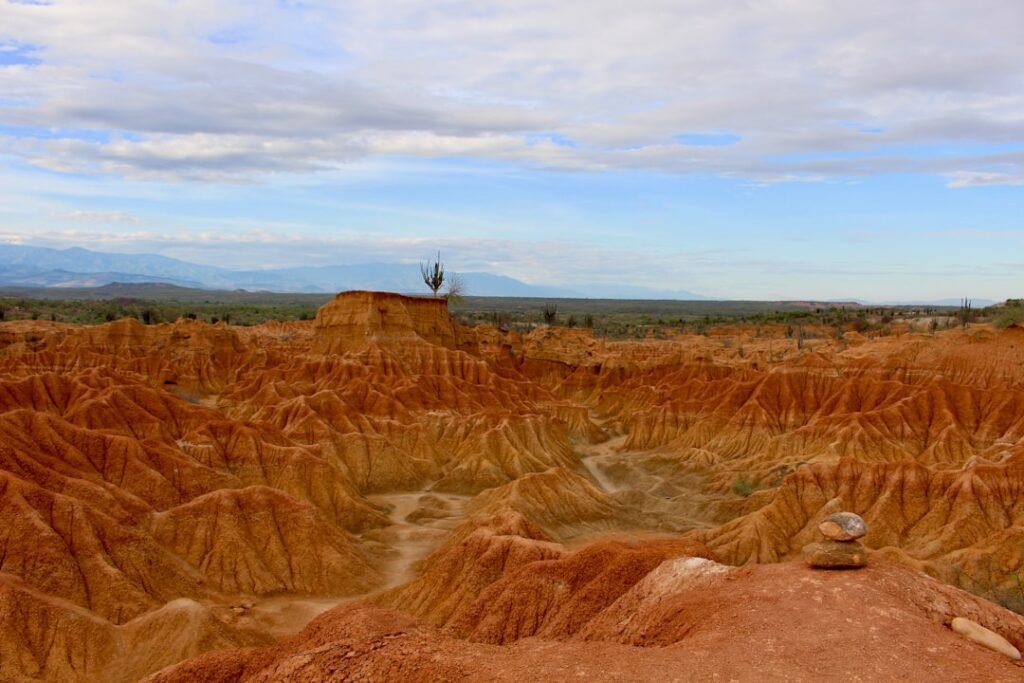
What if you could explore a landscape that NASA studies for Mars research while sleeping under some of Earth’s clearest night skies? Tatacoa Desert, Colombia proves this isn’t science fiction – this 330-square-kilometer semi-arid zone receives only 1,000 mm of annual rainfall, creating surreal red and gray canyons that transform dramatically at sunset. While most travelers crowd Colombia’s coffee region, here you’ll find complete silence broken only by the calls of roadrunners and the crunch of fossil-rich soil beneath your feet.
Why Tatacoa Desert, Colombia Stands Out

Brown cactus under white clouds during daytime, Tatacoa Desert, Colombia
- Historic Architecture: The 16th-century La Victoria Chapel, built by Spanish conquistadors in 1560, stands as one of Colombia’s oldest surviving colonial structures amid the arid landscape.
- Cultural Scene: The annual Astronomy Festival each August draws international scientists and amateur stargazers for telescope workshops and celestial observations.
- Local Specialties: Chivo asado (roasted goat) slow-cooked over mesquite wood, a tradition dating back to indigenous Guane and Spanish settlers.
Pro Tip: Visit during the dry seasons from June to August or December to February, but plan your desert hikes for early morning (6-9 AM) or late afternoon (4-6 PM) to avoid the intense midday heat that regularly reaches 40°C (104°F).
Map of Tatacoa Desert, Colombia
Use these interactive maps to explore Tatacoa Desert, Colombia and plan your route:
📍 View Tatacoa Desert, Colombia on OpenStreetMap
🗺️ Open Tatacoa Desert, Colombia in Google Maps
Planning Your Trip: Practical Essentials
Getting There and Around
- By Air: Fly to El Dorado International Airport in Bogotá, then take a 1-hour domestic flight to Neiva’s Benito Salas Airport with Avianca or LATAM. From Neiva, it’s a 1.5-hour taxi (45,000 COP/$11) to Villavieja, the desert gateway. Book flights at Skyscanner for best deals.
- By Train: Colombia’s passenger rail network doesn’t serve this region directly – your best option is taking a bus from Bogotá’s Terminal de Transportes to Neiva (4 hours, 35,000 COP/$9), then transferring to Villavieja.
- By Car: From Bogotá, take Highway 40 south through Girardot to Neiva (4-5 hours), then follow Route 45 to Villavieja. Rent 4×4 vehicles for desert exploration – essential during rainy months. Compare car rentals at RentalCars.com.
- Local Transport: Motorcycle taxis from Villavieja to desert attractions (8,000-15,000 COP/$2-4 per ride) or guided tours (40,000 COP/$10 for half-day). Most travelers prefer hiring local guides who know the unmarked desert trails.
Best Time to Visit
Timing your visit carefully makes all the difference between an unbearable hike and magical desert exploration. The dry seasons offer optimal conditions, though each period has unique advantages for different types of travelers.
| Season | Weather | Highlights |
|---|---|---|
| Summer (Jun–Aug) | 28-40°C (82-104°F), extremely dry, clear skies | Prime stargazing conditions, astronomy festival in August, minimal rain disruption |
| Winter (Dec–Feb) | 25-35°C (77-95°F), occasional brief showers | Lush vegetation contrasts with red soil, comfortable hiking temperatures, holiday atmosphere |
| Shoulder (Mar–May/Sep–Nov) | 30-38°C (86-100°F), unpredictable rainfall | Fewer visitors, dramatic cloud formations, lower accommodation rates, spontaneous desert flower blooms |
Budgeting for Tatacoa Desert, Colombia

Cacti plant in desert, Tatacoa Desert, Colombia
| Category | Budget | Mid-range | Luxury |
|---|---|---|---|
| Accommodation | 40,000-80,000 COP ($10-20) hostel in Villavieja | 120,000-200,000 COP ($30-50) desert eco-lodge | 300,000+ COP ($75+) private pool villa |
| Meals | 15,000 COP ($4) set lunch at local fondas | 25,000-40,000 COP ($6-10) restaurant meals | 60,000+ COP ($15+) gourmet dining experiences |
| Transport | 8,000 COP ($2) motorcycle taxi rides | 40,000 COP ($10) half-day guided tour | 150,000 COP ($38) private 4×4 with driver |
| Activities | Free hiking, 5,000 COP ($1.25) observatory entry | 25,000 COP ($6) fossil museum, guided hikes | 80,000 COP ($20) private astronomy sessions |
| Daily Total | 68,000-108,000 COP ($17-27) | 210,000-300,000 COP ($53-75) | 590,000+ COP ($148+) |
Top Attractions and Must-See Sights
| Attraction | Description | Hours | Entry Fee |
|---|---|---|---|
| Los Hoyos (Red Desert) | Vibrant crimson canyons with dramatic erosion patterns that glow intensely during golden hour | 24/7 access | Free |
| El Cuzco (Gray Desert) | Surreal gray landscape resembling moon surface with fascinating geological formations and fossil beds | 24/7 access | Free |
| Tatacoa Astronomical Observatory | High-powered telescopes for viewing Saturn’s rings and distant galaxies through exceptionally clear skies | 7 PM-10 PM daily | 5,000 COP ($1.25) |
| Villavieja Paleontological Museum | Fossils of prehistoric giant sloths and mastodons discovered throughout the desert region | 9 AM-5 PM Tue-Sun | 3,000 COP ($0.75) |
3-Day Itinerary: Tatacoa Desert, Colombia’s Highlights & Hidden Gems
Day 1: Desert Immersion & Sunset Magic
- Morning: Arrive in Villavieja by 7 AM, drop bags at accommodation, and hire a local guide (35,000 COP/$9) for a 3-hour Los Hoyos hike through labyrinthine red canyons when temperatures are comfortable.
- Afternoon: Lunch at 12:30 PM at Restaurante Doña Lilia in Villavieja for their legendary chivo asado (22,000 COP/$5.50) then siesta during peak heat hours – essential desert survival strategy.
- Evening: Return to Los Hoyos at 4:30 PM for sunset photography as the canyon walls transform through orange to deep crimson, followed by dinner at El Balcón del Cuzco with panoramic desert views.
Day 2: Geological Wonders & Starry Nights
- Morning: Sunrise hike through El Cuzco at 6 AM (free access) to witness the gray desert’s alien landscape and search for marine fossils – evidence this was once an ocean floor 65 million years ago.
- Afternoon: Visit Villavieja Paleontological Museum at 1 PM (3,000 COP/$0.75) then cool off with fresh lulada juice at Jugos Villavieja before exploring the town’s charming colonial architecture.
- Evening: Astronomical Observatory session at 7:30 PM (5,000 COP/$1.25) – the desert’s minimal light pollution reveals the Milky Way with stunning clarity from March to November.
Day 3: Local Culture & Hidden Oases
- Morning: Motorcycle taxi (12,000 COP/$3) to the “Piscina Natural” natural pool at 8 AM – a seasonal freshwater oasis that appears during rainy months, surrounded by desert vegetation.
- Afternoon: Traditional cooking class at 12 PM with Doña Rosa (25,000 COP/$6) learning to prepare arepas and sancocho, followed by lunch with local families for authentic cultural exchange.
- Evening: Final sunset from Mirador Ventanas at 5 PM, offering 360-degree desert views, then overnight bus connection to Bogotá or extended stay at a desert glamping site for ultimate stargazing.
Cultural Insights & Etiquette
- Language: Spanish predominates – learn “Buenas” (greeting), “¿Cuánto cuesta?” (how much?), and “Gracias” (thank you). English is limited outside tourist services.
- Customs: Always greet shopkeepers and guides before transactions. The desert is considered sacred by locals – respect the landscape by not removing fossils or rocks.
- Tipping: Not expected but appreciated – round up taxi fares, 5-10% for excellent guided service. Guides rely heavily on tourism income.
- Dress Code: Light, breathable clothing with sturdy hiking shoes. Evenings can be cool – bring a light jacket. Sun protection is non-negotiable.
- Business Hours: Most services operate 8 AM-6 PM with extended midday breaks (12-2 PM). Desert access is 24/7 but hiking after dark requires local guides.
Where to Eat: Tatacoa Desert, Colombia’s Best Bites
You’ll discover that desert dining revolves around traditional Huila department cuisine with surprising variety given the arid environment. Most restaurants cluster in Villavieja, though several eco-lodges offer excellent meals for overnight guests. The local food philosophy emphasizes freshness and traditional preparation methods passed through generations.
Must-Try Local Specialties
- Chivo Asado: Whole kid goat marinated in citrus and slow-roasted over wood fires for 6+ hours, creating incredibly tender meat with smoky flavor. Best at Restaurante Doña Lilia.
- Bandeja Huilense: The regional version of Colombia’s famous platter featuring grilled meat, chorizo, arepa, avocado, rice, and the local specialty – giant ants (hormigas culonas) during season.
- Ajiaco: Hearty chicken and potato soup with three potato varieties, corn, and guasca herbs – surprisingly refreshing after desert exploration at El Fogón de los Güipas.
Restaurant Recommendations by Budget
| Type | Restaurant | Specialty | Price Range |
|---|---|---|---|
| Budget | Comedor Costeño (Villavieja main square) | 15,000 COP ($3.75) set lunches with fresh juice | 10,000-20,000 COP ($2.50-5) |
| Mid-range | Restaurante Doña Lilia (Carrera 4) | Legendary chivo asado with yuca and plantains | 20,000-40,000 COP ($5-10) |
| Fine dining | El Balcón del Cuzco (desert viewpoint) | Gourmet Colombian fusion with sunset views | 45,000-80,000 COP ($11-20) |
Where to Stay
Accommodation ranges from basic hostels in Villavieja village to stunning desert eco-lodges with private observatories. Savvy travelers often split their stay – one night in town for convenience and one in the desert for the full experience. Book early during peak seasons as quality options are limited. Compare prices and book at Booking.com or Airbnb for apartments.
Best Neighborhoods for Accommodation
- Villavieja Centro: Budget-friendly hostels and family guesthouses with easy access to restaurants and transport, though you’ll need transportation to desert sites daily.
- Los Hoyos Desert Zone: Eco-lodges and glamping sites embedded in the red desert offering stunning sunrise views and immediate hiking access, but limited amenities.
- El Cuzco Outskirts: Mid-range hotels balancing desert proximity with services like pools and restaurants, perfect for travelers wanting comfort and nature access.

A bird sitting on top of a tall cactus, Tatacoa Desert, Colombia
FAQs: Your Tatacoa Desert, Colombia Questions Answered
1. Is Tatacoa Desert, Colombia safe at night?
Yes, with standard precautions. The desert itself has minimal crime, but always hike with a guide after dark due to navigation risks. Villavieja town is generally safe, though avoid walking alone in unlit areas. Your main concerns should be desert hazards – dehydration, heat stroke, and getting lost rather than personal safety issues.
2. What currency is used and are credit cards accepted?
Colombian Pesos (COP) are essential – carry ample cash as most desert services, guides, and village establishments don’t accept credit cards. ATMs in Villavieja are unreliable, so withdraw money in Neiva before arriving. Budget accommodations and restaurants typically operate cash-only, though higher-end eco-lodges may accept cards.
3. How do I get from the airport to the desert?
From Neiva’s Benito Salas Airport, take a taxi directly to Villavieja (45,000 COP/$11, 1.5 hours) or to Neiva’s bus terminal for cheaper colectivo shared vans (15,000 COP/$3.75). Private transfers can be arranged through hotels. Book airport transfers at GetYourGuide for convenience if you prefer pre-arranged service.
4. Do I need to speak the local language?
Basic Spanish greatly enhances your experience, as English proficiency is limited outside main tourist services. Guides typically speak some English, but restaurant staff, taxi drivers, and shopkeepers primarily speak Spanish. Learn essential phrases for ordering food, negotiating prices, and directions – locals appreciate the effort and respond warmly.
5. What’s the appropriate dress code?
Practical desert attire: lightweight long sleeves and pants for sun protection, sturdy closed-toe hiking shoes, wide-brimmed hat, and sunglasses. Evenings require a light jacket as temperatures can drop significantly. Swimwear is appropriate only at natural pools – otherwise, modest casual wear respects local customs in villages.
Final Thoughts: Tatacoa Desert, Colombia Awaits
Tatacoa Desert offers one of South America’s most unique travel experiences – a landscape that feels simultaneously ancient and extraterrestrial, yet remains remarkably accessible and affordable. Beyond the Instagram-famous red canyons, you’ll discover a destination where the night sky becomes the main attraction and the silence of the desert provides rare mental space. Travelers often find themselves extending their stay once they experience the magic of sleeping under crystal-clear constellations and waking to canyon

