
Tari PNG, Papua New Guinea: Essential Culture, Color & Unfiltered Highlands Life (2026)
While crowds flock to the Sepik River for carvings or Mount Hagen for its sing-sing, Tari PNG, Papua New Guinea delivers the most vibrant, accessible, and authentic immersion into Huli culture without the overwhelming festival logistics. Here in the Southern Highlands, you’re not just a spectator; you become a welcomed guest in a world where ancestral traditions dictate daily life, and the famed Huli Wigmen aren’t performing for tourists—they’re simply living. This is the cultural heart of the highlands, beating strong.
Why Tari PNG, Papua New Guinea Stands Out

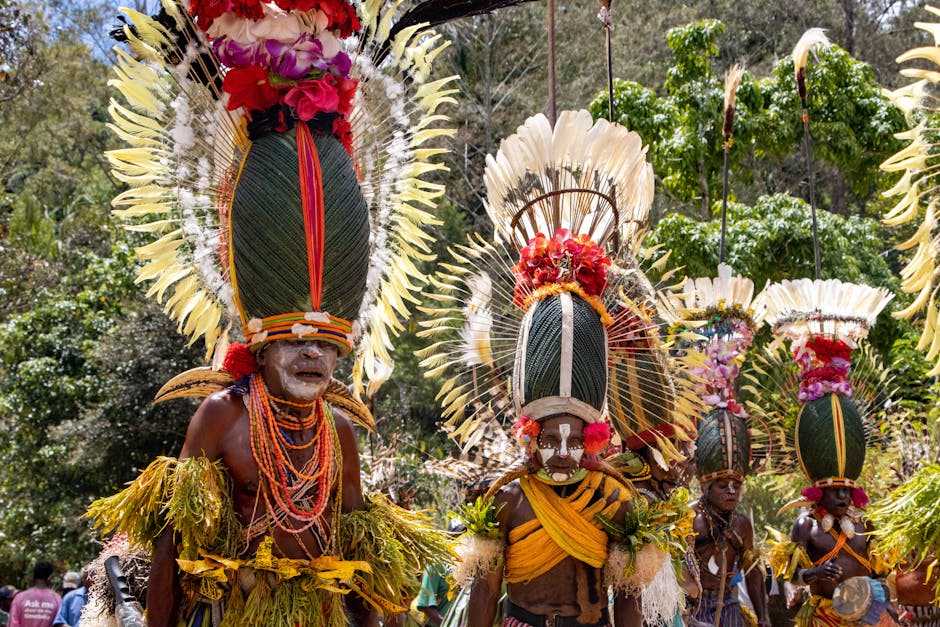
A senior woman stands smiling amidst vibrant traditional Papua New Guinean …, Tari PNG, Papua New Guinea
- Historic Architecture: The traditional Huli “haus man” (men’s house), built from forest materials using techniques unchanged for centuries, serves as the community’s political and spiritual center.
- Cultural Scene: The Huli Wigmen’s elaborate self-decoration, using human hair wigs, ochre, and bird-of-paradise feathers, is a living art form tied to identity and status, not a staged show.
- Local Specialties: Travelers must try “mumu,” a feast of pork, sweet potato, and greens slow-cooked in an underground oven with hot stones, embodying communal celebration.
Pro Tip: Plan your visit for the dry season months of May to October. Not only are the rugged roads more passable, but this period also sees clearer skies for photography and aligns with many local ceremonial preparations, offering a more dynamic cultural experience. Avoid the November-April wet season when travel becomes extremely difficult.
Map of Tari PNG, Papua New Guinea
Use these interactive maps to explore Tari PNG, Papua New Guinea and plan your route:
📍 View Tari PNG, Papua New Guinea on OpenStreetMap
🗺️ Open Tari PNG, Papua New Guinea in Google Maps
Planning Your Trip: Practical Essentials
Getting There and Around
- By Air: Tari is served by Tari Airport (TIZ). Air Niugini and PNG Air operate flights from Port Moresby (POM) via Mount Hagen (HGU). Flights are weather-dependent and book out quickly. Book flights at Skyscanner for best deals.
- By Train: Papua New Guinea has no passenger railway system. All long-distance travel is by air or road.
- By Car: Driving from major centers like Mount Hagen is an extreme 4×4 adventure on the Highlands Highway, taking 8+ hours over very rough terrain. Self-driving is not recommended for visitors. Compare car rentals at RentalCars.com for other parts of PNG, but hire a local driver-guide for Tari.
- Local Transport: Public transport is informal via PMVs (Public Motor Vehicles – trucks or vans). Your best bet is to arrange all transport through your guesthouse or a registered local guide, which is typically included in tour packages.
Best Time to Visit
Tari’s climate is temperate highland, but rainfall dictates accessibility. The dry season is the only practical window for a comfortable visit, offering clear days and cultural activity.
| Season | Weather | Highlights |
|---|---|---|
| Dry Season (May–Oct) | Sunny days, cool nights (15°C-25°C), minimal rain. | Optimal for travel, photography, and cultural visits; roads are open; peak tourist season. |
| Wet Season (Nov–Apr) | Heavy, daily rainfall, high humidity, frequent fog. | Very difficult travel, flights often canceled, lush scenery but not recommended for visitors. |
| Shoulder (Late Apr/ Late Oct) | Transitional, with increasing or decreasing showers. | Potential for good weather with fewer visitors, but be prepared for travel disruptions. |
Budgeting for Tari PNG, Papua New Guinea

Colorful festival parade featuring participants in traditional attire and h…, Tari PNG, Papua New Guinea
| Category | Budget | Mid-range | Luxury |
|---|---|---|---|
| Accommodation | Basic guesthouse: PGK 150-250/night | Lodge package: PGK 400-700/night | All-inclusive cultural tour: PGK 800+/night |
| Meals | Guesthouse meals included | Lodge meals included | All meals included in tour |
| Transport | PMV rides: PGK 10-50 | Private 4×4 with guide: PGK 300-500/day | Charter flights & private vehicles |
| Activities | Village entry fee: PGK 50-100 | Guided day tours: PGK 200-400 | Multi-day immersive experiences |
| Daily Total | PGK 250-400 | PGK 800-1,200 | PGK 1,500+ |
Note: PGK = Papua New Guinea Kina. 1 USD ≈ 3.8 PGK. Almost everything in Tari is paid for in cash (PGK).
Top Attractions and Must-See Sights
| Attraction | Description | Hours | Entry Fee |
|---|---|---|---|
| Huli Wigmen Cultural Interaction | Visit a Huli clan and witness the intricate process of wig-making and ceremonial body painting, a profound cultural exchange. | Morning visits, by arrangement | ~PGK 100-150 per person |
| Tari Basin & Lake Ambua | Stunning highland scenery with rolling valleys, perfect for guided walks to spot birds of paradise and local flora. | Daylight hours | Free (Guide fee: PGK 150+) |
| Local Market (Tari Station) | The bustling weekly market where Huli people trade produce, crafts, and betel nut; a vibrant slice of daily life. | Main market day is Friday | Free |
| Traditional “Mumu” Feast Preparation | Participate in or observe the creation of this underground oven feast, a cornerstone of Huli celebration and hospitality. | By special arrangement | PGK 200+ (includes meal) |
3-Day Itinerary: Tari PNG, Papua New Guinea’s Highlights & Hidden Gems
Day 1: Arrival & First Impressions
- Morning (7-9 AM): Arrive on the early flight from Mount Hagen. Transfer to your lodge (e.g., Ambua Lodge or local guesthouse). Enjoy a welcome drink while soaking in the breathtaking valley views.
- Afternoon (12-3 PM): Take an acclimatization walk with a guide around the lodge grounds or to a nearby lookout. Look for the magnificent Raggiana bird-of-paradise. Lunch is provided at your lodge.
- Evening (6-8 PM): Lodge briefing on Huli culture and etiquette. Enjoy a hearty dinner featuring local ingredients like kaukau (sweet potato) and fresh greens, followed by informal storytelling with your guides.
Day 2: Deep Dive into Huli Culture
- Morning (8-11 AM): Visit a Huli clan settlement (~PGK 150). Witness the meticulous application of yellow ochre and red clay, and learn about the sacred *ambua* (wig school) where young men live for 18 months to grow their ceremonial wigs.
- Afternoon (1-4 PM): Return to Tari Station. If it’s a Friday, explore the vibrant market. Otherwise, visit a local school or craft seller. Lunch is a picnic or back at the lodge.
- Evening (6 PM): Experience a “mumu” feast, prepared specially. This is a celebratory meal, so expect singing and a true sense of community participation.
Day 3: Highlands Landscape & Departure
- Morning (7-10 AM): Guided hike to a scenic vantage point like Lake Ambua or a waterfall. This is your chance for stunning landscape photography in the crisp morning light.
- Afternoon (12-2 PM): Final cultural interaction or time for last-minute craft purchases. Savvy visitors know that buying directly from artisans at the village is more authentic and supportive than at the airport. Enjoy a farewell lunch.
- Evening (3 PM+): Transfer to Tari Airport for your afternoon flight out. Plan for potential delays and ensure you have paid all village fees and tips for your guides.
Cultural Insights & Etiquette
- Language: Tok Pisin (Pidgin) and Huli are the main languages. Key phrases: “Moning” (Good morning), “Tenkyu” (Thank you), “Em gutpela” (It is good). English is understood by guides but not widely spoken in villages.
- Customs: Always ask permission before taking photographs of people. A respectful nod is better than a handshake unless offered. Avoid walking between people who are conversing. Dress modestly.
- Tipping: Not a traditional practice, but a small gift or cash tip (PGK 20-50) for exceptional guide service or a village host is greatly appreciated. Arrange this discreetly.
- Dress Code: Modest, practical clothing. Women should wear below-the-knee skirts or dresses; trousers are acceptable but less traditional. Men should avoid shorts in villages. Bring a waterproof jacket and sturdy walking shoes.
- Business Hours: Government hours are Mon-Fri 8am-4pm. Shops keep informal hours. The market is busiest on Friday mornings. Sunday is a day of rest and church.
Where to Eat: Tari PNG, Papua New Guinea’s Best Bites
Dining in Tari is almost exclusively tied to your accommodation. This isn’t a destination for restaurant-hopping; it’s about experiencing authentic, locally-sourced meals prepared by your lodge or as part of a village feast. The cuisine is simple, hearty, and based on garden produce.
Must-Try Local Specialties
- Mumu: The iconic highlands feast. Pork, sweet potato, greens, and sometimes bananas, wrapped in banana leaves and slow-cooked for hours on hot stones in a pit. The ultimate communal dish.
- Kaukau (Sweet Potato): The highland staple, served boiled, roasted, or in stews. You’ll have it with almost every meal.
- Pitpit with Coconut: A native vegetable similar to asparagus or sugarcane, often cooked with coconut cream. Look for it at lodge meals.
Restaurant Recommendations by Budget
| Type | Restaurant | Specialty | Price Range |
|---|---|---|---|
| Budget/Lodge | Ambua Lodge Dining Room | Set-menu dinners featuring local ingredients and stunning valley views. | Meals included in stay |
| Local Experience | Village-Prepared Mumu | An authentic feast arranged through your guide as a special activity. | ~PGK 200 per person |
| Simple Local | Tari Station Market Stalls | Fresh fruit (pineapple, passionfruit), roasted nuts, and simple cooked snacks on market day. | PGK 5-20 |
Where to Stay
Accommodation in Tari ranges from very basic local guesthouses to one famous eco-lodge. Booking in advance is absolutely essential, and most places operate on full-board packages due to the lack of external dining options. Compare prices and book at Booking.com or Airbnb for apartments elsewhere in PNG, but for Tari, book directly with the lodges or through a specialized PNG tour operator.
Best Neighborhoods for Accommodation
- Ambua Ridge: Home to the renowned Ambua Lodge, this area offers spectacular panoramic views of the Tari Valley. It’s an eco-tourism hub with guided walks right from your door. Suits travelers seeking comfort and birdwatching.
- Tari Station: The small administrative center. You’ll find simpler guesthouses here (like the Tari Guesthaus), putting you closer to the local market and daily activity. Best for budget travelers and those wanting immediate immersion.
- Outlying Village Stays: For the most immersive experience, some guides can arrange a basic homestay in a village. This is rustic (no electricity/running water) but incredibly authentic. For seasoned, adaptable travelers only.
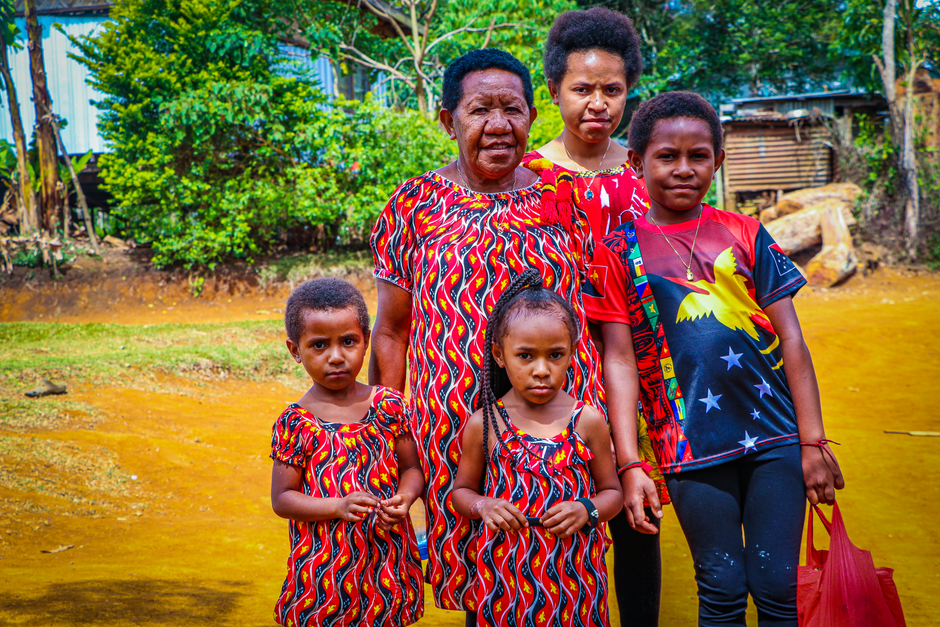
A smiling family in colorful traditional attire outdoors in Port Moresby, Tari PNG, Papua New Guinea
FAQs: Your Tari PNG, Papua New Guinea Questions Answered
1. Is Tari PNG, Papua New Guinea safe at night?
Within your lodge grounds and with your guide, yes. However, there is no reason to walk around alone at night. Tari, like much of PNG, has issues with tribal tensions and crime. Safety relies on using registered guides, staying in recommended accommodations, and not venturing out after dark. Always follow the advice of your lodge and guides explicitly.
2. What currency is used and are credit cards accepted?
The currency is the Papua New Guinea Kina (PGK). You must bring enough cash (Kina) for your entire stay, as there are no ATMs in Tari and credit cards are only accepted at Ambua Lodge (and even then, connectivity issues can make it unreliable). Get cash in Port Moresby or Mount Hagen before flying in.
3. How do I get from the airport to the city center?
Tari Airport is very basic. Your pre-arranged lodge or guide will meet you on the tarmac. Transfers are included in most tour/lodge packages. If you haven’t arranged this, you will need to negotiate with a local driver, which is not recommended for first-time visitors. Book airport transfers at GetYourGuide for convenience in other destinations, but for Tari, arrange directly.
4. Do I need to speak the local language?
No, but it helps immensely to know a few phrases of Tok Pisin. Your guide will translate in villages. English is spoken by guides and at the main lodge. Learning simple greetings (“Moning,” “Tenkyu”) shows respect and will be met with warm smiles.
5. What’s the appropriate dress code?
Modest and respectful. For village visits: women should wear skirts or dresses below the knee (loose trousers are sometimes okay but skirts are preferred). Men should wear long trousers. Avoid revealing clothing. For hiking: sturdy, broken-in boots, long pants to protect from grass cuts, and layered clothing for changing temperatures. A wide-brimmed hat and rain jacket are essential.
Final Thoughts: Tari PNG, Papua New Guinea Awaits
Tari is not a destination of convenience or luxury in the conventional sense. It is a journey into a living cultural tapestry that has endured for millennia. You come here not for fine dining or shopping, but for the profound privilege of connection—sharing a “mumu” feast, witnessing the solemn artistry of the Wigmen,

