
Tari Highlands, Papua New Guinea: Ultimate Birds of Paradise, Tribal Culture & Highland Majesty (2026)
While crowds flock to the Sepik River for its carvings, the Tari Highlands delivers an unfiltered, living cultural immersion without the souvenir stalls. Here, the Huli Wigmen, one of the world’s most visually striking tribes, maintain traditions unchanged for centuries. Your arrival is marked not by a ticket booth, but by the distant, haunting calls of the Raggiana bird of paradise and the sight of men adorned with vibrant ochre and towering wigs of human hair. This is Papua New Guinea at its most authentic.
Why Tari Highlands, Papua New Guinea Stands Out

A senior woman stands smiling amidst vibrant traditional Papua New Guinean …, Tari Highlands, Papua New Guinea
- Historic Architecture: The traditional Huli “Haus Man” (Spirit House), a towering structure built from forest materials without nails, serves as the sacred community center for generations.
- Cultural Scene: The annual Huli Wigmen Festival, a spectacular gathering where clans showcase elaborate wigs, intricate body paint, and mesmerizing sing-sings (ceremonial dances).
- Local Specialties: “Mumu,” a celebratory feast where pork, sweet potatoes, and greens are slow-cooked with hot stones in an underground pit, infusing incredible smoky flavor.
Pro Tip: The absolute best time to visit is during the drier months from May to October. For the ultimate cultural spectacle, aim for the Huli Wigmen Festival, typically held in August. Book your local guide and lodge at least 6-8 months in advance, as capacity is extremely limited.
Map of Tari Highlands, Papua New Guinea
Use these interactive maps to explore Tari Highlands, Papua New Guinea and plan your route:
📍 View Tari Highlands, Papua New Guinea on OpenStreetMap
🗺️ Open Tari Highlands, Papua New Guinea in Google Maps
Planning Your Trip: Practical Essentials
Getting There and Around
- By Air: You’ll fly into Port Moresby (POM) from international hubs. From there, take an Air Niugini or PNG Air domestic flight to Tari (TIZ). The airstrip is basic; transfers to your lodge are pre-arranged. Book flights at Skyscanner for best deals.
- By Train: There are no train services in Papua New Guinea. All long-distance travel is by air or arduous road.
- By Car: Self-driving is not recommended for visitors due to challenging road conditions and complex tribal land ownership. All transport is via 4WD with a local driver-guide. Compare car rentals at RentalCars.com for use elsewhere in PNG.
- Local Transport: Your feet and pre-arranged 4WD vehicles are the only transport. Walking between villages with your guide is the primary mode of exploration.
Best Time to Visit
The Tari Highlands has a tropical highland climate. The key distinction is between the wet and dry seasons, which dramatically affect accessibility and comfort.
| Season | Weather | Highlights |
|---|---|---|
| Dry Season (May–Oct) | Sunny days, cool nights (12°C-25°C), minimal rain. Trails are firm. | Optimal for trekking, birdwatching, and festivals. Peak season for tourism. |
| Wet Season (Nov–Apr) | Heavy daily rainfall, high humidity, cooler temps. Muddy, slippery trails. | Lush, vibrant scenery, but travel can be disrupted. Very few visitors. |
| Shoulder (Late Apr/Oct) | Transitional weather; some rain but generally manageable conditions. | Potential for good weather with slightly fewer visitors than peak dry season. |
Budgeting for Tari Highlands, Papua New Guinea

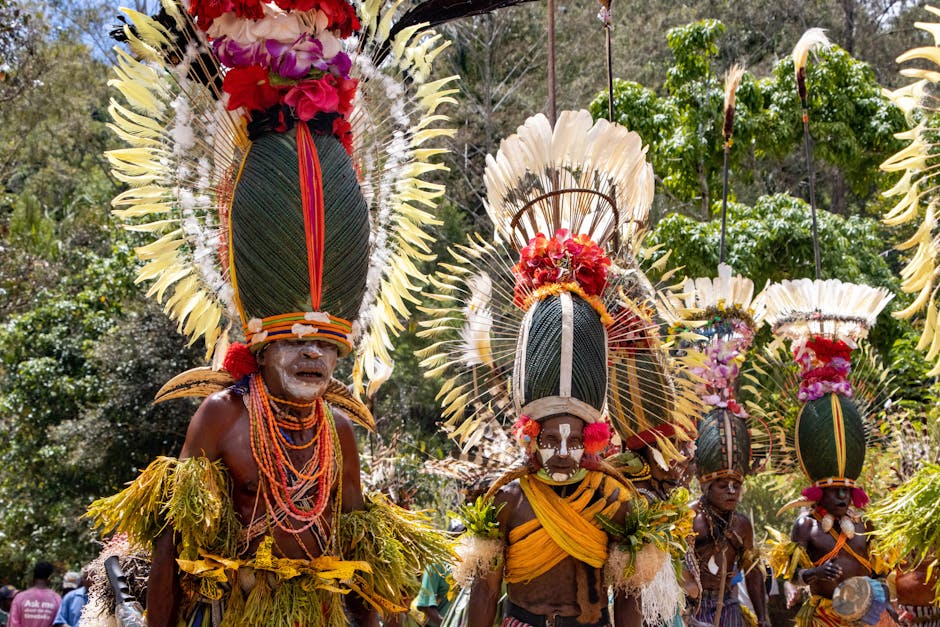
Colorful festival parade featuring participants in traditional attire and h…, Tari Highlands, Papua New Guinea
| Category | Budget | Mid-range | Luxury |
|---|---|---|---|
| Accommodation | Very limited; basic guesthouse ~150 PGK/night | Lodge packages (incl. meals/guide) ~800-1200 PGK/night | All-inclusive premium lodges ~1500+ PGK/night |
| Meals | Local market food ~20-40 PGK | Included in most lodge stays | Included in premium packages |
| Transport | N/A – guide required | 4WD/guide fees part of package (~200 PGK/day) | Private 4WD & guide included |
| Activities | Village visit donations (~50 PGK) | Guided treks, cultural shows (~100-300 PGK) | Private cultural immersions, extended birding tours |
| Daily Total | ~220+ PGK | ~1100-1500 PGK | ~1700+ PGK |
Note: 1 USD ≈ 3.8 PGK (Papua New Guinea Kina). Almost everything is paid for in an all-inclusive package. Budget travel is logistically very difficult here.
Top Attractions and Must-See Sights
| Attraction | Description | Hours | Entry Fee |
|---|---|---|---|
| Huli Wigmen Village Visit | Spend a day learning about the iconic Huli traditions, from wig cultivation to axe-making and ceremonial dance. | Daylight hours, by arrangement | ~150 PGK (via guide, includes village donation) |
| Bird of Paradise Viewing Hides | Pre-dawn trek to hides for a chance to see the spectacular Raggiana and Blue Bird of Paradise in their lekking displays. | 5:30 AM – 9:00 AM | ~100 PGK (guide fee) |
| Tari Basin & Ambua Lodge Walks | Guided walks through stunning montane rainforest, past waterfalls, and across grasslands with panoramic highland views. | All day | Included for lodge guests / ~200 PGK with guide |
| Local Market at Tari Town | A bustling, colorful market where Huli people trade produce, crafts, and betel nut; a fantastic photo opportunity. | Weekday mornings | Free (photos may require a small 5-10 PGK tip) |
3-Day Itinerary: Tari Highlands, Papua New Guinea’s Highlights & Hidden Gems
Day 1: Immersion in Huli Culture
- Morning (7-9 AM): After an early breakfast at your lodge, meet your guide for a 4WD transfer to a traditional Huli village. Your arrival will be coordinated with the village chief.
- Afternoon (12-3 PM): Witness a “sing-sing” performance and learn about the intricate process of creating the famous Huli wigs, which can take up to 18 months to grow and style. Enjoy a packed lunch provided by your lodge.
- Evening (6-8 PM): Return to your lodge for a relaxing evening. After dinner, your guide might share legends of the Huli ancestors under a spectacular blanket of stars, completely free of light pollution.
Day 2: Birds & Highland Treks
- Morning (5:30 AM): Pre-dawn start for a 30-minute drive and a 45-minute walk to a bird hide. With patience and silence, you may witness the breathtaking dance of the Raggiana Bird of Paradise (~100 PGK guide fee).
- Afternoon (1 PM): Trek from the lodge through the Tari Gap. The path winds through moss-covered forests alive with orchids and the calls of exotic birds. A picnic lunch is enjoyed with a view.
- Evening (6 PM): Experience a traditional “mumu” feast at the lodge, where food cooked in the underground pit is unearthed and served—a truly authentic culinary highlight.
Day 3: Local Life & Departure
- Morning (8 AM): Visit the Tari town market with your guide. It’s a sensory overload of colors, smells, and sounds. Practice your “Mona Upara” (thank you) when taking photos (always ask first).
- Afternoon (12 PM): Enjoy a final lunch at your lodge before your pre-arranged 4WD transfer back to Tari airstrip (included in most packages).
- Evening: Catch your afternoon flight back to Port Moresby, your camera filled with images unlike any others in the world.
Cultural Insights & Etiquette
- Language: Tok Pisin is the lingua franca. Key phrases: “Gude” (Hello), “Tenkyu” (Thank you), “Mona Upara” (Huli for Thank you). Most guides speak excellent English.
- Customs: Always ask permission before taking photographs of people, often with a small tip (5-10 PGK). Respect sacred spaces like Spirit Houses. Handshakes are common, but follow your host’s lead.
- Tipping: Not a widespread custom, but a thoughtful tip of 50-100 PGK per day for an exceptional guide is greatly appreciated at the end of your stay.
- Dress Code: Modesty is key. Wear knee-length shorts or trousers and shirts that cover shoulders, especially in villages. Sturdy, waterproof hiking boots are essential.
- Business Hours: Operates on “PNG time.” Schedules are fluid. The market is busiest in the morning. Everything runs by prior arrangement with your guide.
Where to Eat: Tari Highlands, Papua New Guinea’s Best Bites
Dining in Tari is almost exclusively through your lodge’s kitchen, which prepares hearty, high-quality meals. The real culinary adventure is in experiencing traditional cooking methods.
Must-Try Local Specialties
- Mumu: The definitive Highlands feast. Pork, sweet potato (kaukau), taro, and greens are wrapped in banana leaves and slow-steamed for hours in a pit with hot stones. The flavor is uniquely smoky and tender.
- Kaukau (Sweet Potato): The staple carbohydrate, often roasted over an open fire. Locals recommend trying it with a pinch of salt for a simple, delicious snack.
- River Fish: Fresh trout from highland streams, often simply grilled. Savvy visitors know to ask their lodge if it’s available.
Restaurant Recommendations by Budget
| Type | Restaurant | Specialty | Price Range |
|---|---|---|---|
| Budget | Tari Town Market Stalls | Fresh local fruit (pineapple, passionfruit), roasted kaukau | 5-15 PGK |
| Mid-range | Your Lodge Dining Room (e.g., Ambua Lodge) | International & local fusion, buffet-style meals, mumu nights | Included in package |
| Fine dining | Private Lodge Deck Dining | Arranged private dinners with panoramic valley views | Special arrangement (~100+ PGK) |
Where to Stay
Accommodation is in a handful of remote lodges that operate on an all-inclusive basis (meals, guiding, transfers). This is not a destination for independent hotel hopping. Compare prices and book at Booking.com or Airbnb for apartments elsewhere in PNG, but book Tari lodges directly or through a specialized tour operator.
Best Areas for Accommodation
- Ambua Lodge Area: The classic choice, perched on the rim of the Tari Valley. Characterized by stunning views, comfortable bungalows, and excellent guiding. Suits most travelers seeking comfort and reliability.
- Near Tari Town: A couple of simpler guesthouses offer basic rooms. Pros: lower cost, closer to the market. Cons: fewer amenities, less immersive setting. Best for very budget-conscious, adaptable travelers.
- Remote Village Stays: For the ultimate adventure, some operators arrange basic homestays. This is raw cultural immersion with no western comforts. Suits intrepid, flexible travelers seeking deep connection.

Portrait of a Papua tribesman wearing traditional costume under clear blue sky., Tari Highlands, Papua New Guinea
FAQs: Your Tari Highlands, Papua New Guinea Questions Answered
1. Is Tari Highlands, Papua New Guinea safe at night?
Within the confines of your lodge and with your guide, yes. However, you should not wander alone at night, especially outside lodge grounds. Inter-tribal tensions exist, and your safety is managed by your guide who understands local relationships. Always follow your guide’s instructions explicitly.
2. What currency is used and are credit cards accepted?
The currency is the Papua New Guinea Kina (PGK). Carry ample small-denomination cash (Kina) for village donations, market purchases, and tips. Credit cards are only accepted at the major lodges (Ambua) for settling your final bill, and even then, connectivity can be an issue. Assume cash is king.
3. How do I get from the airport to the city center?
Tari “airport” is a small airstrip. Your pre-booked lodge will have a driver/guide waiting for you with a 4WD vehicle. The transfer to lodges like Ambua takes about 1-1.5 hours on a rough road. This is included in your lodge package. Independent transfers are not available. For peace of mind, book your entire trip through a reputable operator. Book airport transfers at GetYourGuide for convenience in other destinations, but not for Tari.
4. Do I need to speak the local language?
No. Your guide will be fluent in English and Tok Pisin, and will act as your translator and cultural liaison. Learning a few basic phrases in Tok Pisin or Huli (“Mona Upara” – thank you) is a wonderful gesture that will be warmly received.
5. What’s the appropriate dress code?
Modest, practical, and weather-ready. Pack for cool, damp conditions: layers, a quality rain jacket, sturdy waterproof hiking boots, and long trousers. In villages, avoid revealing clothing. For cultural shows, neutral colors are better than very bright clothing, which can be seen as competing with traditional dress.
Final Thoughts: Tari Highlands, Papua New Guinea Awaits
Tari Highlands is not a convenient getaway; it’s a profound journey. It challenges you with its remoteness and rewards you with moments of pure, unscripted human connection and natural wonder. You won’t find curated “experiences” here—you’ll find life as it has been lived for generations. Your best bet is to embrace the pace, listen to your guide, and come with an open mind. Don’t miss the pre-dawn trek to see the birds of paradise; that magical, silent wait in the misty forest encapsulates the patient beauty of the Highlands. This is a corner of the planet where tradition wears a headdress of human hair and birds perform in emerald theaters—a place that truly exists outside of time.

