
Tari District, Papua New Guinea’s Best Culture, Color & Unfiltered Tradition (2026)
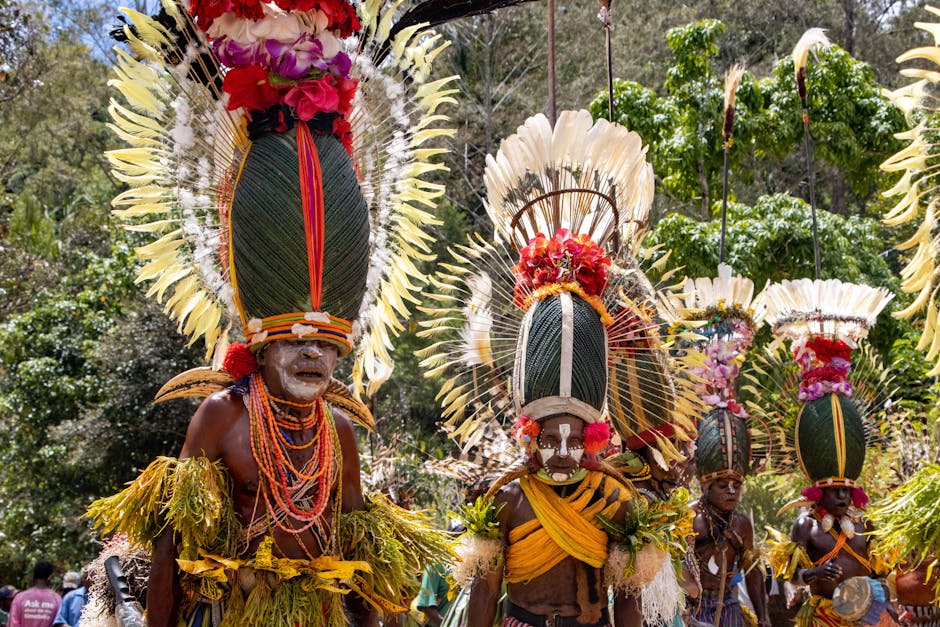
Just after dawn in Tari, the morning mist lifts from the valley floor to reveal a spectacle found nowhere else on Earth: dozens of Huli Wigmen, their faces painted in brilliant ochre and white, towering headdresses of human hair and bird-of-paradise feathers silhouetted against the rising sun. The air fills with the rhythmic chant of a sing-sing and the earthy scent of damp clay and sweet potato smoke. This is the Southern Highlands, where ancient Papua New Guinea culture isn’t a performance for tourists—it’s daily life, preserved with an intensity that humbles every visitor.
Why Tari District, Papua New Guinea Stands Out

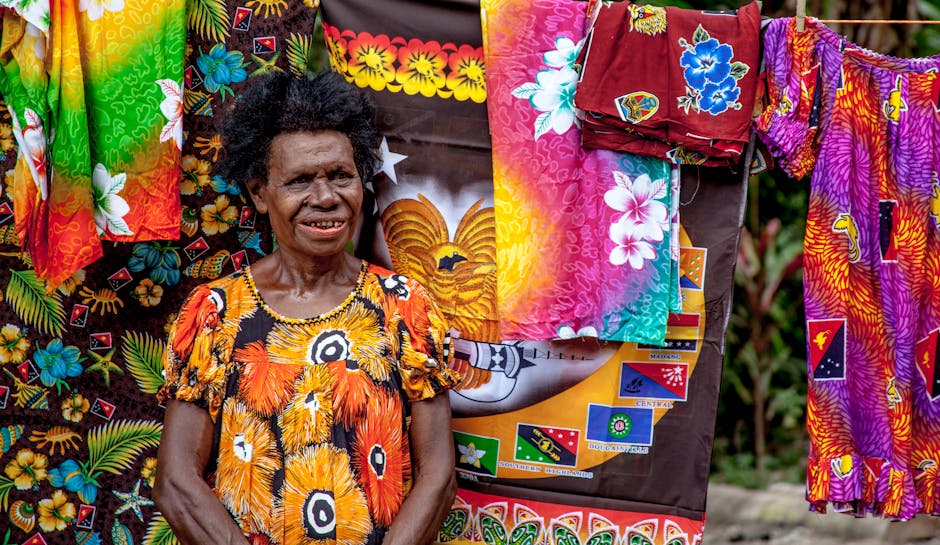
Colorful festival parade featuring participants in traditional attire and h…, Tari District, Papua New Guinea
- Historic Architecture: The traditional “haus tambaran” (spirit houses), some standing for generations, are living museums of ancestral worship, built entirely from forest materials without a single nail.
- Cultural Scene: The legendary Huli Wigmen, one of PNG’s most iconic tribes, maintain intricate rituals, from wig schools for boys to elaborate sing-sing gatherings that transform the landscape into a living canvas.
- Local Specialties: Mumu, a feast of pork, sweet potato, and greens slow-cooked in an underground oven with hot stones, offering a smoky, communal culinary experience.
Pro Tip: Plan your visit for the drier months from May to October. Not only are the rugged roads more passable, but this period also coincides with major cultural sing-sings. For the most authentic experience, coordinate with a local guide to visit a village on a non-festival day to witness unfiltered daily life.
Map of Tari District, Papua New Guinea
Use these interactive maps to explore Tari District, Papua New Guinea and plan your route:
📍 View Tari District, Papua New Guinea on OpenStreetMap
🗺️ Open Tari District, Papua New Guinea in Google Maps
Planning Your Trip: Practical Essentials
Getting There and Around
- By Air: Tari is served by Tari Airport (TIZ). Air Niugini and PNG Air operate flights from Port Moresby (POM) via Mount Hagen. The flight offers stunning mountain views. Book flights at Skyscanner for best deals.
- By Train: Papua New Guinea has no passenger railway system. All long-distance travel is by air or arduous road.
- By Car: Driving is for the extremely adventurous only. The Highlands Highway is rough, conditions change rapidly, and car rentals with drivers are essential. Compare specialized 4×4 rentals at RentalCars.com, but confirm off-road capability.
- Local Transport: Public transport is informal. Your best bet is to arrange all transport through your booked lodge or guide, who will provide 4×4 vehicles. Walking between villages is common but always requires a local escort.
Best Time to Visit
The climate in Tari is tropical highland, meaning it’s cooler than the coast but receives significant rainfall. Timing is crucial for accessibility and cultural immersion.
| Season | Weather | Highlights |
|---|---|---|
| Dry Season (May–Oct) | Sunny days (22-28°C), cool nights, minimal rain. Most reliable road access. | Prime time for trekking, village visits, and major cultural festivals like the Huli Wigmen sing-sings. |
| Wet Season (Nov–Apr) | Heavy, daily rainfall, high humidity, frequent landslides and muddy, impassable roads. | Lush, vibrant greenery, but travel is severely disrupted. Many lodges close. Not recommended. |
| Shoulder (Late Apr/ Late Oct) | Transitional weather; some rain but generally manageable conditions. | Fewer visitors, a chance to see preparations for or wind-down from festival seasons. |
Budgeting for Tari District, Papua New Guinea

Stunning aerial view of Port Moresby, Tari District, Papua New Guinea
| Category | Budget | Mid-range | Luxury |
|---|---|---|---|
| Accommodation | Basic guesthouse: PGK 150-250/night | Lodge with meals: PGK 400-700/night | All-inclusive cultural lodge: PGK 800+/night |
| Meals | Local market food: PGK 10-20 | Lodge meals included | Lodge meals included |
| Transport | PMV (local truck): PGK 20-50 | Guide with 4×4: PGK 300-500/day | Private charter flights/vehicles: PGK 2000+/day |
| Activities | Village entry fee: PGK 50-100 | Guided day tour: PGK 200-400 | Multi-day guided cultural immersion: PGK 600+/day |
| Daily Total | PGK 230-420 | PGK 900-1600 | PGK 3400+ |
Note: PGK = Papua New Guinea Kina. 1 USD ≈ 3.8 PGK. “Budget” travel here is challenging and less comfortable. The mid-range is the most practical for a supported, safe experience.
Top Attractions and Must-See Sights
| Attraction | Description | Hours | Entry Fee |
|---|---|---|---|
| Huli Wigmen Village Visit | Spend a day with the iconic Huli tribesmen, learning about wig cultivation, face painting, and ancestral stories. | Daylight hours, by arrangement | PGK 100-200 + guide fee |
| Tari Basin Lookout | Panoramic views over the vast, mist-shrouded basin, offering perspective on the region’s scale and beauty. | Sunrise to sunset | Free |
| Local Market (Tari Town) | A bustling hub of color and commerce where highlanders trade produce, crafts, and stories. | Weekday mornings | Free |
| Traditional Mumu Feast Preparation | Participate in or witness the digging of the earth oven, preparation, and communal sharing of this signature feast. | Arranged for special visits | Included in tour/lodge packages |
3-Day Itinerary: Tari District, Papua New Guinea’s Highlights & Hidden Gems
Day 1: Immersion in Huli Heartland
- Morning (7-9 AM): Depart from your lodge at first light for a village about an hour from Tari town. Arrive as daily life begins. Witness men preparing for the day and women tending to gardens. Your guide will facilitate introductions.
- Afternoon (12-3 PM): A detailed demonstration by Huli Wigmen. Learn how boys attend “wig school” (ambua) for 18 months to grow their ceremonial hairpieces. See the intricate process of painting using natural clays and ochres. Enjoy a simple lunch of roasted sweet potato and tropical fruit provided by the village.
- Evening (6-8 PM): Return to your lodge for a hearty dinner. Spend the evening listening to your guide share legends of the Huli’s origin, believed to be descended from a mythical figure named Hela.
Day 2: Culture & Craftsmanship
- Morning (8 AM): Visit the Tari town market (PGK 10 for a taxi). This isn’t for tourists; it’s where highlanders trade kaukau (sweet potato), pitpit (a local vegetable), pigs, and bilums (hand-woven bags). It’s a photographer’s dream and a lesson in local economics.
- Afternoon (1 PM): Travel to a different clan area for a focus on women’s crafts. You’ll see the meticulous process of bilum weaving, a skill passed from mother to daughter, and learn about the patterns that tell family stories. You may have the chance to purchase directly from the artisan.
- Evening (7 PM): Experience a mumu feast at your lodge or in a village (arranged in advance). The unveiling of the food from the earth oven is a celebratory moment, followed by a shared meal that embodies community.
Day 3: Spirit Houses & Scenic Vistas
- Morning (7:30 AM): A 4×4 journey (PGK 300 for vehicle/guide) to a remote village known for its impressive haus tambaran (spirit house). These ornate structures, forbidden to uninitiated women and children, are adorned with symbolic carvings and are the center of male spiritual life.
- Afternoon (12 PM): Enjoy a picnic lunch at the Tari Basin Lookout. On a clear day, the view is breathtaking. Afterwards, visit a local school if arrangements can be made respectfully—a poignant insight into the meeting of tradition and modernity.
- Evening (6 PM): Your final evening. Reflect on your experiences over dinner. If you’re lucky, a small, informal sing-sing (ceremonial dance) might be arranged by your hosts, a powerful and colorful farewell.
Cultural Insights & Etiquette
- Language: Tok Pisin (Pidgin) is the lingua franca. Key phrases: “Gude” (Hello), “Tenkyu” (Thank you), “Mi laik baim” (I would like to buy). Huli is the local tribal language. A guide is essential for translation.
- Customs: Always ask permission before taking photographs of people. A smile and a nod are not enough; wait for a clear “yes.” Respect sacred spaces, especially spirit houses, and follow your guide’s lead on where you can and cannot go.
- Tipping: Not a traditional practice, but a small gift or cash (PGK 20-50) for a village chief or a family that hosts you is a respectful gesture of thanks. Tip your guide and driver separately at the end of your trip (10-15% is appreciated).
- Dress Code: Modesty is key. Wear clothing that covers shoulders and knees. For women, skirts or loose trousers are better than shorts. Remove hats when entering villages or during ceremonies as a sign of respect.
- Business Hours: Government offices: 8 AM–4 PM. Markets are busiest in the early morning. Everything operates on “Papua New Guinea time”—be patient and flexible.
Where to Eat: Tari District, Papua New Guinea’s Best Bites
Dining in Tari is about experience as much as cuisine. Most visitors eat at their lodge, which provides safe, hearty meals. Venturing out for food independently is limited, making pre-arranged cultural meals a highlight.
Must-Try Local Specialties
- Mumu: The quintessential Highlands feast. Pork, sweet potato, greens, and sometimes rice are layered with hot stones in a pit, covered with banana leaves and earth, and slow-cooked for hours. The result is incredibly tender, smoky, and flavorful. Best experienced in a village setting.
- Kaukau (Sweet Potato): The staple carbohydrate, roasted over open fires. Simple, sweet, and energizing.
- Pitpit with Coconut: A native vegetable similar to asparagus or sugarcane, often cooked with coconut cream. Look for it at the local market or in lodge meals.
Restaurant Recommendations by Budget
| Type | Restaurant | Specialty | Price Range |
|---|---|---|---|
| Lodge Dining | Your accommodation kitchen (e.g., Ambua Lodge, Tari Gap Lodge) | Western/PNG fusion, mumu feasts by arrangement | Included in stay or PGK 60-100/meal |
| Local Eatery | Small “kai bars” in Tari town | Simple plates of rice, tinned fish, and kaukau | PGK 10-25 |
| Cultural Experience | Village-hosted mumu | Authentic underground oven feast | PGK 80-150 (arranged via guide) |
Where to Stay
Accommodation in Tari is functional and focused on the cultural experience rather than luxury. The few lodges are self-contained ecosystems, providing meals, guides, and security. Booking in advance is absolutely mandatory. Compare prices and book at Booking.com (limited listings) or more reliably, contact lodges directly via their websites.
Best Areas for Accommodation
- Tari Basin Lodges: Scattered on the ridges surrounding the basin. These offer stunning views, cooler temperatures, and direct access to guide networks for village visits. They suit travelers who prioritize authenticity and cultural access over urban convenience.
- Tari Town Guesthouses: Basic, no-frills accommodation in the small administrative center. Offers easier access to the market and a more “local” feel, but amenities are very simple. Best for the most budget-conscious and self-reliant travelers.
Colorful tribal dancers in traditional attire at a cultural festival in Pap…, Tari District, Papua New Guinea
FAQs: Your Tari District, Papua New Guinea Questions Answered
1. Is Tari District, Papua New Guinea safe at night?
Safety requires vigilance. Tribal tensions exist, though tourists are rarely targeted. The primary rule is do not move around after dark. Stay within your lodge compound at night. Never walk alone, even in daylight, without a local guide or escort from your lodge. Petty crime can occur in Tari town; leave valuables secured at your lodge.
2. What currency is used and are credit cards accepted?
The currency is the Papua New Guinea Kina (PGK). You must carry ample cash in small denominations. ATMs in Tari are unreliable or non-existent. Credit cards are only accepted at the major lodges (and even then, often with a surcharge). Bring all the cash you will need from Port Moresby or Mount Hagen.
3. How do I get from the airport to my lodge?
Tari Airport is small. Your lodge will almost always include an airport transfer in your package—confirm this when booking. If not, pre-arrange a pickup with a driver. Do not expect to find taxis readily available. For peace of mind, you can book comprehensive tours that include all transfers through operators listed on GetYourGuide.
4. Do I need to speak the local language?
No, but you absolutely need an English-speaking local guide. Very few Huli people speak English conversationally, though some in town might know Tok Pisin. Your guide is your translator, cultural broker, and safety manager. Attempting to navigate Tari independently without a guide is impractical and disrespectful to the community structure.
5. What’s the appropriate dress code?
Conservative and modest. For village visits: covered shoulders, knees, and torso. Avoid wearing red in some areas, as it can be associated with tribal warfare. Sturdy, waterproof hiking shoes are essential for muddy paths. Also pack a warm layer for cool highland evenings.

