
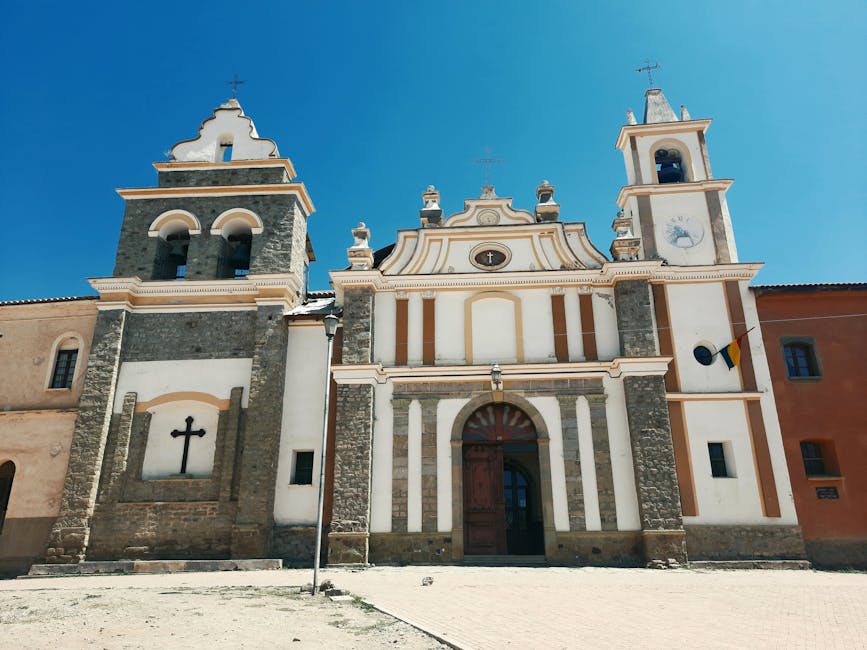
Tarata, Bolivia: Ultimate Colonial Charm, Living Traditions & Cochabamba’s Secret (2026)
Ask locals in Cochabamba about a true escape, and they’ll often whisper about Tarata, a town where time seems to have paused in the 18th century. Just 33 kilometers southeast of the bustling city, this meticulously preserved colonial enclave receives only a fraction of the visitors, allowing you to wander cobblestone streets and hear the echo of your own footsteps against pastel-hued walls. Most guidebooks miss the profound tranquility here, where the pace is set by the town’s own rhythm, not a tourist itinerary.
Why Tarata, Bolivia Stands Out

Bolivian flag fluttering against a rugged mountain backdrop, Tarata, Bolivia
- Historic Architecture: The Convent of San José, founded in 1767, is a stunning example of colonial Baroque and Mestizo architecture, featuring an intricately carved wooden altar that’s a national treasure.
- Cultural Scene: The annual Fiesta de la Virgen de la Candelaria in early February transforms the plaza with vibrant processions, traditional *tinku* ritual dances, and a palpable, joyful energy.
- Local Specialties: You must try *Chicha de Tarata*, a unique, slightly fermented corn beer specific to the region, often enjoyed in local *chicherías*.
Pro Tip: Visit on a weekday morning before 11 AM. You’ll have the stunning plaza and convent virtually to yourself before any day-trippers arrive from Cochabamba. For the best light for photography on the streets, aim for the golden hour just before sunset.
Map of Tarata, Bolivia
Use these interactive maps to explore Tarata, Bolivia and plan your route:
📍 View Tarata, Bolivia on OpenStreetMap
🗺️ Open Tarata, Bolivia in Google Maps
Planning Your Trip: Practical Essentials
Getting There and Around
- By Air: Fly into Jorge Wilstermann International Airport (CBB) in Cochabamba. From there, take a taxi to the main bus terminal (Terminal de Buses). Book flights at Skyscanner for best deals.
- By Train: There is no direct passenger train service to Tarata. The town is best accessed by road from Cochabamba.
- By Car: The drive from Cochabamba takes about 45-60 minutes via Route 4/Highway 4. Parking is relatively easy around the main plaza. Compare car rentals at RentalCars.com.
- Local Transport: *Micros* (minibuses) and shared taxis depart regularly for Tarata from Cochabamba’s Terminal de Buses (Av. Ayacucho). The cost is about 8-10 BOB ($1.15-$1.45 USD) per person. Within Tarata, everything is easily walkable.
Best Time to Visit
The climate in Tarata is mild year-round, but the dry season offers the most reliably pleasant conditions for exploration. The town’s major festival provides a uniquely vibrant, if busier, experience.
| Season | Weather | Highlights |
|---|---|---|
| Dry Season (May–Oct) | Sunny days, cool nights (50-75°F / 10-24°C), virtually no rain. | Ideal for photography and leisurely walks; clear skies; comfortable temperatures. |
| Wet Season (Nov–Apr) | Warmer, with frequent afternoon showers (60-80°F / 15-27°C). | Lush, green surroundings; fewer tourists; includes the vibrant Fiesta de la Candelaria in February. |
| Shoulder (Apr & Oct) | Transitional weather, mild with occasional rain. | Good balance of decent weather and lower visitor numbers; perfect for a peaceful retreat. |
Budgeting for Tarata, Bolivia

A joyful Bolivian woman in traditional clothing carrying a child in a vibra…, Tarata, Bolivia
| Category | Budget | Mid-range | Luxury |
|---|---|---|---|
| Accommodation | Hostel/Basic Hostal (80-120 BOB / $12-17 USD) | Charming Local Hotel (200-350 BOB / $29-50 USD) | Historic Hacienda Stay (500+ BOB / $72+ USD) |
| Meals | Market & Street Food (25-40 BOB / $3.50-6 USD) | Local Restaurant Menú del Día (40-60 BOB / $6-9 USD) | Fine Dining in Cochabamba (100+ BOB / $14+ USD) |
| Transport | Public Micro from Cochabamba (16-20 BOB roundtrip) | Private Taxi for Day Trip (200-300 BOB / $29-43 USD) | Private Driver & Guided Tour (500+ BOB / $72+ USD) |
| Activities | Plaza & Church visits (Free-10 BOB donation) | Guided Town Walk (50-80 BOB / $7-12 USD) | Full-Day Cultural & Culinary Tour (250+ BOB / $36+ USD) |
| Daily Total | 120-180 BOB ($17-26 USD) | 300-500 BOB ($43-72 USD) | 800+ BOB ($115+ USD) |
Top Attractions and Must-See Sights
| Attraction | Description | Hours | Entry Fee |
|---|---|---|---|
| Convento de San José | The heart of Tarata, featuring a breathtaking Baroque altar and a serene cloister with orange trees. | 9 AM – 12 PM, 2 PM – 5 PM (Mon-Sat) | 10 BOB ($1.45 USD) donation suggested |
| Plaza 25 de Mayo | The immaculate main square, surrounded by colonial arcades and the iconic twin-towered church. | Always open | Free |
| Casa de la Cultura | Houses historical artifacts and offers insight into the town’s past, including its role in Bolivian independence. | 10 AM – 4 PM (Weekdays) | 5 BOB ($0.70 USD) |
| Mirador El Calvario | A short hike up a hill behind town for a panoramic view of red-tiled roofs and the surrounding valley. | Always open | Free |
3-Day Itinerary: Tarata, Bolivia’s Highlights & Hidden Gems
Day 1: Immersion in Colonial History
- Morning (7-9 AM): Arrive early from Cochabamba. Enjoy a quiet coffee at a plaza-side cafe like **Café Tarata** and watch the town wake up. Your best bet is to have the majestic **Iglesia de San Pedro** and the plaza all to yourself for photos.
- Afternoon (12-3 PM): Tour the **Convento de San José** (allow 60-90 minutes). For lunch, head to **Restaurant Doña Remedios** for a hearty *Pique a lo Macho* (a heaping plate of beef, sausage, fries, and vegetables).
- Evening (6-8 PM): Take a leisurely stroll down **Calle Bolívar**, peeking into artisan workshops. Enjoy a simple, authentic dinner at a *comedor popular* (community kitchen) for a true local experience.
Day 2: Culture, Crafts & Countryside
- Morning (8 AM): Visit the **local market** (off the plaza) to see fresh produce and regional goods. Then, find a *chichería* for a small taste of the local **Chicha de Tarata** (often just 5 BOB).
- Afternoon (1 PM): Explore the **Casa de la Cultura**. Afterwards, have lunch at **La Casona**, known for its *Sillpancho* (a breaded beef cutlet served with rice, potatoes, and a fried egg).
- Evening (5 PM): Hike up to **Mirador El Calvario** for sunset. It’s a 20-minute walk with a rewarding view. For dinner, try **Pizzería El Trigal** for a surprising fusion of local ingredients on Italian classics.
Day 3: Excursion to Cliza & Punata
- Morning (9 AM): Hire a taxi (approx. 150 BOB for 2-3 hours) for a short trip to the nearby towns of **Cliza** and **Punata**, famous for their larger, bustling markets and even more prolific *chicha* production.
- Afternoon (12 PM): Have lunch in **Punata** at the market, trying *Chicharrón de Punata* (fried pork) which is a regional specialty. Browse the aisles for local pottery.
- Evening (4 PM): Return to Tarata. Spend your final evening relaxing on a bench in the **Plaza 25 de Mayo**, soaking in the peaceful atmosphere—a perfect farewell to this timeless town.
Cultural Insights & Etiquette
- Language: Spanish is essential. Aymara and Quechua are also spoken. Learn basics: “Buenos días” (Good morning), “Gracias” (Thank you), “¿Cuánto cuesta?” (How much?).
- Customs: Always greet shopkeepers when entering. Asking for permission before taking photos of people, especially elders, is a sign of respect. The pace is slow and polite.
- Tipping: Not widely expected, but rounding up the bill or leaving 5-10% in sit-down restaurants is appreciated. For guides, 20-30 BOB is generous.
- Dress Code: Modest, comfortable clothing is best. When entering churches, cover shoulders and knees. Sturdy walking shoes are a must for the cobblestones.
- Business Hours: Typical hours are 9 AM – 12:30 PM and 2:30 PM – 7 PM, with a long midday siesta. Many places close on Sunday afternoons.
Where to Eat: Tarata, Bolivia’s Best Bites
Dining in Tarata is about authentic, home-style Bolivian valley cuisine. You won’t find flashy international menus, but you will discover deeply flavorful dishes rooted in local ingredients like corn, potatoes, and beef. The *comedores* (small family-run eateries) offer the most genuine experience.
Must-Try Local Specialties
- Pique a lo Macho: A massive, shareable platter of sliced beef, hot dogs, fries, onions, tomatoes, and locoto peppers, often topped with a fried egg. Best tried at **Restaurant Doña Remedios**.
- Sillpancho Cochabambino: A thin, breaded beef cutlet served over rice with boiled potatoes, a fried egg, and a tomato-onion salsa. **La Casona** near the plaza prepares a classic version.
- Chicha de Tarata: The local corn beer, slightly sour and effervescent. Seek out a traditional *chichería* (often marked by a white flag) for the most authentic experience.
Restaurant Recommendations by Budget
| Type | Restaurant | Specialty | Price Range |
|---|---|---|---|
| Budget | Comedor Popular (Market Area) | Daily set-menu lunch (*almuerzo*) with soup and main course. | 15-25 BOB ($2-3.50 USD) |
| Mid-range | La Casona (Calle Bolívar) | Classic Bolivian dishes in a charming, historic setting. | 40-70 BOB ($6-10 USD) |
| Fine dining | Pizzería El Trigal (Near Plaza) | Upscale pizzas and pastas in one of the town’s nicest settings. | 60-100 BOB ($9-14 USD) |
Where to Stay
Accommodation in Tarata itself is limited but charming, focusing on small hostels and family-run guesthouses. For more variety, many visitors stay in Cochabamba and visit as a day trip. Compare prices and book at Booking.com or Airbnb for apartments.
Best Neighborhoods for Accommodation
- Centro (Around Plaza 25 de Mayo): The absolute heart of town. You’ll be steps from all major sights and restaurants. Perfect for travelers who want to be in the middle of the historic atmosphere. Can be quiet at night.
- Residential Areas (off main streets): A few guesthouses are located a block or two from the plaza. These offer more local immersion and quiet. Best for those seeking a truly peaceful retreat.
- Cochabamba City: Staying in neighborhoods like **Zona Recoleta** or **Centro** in Cochabamba gives you access to a wider range of hotels, nightlife, and dining, with Tarata as an easy day trip.

Intricate carnival mask glowing in vibrant colors during a night parade in …, Tarata, Bolivia
FAQs: Your Tarata, Bolivia Questions Answered
1. Is Tarata, Bolivia safe at night?
Tarata is generally very safe. The town is small, quiet, and community-oriented. As always, exercise standard precautions: stick to well-lit areas like the main plaza at night and be aware of your surroundings. Violent crime is extremely rare, but petty theft can occur if you leave belongings unattended.
2. What currency is used and are credit cards accepted?
The Bolivian Boliviano (BOB) is the currency. In Tarata, **cash is king**. Very few establishments, if any, accept credit cards. There is one small bank (Banco Unión) with an ATM on the plaza, but it’s not always reliable. Savvy travelers withdraw enough cash in Cochabamba before visiting.
3. How do I get from the airport to the city center?
From Jorge Wilstermann Airport (CBB) in Cochabamba, take an official airport taxi to the Terminal de Buses (approx. 40-50 BOB / $6-7 USD). From the terminal, catch a *micro* or shared taxi to Tarata. For a seamless transition, you can book a private airport transfer directly to Tarata at GetYourGuide for convenience, though this is more expensive.
4. Do I need to speak the local language?
Basic Spanish is highly recommended and will greatly enhance your experience. English is not widely spoken in Tarata. Learning a few key phrases shows respect and helps with simple transactions. Locals are patient and will appreciate your effort.
5. What’s the appropriate dress code?
Dress comfortably for walking but conservatively. For daily sightseeing, casual pants, skirts below the knee, and t-shirts are fine. **When entering churches, you must cover shoulders and knees** – carry a light shawl or sweater. The sun is strong, so a hat and sunscreen are essential,

